Last Updated on October 23, 2026 by D. Ruddy
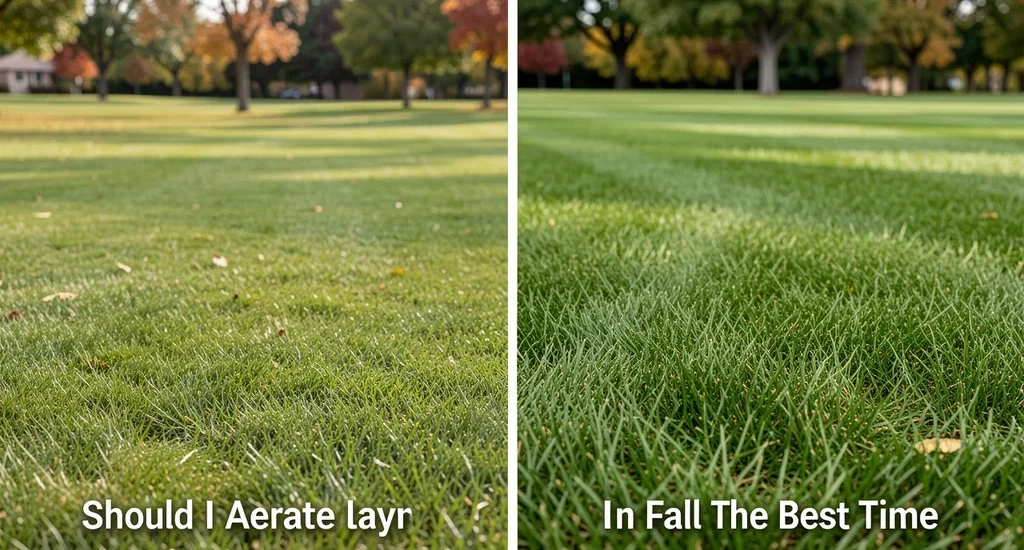
If your Illinois lawn looks compacted or struggles with water absorption, should i aerate my lawn in the fall in illinois is a common question with a clear answer. Fall is actually the ideal season for aeration in the Prairie State, giving cool-season grasses like Kentucky bluegrass and tall fescue the perfect conditions to recover. This post covers why fall aeration works best, how to do it right, and what to avoid.
Yes you should aerate your lawn in Illinois during early to mid fall when soil is moist and cool season grasses are actively growing. This timing allows roots to recover quickly before winter while reducing weed competition.
Why Fall Is The Best Time For Lawn Aeration In Illinois
Illinois falls under the transition zone for grass types, but cool-season varieties dominate most home lawns. These grasses peak in growth during cool weather, making fall the prime window for aeration. The soil stays warm enough for root development while air temperatures are cool, reducing stress on the turf.
Aerating in fall offers several advantages over spring or summer:
- Optimal grass growth: Cool-season grasses like perennial ryegrass and fine fescue grow most actively in fall
- Weed control: Fewer weed seeds germinate in fall compared to spring
- Moisture retention: Cooler temperatures reduce evaporation, helping soil stay moist
- Disease prevention: Aeration improves drainage, reducing fungal disease risk before winter
- Fertilizer efficiency: Fall aeration allows better nutrient absorption from winterizer fertilizers
According to the University of Illinois Extension, late August through October is the recommended window for core aeration in the state. This aligns with the natural growth cycle of cool-season grasses that dominate Illinois lawns.
Important: Avoid aerating during drought conditions or when the soil is too dry, as this can damage the turf and equipment.
Signs Your Illinois Lawn Needs Aeration
Not every lawn requires annual aeration, but many Illinois lawns show clear signs they would benefit from the process. The most obvious indicator is soil compaction, which prevents water, air, and nutrients from reaching grass roots.
Watch for these common signs that your lawn needs aeration:
- Water pooling: Puddles form and remain on the lawn surface for hours after rain or irrigation
- Thin or patchy grass: Areas of sparse growth despite proper watering and fertilizing
- Hard soil: Difficulty pushing a screwdriver or garden fork into the soil
- Excessive thatch: A thick layer (over 1/2 inch) of undecomposed organic matter between soil and grass
- Poor response to fertilizer: Grass doesn’t green up as expected after feeding
- High foot traffic areas: Paths or play areas where grass is struggling
| Sign | What It Means | Solution |
|---|---|---|
| Water pooling | Compacted soil prevents drainage | Core aeration to improve water penetration |
| Thin grass | Roots can’t access air, water, nutrients | Aerate then overseed |
| Hard soil | Heavy clay soil common in Illinois | Aerate when soil is slightly moist |
| Excess thatch | Prevents water and nutrients from reaching soil | Dethatch then aerate |
The Illinois State University Extension reports that over 60% of home lawns in the state show signs of compaction, particularly in urban and suburban areas with heavy foot traffic. Regular aeration can improve turf density by up to 30% in these compacted areas.
How To Aerate Your Illinois Lawn In The Fall
Proper aeration technique is crucial for getting the best results from your fall lawn care efforts. The process involves removing small cores of soil from your lawn, which creates channels for air, water, and nutrients to reach the root zone.
Follow these steps for effective fall aeration:
Before You Start
- Mow the lawn slightly shorter than usual (about 1.5-2 inches) to make aeration easier
- Water deeply 1-2 days before aerating so soil is moist but not muddy
- Mark sprinkler heads and other obstacles to avoid damaging equipment
- Choose the right equipment: manual spike aerators work for small lawns, but core aerators are more effective
- Check soil moisture: Insert a screwdriver into the soil – it should go in about 3-4 inches with moderate pressure
Aeration Process
- Make multiple passes with the aerator, especially in high-traffic areas. Aim for 20-40 holes per square foot
- Go in different directions (north-south and east-west) for thorough coverage
- Leave the soil cores on the lawn – they’ll break down naturally and return nutrients to the soil
- Focus on compacted areas where grass is thin or water pools
- Overlap slightly on each pass to ensure complete coverage
Tip: For best results, aerate when the soil temperature is between 50-65°F, which typically occurs in Illinois from late August through October.
After Aeration
- Apply fertilizer immediately after aeration to take advantage of improved nutrient absorption
- Overseed if needed to fill in thin areas – fall is the perfect time for this in Illinois
- Water lightly daily for the first week to help roots recover
- Avoid heavy use of the lawn for at least a few days to allow recovery
- Continue regular watering (about 1 inch per week) to encourage deep root growth
Best Aeration Equipment For Illinois Lawns
Choosing the right aeration equipment can make the difference between a frustrating experience and a successful lawn improvement project. Illinois homeowners have several options depending on their lawn size, budget, and physical ability.
| Equipment Type | Best For | Cost | Effectiveness |
|---|---|---|---|
| Manual Spike Aerator | Small lawns, low budget | $20-$50 | Low (can compact soil) |
| Manual Core Aerator | Small to medium lawns | $50-$150 | Medium |
| Tow-Behind Core Aerator | Medium to large lawns | $150-$400 | High |
| Rental Core Aerator | Large lawns, one-time use | $60-$100/day | Very High |
| Professional Service | Any size, no DIY | $75-$200 | Very High |
For most Illinois homeowners with average-sized lawns (5,000-10,000 sq ft), renting a power core aerator from a local hardware store is the most cost-effective option. These machines typically cost $60-$100 per day and can aerate a large lawn in just a few hours.
Manual vs Power Aerators
- Manual aerators
- Pros: Affordable, good for small lawns, no fuel required
- Cons: Labor-intensive, less effective for large or heavily compacted lawns
- Best for: Lawns under 2,000 sq ft or spot treatment
- Power aerators
- Pros: Fast, effective for large lawns, removes more cores
- Cons: Expensive to buy, requires more storage space
- Best for: Lawns over 2,000 sq ft, regular aeration needs
Warning: Avoid spike aerators for heavily compacted soils. They can actually increase compaction by pushing soil downward rather than removing it.
When Exactly To Aerate In Illinois Fall
Timing is everything when it comes to fall lawn aeration in Illinois. The window is relatively wide, but there are optimal periods within the fall season that will give you the best results for your cool-season grass.
Ideal Aeration Window
The perfect time for aeration in Illinois is from late August through mid-October. This period offers several advantages:
- Active grass growth: Cool-season grasses are in their peak growth phase
- Optimal soil temperatures: Between 50-65°F, perfect for root development
- Reduced weed pressure: Fewer weed seeds are germinating compared to spring
- Good moisture levels: Typically adequate rainfall to support recovery
- Time before winter: 6-8 weeks for roots to establish before cold weather
Regional Considerations
Illinois spans several climate zones, which can affect the optimal aeration timing:
- Northern Illinois (Chicago, Rockford):
- Start aerating in late August to early September
- Finish by mid-October before first frost
- Soil temperatures drop faster in this region
- Central Illinois (Springfield, Peoria):
- Optimal window is early to mid-September
- Can extend to late October in milder years
- More consistent soil temperatures
- Southern Illinois (Carbondale, Marion):
- Can start aerating in early September
- Window extends to late October or early November
- Warmer soil temperatures persist longer
| Region | Start Date | End Date | Notes |
|---|---|---|---|
| Northern Illinois | Late August | Mid-October | Earliest frost dates |
| Central Illinois | Early September | Late October | Most consistent window |
| Southern Illinois | Early September | Early November | Longest growing season |
The Illinois State Climatologist reports that the average first frost date ranges from early October in northern Illinois to late October or early November in southern parts of the state. This gives a good reference point for when to complete your fall aeration.
What To Do After Aerating Your Illinois Lawn
Proper post-aeration care is crucial to maximize the benefits of your fall lawn aeration. The holes created by aeration provide direct access to the root zone, making this the perfect time to address other lawn care needs.
Immediate Post-Aeration Steps
- Apply fertilizer within 24-48 hours of aeration. Use a high-quality fall fertilizer with a balanced NPK ratio (like 20-0-5 or 16-4-8). The University of Illinois recommends applying 1 pound of nitrogen per 1,000 square feet for fall feeding.
- Overseed if your lawn has thin or bare spots. Fall is the ideal time for overseeding in Illinois. Choose a grass seed blend that matches your existing lawn (typically Kentucky bluegrass, tall fescue, or perennial ryegrass for Illinois).
- Water lightly daily for the first week to keep the soil plugs moist and encourage root growth. After the first week, resume normal watering practices (about 1 inch per week).
- Avoid heavy traffic on the lawn for at least 3-5 days to allow the grass to recover from the aeration process.
Long-Term Post-Aeration Care
- Continue regular watering throughout the fall to support root development
- Mow regularly but avoid cutting more than 1/3 of the grass blade length at a time
- Apply a winterizer fertilizer in late October or early November to strengthen roots before winter
- Remove leaves promptly to prevent smothering the newly aerated and seeded areas
- Avoid herbicides for at least 4-6 weeks after overseeding to allow new grass to establish
Tip: For best results with overseeding, use a seed-to-soil contact product like peat moss or a straw mulch to help keep seeds in place and retain moisture.
Expected Results Timeline
| Timeframe | What to Expect |
|---|---|
| 1-2 weeks | Soil plugs break down, initial root recovery begins |
| 3-4 weeks | New grass seedlings emerge (if overseeded), improved water absorption |
| 6-8 weeks | Noticeable improvement in turf density and color, stronger root system |
| Next spring | Full benefits visible: thicker turf, better drought resistance, improved overall health |
Common Mistakes To Avoid When Aerating In Illinois
Even with the best intentions, many Illinois homeowners make mistakes that reduce the effectiveness of their fall aeration. Being aware of these common pitfalls can help you get the most from your lawn care efforts.
- Aerating at the wrong time
- Mistake: Aerating during summer heat or after the first frost
- Why it’s bad: Grass can’t recover properly, and roots may be damaged
- Solution: Stick to the late August through mid-October window
- Using dull or improper equipment
- Mistake: Using a spike aerator on heavily compacted soil or with dull tines
- Why it’s bad: Can increase compaction and create poor holes
- Solution: Use a core aerator with sharp tines, or rent a professional-grade machine
- Aerating when soil is too dry or too wet
- Mistake: Attempting to aerate bone-dry or muddy soil
- Why it’s bad: Equipment won’t penetrate properly, and you can damage the turf
- Solution: Aerate when soil is moist but not muddy (screwdriver test: should go in 3-4 inches with moderate pressure)
- Not making enough passes
- Mistake: Making only one pass with the aerator
- Why it’s bad: Insufficient hole density for effective aeration
- Solution: Make at least two passes in different directions, aiming for 20-40 holes per square foot
- Ignoring post-aeration care
- Mistake: Not fertilizing, watering, or overseeding after aeration
- Why it’s bad: Missed opportunity to maximize aeration benefits
- Solution: Always follow up with fertilizer, water, and seed if needed
- Aerating too frequently or not enough
- Mistake: Aerating every year regardless of need, or not aerating when clearly needed
- Why it’s bad: Over-aeration can damage lawn; under-aeration misses compaction issues
- Solution: Most Illinois lawns benefit from aeration every 2-3 years, or annually for high-traffic areas
Warning: Never aerate during drought conditions or when the lawn is dormant. This can cause significant damage to your turf and set back recovery.
Frequently Asked Questions
How often should I aerate my lawn in Illinois?
Most home lawns in Illinois benefit from aeration every 2-3 years. However, lawns with heavy clay soil, high foot traffic, or those that are frequently watered may need annual aeration. If your lawn has thin grass, water pools on the surface, or feels spongy underfoot, these are signs you might need to aerate more frequently.
Can I aerate my lawn in Illinois in the spring?
While you can aerate in spring, fall is generally better for Illinois lawns. Spring aeration can bring up weed seeds that will germinate with the cool-season grasses. If you must aerate in spring, do it in early May before weed seeds start germinating, and be prepared for more weed pressure throughout the summer.
Is it better to aerate before or after fertilizing in Illinois?
Always aerate before fertilizing. The holes created by aeration allow the fertilizer to reach the root zone more effectively. Apply fertilizer within 24-48 hours after aeration for best results.
This timing ensures that the nutrients get directly to the roots where they’re needed most.
Should I water my lawn before or after aerating in Illinois?
Water your lawn 1-2 days before aerating so the soil is moist but not muddy. This makes it easier for the aerator tines to penetrate the soil. After aeration, water lightly daily for the first week to help the soil plugs break down and encourage root growth.
Then resume normal watering practices.
Can I aerate my Illinois lawn myself or should I hire a professional?
Most homeowners can successfully aerate their own lawns, especially with smaller yards. Renting a core aerator from a local hardware store is a cost-effective option for DIYers. However, for large lawns (over 10,000 sq ft) or if you’re not comfortable operating the equipment, hiring a professional lawn care service may be worth the investment.
Professionals typically charge between $75-$200 depending on lawn size.
Final Thoughts
For Illinois homeowners wondering should i aerate my lawn in the fall in illinois, the answer is a clear yes. Fall provides the ideal conditions for aeration, allowing your cool-season grass to recover quickly and develop strong roots before winter. The key is timing it right – late August through mid-October – and following up with proper care like fertilizing and overseeding.
Avoid common mistakes like aerating at the wrong time or with improper equipment, and your lawn will reward you with improved health, density, and resilience.