Last Updated on October 23, 2026 by D. Ruddy
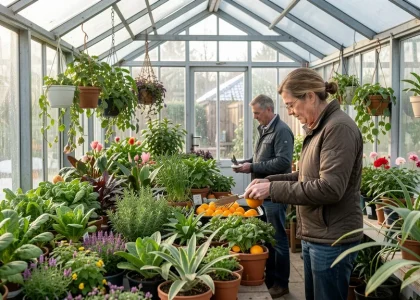
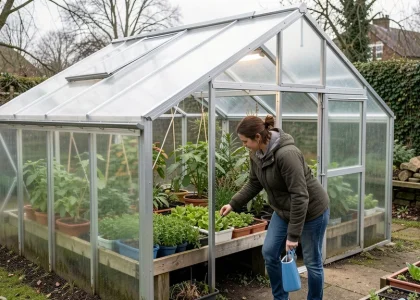
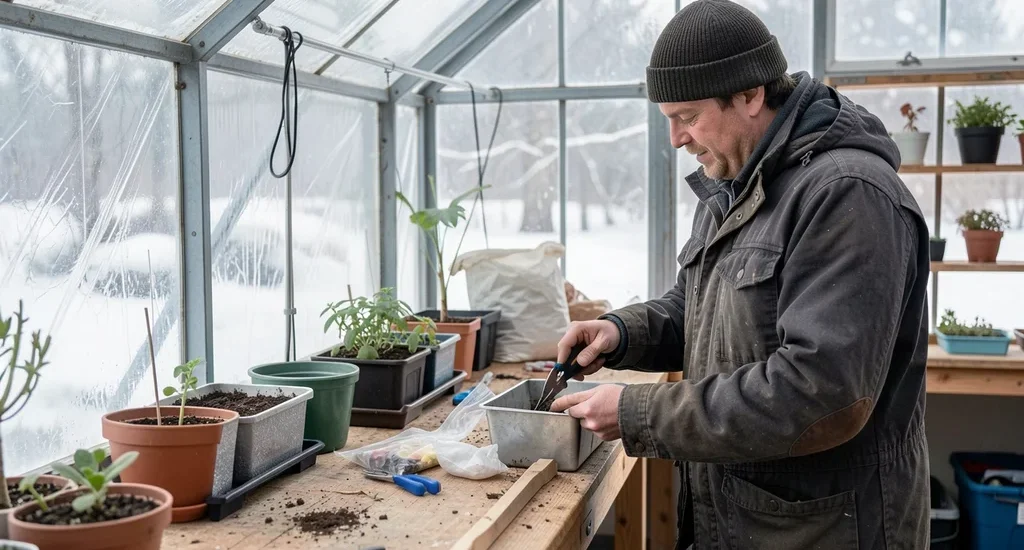
Keeping a greenhouse warm through the harsh winters of Northern Maine is a challenge every gardener faces. How to heat greenhouse in winter northern maine requires smart planning and the right heating methods to protect plants from freezing temperatures. With proper insulation, heating systems, and energy-efficient techniques, you can maintain a thriving garden even in subzero conditions.
You can heat a greenhouse in Northern Maine winter by combining passive solar gain, insulated structures, and active heating systems like propane heaters or geothermal solutions. Proper ventilation and thermal mass materials help stabilize temperatures.
Best Heating Methods for Northern Maine Greenhouses
Northern Maine winters demand robust heating solutions to keep greenhouses functional. The most effective methods combine active and passive techniques to maintain stable temperatures.
Active heating systems like propane, electric, or wood-burning heaters provide direct warmth, while passive methods like thermal mass and insulation reduce heat loss. A layered approach works best in extreme cold.
- Propane Heaters: Efficient and powerful, ideal for large greenhouses. Requires proper ventilation to prevent carbon monoxide buildup.
- Electric Heaters: Clean and easy to control, but may strain the electrical grid during peak usage. Best for smaller greenhouses.
- Wood-Burning Stoves: Cost-effective and sustainable if you have access to firewood. Needs a chimney and safety measures.
- Geothermal Heating: Uses earth’s natural heat, highly efficient but expensive to install. Long-term savings offset initial costs.
- Solar Heating: Passive solar gain through south-facing windows can supplement other heating methods. Works best with thermal mass materials.
- Heat Pumps: Extract heat from the air or ground, energy-efficient but less effective in extreme cold below -10°F.
Important: Always install carbon monoxide detectors when using propane or wood-burning heaters. Ventilation is critical to prevent toxic gas buildup.
| Heating Method | Initial Cost | Monthly Cost | Best For |
|---|---|---|---|
| Propane Heaters | $500-$2,000 | $100-$300 | Large greenhouses, quick heating |
| Electric Heaters | $200-$1,000 | $50-$200 | Small to medium greenhouses |
| Wood-Burning Stoves | $1,000-$3,000 | $20-$100 | Off-grid, sustainable heating |
| Geothermal | $10,000-$25,000 | $30-$80 | Long-term, energy-efficient |
| Solar Heating | $1,000-$5,000 | $0-$50 | Passive heating, eco-friendly |
Costs vary based on greenhouse size and local fuel prices. Propane and wood-burning options are popular in Northern Maine due to their reliability in extreme cold.
Passive Heating Techniques to Reduce Energy Costs
Passive heating methods help retain heat without active energy consumption. These techniques are essential for reducing heating costs and improving energy efficiency in Northern Maine greenhouses.
Thermal mass materials like water barrels, stone, or brick absorb heat during the day and release it at night. Proper insulation, including double-walled polycarbonate panels and weatherstripping, minimizes heat loss. Orienting the greenhouse to face south maximizes solar gain.
- Thermal Mass: Place water barrels or stone slabs inside the greenhouse. These absorb heat during the day and release it slowly at night, stabilizing temperatures. According to the University of Maine Cooperative Extension, water barrels can store heat for up to 24 hours.
- Insulation: Use double-layered polycarbonate panels or bubble wrap insulation. Seal all gaps with weatherstripping to prevent drafts. Insulated north walls reduce heat loss significantly.
- Solar Orientation: Position the greenhouse with the long side facing south to maximize sunlight exposure. A slight eastward tilt can help capture morning sun, which is often clearer in winter.
- Windbreaks: Plant evergreen trees or install fences on the north and northwest sides to block cold winds. This can reduce heat loss by up to 30%.
- Ground Insulation: Insulate the foundation with foam boards or straw bales to prevent heat loss through the ground. Frost lines in Northern Maine can reach 6-8 feet deep.
Tip: Paint water barrels black to increase heat absorption. Cover them with clear plastic to retain heat longer.
Choosing the Right Heating System for Your Greenhouse
Selecting the best heating system depends on your greenhouse size, budget, and access to fuel sources. Northern Maine’s extreme cold requires systems that can handle temperatures dropping below -20°F.
For small greenhouses (under 200 sq ft), electric heaters or small propane heaters may suffice. Larger greenhouses (500+ sq ft) need more powerful systems like large propane heaters or wood-burning stoves. Off-grid solutions like geothermal or solar may require higher upfront investments but offer long-term savings.
| Greenhouse Size | Recommended Heating System | Fuel Source | Estimated Monthly Cost |
|---|---|---|---|
| Under 100 sq ft | Electric Heater | Electricity | $50-$100 |
| 100-300 sq ft | Small Propane Heater | Propane | $100-$200 |
| 300-500 sq ft | Large Propane Heater | Propane | $200-$300 |
| 500-1,000 sq ft | Wood-Burning Stove | Firewood | $50-$150 |
| 1,000+ sq ft | Geothermal or Multiple Propane Heaters | Geothermal/Electric/Propane | $300-$600 |
For greenhouses larger than 1,000 sq ft, combining multiple heating systems often provides the best results. For example, a wood-burning stove paired with electric heaters can ensure consistent warmth.
Insulation and Weatherproofing Essentials
Proper insulation is critical to retaining heat and reducing energy costs. Without adequate weatherproofing, even the best heating systems will struggle to maintain a stable temperature in Northern Maine winters.
Double-walled polycarbonate panels are among the best materials for greenhouse glazing, offering excellent insulation with a high R-value. Bubble wrap insulation can be added between layers for extra protection. Seal all gaps, doors, and vents with weatherstripping to prevent drafts.
Insulating the foundation with foam boards or straw bales prevents heat loss through the ground.
- Double-Walled Polycarbonate: Provides better insulation than single-layer glass or plastic. Look for panels with a minimum R-value of 1.5.
- Bubble Wrap Insulation: Can be applied to the inner walls of the greenhouse. Reduces heat loss by up to 40%.
- Weatherstripping: Seal all doors, vents, and seams with high-quality weatherstripping. Check and replace annually.
- Foundation Insulation: Use rigid foam boards or straw bales around the base. Prevents frost heave and heat loss.
- Thermal Curtains: Install insulated curtains or shades on the north side to reduce heat loss at night.
- Ventilation Seals: Ensure all ventilation openings can be tightly sealed when not in use. Use automatic vent openers for temperature control.
Warning: Avoid using plastic sheeting as a long-term solution. It degrades quickly under UV exposure and provides poor insulation.
Ventilation and Air Circulation for Healthy Plants
While heating is essential, proper ventilation prevents condensation, mold growth, and plant diseases. Even in winter, greenhouses need fresh air exchange to maintain plant health.
Install adjustable vents or louvers to control airflow. Use small fans to circulate warm air and prevent cold spots. Automatic vent openers can regulate temperature and humidity without manual intervention.
Aim for a humidity level between 40-60% to prevent fungal issues.
- Adjustable Vents: Install vents on the roof and sides for cross-ventilation. Ensure they can be tightly sealed to prevent heat loss.
- Circulation Fans: Use low-wattage fans to keep air moving. Prevents cold pockets and ensures even heat distribution.
- Automatic Vent Openers: These open and close vents based on temperature, maintaining optimal conditions without constant monitoring.
- Humidity Control: Use a hygrometer to monitor humidity levels. Consider a dehumidifier if levels consistently exceed 60%.
- Air Exchange: Open vents briefly during the warmest part of the day to refresh the air, even in winter.
| Ventilation Method | Cost | Effectiveness | Best For |
|---|---|---|---|
| Manual Vents | $20-$100 | Low | Small greenhouses, budget-friendly |
| Automatic Vent Openers | $100-$300 | High | All greenhouse sizes, hands-off |
| Circulation Fans | $50-$200 | Medium | Even heat distribution |
| Roof Vents | $200-$500 | High | Large greenhouses, optimal airflow |
Automatic vent openers are a worthwhile investment for Northern Maine greenhouses, as they ensure consistent temperatures without manual adjustment.
Common Mistakes to Avoid When Heating a Greenhouse
Many gardeners make critical errors when heating their greenhouses, leading to inefficiency, plant damage, or even safety hazards. Avoiding these common mistakes can save you time, money, and frustration.
Overheating is a frequent issue, especially with propane or wood-burning systems. Poor insulation leads to excessive heat loss and higher energy costs. Ignoring ventilation can cause humidity buildup and plant diseases.
Improper fuel storage or heater placement can pose serious safety risks.
- Overheating: Use a thermostat to maintain consistent temperatures. Aim for 60-75°F during the day and 45-55°F at night for most plants. Overheating wastes fuel and can stress plants.
- Under-Insulating: Invest in quality insulation materials. Poor insulation can increase heating costs by up to 50%.
- Ignoring Ventilation: Even in winter, plants need fresh air. Stagnant air leads to mold, mildew, and pest infestations.
- Improper Heater Placement: Place heaters centrally and ensure even heat distribution. Avoid placing heaters near flammable materials.
- Neglecting Safety: Install carbon monoxide detectors and fire extinguishers. Store fuel sources safely and away from living spaces.
- Skipping Maintenance: Regularly inspect heaters, vents, and insulation for wear and tear. Replace weatherstripping and seals annually.
Tip: Use a greenhouse monitoring system with remote alerts to track temperature and humidity levels. This helps prevent overheating or freezing when you’re away.
Energy-Efficient Heating Tips for Long-Term Savings
Heating a greenhouse in Northern Maine can be expensive, but energy-efficient practices can significantly reduce costs. Implementing smart strategies ensures your greenhouse stays warm without breaking the bank.
Start with passive heating methods like thermal mass and solar gain. Use a programmable thermostat to optimize heating schedules. Consider renewable energy sources like solar panels or wind turbines to offset electricity costs.
Regular maintenance of heating systems ensures they operate at peak efficiency.
- Maximize Passive Solar Gain: Keep the greenhouse clean and free of snow to allow maximum sunlight penetration. Use reflective materials inside to direct light to plants.
- Use a Programmable Thermostat: Set temperatures to drop slightly at night when plants require less heat. This can save up to 20% on heating costs.
- Invest in Renewable Energy: Solar panels can power electric heaters or circulation fans. Wind turbines are another option for off-grid greenhouses.
- Seal All Leaks: Regularly inspect for and seal any drafts. Even small gaps can lead to significant heat loss over time.
- Zone Heating: Heat only the areas of the greenhouse that are in use. This is especially effective for larger greenhouses with multiple sections.
- Use Heat-Exchanging Systems: Recapture heat from exhaust air using a heat exchanger. This can recover up to 70% of the heat that would otherwise be lost.
| Energy-Saving Tip | Estimated Savings | Implementation Cost |
|---|---|---|
| Programmable Thermostat | 10-20% | $50-$200 |
| Solar Panels | 30-50% | $2,000-$10,000 |
| Heat Exchanger | 20-30% | $1,000-$3,000 |
| Passive Solar Gain | 10-15% | $100-$500 |
| Zone Heating | 25-40% | $200-$800 |
Combining multiple energy-saving strategies can lead to substantial long-term savings. For example, pairing a programmable thermostat with solar panels can reduce heating costs by up to 60%.
Frequently Asked Questions
What is the cheapest way to heat a greenhouse in Northern Maine?
The cheapest way to heat a greenhouse in Northern Maine is by combining passive solar gain with thermal mass materials like water barrels or stone. This method leverages free solar energy and requires minimal upfront investment. Wood-burning stoves are also cost-effective if you have access to inexpensive or free firewood.
Can I use a wood stove to heat my greenhouse?
Yes, a wood-burning stove is an excellent option for heating a greenhouse in Northern Maine. It provides consistent heat and is cost-effective if firewood is readily available. However, ensure proper ventilation and install a chimney to avoid carbon monoxide buildup.
Place the stove centrally for even heat distribution.
How much does it cost to heat a greenhouse in winter?
The cost to heat a greenhouse in Northern Maine varies based on size, heating method, and fuel prices. On average, expect to spend between $100 to $600 per month. Propane heaters typically cost $200-$300 monthly for a medium-sized greenhouse, while wood-burning stoves can be as low as $20-$100 if firewood is abundant.
What temperature should a greenhouse be in winter?
Most plants thrive in a greenhouse maintained at 60-75°F during the day and 45-55°F at night. However, specific temperature requirements depend on the plants you’re growing. Cold-hardy plants like kale and spinach can tolerate lower temperatures, while tropical plants need consistent warmth above 60°F.
Do I need to insulate my greenhouse in Northern Maine?
Absolutely. Proper insulation is crucial for retaining heat and reducing energy costs in Northern Maine’s harsh winters. Use double-walled polycarbonate panels, bubble wrap insulation, and weatherstripping to minimize heat loss.
Insulating the foundation and north walls further improves efficiency.
Final Thoughts
Heating a greenhouse in Northern Maine requires a combination of active and passive methods to combat extreme cold. Prioritize insulation, efficient heating systems, and proper ventilation to create a stable environment for your plants. With the right setup, you can enjoy a thriving garden year-round, even in the harshest winters.