Last Updated on October 23, 2026 by D. Ruddy
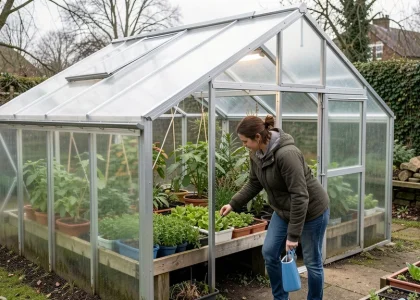
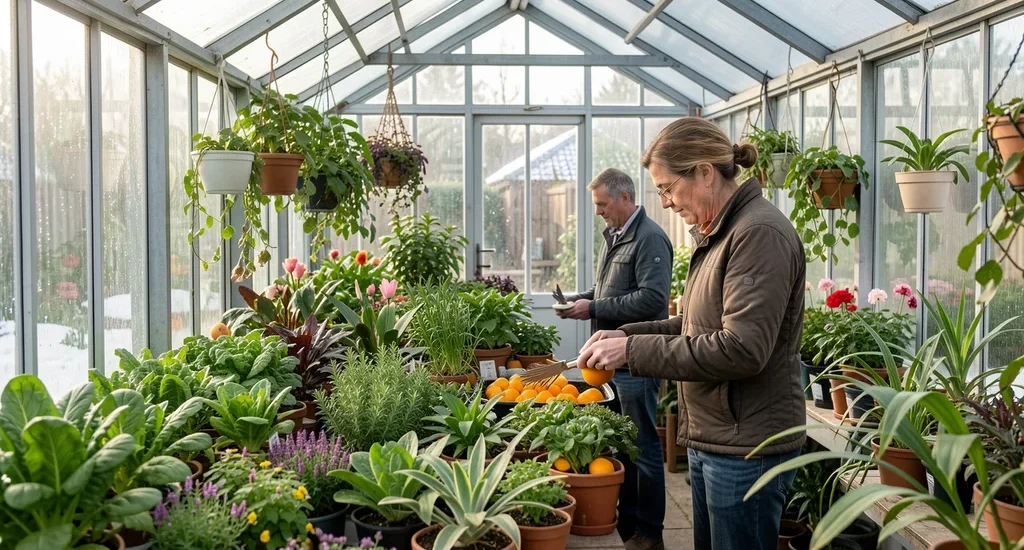
When the frost sets in, a heated greenhouse in winter opens up a world of possibilities for gardeners. You don’t have to let cold weather halt your growing season. With the right setup, you can cultivate fresh produce, vibrant flowers, and even exotic plants year-round.
The key is choosing crops that thrive in controlled warmth while maximizing your space and resources.
A heated greenhouse lets you grow leafy greens, herbs, and even citrus fruits in winter. Focus on cold-sensitive plants that need stable warmth, like tomatoes, peppers, and microgreens, while avoiding frost-hardy crops that don’t justify the energy cost.
Why Winter Greenhouse Gardening Works
Heated greenhouses solve the biggest winter gardening challenge: temperature. Most vegetables and herbs stall or die in freezing conditions, but a heated space maintains the ideal climate for growth. This means you can harvest fresh food even when outdoor gardens lie dormant.
Beyond food production, winter greenhouses offer therapeutic benefits. The act of tending plants during the colder months can boost mental health, and the greenery provides a refreshing contrast to the gray outdoor landscape. Plus, you’re not limited to just vegetables—flowers, herbs, and even tropical plants can flourish.
From an economic standpoint, growing your own produce in winter reduces grocery bills. Organic herbs and salad greens are expensive at the store but inexpensive to grow. A heated greenhouse also allows you to start seedlings early for spring, giving you a head start on the growing season.
- Extended growing season: Grow crops year-round regardless of outdoor conditions
- Higher yields: Controlled environments often produce better results than outdoor gardens
- Pest reduction: Enclosed spaces limit exposure to many common garden pests
- Variety expansion: Grow plants that wouldn’t survive in your local climate
- Early start: Begin seedlings 6-8 weeks before the last frost date
Essential Factors for Winter Greenhouse Success
Before selecting what to grow in a heated greenhouse in winter, ensure your setup meets these critical requirements. Temperature control is paramount—most winter crops need consistent warmth between 60-75°F (15-24°C). Invest in a reliable thermostat and heating system, whether electric, gas, or solar-powered.
Lighting becomes another challenge during shorter winter days. Natural sunlight may not be sufficient, especially in northern climates. Consider supplementing with grow lights.
LED lights are energy-efficient and provide the full spectrum needed for plant growth.
Humidity levels should stay between 40-70% to prevent plant stress or fungal diseases. Ventilation is equally important to prevent stagnant air and ensure proper air circulation. A small fan can help distribute warm air evenly throughout the space.
| Factor | Ideal Range | Purpose |
|---|---|---|
| Temperature | 60-75°F (15-24°C) | Prevents cold stress and promotes growth |
| Humidity | 40-70% | Reduces disease risk and maintains plant health |
| Light | 12-16 hours daily | Supports photosynthesis in low-sunlight months |
| Ventilation | Continuous airflow | Prevents mold and ensures even temperature |
Soil quality shouldn’t be overlooked. Winter crops still need nutrient-rich, well-draining soil. Consider using raised beds or containers for better temperature control at the root level.
Regularly test soil pH and nutrient levels, as plants in confined spaces can quickly deplete available resources.
Warning: Avoid placing heaters too close to plants or flammable materials. Electric heaters should have automatic shut-off features, and all heating systems should be regularly inspected for safety.
Best Vegetables to Grow in a Heated Greenhouse in Winter
Vegetables are the most popular choice for what to grow in a heated greenhouse in winter, offering fresh, homegrown produce when outdoor gardens are bare. The best options are those that either can’t tolerate cold or have a short growing season that fits within winter months.
Leafy Greens
Leafy greens are ideal for winter greenhouse growing because they mature quickly and don’t require intense light. Varieties like spinach, kale, and Swiss chard can be harvested multiple times through cut-and-come-again methods. Lettuce, particularly loose-leaf varieties, grows well in cooler temperatures within the greenhouse (around 60°F).
- Spinach: Cold-tolerant but grows faster with heat, ready in 4-6 weeks
- Kale: Nutrient-dense and can be harvested young for tender leaves
- Lettuce: Butterhead and romaine varieties do especially well
- Arugula: Peppery flavor, quick growth (3-4 weeks to harvest)
- Swiss chard: Colorful stems add visual appeal and grow continuously
Root Vegetables
While many root vegetables are cold-hardy outdoors, growing them in a heated greenhouse allows for faster growth and more tender produce. Radishes are one of the quickest crops, ready in as little as 3-4 weeks. Carrots and beets can also thrive, though they need deeper containers.
These vegetables prefer slightly cooler temperatures within the greenhouse (around 60-65°F).
- Radishes: Fastest growing (25-30 days), great for beginners
- Carrots: Choose shorter varieties for container growing
- Beets: Harvest both roots and greens for dual purposes
- Turnips: Both roots and greens are edible and grow well in cooler greenhouse temps
Fruiting Vegetables
Tomatoes, peppers, and cucumbers are classic greenhouse crops that won’t survive winter outdoors but thrive with heat. These plants require more light and warmth (70-75°F) and longer growing seasons. Dwarf or bush varieties are often better suited for greenhouse spaces.
Pollination can be a challenge in enclosed spaces, so consider self-pollinating varieties or hand-pollinate as needed.
| Vegetable | Ideal Temp | Time to Harvest | Light Needs |
|---|---|---|---|
| Tomatoes | 70-75°F | 60-85 days | High (14-16 hrs) |
| Peppers | 70-80°F | 60-90 days | High (14-16 hrs) |
| Cucumbers | 70-75°F | 50-70 days | High (14-16 hrs) |
| Eggplant | 70-85°F | 70-90 days | High (14-16 hrs) |
Herbs That Thrive in Winter Greenhouses
Herbs are another excellent choice for what to grow in a heated greenhouse in winter, as many can’t survive frost and are expensive to buy fresh. The controlled environment allows you to maintain a steady supply of flavorful additions to your winter meals. Most herbs prefer temperatures between 60-70°F and require good air circulation to prevent fungal diseases.
Basil, while typically a summer herb, can thrive in a heated greenhouse if given enough light. It grows quickly and can be harvested continuously. Parsley and cilantro also do well, though they may need slightly cooler temperatures.
Chives, mint, and oregano are hardy options that can tolerate a wider range of conditions.
Tip: Pinch back herb plants regularly to encourage bushier growth and prevent them from becoming leggy in the lower winter light conditions.
Top Herbs for Winter Greenhouses
- Basil: Needs warm temps (70°F+) and plenty of light; harvest leaves regularly
- Parsley: Biennial that grows well in cooler greenhouse temps (60-65°F)
- Cilantro: Fast-growing but may bolt in high heat; prefers 60-65°F
- Chives: Perennial that tolerates a range of temperatures; cut back to 2 inches after flowering
- Mint: Vigorous grower that can become invasive; best in containers
- Oregano: Drought-tolerant once established; prefers well-drained soil
- Thyme: Slow-growing but long-lasting; great for container growing
- Rosemary: Needs good airflow and slightly drier conditions; can grow into a small shrub
Herb Growing Tips
- Start from cuttings: Many herbs root easily from stem cuttings, giving you identical plants to the parent
- Use well-draining soil: Herbs dislike soggy roots; add perlite or sand to potting mix
- Rotate pots regularly: Ensures even growth as plants reach for light
- Harvest in the morning: Essential oils are most concentrated, giving better flavor
- Avoid overwatering: Herbs prefer slightly dry conditions; water when top inch of soil is dry
Exotic and Specialty Plants for Adventurous Gardeners
A heated greenhouse lets you experiment with plants you’d never be able to grow outdoors in winter. Citrus trees like lemons, limes, and oranges can thrive with proper care. These require bright light, consistent moisture, and temperatures between 65-85°F.
Dwarf varieties are best suited for greenhouse growing.
Tropical plants like birds of paradise, hibiscus, and bougainvillea add stunning color to your winter greenhouse. These plants need high humidity and warm temperatures. Consider adding a small water feature or misting system to maintain the required moisture levels.
For those interested in edible exotics, consider growing passion fruit, which can produce fruit year-round in a heated greenhouse. The vines need strong support and plenty of space to climb. Another option is ginger, which grows well in containers and prefers warm, humid conditions.
| Exotic Plant | Ideal Temperature | Light Requirements | Space Needs |
|---|---|---|---|
| Dwarf Lemon Tree | 65-85°F | Full sun (14-16 hrs) | 15-20 sq ft |
| Passion Fruit | 70-85°F | Full sun (14-16 hrs) | Trellis (6-8 ft) |
| Bird of Paradise | 65-80°F | Bright indirect light | 10-15 sq ft |
| Ginger | 75-85°F | Partial shade | 1-2 sq ft |
Flowers to Brighten Your Winter Greenhouse
Flowers bring color and life to a winter greenhouse while also supporting pollinators if you have any visiting your space. Many annual flowers that can’t survive frost will thrive in a heated greenhouse. Petunias, impatiens, and geraniums are classic choices that bloom profusely with proper care.
These typically need temperatures between 60-75°F and bright light.
For cut flowers, consider growing snapdragons, which come in a variety of colors and heights. They prefer cooler temperatures (60-65°F) and can be grown from seed or cuttings. Another excellent option is orchids, which love the warm, humid conditions of a greenhouse.
While they require more specialized care, the results are stunning.
Begonias offer both beautiful flowers and attractive foliage. They do well in the filtered light conditions often found in winter greenhouses. For a fragrant option, try growing jasmine or gardenias, though these require precise temperature and humidity control to thrive.
- Petunias: Fast-growing annuals with vibrant colors; deadhead for continuous blooms
- Impatiens: Shade-tolerant and prolific bloomers; great for hanging baskets
- Geraniums: Long-lasting blooms; can be overwintered for next season
- Snapdragons: Tall spikes of colorful flowers; excellent for cutting
- Orchids: Exotic and long-lasting blooms; needs high humidity and indirect light
- Begonias: Attractive foliage and flowers; prefers consistently moist soil
- Jasmine: Fragrant climbing vine; needs support and regular pruning
Important: If growing flowers for pollination purposes, ensure your greenhouse has some open ventilation to allow pollinators to enter, or be prepared to hand-pollinate plants.
Microgreens and Sprouts for Quick Harvests
For gardeners who want fast results, microgreens and sprouts are perfect for what to grow in a heated greenhouse in winter. These can be ready to harvest in as little as 1-3 weeks, providing fresh, nutrient-dense greens year-round. They require minimal space and can be grown on shelves or countertops within your greenhouse.
Microgreens are young vegetable greens harvested just after the first true leaves have developed. Popular varieties include radish, broccoli, kale, and sunflower. They need bright light and consistent moisture but can tolerate a range of temperatures.
Sprouts, on the other hand, are germinated seeds eaten whole and can be grown without soil in jars or special sprouting trays.
The nutritional benefits of microgreens and sprouts are significant. According to a study published in the Journal of Agricultural and Food Chemistry, microgreens can contain up to 40 times more vitamins and antioxidants than their mature counterparts. They’re also an excellent way to use up leftover seeds from your summer garden.
| Type | Varieties | Time to Harvest | Key Benefits |
|---|---|---|---|
| Microgreens | Radish, broccoli, kale, sunflower, pea shoot | 7-14 days | High in vitamins, antioxidants, intense flavor |
| Sprouts | Alfalfa, mung bean, lentil, chickpea, radish | 3-7 days | Easy to grow, no soil needed, digestible |
Getting Started with Microgreens
- Select seeds: Choose organic, untreated seeds specifically labeled for microgreen production
- Prepare trays: Use shallow trays with drainage holes; fill with 1-2 inches of potting soil
- Sow densely: Spread seeds evenly and press lightly into soil; no need to cover with soil
- Water gently: Mist with water or use a spray bottle to avoid disturbing seeds
- Provide light: Place under grow lights or in a bright window; 12-16 hours daily
- Maintain moisture: Keep soil consistently moist but not waterlogged
- Harvest: Cut just above soil level when first true leaves appear (usually 1-2 inches tall)
Common Mistakes to Avoid in Winter Greenhouses
Even with the best intentions, many gardeners make avoidable mistakes when growing in a heated greenhouse in winter. One of the most common is inconsistent temperature control. Fluctuations in temperature can stress plants, slow growth, or even cause crop failure.
Invest in a good quality thermostat and monitor temperatures regularly.
Overcrowding is another frequent issue. It’s tempting to fill every inch of space, but plants need room for proper air circulation. Crowded plants are more susceptible to diseases and pests.
Follow spacing recommendations and be realistic about how many plants your greenhouse can accommodate.
Neglecting pollination is a critical oversight when growing fruiting plants. In the absence of natural pollinators, many greenhouse gardeners forget to hand-pollinate. This is essential for crops like tomatoes, cucumbers, and peppers to set fruit.
Use a small paintbrush or cotton swab to transfer pollen between flowers.
- Inadequate lighting: Assuming natural light is sufficient in winter; supplement with grow lights
- Poor ventilation: Sealing the greenhouse too tightly leads to humidity buildup and disease
- Inconsistent watering: Over or under-watering due to changes in evaporation rates in heated spaces
- Ignoring pests: Assuming greenhouses are pest-free; they can still attract spider mites, aphids, and whiteflies
- Skipping soil testing: Not monitoring soil pH and nutrients, leading to deficiencies or toxicities
- Improper plant selection: Choosing plants that are too large for the space or have incompatible growing requirements
Warning: Heating systems can create dry air conditions. Monitor humidity levels and consider using a humidifier if levels drop below 40%, especially for tropical plants.
Frequently Asked Questions
What temperature should a heated greenhouse be in winter?
Most winter greenhouse crops thrive at temperatures between 60-75°F (15-24°C) during the day. Leafy greens and herbs prefer the cooler end of this range (60-65°F), while fruiting plants like tomatoes and peppers need warmer temperatures (70-75°F). Night temperatures can drop slightly but should generally stay above 50°F (10°C) for most crops.
Can I grow citrus trees in a winter greenhouse?
Yes, dwarf varieties of citrus trees like lemons, limes, and oranges can thrive in a heated greenhouse. They require bright light (14-16 hours daily), consistent moisture, and temperatures between 65-85°F. Citrus trees also need good air circulation and may require hand-pollination to produce fruit.
How much does it cost to heat a greenhouse in winter?
The cost varies significantly based on greenhouse size, insulation, local climate, and heating method. According to the University of Nebraska-Lincoln Extension, heating a small hobby greenhouse (10×12 ft) can cost between $50-$200 per month in colder climates using electric heaters. Gas heaters may be more cost-effective for larger greenhouses, while solar heating can reduce costs but requires a larger initial investment.
What are the easiest plants to grow in a winter greenhouse?
Leafy greens like spinach, lettuce, and arugula are among the easiest, as they grow quickly and tolerate a range of conditions. Herbs such as chives, parsley, and mint are also low-maintenance options. Microgreens and sprouts offer the fastest results, often ready to harvest in 1-2 weeks.
For beginners, these plants provide quick successes to build confidence.
Do I need special lights for my winter greenhouse?
In most cases, yes. Winter days are shorter and often cloudy, providing insufficient light for many plants. LED grow lights are the most energy-efficient option and can be tailored to provide the specific light spectrum plants need.
Aim for 12-16 hours of light daily for most crops. Leafy greens can manage with slightly less light, while fruiting plants typically need the full 14-16 hours.
Final Thoughts
A heated greenhouse transforms winter from a dormant season into a time of vibrant growth and harvest. From fresh vegetables and herbs to exotic fruits and colorful flowers, the possibilities for what to grow in a heated greenhouse in winter are nearly endless. The key is selecting plants that match your greenhouse conditions and your gardening goals.
Start with easier crops like leafy greens and herbs to build your confidence, then experiment with more challenging plants as you gain experience.