Last Updated on October 23, 2026 by D. Ruddy
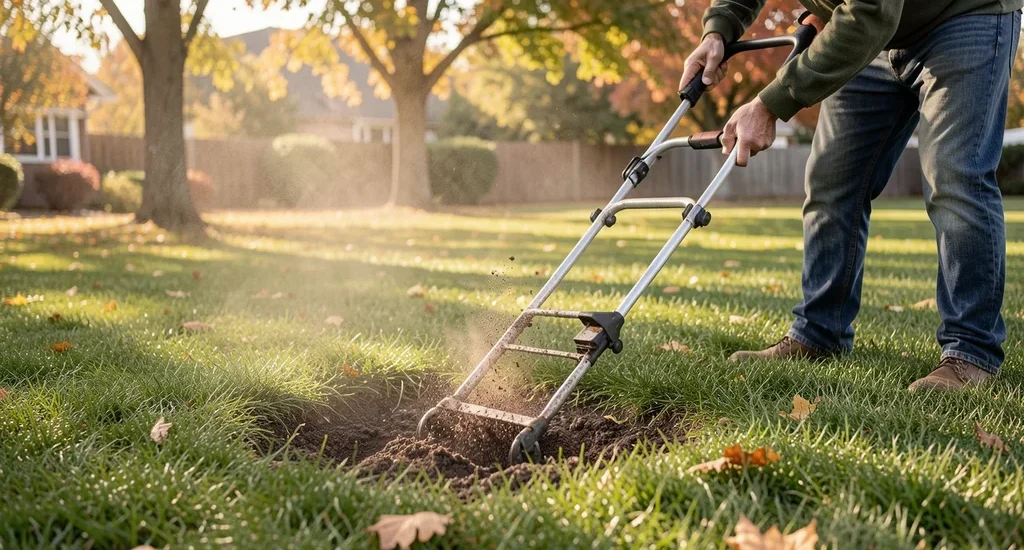
A healthy, vibrant lawn starts with proper timing, and knowing when should fall lawn aeration be done in central Ohio can make all the difference. Aeration helps relieve soil compaction, allowing water, nutrients, and oxygen to reach the roots. In central Ohio, the ideal window for fall aeration aligns with the grass’s natural growth cycle, ensuring maximum effectiveness.
This guide covers the best timing, signs your lawn needs aeration, and steps to do it right.
The best time for fall lawn aeration in central Ohio is early to mid-fall, typically late August through early October. This period allows cool-season grasses like Kentucky bluegrass and tall fescue to recover before winter dormancy.
Why Fall Aeration Works Best in Central Ohio
Fall aeration in central Ohio aligns with the natural growth cycle of cool-season grasses, which thrive in cooler temperatures. The soil remains warm enough to promote root growth, while the air is cool, reducing stress on the grass. This combination allows your lawn to recover quickly and develop a stronger root system before winter.
Additionally, fall aeration helps address summer compaction from foot traffic, drought stress, or heavy rainfall. It also prepares your lawn for overseeding, as the aeration holes create perfect pockets for new grass seeds to establish. According to the Ohio State University Extension, fall is the optimal time for lawn renovation in the region.
- Cooler temperatures reduce heat stress on grass
- Warm soil encourages deep root growth
- Reduced weed competition compared to spring
- Ideal for overseeding to fill bare spots
- Faster recovery before winter dormancy
Tip: Aerate when the soil is slightly moist but not waterlogged. This makes it easier to pull cores and ensures better results.
Signs Your Central Ohio Lawn Needs Aeration
Not every lawn needs aeration every year, but certain signs indicate it’s time to aerate. If your lawn has heavy foot traffic, clay soil, or a thick thatch layer, aeration can significantly improve its health. Here’s how to tell if your central Ohio lawn needs attention:
Walk across your lawn and check for signs of compaction. If the grass feels spongy or water pools on the surface, the soil may be too compacted for proper drainage. Another test is to dig a small hole—if the roots are shallow (less than 2-3 inches deep), aeration can help encourage deeper growth.
- Thin or patchy grass despite regular care
- Water pooling on the surface after rain
- Hard, compacted soil that resists a screwdriver or garden fork
- Excessive thatch (more than ½ inch thick)
- Weeds or moss taking over weak areas
- Grass that dries out quickly in hot weather
- Poor response to fertilization or watering
| Sign | What It Means | Solution |
|---|---|---|
| Thin or patchy grass | Poor root development due to compaction | Aerate and overseed |
| Water pooling | Soil compaction prevents drainage | Core aeration to improve drainage |
| Hard, compacted soil | Roots can’t penetrate deeply | Aerate and top-dress with compost |
| Excessive thatch | Organic layer blocks water and nutrients | Aerate to break up thatch |
If you notice 3 or more of these signs, it’s time to schedule aeration for your central Ohio lawn.
Best Grass Types for Fall Aeration in Central Ohio
Central Ohio’s climate is ideal for cool-season grasses, which benefit the most from fall aeration. The most common types in the region include Kentucky bluegrass, tall fescue, fine fescue, and perennial ryegrass. Each has unique characteristics that respond well to aeration during the fall growing season.
Kentucky bluegrass, for example, spreads via rhizomes and forms a dense turf, but it can develop thatch over time. Aeration helps break up thatch and encourages new growth. Tall fescue, on the other hand, has deep roots but can suffer from compaction in high-traffic areas.
Fall aeration helps both types recover and thicken before winter.
| Grass Type | Aeration Benefits | Best Fall Timing |
|---|---|---|
| Kentucky Bluegrass | Reduces thatch, encourages spreading | Late August to early October |
| Tall Fescue | Relieves compaction, improves root growth | Early September to mid-October |
| Fine Fescue | Enhances drought tolerance, reduces soil compaction | Late August to early October |
| Perennial Ryegrass | Boosts germination for overseeding, improves density | Early to mid-September |
According to the Turfgrass Science Program at Ohio State, aerating these grasses in fall leads to a 20-30% improvement in root depth and density compared to spring aeration.
How to Aerate Your Central Ohio Lawn in Fall
Aerating your lawn may seem daunting, but with the right approach, it’s a straightforward process. The key is to use the correct equipment and follow best practices for central Ohio’s soil and grass types. Here’s a step-by-step guide to ensure you get the best results.
First, choose the right type of aerator. Core aerators, which remove small plugs of soil, are the most effective for central Ohio lawns. Spike aerators, which simply poke holes, can actually increase compaction in clay soils.
Rent a core aerator from a local hardware store or hire a professional if you’re not comfortable doing it yourself.
- Prepare Your Lawn
Mow your lawn slightly shorter than usual (about 2 inches) to make aeration easier. Water the lawn thoroughly 1-2 days before aerating to soften the soil. Avoid aerating when the soil is too dry or waterlogged.
- Choose the Right Aerator
Use a core aerator with hollow tines that remove soil plugs. For central Ohio’s clay soils, a machine with ½-inch to ¾-inch diameter tines works best. Make sure the tines penetrate at least 2-3 inches deep.
- Aerate in the Right Pattern
Run the aerator over the lawn in two perpendicular passes to ensure even coverage. Focus on high-traffic areas and spots with visible compaction. Leave the soil plugs on the lawn—they’ll break down naturally and return nutrients to the soil.
- Overseed Immediately After
Fall is the perfect time to overseed. After aerating, spread grass seed over the lawn, focusing on bare or thin spots. The aeration holes provide ideal seed-to-soil contact, improving germination rates.
- Apply Fertilizer and Water
After overseeding, apply a starter fertilizer to give new grass a boost. Water the lawn lightly twice a day for the first week to keep the soil moist. Gradually reduce watering as the new grass establishes.
Warning: Avoid aerating during extreme drought or heatwaves, as this can stress the grass further. Central Ohio’s fall weather is usually ideal, but always check the forecast.
Post-Aeration Care for Central Ohio Lawns
Proper post-aeration care is crucial to help your lawn recover and maximize the benefits of the process. In central Ohio, the weeks following aeration are when your grass will establish stronger roots and fill in bare spots. Here’s how to ensure the best results.
After aeration, your lawn will need consistent moisture to help the roots recover and new seeds germinate. Water deeply but infrequently—about 1 inch per week, including rainfall. This encourages deep root growth, which is especially important for central Ohio’s clay soils that tend to dry out quickly.
- Watering Schedule
- Days 1-7: Light watering twice daily (morning and evening) to keep soil moist
- Days 8-14: Reduce to once daily, deeper watering
- After 2 weeks: Water 2-3 times per week, ½ inch per session
- Fertilization
- Apply a balanced fertilizer (e.g., 10-10-10) 4-6 weeks after aeration
- Use a slow-release fertilizer for long-term feeding
- Avoid high-nitrogen fertilizers late in the fall, as they can promote top growth at the expense of roots
- Mowing
- Wait until new grass reaches 3-4 inches before mowing
- Set mower height to 2.5-3 inches for cool-season grasses
- Never remove more than ⅓ of the grass blade length at once
- Weed Control
- Avoid herbicides for at least 4-6 weeks after overseeding
- Hand-pull weeds as needed to avoid damaging new grass
- Apply pre-emergent herbicides in early spring if weeds are a persistent issue
Important: Avoid heavy foot traffic on your lawn for at least 2 weeks after aeration and overseeding. This gives the new grass time to establish without being damaged.
Common Mistakes to Avoid During Fall Aeration
Even with the best intentions, homeowners in central Ohio often make mistakes that reduce the effectiveness of fall aeration. Being aware of these pitfalls can help you achieve better results and avoid wasting time and effort.
One of the most common mistakes is aerating at the wrong time. Aerating too early in the summer can stress the grass, while doing it too late in the fall may not give the lawn enough time to recover before winter. Another mistake is using the wrong equipment—spike aerators, for example, can make compaction worse in clay soils.
- Aerating Too Early or Too Late
Aerating in the heat of summer can damage your lawn, while waiting until late fall may not allow enough time for recovery. Stick to the late August to early October window for central Ohio.
- Using a Spike Aerator
Spike aerators simply poke holes in the soil, which can increase compaction around the holes. Always use a core aerator that removes soil plugs.
- Skipping Overseeding
Fall aeration is the perfect opportunity to overseed. Skipping this step means missing out on one of the biggest benefits of aeration—thickening your lawn.
- Not Watering Properly After Aeration
New grass seeds need consistent moisture to germinate. Failing to water properly can result in poor seed establishment and wasted effort.
- Aerating When Soil Is Too Dry or Wet
Aerating dry, hard soil can damage the aerator and make it difficult to pull cores. Aerating waterlogged soil can create a mess and compact the soil further.
- Ignoring Soil pH and Nutrient Levels
Before aerating, test your soil’s pH and nutrient levels. If your soil is too acidic or lacking essential nutrients, aeration alone won’t solve the problem. Adjust pH and fertilize as needed.
Tools and Equipment for Fall Lawn Aeration
Having the right tools and equipment can make the aeration process much easier and more effective. Whether you choose to DIY or hire a professional, understanding the options available will help you make the best decision for your central Ohio lawn.
For small lawns, a manual core aerator may be sufficient. These are inexpensive and easy to use, but they require more physical effort. For larger lawns, a powered core aerator is a better choice.
These machines are available for rent at most hardware stores and home improvement centers in central Ohio.
| Tool/Equipment | Best For | Cost | Where to Get |
|---|---|---|---|
| Manual Core Aerator | Small lawns, DIY enthusiasts | $50 – $150 | Hardware stores, online |
| Powered Core Aerator (Rental) | Medium to large lawns | $60 – $100/day | Home Depot, Lowe’s, local rental centers |
| Tow-Behind Aerator | Very large lawns, commercial use | $1,000+ | Farm supply stores, online |
| Overseeder | Combining aeration and seeding | $100 – $300 | Hardware stores, online |
| Soil Test Kit | Checking pH and nutrient levels | $10 – $30 | Garden centers, online |
For those who prefer to leave it to the professionals, many lawn care companies in central Ohio offer aeration services. Prices typically range from $75 to $200, depending on lawn size and additional services like overseeding.
Frequently Asked Questions
How often should I aerate my lawn in central Ohio?
For most central Ohio lawns, aerating once a year in the fall is sufficient. However, if your lawn has heavy foot traffic, clay soil, or persistent compaction issues, you may benefit from aerating twice a year—once in early fall and once in early spring.
Can I aerate my lawn myself, or should I hire a professional?
You can absolutely aerate your lawn yourself, especially if you have a small to medium-sized yard. Renting a core aerator from a local hardware store is a cost-effective option. However, if you have a large lawn or prefer to save time, hiring a professional lawn care service is a great choice.
What’s the difference between core aeration and spike aeration?
Core aeration removes small plugs of soil from your lawn, creating channels for air, water, and nutrients to reach the roots. Spike aeration simply pokes holes in the soil, which can actually increase compaction in clay soils. Core aeration is far more effective for central Ohio lawns.
Should I fertilize my lawn after aeration?
Yes, fertilizing after aeration is highly recommended. The holes created by aeration allow fertilizer to penetrate deeper into the soil, where it can be absorbed by the roots. Use a balanced, slow-release fertilizer to promote healthy growth without overstimulating top growth.
How long does it take for my lawn to recover after aeration?
Most central Ohio lawns recover within 2-4 weeks after aeration, depending on grass type, weather conditions, and post-aeration care. Cool-season grasses like Kentucky bluegrass and tall fescue typically bounce back quickly in the fall. Proper watering, fertilization, and avoiding heavy foot traffic will speed up recovery.
Final Thoughts
Timing is everything when it comes to fall lawn aeration in central Ohio. By aerating in late August through early October, you give your lawn the best chance to recover, strengthen its roots, and prepare for winter. Pair aeration with overseeding and proper post-care, and you’ll see a thicker, healthier lawn next spring.
Don’t wait until it’s too late—mark your calendar and give your lawn the attention it deserves this fall.