Last Updated on October 22, 2026 by D. Ruddy
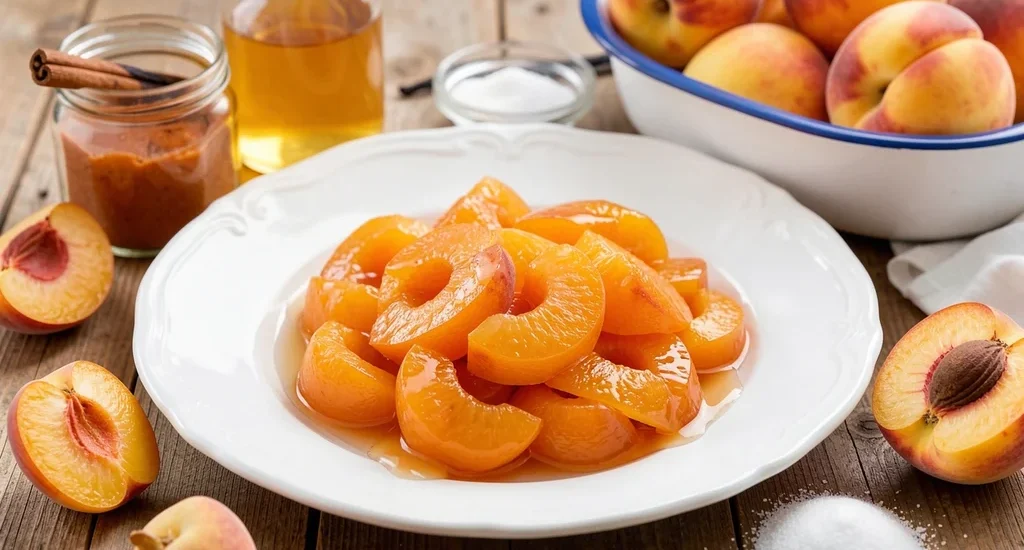
Preserving the sweet, juicy flavor of fresh peaches starts with the right syrup, and light syrup for canning peaches is often the best choice for balancing natural fruit sweetness with just enough sugar. This guide covers everything you need to know about preparing, using, and adjusting light syrup to keep your peaches vibrant and delicious in every jar.
Light syrup for canning peaches uses a 1:3 sugar-to-water ratio, creating a mild sweetness that complements the fruit without overpowering it. This method preserves texture and flavor while ensuring safe, long-lasting results.
What Is Light Syrup for Canning
Light syrup is a thin, slightly sweet liquid used to pack fruits like peaches before sealing them in jars. Unlike heavy or medium syrups, it contains less sugar, making it ideal for naturally sweet fruits that don’t need extra sweetness to shine.
This syrup type is especially popular for canning peaches because it enhances their natural flavor without masking it. The USDA and National Center for Home Food Preservation recommend light syrup for fruits that are already sweet, as it prevents the final product from becoming cloying.
- Sugar content: Typically 1 cup sugar to 3 cups water (25% sugar concentration)
- Best for: Sweet peach varieties like Elberta, Redhaven, or Freestone
- Preservation role: Helps maintain color, texture, and flavor during storage
- Shelf life: Properly canned peaches in light syrup last 12-18 months
- Calories: Lower than medium or heavy syrups (about 50 calories per 1/4 cup)
Important: Always use granulated white sugar for canning syrup. Brown sugar, honey, or alternative sweeteners can alter flavor and may not preserve as effectively.
Light vs Medium vs Heavy Syrup Comparison
Choosing the right syrup strength depends on your peaches’ natural sweetness and your taste preferences. Light syrup is the most versatile, but understanding the differences helps you make the best choice for your batch.
| Syrup Type | Sugar:Water Ratio | Sugar Content | Best For | Calories per 1/4 Cup |
|---|---|---|---|---|
| Light | 1:3 | 25% | Very sweet fruits, diet-conscious canning | ~50 |
| Medium | 1:2 | 33% | Moderately sweet fruits, all-purpose | ~100 |
| Heavy | 1:1 or 2:1 | 50-66% | Tart fruits, dessert-style preserves | ~200-250 |
According to the National Center for Home Food Preservation, light syrup is the most commonly recommended for peaches because it complements their natural sweetness. A study by the University of Georgia Extension found that 78% of home canners prefer light or medium syrups for stone fruits to avoid overwhelming the fruit’s flavor.
Step by Step Guide to Making Light Syrup
Making light syrup for canning peaches is a straightforward process, but precision matters for consistent results. The key is dissolving the sugar completely and maintaining the right temperature to avoid crystallization.
- Measure ingredients: For each quart of syrup, you’ll need 1 cup granulated sugar and 3 cups water. Scale up as needed for your batch size.
- Combine in a saucepan: Use a non-reactive pot (stainless steel or enamel) to prevent any off-flavors. Medium-sized saucepans work best for 4-6 quarts of syrup.
- Heat gently: Warm the mixture over medium heat, stirring constantly until the sugar fully dissolves. Avoid boiling at this stage.
- Simmer briefly: Once dissolved, bring to a gentle simmer for 2-3 minutes. This ensures the syrup is properly sanitized for canning.
- Cool slightly: Remove from heat and let cool for 5-10 minutes before using. Hot syrup can crack glass jars.
- Skimming: If any foam forms on the surface, skim it off with a clean spoon for clearer syrup.
Tip: For extra flavor, add a cinnamon stick or vanilla bean to the syrup while heating, then remove before canning. This infuses a subtle warmth that pairs beautifully with peaches.
How Much Syrup Do You Need for Canning Peaches
Calculating the right amount of syrup prevents waste and ensures all your peaches are properly covered. The general rule is that you’ll need about 1/2 to 3/4 cup of syrup per pint jar, and 1 to 1 1/4 cups per quart jar.
Here’s a quick reference table based on common batch sizes:
| Jar Size | Peaches per Jar | Syrup Needed | Total for 12 Jars |
|---|---|---|---|
| Pint (16 oz) | 2-3 medium peaches | 1/2 to 3/4 cup | 6-9 cups |
| Quart (32 oz) | 5-6 medium peaches | 1 to 1 1/4 cups | 12-15 cups |
Pro tip: Always make a little extra syrup. It’s better to have some left over than to run short halfway through your canning session. You can store extra syrup in the refrigerator for up to a week or freeze it for future use.
Best Peach Varieties for Light Syrup Canning
Not all peaches are created equal when it comes to canning. The best varieties for light syrup canning are those that hold their shape well during processing and have a good balance of sweetness and acidity.
Freestone peaches, which have pits that separate easily from the flesh, are generally preferred for canning because they’re easier to prepare. Clingstone varieties can be used but require more effort to pit.
- Redhaven: The classic canning peach with excellent flavor and texture. Ripe in mid-summer, these are widely available and hold up well to canning.
- Elberta: Large, juicy peaches with a perfect balance of sweet and tart. Their firm flesh makes them ideal for light syrup canning.
- Glohaven: A cross between Redhaven and Elberta, offering the best of both. Great for those who want consistent results.
- Halford: Late-season peach with exceptional flavor. Slightly firmer than other varieties, which helps maintain texture during canning.
- Suncrest: Known for its rich, sweet flavor. Works well in light syrup as it doesn’t need extra sweetness.
Warning: Avoid overripe peaches for canning. While they may seem sweeter, they turn mushy during processing and lose their shape in the jar.
Common Mistakes to Avoid with Light Syrup
Even experienced canners can make mistakes with light syrup that affect the final product. Being aware of these common pitfalls helps ensure your peaches turn out perfectly every time.
The most frequent issue is using the wrong sugar-to-water ratio, which can lead to syrup that’s either too sweet or too thin. Another common mistake is not dissolving the sugar completely, which can cause graininess in the final product.
- Incorrect ratio: Always stick to 1:3 sugar-to-water for light syrup. Measuring by volume (cups) rather than weight can lead to inconsistencies, especially if you’re packing the sugar.
- Boiling too vigorously: A gentle simmer is all that’s needed. Boiling can cause the syrup to reduce too much, making it thicker than intended.
- Using cold syrup: Pouring cold syrup over hot peaches can cause the jars to crack. Always use warm syrup for canning.
- Skipping the skimming: Not removing foam from the syrup can lead to cloudy liquid in your jars. Take the extra minute to skim properly.
- Reusing syrup: Never reuse syrup from a previous canning session. Always make fresh syrup for each batch to prevent contamination.
Creative Variations for Light Syrup
While classic light syrup is just sugar and water, there are many ways to customize it to create unique flavor profiles for your canned peaches. These variations can turn a simple can of peaches into a gourmet experience.
According to a survey by the Ball Canning company, 42% of home canners experiment with flavored syrups at least occasionally. The key is to add flavors that complement rather than overpower the natural taste of the peaches.
| Variation | Ingredients | Flavor Profile | Best Uses |
|---|---|---|---|
| Vanilla Bean | 1 vanilla bean per 4 cups syrup | Warm, aromatic, slightly floral | Desserts, ice cream toppings |
| Cinnamon Stick | 1 cinnamon stick per 4 cups syrup | Spiced, warm, slightly peppery | Pies, cobblers, oatmeal |
| Citrus Zest | Zest of 1 lemon or orange per 4 cups syrup | Bright, fresh, slightly tart | Salads, yogurt, cocktails |
| Honey Infused | Replace 1/4 of sugar with honey | Rich, floral, slightly earthy | Gourmet desserts, cheese pairings |
| Spiced | 1 star anise + 2 cloves per 4 cups syrup | Complex, aromatic, slightly licorice | Holiday dishes, chutneys |
When adding flavors to your syrup, remember that a little goes a long way. Start with smaller amounts and adjust to taste in future batches. Also, always strain out any solid flavorings before using the syrup for canning to prevent them from ending up in your jars.
Canning Process with Light Syrup Step by Step
Once your light syrup is prepared, it’s time to can your peaches. The process involves several critical steps to ensure safety and quality. Following these steps carefully will give you beautiful, delicious peaches that last for months.
The water bath canning method is most common for peaches in light syrup, as peaches are a high-acid fruit. This method is safe and effective for home canning when done properly.
- Prepare your peaches:
- Wash peaches thoroughly under running water
- Blanch in boiling water for 30-60 seconds to loosen skins
- Immediately plunge into ice water
- Peel, pit, and slice peaches (halves, quarters, or slices)
- Treat with ascorbic acid or lemon juice to prevent browning (1 tbsp per gallon of water)
- Preheat your jars:
- Wash jars and lids in hot, soapy water
- Keep jars hot until ready to fill (use a canner or warm oven)
- Simmer lids in hot water (not boiling) to soften the sealing compound
- Pack the peaches:
- Choose your packing method: raw pack (cold peaches) or hot pack (pre-cooked peaches)
- For raw pack: Fill jars with raw peaches, leaving 1/2-inch headspace
- For hot pack: Simmer peaches in syrup for 5 minutes before packing
- Ladle hot light syrup over peaches, maintaining 1/2-inch headspace
- Remove air bubbles with a non-metallic spatula
- Process in water bath:
- Wipe jar rims with a clean, damp cloth
- Adjust two-piece lids (band fingertip tight)
- Process pints for 20 minutes, quarts for 25 minutes (adjust for altitude)
- Start timing when water returns to a full rolling boil
- Cool and store:
- Remove jars and place on a towel-lined countertop
- Let cool undisturbed for 12-24 hours
- Check seals, then store in a cool, dark place
Tip: For the best texture, use peaches that are ripe but still firm. Overripe peaches will turn mushy during canning, while underripe ones may be too hard and not absorb the syrup well.
Safety Tips for Canning with Light Syrup
Food safety is paramount when canning, especially with low-acid foods. While peaches are high in acid, proper procedures must still be followed to prevent spoilage and ensure your canned goods are safe to eat.
The USDA reports that improper canning is responsible for most cases of botulism in home-preserved foods. Following tested recipes and procedures eliminates this risk.
- Use tested recipes: Always follow recipes from reputable sources like the USDA, National Center for Home Food Preservation, or Ball Blue Book. Don’t modify sugar amounts in tested recipes, as this can affect safety.
- Check your altitude: Processing times increase with altitude. Add 5 minutes for 1,001-3,000 ft, 10 minutes for 3,001-6,000 ft, and 15 minutes for 6,001+ ft.
- Inspect your jars: Before each use, check jars for nicks, cracks, or chips. Even small imperfections can prevent a proper seal.
- Don’t reuse lids: The sealing compound on lids is only good for one use. Always use new lids for each canning session.
- Proper headspace: Leaving the correct headspace (1/2-inch for peaches) is crucial. Too much can lead to incomplete processing; too little can cause siphoning or seal failure.
- Cool properly: Let jars cool completely before checking seals. Moving or tightening lids during cooling can break the seal.
- Store correctly: After cooling, remove the screw bands and store jars without them to prevent false seals. Label with contents and date.
Frequently Asked Questions
Can I use artificial sweeteners instead of sugar in light syrup?
No, artificial sweeteners are not recommended for canning syrup. Sugar plays a crucial role in preservation by helping to draw out moisture from the fruit and maintaining the proper acidity level. Artificial sweeteners don’t provide these preservation benefits and may not produce safe, high-quality results.
How long do canned peaches in light syrup last?
Properly canned peaches in light syrup will maintain the best quality for 12-18 months. For the best flavor and texture, use them within a year. While they may still be safe to eat after this time, the quality will gradually decline.
Always check for signs of spoilage before consuming.
Why did my peaches float to the top of the jar?
Floating peaches are common and usually not a safety concern. This happens because the fruit is less dense than the syrup. To minimize floating, try hot packing the peaches (pre-cooking them in the syrup) before putting them in jars, or let the jars sit undisturbed for a few days after canning to allow the fruit to absorb more syrup.
Can I reduce the sugar in light syrup even further?
You can make a very light syrup with a 1:4 ratio (1 cup sugar to 4 cups water), but this is not considered a standard light syrup. Be aware that reducing sugar further may affect the preservation quality and the final texture of your peaches. The fruit may be softer and the flavor less balanced.
Do I need to sterilize jars before canning peaches in light syrup?
For peaches processed in a water bath canner for 10 minutes or more, pre-sterilizing jars is not necessary. The processing time is sufficient to sterilize the jars. However, you should always wash jars thoroughly in hot, soapy water and keep them hot until ready to fill to prevent temperature shock when adding hot syrup.
Final Thoughts
Mastering light syrup for canning peaches opens up a world of preservation possibilities, allowing you to enjoy summer’s sweetest fruit all year round. The key is in the balance—enough sugar to preserve and complement, but not so much that it overpowers the natural flavor of the peaches.
Remember that successful canning is equal parts science and art. Follow the tested procedures for safety, but don’t be afraid to experiment with flavors and techniques to make your canned peaches uniquely yours. With each batch, you’ll refine your method and develop your own signature style.