Last Updated on October 23, 2026 by D. Ruddy
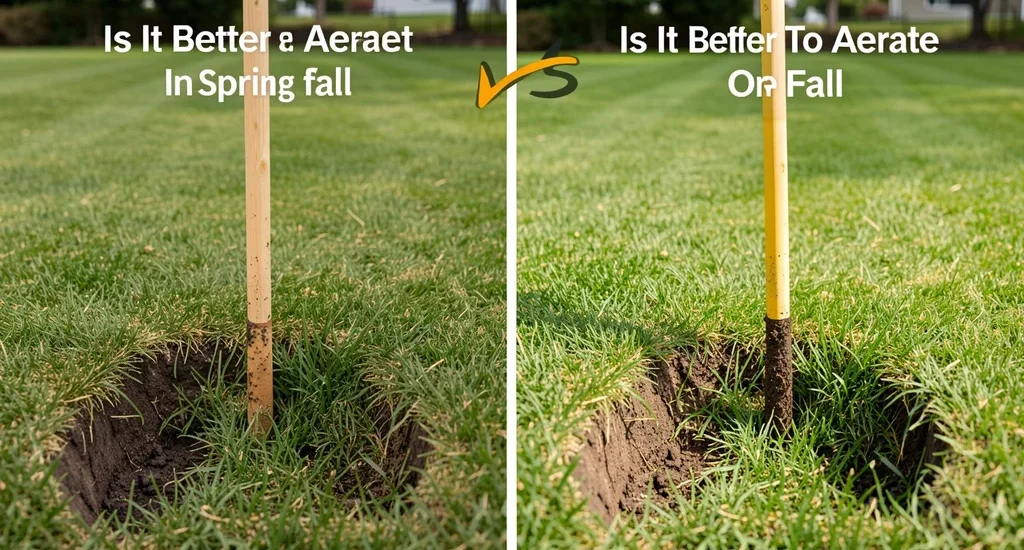
If your lawn looks compacted or water pools on the surface, is it better to aerate lawn in spring or fall becomes a critical question for healthy grass. This post compares both seasons, examining soil conditions, grass types, and recovery times to help you decide the optimal timing. Aeration at the right time can dramatically improve root growth and nutrient absorption.
Fall is generally the best time to aerate lawns for most grass types. The cooler temperatures and consistent moisture help grass recover quickly while weeds are less aggressive. Spring aeration works for warm-season grasses but may encourage more weeds.
Why Timing Matters for Lawn Aeration
Aeration creates small holes in your lawn to relieve soil compaction, allowing air, water, and nutrients to reach the roots. The timing of this process significantly impacts its effectiveness. Grass needs time to recover after aeration, and the season you choose determines how well it can do that.
Spring aeration can be beneficial for warm-season grasses like Bermuda or Zoysia, as they enter their active growth phase. However, it may also promote weed growth, as weed seeds can take advantage of the disturbed soil. Fall aeration, on the other hand, aligns with the natural growth cycle of cool-season grasses like Kentucky Bluegrass and Fescue.
- Spring Pros: Ideal for warm-season grasses, soil is soft and easy to penetrate
- Spring Cons: Higher weed competition, potential for rapid weed growth
- Fall Pros: Cool temperatures reduce stress on grass, fewer weeds
- Fall Cons: Less effective for warm-season grasses entering dormancy
Best Grass Types for Spring Aeration
Warm-season grasses thrive when aerated in late spring to early summer. These grasses enter their peak growth period during this time, allowing them to recover quickly from the aeration process.
Bermuda grass, Centipede grass, Zoysia grass, and St. Augustine grass respond well to spring aeration. The warmer soil temperatures encourage rapid root growth, helping the lawn fill in the holes left by aeration.
| Grass Type | Best Aeration Time | Growth Season |
|---|---|---|
| Bermuda | Late Spring | Warm |
| Zoysia | Late Spring | Warm |
| Centipede | Late Spring | Warm |
| St. Augustine | Late Spring | Warm |
According to the University of Georgia Extension, warm-season grasses should be aerated when they are actively growing, typically between late spring and early summer. This timing allows the grass to recover quickly and take full advantage of the aeration benefits.
Tip: For warm-season grasses, aerate 4-6 weeks after the last frost when soil temperatures consistently reach 65°F.
Best Grass Types for Fall Aeration
Cool-season grasses benefit most from fall aeration. The cooler temperatures and increased moisture create ideal conditions for recovery. Kentucky Bluegrass, Fescue, and Ryegrass respond exceptionally well to fall aeration.
Fall aeration allows these grasses to develop stronger root systems before winter dormancy. The process also helps with overseeding, as the holes created by aeration provide perfect spots for new seed to soil contact.
| Grass Type | Best Aeration Time | Growth Season |
|---|---|---|
| Kentucky Bluegrass | Early Fall | Cool |
| Tall Fescue | Early Fall | Cool |
| Perennial Ryegrass | Early Fall | Cool |
| Fine Fescue | Early Fall | Cool |
The Michigan State University Extension recommends aerating cool-season lawns in early fall, about 4-6 weeks before the first expected frost. This timing allows for optimal recovery and root development before winter.
Important: Fall aeration should be completed at least 4 weeks before the first frost to allow sufficient recovery time.
Soil Conditions for Optimal Aeration
The condition of your soil plays a crucial role in determining the best time for aeration. Soil that is too dry or too wet can make aeration difficult and less effective.
Spring aeration works best when the soil has had time to warm up but isn’t yet too dry. The ideal soil moisture for aeration is slightly damp – not muddy, but not bone dry either. In many regions, this occurs in late spring after the last frost has passed.
Fall aeration benefits from the typically more consistent moisture levels. The cooler temperatures also mean the soil retains moisture better, making it easier to achieve the right consistency for aeration.
- Spring Soil Prep: Wait until after the last frost when soil temperatures reach at least 55°F
- Fall Soil Prep: Aerate when soil is slightly moist, typically after a light rain or watering
- Soil Test: Perform a soil test before aeration to check for compaction and pH levels
- Pre-Watering: Water the lawn 1-2 days before aeration to ensure proper soil moisture
- Post-Aeration: Keep the lawn well-watered for 2-3 weeks after aeration
Aeration Equipment and Methods
The type of equipment you use can influence your aeration timing decision. Core aerators, which remove small plugs of soil, are generally more effective than spike aerators, which simply poke holes in the ground.
Core aeration is particularly beneficial in fall for cool-season grasses. The removed soil plugs break down over time, returning nutrients to the lawn. Spike aeration can be used in spring for warm-season grasses, but it may not provide as thorough a treatment.
| Equipment Type | Best Season | Effectiveness | Cost |
|---|---|---|---|
| Core Aerator | Fall | High | $$ |
| Spike Aerator | Spring | Moderate | $ |
| Manual Aerator | Spring/Fall | Low | $ |
| Power Aerator | Fall | Very High | $$$ |
According to a study by the National Turfgrass Evaluation Program, core aeration increased root depth by an average of 2-4 inches compared to non-aerated lawns. This improvement was most pronounced when performed in the optimal season for each grass type.
Preparing Your Lawn for Aeration
Proper preparation is key to successful aeration, regardless of the season you choose. Following these steps will ensure you get the maximum benefit from your aeration efforts.
Start by mowing your lawn slightly shorter than usual – about 1-2 inches for most grass types. This makes it easier for the aerator to penetrate the soil. Remove any debris or thatch buildup that might interfere with the aeration process.
- Mow the Lawn: Cut grass to 1-2 inches for easier aerator penetration
- Mark Sprinkler Heads: Flag any underground utilities or sprinkler heads to avoid damage
- Water the Lawn: Moisten the soil 1-2 days before aeration for optimal plug removal
- Remove Debris: Clear leaves, sticks, and other debris from the lawn surface
- Check Soil Moisture: Ensure soil is slightly damp but not muddy
- Choose the Right Time: Aerate during the optimal season for your grass type
- Post-Aeration Plan: Have fertilizer and seed ready for immediate application after aeration
Warning: Never aerate during drought conditions or when the lawn is stressed from heat or disease.
Post-Aeration Care and Maintenance
The care you provide after aeration is just as important as the timing of the aeration itself. Proper post-aeration care ensures your lawn recovers quickly and maximizes the benefits of the process.
Immediately after aeration, apply a thin layer of compost or topdressing to help fill the holes and improve soil structure. This is also an excellent time to overseed your lawn, as the holes provide perfect spots for seed-to-soil contact.
Water your lawn thoroughly after aeration and continue to keep it well-watered for the next 2-3 weeks. This helps the grass recover and encourages new root growth. Avoid heavy foot traffic on the lawn for at least a week after aeration to allow the holes to remain open and effective.
- Topdressing: Apply a 1/4-inch layer of compost or sand to fill aeration holes
- Overseeding: Spread grass seed immediately after aeration for best results
- Fertilizing: Apply a balanced fertilizer to support recovery and growth
- Watering: Keep the lawn consistently moist for 2-3 weeks post-aeration
- Mowing: Wait until the grass reaches about 1/3 taller than your normal mowing height
- Weed Control: Avoid herbicides for 4-6 weeks after aeration to protect new grass
Common Aeration Mistakes to Avoid
Even with the best timing, certain mistakes can reduce the effectiveness of your aeration efforts. Being aware of these common pitfalls can help you achieve better results.
One of the most common mistakes is aerating at the wrong time for your grass type. Aerating cool-season grasses in the heat of summer or warm-season grasses in the middle of winter can do more harm than good. Another mistake is not preparing the lawn properly before aeration.
Many homeowners also make the error of using dull or improperly adjusted aeration equipment. Dull tines won’t penetrate the soil effectively, and improperly spaced tines can miss areas of compaction. Finally, neglecting post-aeration care can significantly reduce the benefits of the process.
- Aerating at Wrong Time: Always match aeration timing to your grass type’s growth cycle
- Improper Preparation: Failing to mow, water, or clear debris before aeration
- Using Dull Equipment: Not maintaining aerator tines can lead to ineffective aeration
- Skipping Post-Care: Neglecting watering, fertilizing, or overseeding after aeration
- Aerating Too Often: More than once a year can stress the lawn and cause damage
- Ignoring Soil Conditions: Aerating when soil is too dry or too wet
Important: For most lawns, aerating once a year is sufficient. Only high-traffic areas may benefit from twice-yearly aeration.
Frequently Asked Questions
Can I aerate my lawn in summer?
Aerating in summer is generally not recommended for most grass types. The heat and potential drought conditions can stress the lawn, making recovery difficult. However, for warm-season grasses in regions with mild summers, late summer aeration might be acceptable if the lawn is properly watered.
How often should I aerate my lawn?
Most lawns benefit from annual aeration. High-traffic areas or lawns with heavy clay soil might need aeration twice a year – once in spring and once in fall. However, aerating more than twice a year can stress the lawn and do more harm than good.
Is it better to aerate before or after fertilizing?
Aerate before fertilizing to maximize nutrient absorption. The holes created by aeration allow fertilizer to reach the root zone more effectively. Apply fertilizer immediately after aeration for best results, followed by thorough watering.
Can I aerate a newly seeded lawn?
Wait until new grass is well-established before aerating. For most grass types, this means waiting at least one full growing season. Aerating too soon can damage tender new roots and disrupt the establishment process.
What’s the difference between core and spike aeration?
Core aeration removes small plugs of soil from the lawn, creating channels for air, water, and nutrients to reach the roots. Spike aeration simply pokes holes in the ground. Core aeration is generally more effective as it provides better soil-to-air exchange and reduces compaction more thoroughly.
Final Thoughts
Is it better to aerate lawn in spring or fall depends on your grass type and local climate. For most homeowners with cool-season grasses, fall aeration offers the best results with minimal weed competition. Warm-season grasses typically benefit more from late spring aeration.
Proper timing, preparation, and post-care are key to maximizing the benefits of lawn aeration, regardless of the season you choose.