Last Updated on September 16, 2026 by D. Ruddy
Gothic Halloween garden colors evoke a sense of mystery, intrigue, and eerie beauty, perfectly setting the mood for the spooky season. Moving beyond the typical orange and black, a gothic aesthetic embraces deeper, more dramatic palettes that create a captivating and slightly sinister atmosphere. This guide will help you select plants and decorative elements that embody this unique style, transforming your outdoor space into a hauntingly beautiful retreat.
Simply put, a gothic Halloween garden thrives on deep, dark colors like blacks, purples, deep reds, and moody blues, complemented by stark whites and silvers, rather than traditional orange. It focuses on plants with unusual textures, dark foliage, and dramatic silhouettes, enhanced by gothic-inspired decor.
Key Takeaways
- Embrace a palette of deep purples, blacks, rich burgundies, and midnight blues for a true gothic feel.
- Incorporate plants with unusual textures and dramatic shapes, like spiky succulents and feathery ferns.
- Utilize stark white or silver accents for contrast against the darker hues.
- Add gothic-themed decor such as wrought iron, aged statues, and candelabra.
- Layering plants of varying heights and textures creates a sense of depth and mystery.
What is a Gothic Halloween Garden?
A gothic Halloween garden is an outdoor space designed to capture the dark, romantic, and often melancholic aesthetic associated with gothic literature and art, specifically adapted for the Halloween season. It prioritizes atmosphere, drama, and a touch of the macabre over bright, cheerful displays. Think of moonlit graveyards, ancient castles cloaked in shadow, and brooding landscapes.
This style relies heavily on color, texture, and form to create its signature look. Instead of the typical vibrant Halloween oranges and yellows, the gothic palette delves into the shadowy spectrum: deep purples, velvety blacks, blood reds, and the cool tones of midnight blue. These colors are often paired with stark whites and silvers to provide haunting contrast, mimicking moonlight on dark stone or the pale glow of spectral figures.
The focus extends beyond mere color to the very nature of the plants used. Unusual foliage shapes, thorny stems, feathery textures, and plants that thrive in shade or appear almost black are key components. The overall effect is one of brooding elegance, inviting contemplation and a sense of otherworldly beauty rather than playful fright.
What If Your Patio Became Your Favorite Spot This Fall?
Cooler evenings don’t have to send everyone indoors. Discover simple ways to turn your porch or patio into a warm, cozy place to gather after sunset.
The Gothic Color Palette: Beyond Orange and Black
While orange and black are Halloween staples, a gothic garden elevates the palette to new depths of sophistication and spookiness. The cornerstone of this aesthetic is the use of dark, rich hues that create an immediate sense of drama and mystery. Deep purples, from the velvety richness of amethyst to the dark, inky tones of black magic, are essential.
These can be found in flowers, foliage, and even decorative elements, instantly lending a touch of gothic allure.
Black foliage is highly sought after in gothic garden design. Plants with leaves that appear truly black, or a very deep, dark burgundy that reads as black in low light, are invaluable. These create striking focal points and anchor the darker tones of the overall scheme.
Burgundy and deep crimson also play a significant role, mimicking the richness of aged velvet or the ominous allure of spilled blood, especially when used in flowers and ornamental grasses.
Cooler tones like deep blues and greys are also integral to the gothic spectrum. Midnight blues in flowers can offer a serene yet mysterious feel, while silvery foliage provides a touch of ethereal moonlight. These darker colors are best complemented by stark whites and pale silvers.
What If Your Patio Became Your Favorite Spot This Fall?
Cooler evenings don’t have to send everyone indoors. Discover simple ways to turn your porch or patio into a warm, cozy place to gather after sunset.
Think of white phantom roses, pale ghost-like flowers, or silvery foliage that catches the light, creating haunting accents against the dominant dark hues.
Key Color Combinations
- Deep Purple & Black: The quintessential gothic pairing, creating an intensely dramatic and mysterious mood.
- Burgundy & Silver: A rich, sophisticated combination evoking old-world opulence and shadowy elegance.
- Midnight Blue & White: A cooler, more celestial gothic feel, reminiscent of a moonlit night sky.
- Deep Red & Dark Green/Black: A classic, powerful combination that speaks of passion and the darker, more intense side of nature.
- Grey/Silver & Deep Plum: A more muted, ethereal gothic look, perfect for a subtly spooky atmosphere.
Essential Gothic Plant Choices and Their Colors
Selecting the right plants is crucial for establishing the authentic gothic aesthetic. This involves looking beyond typical seasonal blooms and focusing on plants with unique foliage colors, dramatic shapes, and intriguing textures. Many plants offer foliage that naturally leans into the gothic spectrum, providing year-round interest and depth.
For black foliage, consider varieties like ‘Black Mondo Grass’ (Ophiopogon planiscapus ‘Nigrescens’), which forms a dense clump of dark, grass-like leaves. ‘Black Scallop’ Ajuga offers a low-growing carpet of deep burgundy-purple leaves. ‘Queen of Night’ tulips are renowned for their almost black, deep purple blooms, providing a stunning visual impact in spring that can inform your later planting choices.
For a more substantial look, the dark, almost black leaves of certain ornamental peppers or the deep crimson foliage of ‘Palace Purple’ Heuchera add rich color and texture.
Deep purples and burgundies are readily available in many flowering plants. Varieties of petunias, especially those with dark velvety petals, can be incredibly effective. Ornamental kale and cabbage, particularly those with deep purple centers, offer substantial, structural color as the weather cools.
Flowers like deep red or purple dahlias, rich burgundy roses, and dark-centered cosmos add a touch of brooding floral beauty. Don’t overlook the architectural appeal of plants like dark-leaved cannas or the dramatic plumes of dark ornamental grasses.
What If Your Patio Became Your Favorite Spot This Fall?
Cooler evenings don’t have to send everyone indoors. Discover simple ways to turn your porch or patio into a warm, cozy place to gather after sunset.
| Plant Type | Key Colors | Gothic Appeal |
|---|---|---|
| Ornamental Peppers | Deep Purple, Black, Dark Red | Striking, glossy fruits and foliage. |
| Black Mondo Grass | Jet Black | Forms dense, dark ground cover. |
| Heuchera (Coral Bells) | Deep Burgundy, Plum, Blackish-Purple | Adds vibrant, textured foliage. |
| Dahlias | Deep Red, Dark Purple, Burgundy | Dramatic, large blooms in dark shades. |
| Ornamental Kale/Cabbage | Deep Purple, Burgundy Centers | Structural, colorful rosettes. |
These plants provide the core color and texture needed to build a compelling gothic Halloween garden narrative.
Incorporating Textures and Shapes for a Spooky Ambiance
Beyond color, texture and form play a vital role in creating a gothic Halloween garden’s atmosphere. The interplay of rough, smooth, spiky, and feathery elements adds depth and intrigue, making the garden more engaging and visually exciting. Think of the ancient, weathered look of stone or the intricate details of wrought iron.
Spiky and architectural plants are fantastic for creating a sense of foreboding or protection. Agaves and other succulents with sharp spines can lend a desert-like, slightly dangerous feel. Plants with deeply cut or serrated leaves, like certain ferns or foliage plants, add a delicate yet complex texture that can mimic cobwebs or ancient growths.
Contrast these with the soft, feathery plumes of ornamental grasses or the velvety petals of dark flowers, which introduce a touch of romantic decay.
The overall shape of plants is also important. Tall, slender plants can evoke the spires of a gothic cathedral, while bushy, dense varieties can create shadowy corners perfect for hiding eerie surprises. Look for plants that offer dramatic silhouettes, whether they are twisting, reaching, or drooping.
The goal is to create a garden that feels alive with mystery, where every corner holds a potential secret or a haunting beauty.
What If Your Patio Became Your Favorite Spot This Fall?
Cooler evenings don’t have to send everyone indoors. Discover simple ways to turn your porch or patio into a warm, cozy place to gather after sunset.
- Spiky Succulents: Add a sharp, defensive texture.
- Feathery Ferns: Provide delicate, ethereal contrast.
- Architectural Foliage: Think of plants with dramatic, upright or branching forms.
- Velvety Petals: Introduce a soft, luxurious, yet somber feel.
- Twisted Stems: Mimic ancient, gnarled trees.
- Dense Ground Covers: Create shadowy, mysterious bases for larger plants.
Decorations That Enhance the Gothic Halloween Vibe
Once your plants are in place, the right decorations will elevate your gothic garden from subtly spooky to undeniably dramatic. The key is to choose items that complement the dark color palette and the chosen textures, leaning into historical and mysterious themes rather than overtly cheerful Halloween motifs.
Wrought iron is a quintessential gothic element. Look for black iron lanterns, candelabra (battery-operated for safety!), fences, or garden stakes. Aged statues, particularly those depicting gargoyles, weathered angels, or mysterious figures, can add a sense of timelessness and solemnity.
Consider incorporating decorative birdcages or ornate mirrors that reflect the dark foliage and moonlight. Old, weathered wooden elements, like rustic crates or distressed barrels, can also add to the antique, brooding atmosphere.
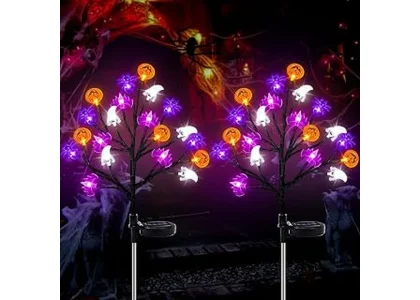
Lighting is absolutely crucial for a gothic garden. Subtle, dim lighting can create long shadows and highlight the shapes of your plants and decorations. Uplighting dark foliage can make it appear even more dramatic.
Lanterns with flickering LED candles add a touch of old-world charm and a sense of mystery. You can also use strings of dark or Edison-style bulbs for a more modern gothic feel. Remember to avoid bright, flashing lights that detract from the intended mood.
| Decoration Type | Gothic Element | Placement Ideas |
|---|---|---|
| Wrought Iron Lanterns | Ornate, historical, moody | Hang from branches, place on pedestals, line pathways |
| Aged Statuary (Gargoyles, Angels) | Mysterious, timeless, solemn | Nestle among plants, overlook garden beds, stand guard |
| Candelabra (LED) | Dramatic, atmospheric, vintage | On a patio table, atop a garden wall, as a centerpiece |
| Decorative Cages/Mirrors | Intriguing, reflective, adds depth | Hang from trees, lean against walls, strategically placed |
Careful placement and selection of decor are key to achieving a cohesive gothic aesthetic.
What If Your Patio Became Your Favorite Spot This Fall?
Cooler evenings don’t have to send everyone indoors. Discover simple ways to turn your porch or patio into a warm, cozy place to gather after sunset.
Creating Layers and Depth in Your Garden Design
A truly captivating gothic garden isn’t flat; it’s a multi-dimensional space that draws the eye in and encourages exploration. Layering plants and decorations creates visual interest and a sense of hidden depths, perfect for the mysterious allure of the gothic style.
Begin by establishing a strong foundation with taller, architectural plants at the back or center of your garden beds. These can include dark-leaved trees or shrubs, tall ornamental grasses, or plants with dramatic upright structures. In front of these, introduce mid-height plants with richly colored foliage or flowers, such as Heucheras, deep purple petunias, or burgundy dahlias.
Finally, fill in the foreground with low-growing ground covers like Black Mondo Grass or dark-leaved ajuga, creating a lush, dark carpet.
This layering technique isn’t just for plants. Incorporate decorations at different heights and depths. A tall, weathered statue placed behind a cluster of dark flowers, with a lantern positioned in front of it, creates a sophisticated tableau.
Consider using planters of varying sizes and heights, filled with cascading dark foliage or dramatic blooms, to add dimension to patios or entryways. The strategic use of shadows, enhanced by lighting, will further amplify the sense of depth and mystery.
- Back Layer: Tall, structural plants (e.g., ornamental grass, dark-leaved shrubs).
- Mid Layer: Medium-height plants with strong color or texture (e.g., Heuchera, dahlias).
- Front Layer: Low-growing ground covers or trailing plants (e.g., Black Mondo Grass, trailing petunias).
- Vertical Accents: Tall decor items like candelabra or statues placed strategically.
- Hanging Elements: Lanterns or decorative cages hung from trees or pergolas.
- Ground-Level Details: Small statues, stones, or scattered decorative elements.
This methodical approach ensures a garden that feels rich, complex, and endlessly fascinating.
What If Your Patio Became Your Favorite Spot This Fall?
Cooler evenings don’t have to send everyone indoors. Discover simple ways to turn your porch or patio into a warm, cozy place to gather after sunset.
Warning: Avoid using live flames in your garden decorations unless in extremely controlled, sheltered conditions with constant supervision. Opt for battery-operated LED candles and fairy lights for safety, especially in windy or dry environments, to prevent fire hazards.
Stark White and Silver Accents for Haunting Contrast
While the gothic palette is dominated by dark hues, the strategic use of stark white and shimmering silver can dramatically enhance its impact. These lighter colors act as points of contrast, drawing the eye and creating a sense of ethereal beauty, much like moonlight piercing through the darkness.
White flowers are excellent for this purpose. Consider plants like ‘Phantom’ or ‘White Lady’ tulips for early spring interest, or the ghostly blooms of white cosmos or white dahlias for later in the season. White impatiens can provide a soft, luminous ground cover in shadier areas.
For foliage, silvery plants like Artemisia, Dusty Miller, or certain ornamental grasses offer a cool, moonlit sheen that stands out beautifully against dark backgrounds. Even small accents, like white ceramic skulls or pale ghostly figures, can provide a striking contrast.
The placement of these accents is key. They should be used sparingly to maintain the gothic mood, acting as focal points rather than overwhelming the darker elements. A cluster of white flowers near a dark statue, or a silvery plant situated at the edge of a shadowy bed, can create a captivating visual.
These lighter tones help to define shapes, highlight textures, and add a touch of spectral elegance to the overall design, preventing the garden from becoming too heavy or monotonous.
What If Your Patio Became Your Favorite Spot This Fall?
Cooler evenings don’t have to send everyone indoors. Discover simple ways to turn your porch or patio into a warm, cozy place to gather after sunset.
- White Flowers: ‘Phantom’ Tulips, White Cosmos, White Dahlias, White Impatiens.
- Silvery Foliage: Artemisia, Dusty Miller, Silver Mound Artemisia, certain ornamental grasses.
- Decorative Accents: White skulls, pale statues, ghost figures, silver painted stones.
- Lighting: Soft white LED fairy lights or spotlights can mimic moonlight.
Frequently Asked Questions
What are the main colors for a gothic Halloween garden?
The primary colors for a gothic Halloween garden are deep purples, blacks, rich burgundies, midnight blues, and dark reds. These are often contrasted with stark whites and silvers to create a hauntingly beautiful effect.
What types of plants work best for a gothic garden?
Plants with dark or unusual foliage colors (black, deep purple, burgundy), spiky or architectural shapes, and dramatic textures are ideal. Examples include Black Mondo Grass, dark-leaved Heuchera, ornamental peppers, and deep-colored dahlias.
How can I add decorations to a gothic garden without it looking too cheerful?
Focus on decorations with a vintage, historical, or melancholic feel. Think wrought iron lanterns, aged statues (like gargoyles), candelabra, ornate birdcages, and materials like weathered wood or stone. Avoid bright, cartoonish Halloween decorations.
Is lighting important for a gothic garden?
Yes, lighting is crucial for creating atmosphere. Subtle, dim lighting, uplighting to cast dramatic shadows, and flickering LED candles or fairy lights enhance the mysterious and spooky mood of a gothic garden.
Can I mix gothic elements with traditional Halloween decor?
While possible, it’s generally best to maintain a cohesive gothic theme. If you choose to mix, do so sparingly, perhaps using a few traditional elements in a way that doesn’t detract from the overarching dark and mysterious aesthetic. Prioritize the gothic color palette and textures.
Final Thoughts
Creating a gothic Halloween garden is a rewarding endeavor that transforms your outdoor space into a realm of dark beauty and spooky charm. By carefully selecting plants with deep, rich colors, embracing dramatic textures, and incorporating thematic decorations, you can craft an unforgettable atmosphere. Focus on layering, contrast, and subtle lighting to bring your haunting vision to life, ensuring a truly captivating display that will enchant visitors throughout the season.
What If Your Patio Became Your Favorite Spot This Fall?
Cooler evenings don’t have to send everyone indoors. Discover simple ways to turn your porch or patio into a warm, cozy place to gather after sunset.