Last Updated on October 23, 2026 by D. Ruddy
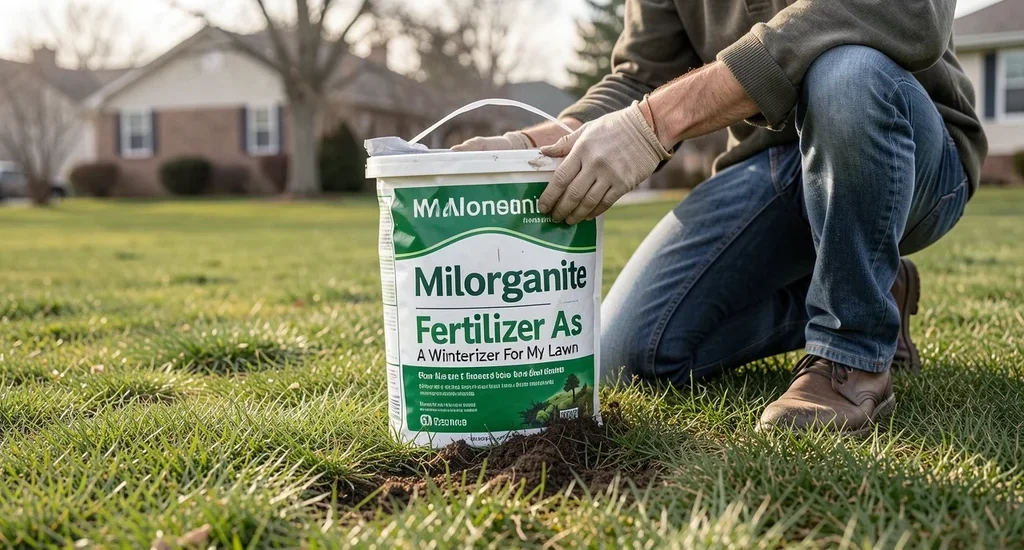
As the cold months approach, homeowners often wonder about the best way to prepare their lawns for winter. Can I use Milorganite fertilizer as a winterizer is a common question, and the answer depends on your lawn’s needs and the product’s unique properties. This slow-release, organic-based fertilizer offers a gentle way to feed your grass, but timing and application matter to avoid waste or runoff.
Yes, you can use Milorganite as a winterizer, but apply it 4-6 weeks before the first frost to allow slow nutrient release. Avoid late fall applications when grass growth slows, as excess nitrogen may leach or feed winter weeds instead.
What Makes Milorganite Different From Other Fertilizers
Milorganite stands out because it’s a non-burning, organic-based fertilizer made from heat-dried microbes that have digested organic matter. Unlike synthetic fertilizers that deliver a quick nitrogen boost, Milorganite releases nutrients slowly over 8-10 weeks. This makes it ideal for sustained feeding without the risk of burning your lawn, even in warmer conditions.
Its nitrogen-phosphorus-potassium (NPK) ratio is typically 6-4-0, meaning it’s higher in nitrogen for leafy growth but lacks potassium, which is often emphasized in traditional winterizers. However, its slow-release nature means it can still support root development and overall lawn health when applied correctly before winter.
- Slow-release formula prevents nutrient runoff and waste
- Organic-based and safe for pets and children once watered in
- Non-burning even in heat, reducing the risk of lawn damage
- Improves soil health by promoting microbial activity
- Iron content enhances lawn color without excessive growth
Important: Milorganite is not a traditional winterizer, which usually has a higher potassium ratio (e.g., 10-0-20). However, its slow-release nitrogen can still benefit your lawn if applied early enough in fall.
How Milorganite Works as a Winterizer
Winterizers are designed to strengthen your lawn’s roots and improve its resilience against cold stress. While traditional winterizers focus on potassium for root hardiness, Milorganite’s slow-release nitrogen supports steady growth and color retention. The key is applying it early in the fall, so the nutrients are available when the grass is still actively growing.
Here’s how it helps:
- Sustained feeding throughout early fall, before dormancy
- Improved root development from consistent nitrogen availability
- Enhanced color due to its iron content, keeping your lawn green longer
- Reduced stress by avoiding the shock of synthetic fertilizers
According to the University of Wisconsin-Madison, slow-release fertilizers like Milorganite can improve nutrient uptake efficiency by up to 50% compared to quick-release options. This means less waste and more benefit for your lawn.
| Nutrient | Role in Winter Prep | Milorganite Content |
|---|---|---|
| Nitrogen (N) | Promotes leaf and root growth | 6% |
| Phosphorus (P) | Supports root development | 4% |
| Potassium (K) | Enhances cold tolerance | 0% |
| Iron (Fe) | Improves color and greening | 2-4% |
While Milorganite lacks potassium, its nitrogen and iron content can still contribute to a healthier lawn going into winter, provided it’s applied at the right time.
When to Apply Milorganite as a Winterizer
Timing is everything when using Milorganite as a winterizer. Since it’s a slow-release fertilizer, you’ll want to apply it early enough in the fall so the nutrients are available while the grass is still growing. Applying it too late, when the grass has entered dormancy, can lead to wasted nutrients and potential runoff.
Here’s a general timeline to follow:
- Early Fall (Late August to Early September): Ideal for the first application. This gives the fertilizer time to start breaking down and feeding your lawn before growth slows.
- Mid-Fall (Late September to Early October): A second application can be made if your lawn needs an extra boost, but avoid applying it later than this.
- Late Fall (After Mid-October): Avoid applying Milorganite. At this point, traditional winterizers with higher potassium content may be more effective.
Tip: Check your local frost dates. Apply Milorganite 4-6 weeks before the first expected frost to maximize its benefits.
According to the National Gardening Association, grass roots continue to grow until soil temperatures drop below 50°F (10°C). Applying Milorganite while roots are still active ensures the nutrients are utilized efficiently.
How to Apply Milorganite for Winter Prep
Applying Milorganite correctly ensures your lawn gets the most out of its slow-release formula. Follow these steps for the best results:
- Test Your Soil
Before applying any fertilizer, conduct a soil test to determine your lawn’s nutrient needs. This helps you avoid over-fertilizing and ensures you’re addressing any deficiencies. Many local agricultural extensions offer affordable soil testing services.
- Mow Your Lawn
Mow your lawn to a height of about 2-3 inches before applying Milorganite. This allows the fertilizer to reach the soil more effectively and reduces the risk of it getting caught in the grass blades.
- Use a Spreader
Apply Milorganite using a broadcast or drop spreader for even coverage. Follow the recommended application rate on the package, which is typically 32 lbs per 2,500 square feet. Over-applying can lead to nutrient runoff and waste.
- Water It In
After applying, lightly water your lawn to help the fertilizer granules break down and start releasing nutrients. This also prevents the fertilizer from sitting on the grass blades, which could lead to uneven distribution.
- Avoid Heavy Rain
Check the weather forecast before applying. Heavy rain within 24-48 hours of application can wash away the fertilizer before it has a chance to work. Aim for a dry period of at least 2 days after application.
| Step | Tool/Action | Purpose |
|---|---|---|
| 1 | Soil test kit | Determine nutrient needs |
| 2 | Lawn mower | Cut grass to 2-3 inches |
| 3 | Broadcast/drop spreader | Even fertilizer distribution |
| 4 | Garden hose/sprinkler | Activate fertilizer release |
Proper application ensures Milorganite works effectively as part of your winter lawn care routine.
Pros and Cons of Using Milorganite as a Winterizer
While Milorganite offers several advantages for winter lawn prep, it’s important to weigh them against its limitations. Here’s a balanced look at its pros and cons:
| Pros | Cons |
|---|---|
|
|
For homeowners prioritizing organic and slow-release options, Milorganite is a solid choice. However, if your lawn needs a potassium boost for winter resilience, you may need to supplement with another product or opt for a traditional winterizer.
Warning: Avoid applying Milorganite to frozen or dormant lawns. The nutrients will not be absorbed and may contribute to runoff, polluting local waterways.
Milorganite vs Traditional Winterizers
To decide whether Milorganite is the right choice for your lawn, it helps to compare it directly with traditional winterizers. Here’s how they stack up:
| Feature | Milorganite | Traditional Winterizer |
|---|---|---|
| NPK Ratio | 6-4-0 | Varies (e.g., 10-0-20, 12-0-24) |
| Release Type | Slow-release | Quick-release |
| Potassium Content | 0% | High (20-24%) |
| Organic Content | Yes (85% organic) | No (synthetic) |
| Application Timing | Early fall (4-6 weeks before frost) | Late fall (2-4 weeks before frost) |
| Burn Risk | Low | Moderate to high |
| Cost | Moderate to high | Low to moderate |
Traditional winterizers focus on delivering a high dose of potassium to strengthen cell walls and improve cold tolerance. Milorganite, on the other hand, provides a steady supply of nitrogen and iron, which can be beneficial if applied early in the season. For the best results, some homeowners combine both: using Milorganite in early fall and a traditional winterizer in late fall.
Common Mistakes to Avoid
Even with the best intentions, it’s easy to make mistakes when using Milorganite as a winterizer. Here are some common pitfalls and how to avoid them:
- Applying Too Late
Applying Milorganite after your lawn has entered dormancy is one of the biggest mistakes. The fertilizer won’t be absorbed, and the nutrients may leach into the soil or runoff into waterways. Stick to the early fall timeline for best results.
- Overapplying
More isn’t always better. Overapplying Milorganite can lead to excess nitrogen, which may cause rapid, weak growth that’s vulnerable to cold stress. Follow the recommended application rate on the package.
- Skipping Soil Testing
Assuming your lawn needs fertilizer without testing the soil can lead to unnecessary applications or missing key deficiencies. A soil test helps you tailor your approach to your lawn’s specific needs.
- Not Watering It In
Failing to water after application means the fertilizer may sit on the surface, leading to uneven distribution or potential runoff. Always water lightly after applying Milorganite.
- Ignoring Weather Conditions
Applying Milorganite before heavy rain can wash away the fertilizer before it has a chance to work. Check the forecast and aim for a dry period of at least 2 days after application.
Important: If you’ve already applied a traditional winterizer, avoid adding Milorganite on top. This can lead to excessive nitrogen and potential lawn damage.
Alternative Winter Fertilizer Options
If you’re unsure whether Milorganite is the right choice for your lawn, consider these alternative winter fertilizer options. Each has its own strengths and ideal use cases:
- High-Potassium Synthetic Winterizers
These are the most common traditional winterizers, with NPK ratios like 10-0-20 or 12-0-24. They’re designed to deliver a quick boost of potassium, which strengthens cell walls and improves cold tolerance. Brands like Scotts WinterGuard or Pennington UltraGreen Winterizer are popular choices.
- Pros: Fast-acting, high in potassium, widely available
- Cons: Higher burn risk, synthetic chemicals, potential runoff
Best For: Lawns needing a quick potassium boost for winter resilience.
- Organic Winterizers
Organic options like Dr. Earth Organic Fall & Winter Lawn Fertilizer or Espoma Organic Winterizer provide a natural alternative to synthetic fertilizers. They often include ingredients like bone meal, kelp, and feather meal to deliver a balanced mix of nutrients.
- Pros: Organic, slow-release, improves soil health
- Cons: More expensive, slower results, may require more frequent applications
Best For: Homeowners who prefer organic products and are willing to wait for results.
- Hybrid Approach: Milorganite + Potassium Supplement
For those who like Milorganite’s slow-release benefits but want the potassium boost of a winterizer, a hybrid approach can work. Apply Milorganite in early fall, then follow up with a potassium-rich supplement like sulfate of potash (0-0-50) in late fall.
- Pros: Combines slow-release nitrogen with potassium benefits, flexible timing
- Cons: Requires two separate applications, more effort
Best For: Lawns that need both sustained feeding and a potassium boost.
- Liquid Winter Fertilizers
Liquid fertilizers like Simple Lawn Solutions Liquid Winterizer offer a quick-absorbing option for winter prep. They’re easy to apply with a hose-end sprayer and can be absorbed by the grass within hours.
- Pros: Fast absorption, easy to apply, good for small lawns
- Cons: More frequent applications needed, can be expensive for large lawns
Best For: Small lawns or homeowners who prefer liquid applications.
Frequently Asked Questions
Is Milorganite safe for all grass types?
Yes, Milorganite is safe for all common grass types, including cool-season grasses like Kentucky bluegrass, fescue, and ryegrass, as well as warm-season grasses like Bermuda, Zoysia, and St. Augustine. Its slow-release formula and organic base make it gentle and non-burning, even on sensitive grasses.
Can I use Milorganite on a newly seeded lawn?
Yes, Milorganite can be used on newly seeded lawns, but wait until the new grass is at least 4-6 inches tall and has been mowed 2-3 times. This ensures the young grass has established roots to absorb the nutrients. Apply at half the recommended rate for the first application to avoid overwhelming the new grass.
How long does Milorganite last in the soil?
Milorganite’s slow-release formula typically lasts 8-10 weeks in the soil. This makes it ideal for early fall applications, as it will continue feeding your lawn through the early winter months. However, factors like soil temperature, moisture, and microbial activity can influence its longevity.
Will Milorganite attract pests to my lawn?
Milorganite is made from heat-dried microbes, which eliminates any attractants for pests like rodents or insects. Once applied and watered in, it does not attract pests to your lawn. In fact, its organic content can improve soil health, which may help deter some pests naturally.
Can I mix Milorganite with other fertilizers?
It’s generally not recommended to mix Milorganite with other fertilizers, as this can lead to uneven nutrient distribution or over-application. If you want to use multiple fertilizers, apply them separately, with at least a few weeks between applications. This allows you to monitor your lawn’s response and adjust as needed.
Final Thoughts
Can I use Milorganite fertilizer as a winterizer? Yes, but with some important considerations. It works best when applied early in the fall, allowing its slow-release nitrogen to feed your lawn before dormancy.
While it lacks the potassium of traditional winterizers, its organic base and gentle formula make it a safe and effective option for many homeowners. For the best results, pair it with a soil test and proper timing, and consider supplementing with potassium if your lawn needs it. Milorganite offers a balanced, eco-friendly approach to winter lawn care that can keep your grass healthy and green longer into the season.