Last Updated on October 23, 2026 by D. Ruddy
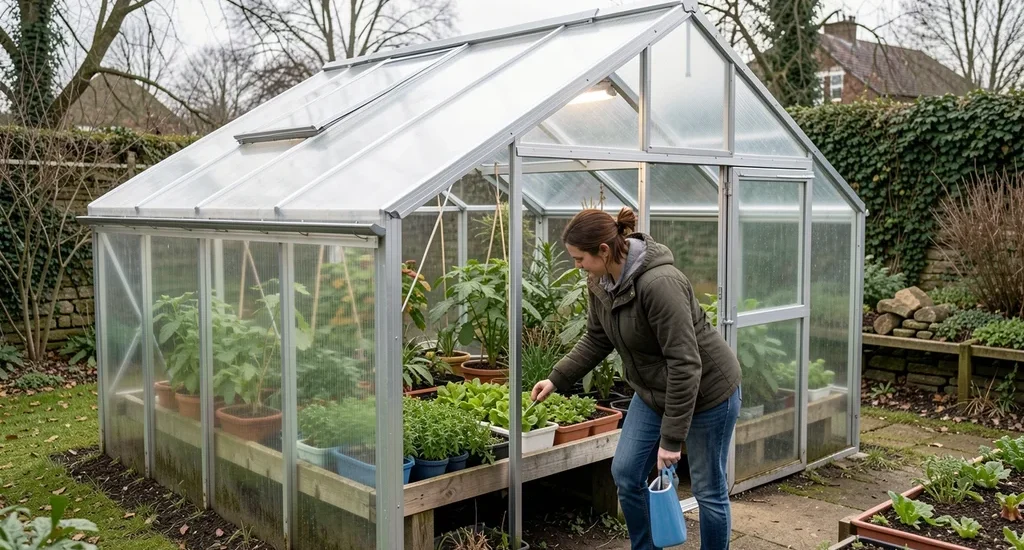
If you own a polycarbonate greenhouse, you may wonder does polycarbonate greenhouse need heat for winter to protect your plants from the cold. The answer depends on your climate, the crops you’re growing, and how well your structure retains heat. Polycarbonate panels offer better insulation than glass, but extreme cold can still threaten sensitive plants.
Polycarbonate greenhouses retain heat better than glass but may still need supplemental heating in sub-freezing climates. Most hardy plants survive without heat, but tropical or delicate crops require additional warmth.
How Polycarbonate Greenhouses Retain Heat
Polycarbonate greenhouses are popular for their durability and insulation properties. The twin-wall or multi-wall polycarbonate sheets create air pockets that trap heat, acting like a thermal barrier. This design reduces heat loss significantly compared to single-pane glass greenhouses.
According to the Journal of Agricultural Engineering, multi-wall polycarbonate can reduce heat loss by up to 30% compared to glass. This means your greenhouse stays warmer longer, even without additional heating. However, in regions where temperatures drop below freezing for extended periods, extra heat may still be necessary.
The R-value, which measures thermal resistance, is higher in polycarbonate than in glass. For example:
| Material | R-Value (per inch) |
|---|---|
| Single-pane glass | 0.14 |
| Double-wall polycarbonate | 1.5 |
| Triple-wall polycarbonate | 2.1 |
The higher the R-value, the better the material insulates. Triple-wall polycarbonate is the best choice for cold climates, but it’s also more expensive.
Tip: For maximum insulation, choose polycarbonate panels with a thickness of at least 8mm. Thicker panels provide better heat retention.
Climate Zones and Heating Needs
Your local climate plays a significant role in determining whether your polycarbonate greenhouse needs heat for winter. The USDA Hardiness Zones help gardeners understand the average minimum temperatures in their region. Here’s a general guideline:
- Zones 7-10 (Mild Winters): Temperatures rarely drop below 10°F (-12°C). A well-insulated polycarbonate greenhouse may not need additional heat for hardy plants like kale, spinach, or winter lettuce.
- Zones 4-6 (Moderate Winters): Temperatures can dip to -20°F (-29°C). Supplemental heat is often required for most crops, especially if growing beyond cold-tolerant varieties.
- Zones 1-3 (Extreme Winters): Temperatures can fall below -30°F (-34°C). Heating is almost always necessary to prevent plant damage and soil freezing.
According to the National Oceanic and Atmospheric Administration (NOAA), regions in Zone 4 and below experience sub-zero temperatures for extended periods during winter. In these areas, even a polycarbonate greenhouse may struggle to retain enough heat without assistance.
| USDA Zone | Average Min Temp (°F) | Heating Needed? |
|---|---|---|
| 1-3 | -40°F to -30°F | Yes |
| 4-6 | -30°F to -10°F | Likely |
| 7-10 | -10°F to 30°F | Maybe (for sensitive plants) |
If you’re in Zone 7 or higher, you might get away with passive heating methods like thermal mass or solar gain. In colder zones, active heating systems are often essential.
Passive Heating Methods for Polycarbonate Greenhouses
Before investing in a heating system, consider passive heating methods. These strategies use natural heat sources to maintain warmer temperatures inside your greenhouse without electricity or fuel.
Thermal Mass
Thermal mass materials absorb heat during the day and release it slowly at night. Common options include:
- Water Barrels: Painted black and placed in direct sunlight, water barrels can absorb and store significant heat.
- Concrete or Brick Floors: These materials absorb heat during the day and radiate it back at night.
- Stone or Gravel Paths: Placing stones or gravel inside the greenhouse can also help retain heat.
Important: For best results, use at least 5-10 gallons of water per 100 square feet of greenhouse space. More thermal mass means more stored heat.
Solar Gain Optimization
Maximizing solar gain involves positioning your greenhouse to capture as much sunlight as possible. Here’s how:
- Orientation: Place the long side of your greenhouse facing south (in the Northern Hemisphere) to maximize sunlight exposure.
- Clean Panels: Keep polycarbonate panels clean to ensure maximum light transmission.
- Reflective Surfaces: Use reflective materials on the north side of the greenhouse to bounce additional light onto plants.
Insulation Techniques
Proper insulation reduces heat loss. Consider these methods:
- Weatherstripping: Seal gaps around doors and vents to prevent cold drafts.
- Double-Layer Panels: Adding an extra layer of polycarbonate or bubble wrap insulation can improve heat retention.
- Nighttime Curtains: Use thermal curtains or blankets to cover the greenhouse at night, trapping heat inside.
According to a study by HortTechnology, proper insulation can reduce heat loss by up to 50% in greenhouses, significantly lowering heating costs.
Active Heating Systems for Cold Climates
If passive methods aren’t enough, active heating systems can provide the necessary warmth. Here are the most common options:
Electric Heaters
Electric heaters are a popular choice for small to medium-sized greenhouses. They’re clean, easy to use, and can be controlled with a thermostat.
- Pros: No emissions, easy to install, precise temperature control.
- Cons: Can be expensive to run, requires electricity.
| Type | Wattage | Best For |
|---|---|---|
| Fan-Forced Heater | 1500-5000W | Small to medium greenhouses |
| Infrared Heater | 750-3000W | Spot heating, larger spaces |
| Radiant Heater | 1000-4000W | Even heat distribution |
Gas Heaters
Gas heaters, including propane and natural gas models, are another option. They’re often more cost-effective for larger greenhouses.
- Pros: Lower operating costs, powerful heating, good for large spaces.
- Cons: Requires ventilation, produces emissions, needs fuel storage.
Warning: Always ensure proper ventilation when using gas heaters to prevent carbon monoxide buildup.
Wood Stoves
Wood stoves can be an effective and cost-efficient way to heat a greenhouse, especially in off-grid locations.
- Pros: Low fuel cost, works during power outages, provides consistent heat.
- Cons: Requires firewood, needs a chimney, can be labor-intensive.
Geothermal Heating
Geothermal systems use the Earth’s natural heat to warm your greenhouse. While expensive to install, they’re highly efficient and eco-friendly.
- Pros: Energy-efficient, low operating costs, sustainable.
- Cons: High upfront cost, complex installation.
According to the U.S. Department of Energy, geothermal systems can reduce heating costs by up to 70% compared to traditional methods.
Best Plants for Unheated Polycarbonate Greenhouses
If you prefer not to use supplemental heating, choose plants that can tolerate cold temperatures. Here are some of the best options for unheated polycarbonate greenhouses:
Leafy Greens
Many leafy greens thrive in cooler temperatures and can survive light frosts.
- Kale: Tolerates temperatures as low as 20°F (-7°C).
- Spinach: Can survive down to 15°F (-9°C).
- Swiss Chard: Handles temperatures as low as 25°F (-4°C).
- Lettuce: Some varieties tolerate light frosts (down to 28°F/-2°C).
Root Vegetables
Root vegetables are excellent for winter growing as they store well in cold soil.
- Carrots: Can withstand temperatures down to 20°F (-7°C).
- Radishes: Tolerate light frosts (25°F/-4°C).
- Beets: Handle temperatures as low as 20°F (-7°C).
- Turnips: Survive down to 15°F (-9°C).
Herbs
Several herbs can tolerate cooler temperatures and continue growing in an unheated greenhouse.
- Parsley: Survives down to 10°F (-12°C).
- Cilantro: Tolerates light frosts (25°F/-4°C).
- Chives: Handles temperatures as low as 20°F (-7°C).
- Mint: Can survive in temperatures down to 20°F (-7°C).
Brassicas
Brassica family plants are known for their cold hardiness.
- Broccoli: Tolerates temperatures down to 20°F (-7°C).
- Cabbage: Survives as low as 15°F (-9°C).
- Brussels Sprouts: Handles temperatures down to 10°F (-12°C).
- Cauliflower: Tolerates light frosts (25°F/-4°C).
Tip: Use row covers or frost blankets inside the greenhouse for added protection during extreme cold snaps.
Signs Your Greenhouse Needs Additional Heat
Even with polycarbonate panels, there are clear signs that your greenhouse isn’t retaining enough heat. Watch for these indicators:
- Frost Inside the Greenhouse: If you see frost forming on plants or the interior surfaces, the temperature is dropping too low.
- Plant Damage: Wilting, yellowing leaves, or stunted growth can signal cold stress in plants.
- Soil Temperature Below 40°F (4°C): Most plants struggle to grow in soil colder than this. Use a soil thermometer to monitor.
- Condensation Issues: Excessive condensation can lead to mold and mildew, indicating poor temperature regulation.
- Slow Growth: If plants are growing much slower than expected, they may be too cold.
According to a study by the University of Nebraska-Lincoln, plant growth can slow by up to 50% when temperatures drop below their optimal range.
| Plant Type | Minimum Temperature (°F) | Signs of Cold Stress |
|---|---|---|
| Leafy Greens | 15-20°F | Wilting, yellowing leaves |
| Root Vegetables | 15-25°F | Slow growth, soft texture |
| Herbs | 10-25°F | Leaf discoloration, stunted growth |
| Brassicas | 10-20°F | Leaf damage, slow growth |
Cost Considerations for Heating a Polycarbonate Greenhouse
Heating a greenhouse can add significant costs to your gardening budget. Understanding these expenses helps you plan effectively.
Upfront Costs
The initial investment varies depending on the heating method you choose:
- Electric Heaters: $50-$500 per unit.
- Gas Heaters: $200-$2,000+ depending on size and type.
- Wood Stoves: $300-$1,500 for the stove, plus chimney installation.
- Geothermal Systems: $10,000-$30,000 for a full system.
Operating Costs
Ongoing expenses depend on your heat source and local energy prices:
- Electricity: $0.10-$0.30 per kWh. A 5,000W heater running 8 hours a day could cost $4-$12 per day.
- Propane: $2-$4 per gallon. A 40,000 BTU heater might use 1-2 gallons per day.
- Natural Gas: $1-$3 per therm. Costs vary by region.
- Firewood: $150-$300 per cord. A well-insulated greenhouse might use 1-2 cords per winter.
| Heating Method | Upfront Cost | Monthly Operating Cost (Est.) |
|---|---|---|
| Electric Heater | $50-$500 | $120-$360 |
| Propane Heater | $200-$2,000 | $60-$240 |
| Wood Stove | $300-$1,500 | $50-$200 |
According to the U.S. Energy Information Administration, heating costs can vary significantly by region, with colder areas seeing higher expenses.
Important: Always factor in insulation improvements before calculating heating costs. Better insulation can reduce heating needs by 20-50%.
Common Mistakes to Avoid When Heating a Polycarbonate Greenhouse
Many greenhouse owners make errors that reduce heating efficiency or damage their plants. Avoid these common pitfalls:
- Ignoring Insulation: Failing to properly insulate your greenhouse forces your heating system to work harder, increasing costs. Always seal gaps and add thermal mass.
- Overheating: Some growers overcompensate by heating too much, which can stress plants and waste energy. Aim for a consistent temperature rather than extreme warmth.
- Poor Ventilation: Lack of ventilation can lead to high humidity, mold growth, and poor air circulation. Even in winter, some ventilation is necessary.
- Inconsistent Heating: Letting temperatures fluctuate wildly can stress plants more than a consistently cool environment. Use a thermostat to maintain steady heat.
- Neglecting Monitoring: Not tracking temperatures can lead to unexpected plant damage. Use thermometers and consider a remote monitoring system.
According to Greenhouse Management Magazine, inconsistent heating is one of the top reasons for crop loss in winter greenhouses.
Frequently Asked Questions
Can a polycarbonate greenhouse stay warm without heat?
Yes, a polycarbonate greenhouse can stay warm without additional heat in mild climates or for cold-hardy plants. The multi-wall design provides excellent insulation, trapping solar heat during the day and retaining it at night. However, in very cold climates or for sensitive plants, supplemental heating may be necessary.
What’s the minimum temperature a polycarbonate greenhouse can maintain?
The minimum temperature depends on several factors, including panel thickness, insulation, and outdoor conditions. A well-insulated polycarbonate greenhouse can typically maintain temperatures 15-25°F (8-14°C) above the outdoor temperature. For example, if it’s 20°F (-7°C) outside, the greenhouse might stay around 35-45°F (2-7°C) inside without additional heat.
How do I know if my greenhouse needs heat?
Watch for signs like frost forming inside the greenhouse, plant damage (wilting, yellowing, or stunted growth), or soil temperatures dropping below 40°F (4°C). If you notice these issues, it’s time to consider adding heat. Using a minimum-maximum thermometer can help you track temperature fluctuations.
What’s the most cost-effective way to heat a polycarbonate greenhouse?
The most cost-effective method depends on your specific situation. For small greenhouses, electric heaters with a thermostat are often the most efficient. For larger spaces, gas heaters or wood stoves may be more economical.
Passive heating methods like thermal mass and proper insulation can also significantly reduce heating costs.
Can I use a space heater in my greenhouse?
Yes, but with caution. Space heaters designed for outdoor or greenhouse use are safe, but standard indoor heaters may not be suitable. Always ensure proper ventilation, especially with fuel-burning heaters, to prevent carbon monoxide buildup.
Electric heaters are generally the safest option for most greenhouse applications.
Final Thoughts
Polycarbonate greenhouses offer excellent insulation, but whether they need heat for winter depends on your climate and plants. In mild regions, passive heating methods may suffice for hardy crops. In colder areas, supplemental heating becomes essential for sensitive plants.
Always monitor temperatures and choose the most efficient heating method for your specific needs.