Milorganite is made from treated sewage. I know that sounds gross. I thought the same thing the first time I heard it. But then I tried it on my lawn. Now it is one of my favorite fertilizers.
After using Milorganite for three full seasons, here is my honest review. The good. The bad. And the smell.
What Is Milorganite?

Milorganite stands for Milwaukee Organic Nitrogen. It is made by the Milwaukee Metropolitan Sewerage District. They take wastewater, filter out the solids, heat-treat them to kill pathogens, and dry them into small pellets. The result is a slow-release organic fertilizer.
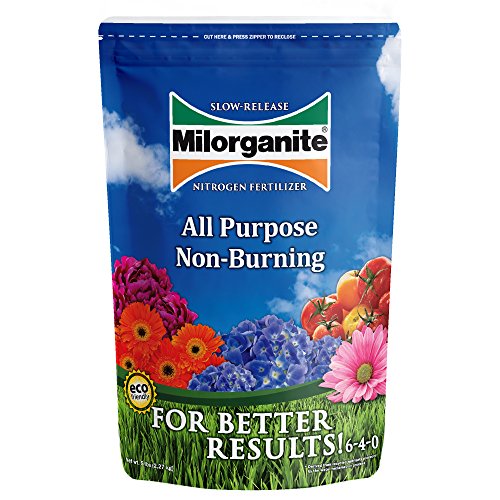
The NPK is 6-4-0. That seems low compared to synthetic fertilizers like Scotts 32-0-4. But the numbers do not tell the whole story. Milorganite feeds differently. It feeds the soil, not just the grass.
September Outdoor Sale — Save Up to 52%
A new month means new ways to upgrade your patio, garden & lawn for less. We’ve rounded up popular outdoor picks with savings up to 52%. Don’t wait—these offers can change anytime!
Each pellet contains 6% nitrogen, 4% phosphorus, and 2.5% iron. The iron gives grass a deep green color without forcing fast growth. I notice the color difference within two weeks.
My Results After 3 Seasons of Milorganite
I started using Milorganite in summer when synthetic fertilizers kept burning my lawn. The first thing I noticed was how easy it was. No worry about burn spots. No rush to water it in. No measuring with anxiety.
The green takes longer to show up. About 10 to 14 days versus 5 days for Scotts. But the green lasts longer too. I get 8 to 10 weeks of feeding from one Milorganite application. Scotts lasts about 6 weeks.
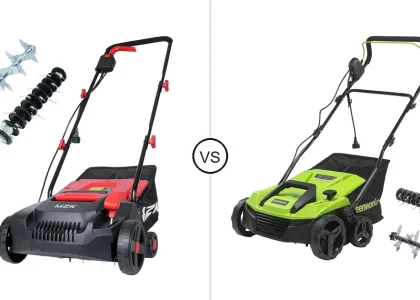
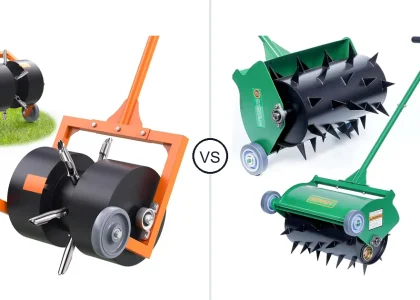
After three seasons, my soil has improved. It holds water better. It is less compacted. The organic matter in Milorganite feeds earthworms and microbes. Those little workers aerate the soil naturally. You cannot get that from synthetic fertilizer.
September Outdoor Sale — Save Up to 52%
A new month means new ways to upgrade your patio, garden & lawn for less. We’ve rounded up popular outdoor picks with savings up to 52%. Don’t wait—these offers can change anytime!
Milorganite Pros and Cons
| Pros | Cons |
|---|---|
| Zero burn risk, ever | Strong earthy smell for 3-5 days |
| Feeds soil, not just grass | Slower green-up (10-14 days) |
| Safe for kids and pets immediately | Costs more per square foot |
| Contains iron for deep green | Hard to find in stock sometimes |
| Improves soil over time | Larger pellets can clog spreaders |
How to Apply Milorganite
Milorganite is forgiving. You can apply it to wet or dry grass. You can apply it in heat without worrying about burns. You do not even have to water it in right away. The pellets sit on the soil and break down slowly.
I use a broadcast spreader set to 4.5 to 5 on a Scotts spreader. One 32-pound bag covers 2,500 square feet. That is less coverage than synthetic fertilizers. You need more bags for the same lawn size.
For cool-season lawns, I apply Milorganite on Memorial Day, Fourth of July, Labor Day, and Thanksgiving. Four times per year. That schedule is easy to remember and keeps my lawn fed through the growing season.
Does Milorganite Smell?
Yes. For the first 3 to 5 days, your yard will smell like a farm. The odor is earthy and organic. It is not rotten or sewage-like. It is more like mushrooms or damp soil.
The smell fades after rain or watering. It is strongest on hot humid days. I warn my neighbors before applying in summer so they can close their windows. Most say they barely notice. A few have asked what I am using. Nobody has complained.
September Outdoor Sale — Save Up to 52%
A new month means new ways to upgrade your patio, garden & lawn for less. We’ve rounded up popular outdoor picks with savings up to 52%. Don’t wait—these offers can change anytime!
If the smell bothers you, apply Milorganite before a rainstorm. The rain knocks down the odor faster.
Milorganite vs Scotts: Which Should You Buy?
Use Milorganite if you want organic, safe, no-burn feeding that builds soil health over time. Use it in summer when heat stress makes synthetic fertilizer risky. Use it if you have kids or pets who roll around on the grass.
Use Scotts if you want fast green-up for a party or holiday weekend. Use it in spring when grass is growing fast and can handle synthetic nitrogen. Use it if you are on a tight budget since Scotts costs less per application.
I use both. Milorganite for summer. Scotts for spring boost. Best of both worlds.
Frequently Asked Questions
Is Milorganite safe for vegetable gardens?
Milorganite is not approved for use on edible crops. It is classified as a lawn and ornamental fertilizer only. The EPA regulates it for non-food use. Use compost or other organic fertilizers for vegetable gardens instead.
Can dogs eat Milorganite?
Dogs should not eat Milorganite. While it is treated to kill pathogens, eating large amounts can cause stomach upset. Most dogs are attracted to the smell. Keep your dog inside while applying. Once watered in, the smell fades and dogs lose interest.
September Outdoor Sale — Save Up to 52%
A new month means new ways to upgrade your patio, garden & lawn for less. We’ve rounded up popular outdoor picks with savings up to 52%. Don’t wait—these offers can change anytime!
Why is Milorganite often out of stock?
Milorganite is made by one facility in Milwaukee. Production is limited by how much wastewater the city processes. Demand has surged as more homeowners go organic. Spring is the worst time for shortages. I buy my summer supply in early spring before it sells out.
Does Milorganite lower soil pH?
No. Milorganite is neutral to slightly alkaline. It does not significantly change soil pH. If your soil is acidic, you still need to add lime separately.
September Outdoor Sale — Save Up to 52%
A new month means new ways to upgrade your patio, garden & lawn for less. We’ve rounded up popular outdoor picks with savings up to 52%. Don’t wait—these offers can change anytime!