Last Updated on September 16, 2026 by D. Ruddy
Protecting garden plants from trick-or-treaters is a common concern for many homeowners, especially during Halloween night. While the festive spirit of trick-or-treating is enjoyable, it can sometimes lead to accidental damage to your beloved greenery. This guide will walk you through effective and humane methods to safeguard your plants from curious hands and wandering feet, ensuring your garden remains vibrant and intact throughout the spooky season and beyond.
Simply put, protecting your garden plants from trick-or-treaters involves creating visual deterrents, physical barriers, and making your garden less accessible or appealing to accidental trampling, while still allowing for the joy of the holiday.
Key Takeaways
- Implementing visual cues like signage and temporary fencing is a primary method for protecting garden plants.
- Strategic placement of temporary barriers, such as hay bales or garden stakes, can redirect foot traffic away from sensitive areas.
- Making your garden less of an inviting pathway through subtle landscaping adjustments can also be effective.
- Educating your household and neighbors about garden safety during the holiday can foster a community-wide approach to protecting garden plants.
- Choosing durable plants or protecting delicate ones with simple covers offers a direct defense against minor damage.
Understanding the Risks to Your Garden
During Halloween, gardens can inadvertently become pathways or play areas for trick-or-treaters. Young children, often excited and moving quickly, may not notice delicate flowers or young saplings as they navigate through yards. This can result in trampled plants, broken stems, and uprooted vegetation, causing significant damage that can take seasons to recover from.
The enthusiasm of groups of children moving from house to house increases the likelihood of accidental damage. Even well-intentioned revelers can cause harm by stepping on plants in the dark or brushing against them with costumes. Understanding these risks is the first step in implementing effective protective measures.
What If Your Patio Became Your Favorite Spot This Fall?
Cooler evenings don’t have to send everyone indoors. Discover simple ways to turn your porch or patio into a warm, cozy place to gather after sunset.
- Trampled foliage: Direct foot traffic can crush leaves and stems, hindering growth and potentially killing plants.
- Broken branches: Energetic movement or decorative displays can snap delicate branches on shrubs and small trees.
- Uprooted plants: Small plants or seedlings can be easily dislodged from the soil by being stepped on or kicked.
- Damage to young trees: The bark of young trees can be scraped or damaged by costumes or carelessly thrown items.
- Disturbed mulch and soil: Foot traffic can compact soil and scatter protective mulch layers, exposing roots to damage.
The impact isn’t just aesthetic; it can weaken plants, making them more susceptible to pests and diseases in the long run. For gardeners who have spent months nurturing their plants, this can be disheartening.
What are Effective Deterrents for Garden Invaders?
Visual deterrents are often the most humane and effective way to keep trick-or-treaters from wandering into your garden beds. These methods aim to clearly signal that the area is not a designated path, without being overly aggressive or unwelcoming. Simple signage and visual cues can make a significant difference in guiding guests away from sensitive areas.
Consider creating a clear, welcoming path to your front door that bypasses your garden. If your garden is naturally in the line of sight or potential foot traffic, you’ll need to make it less appealing as a shortcut or play zone. The goal is to redirect attention and movement towards safe and intended areas.
Important: Always prioritize safety and visibility. Ensure any deterrents you use do not create tripping hazards for trick-or-treaters, especially in low-light conditions.
Signage Strategies
Homemade or purchased signs can be highly effective. They should be clear, friendly, and easy to read in the dark. Phrases like “Please Stay on Path,” “Garden Area – Please Be Careful,” or even a whimsical “Beware of Goblins – Protect the Plants!” can gently guide visitors.
- Friendly “Please” Signs: Use signs that politely ask visitors to remain on a designated path.
- Humorous Halloween Signs: Incorporate Halloween themes with signs like “Witch’s Garden – Keep Out!”
- Illuminated Signs: Use glow-in-the-dark paint or small, battery-operated lights to make signs visible at night.
- Clear Visual Markers: Brightly colored flags or ribbons can mark the boundaries of your garden.
- “No Trespassing” (Use with Caution): While effective, this can sometimes seem unwelcoming. Consider it as a last resort for particularly sensitive areas.
Temporary Fencing and Barriers
For areas that are particularly vulnerable or frequently crossed, consider setting up temporary, decorative fencing. This doesn’t need to be a solid wall; simple garden stakes with string or Halloween-themed fabric can create a visible boundary.
What If Your Patio Became Your Favorite Spot This Fall?
Cooler evenings don’t have to send everyone indoors. Discover simple ways to turn your porch or patio into a warm, cozy place to gather after sunset.
| Deterrent Type | Description | Pros | Cons |
|---|---|---|---|
| Lawn Ornaments | Place large, visible decorations strategically. | Act as visual barriers, add to decor. | Can be expensive, may not deter determined individuals. |
| Garden Stakes & Twine | Outline garden edges with stakes and string. | Inexpensive, easy to set up and remove. | May not be visible in dark, can be easily stepped over. |
| Hay Bales | Use hay bales to create temporary borders. | Effective, festive, can be reused. | Can be bulky, may attract small animals. |
These barriers serve as a clear physical and visual cue, prompting trick-or-treaters to seek an alternative route.
Physical Protection for Sensitive Plants
When deterrents aren’t enough, or for particularly precious plants, direct physical protection might be necessary. This involves creating a protective layer or covering that shields the plant from accidental contact.
The type of protection needed will depend on the size and fragility of the plant. For smaller plants, simple coverings can be very effective. For larger shrubs or trees, more robust methods might be employed.
Warning: Ensure any coverings are breathable and do not trap excessive moisture, which can lead to rot or fungal issues. Remove them promptly after the event.
Protective Coverings
Small, delicate plants like annual flowers, herbs, or seedlings can be covered with simple materials. This could include upside-down plastic pots, cloches, or even makeshift cages made from chicken wire.
- Upside-down Pots: Place terracotta or plastic pots over small plants. Ensure they are secured to prevent them from being knocked over.
- Garden Cloches: These are specifically designed to protect plants and can be made from glass or plastic.
- Chicken Wire Cages: For slightly larger plants, create a simple cylinder of chicken wire to act as a protective barrier around the plant.
- Burlap Wraps: For small shrubs or trees, wrapping the base with burlap can protect the trunk and lower branches from scuffs.
- Decorative Lanterns/Cages: Use themed, open-weave lanterns or decorative cages as a visual and physical barrier.
Strategic Mulching
While not a direct physical barrier against feet, a thicker layer of mulch around plants can help absorb some impact and prevent soil compaction. It also helps protect the roots from minor abrasions. Use organic mulches like wood chips, straw, or shredded bark.
What If Your Patio Became Your Favorite Spot This Fall?
Cooler evenings don’t have to send everyone indoors. Discover simple ways to turn your porch or patio into a warm, cozy place to gather after sunset.
In addition to physical protection, consider the pathway to your home. If your garden is right next to the main walkway, it’s a prime target. If possible, encourage visitors to use a driveway or a clearly defined garden path.
Landscaping Adjustments for Safety
Making your garden less of an obvious or easy route can be a passive yet effective way to protect your plants. This involves subtle changes to how your garden is perceived and accessed during high-traffic holiday periods.
Think about how a trick-or-treater might naturally move through your yard. Are there enticing gaps in hedges? Is a flower bed conveniently located as a shortcut between the sidewalk and the porch?
Addressing these natural pathways can significantly reduce the risk.
Creating Clear Pathways
Ensure your primary walkway to your front door is well-lit and clearly defined. If your garden is adjacent to this path, consider using low-lying border plants or rocks to delineate the garden edge and discourage stepping off the path.
What If Your Patio Became Your Favorite Spot This Fall?
Cooler evenings don’t have to send everyone indoors. Discover simple ways to turn your porch or patio into a warm, cozy place to gather after sunset.
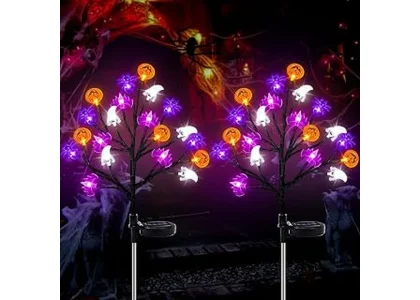
- Illuminate the Main Path: Use solar lights, string lights, or porch lights to make the intended route highly visible.
- Define Edges: Use decorative rocks, bricks, or low-lying plants to create a physical boundary for the garden.
- Remove Tempting Shortcuts: If there’s a gap in a hedge or a seemingly easy way through a flower bed, block it off or make it clearly uninviting.
- Strategic Placement of Decorations: Place your main Halloween decorations along the designated path to draw attention and traffic there.
Utilizing Natural Boundaries
Existing natural features can be enhanced to create better boundaries. Hedges, fences, or even dense shrubbery can serve as effective deterrents if they are maintained and clearly visible.
- Reinforce Hedges: If you have hedges, ensure they are dense and trimmed. You can add temporary stakes or lights along their base.
- Enhance Existing Fences: If you have a low fence, consider adding temporary Halloween-themed fabric or lights to make it more prominent.
- Dense Shrubbery: Plants that are naturally thick and somewhat impenetrable can act as passive barriers.
Community and Household Awareness
While proactive measures are crucial, engaging your household and community can amplify your efforts. Educating children and informing neighbors can create a more respectful environment for gardens.
Teaching children about respecting gardens, even during playful holidays, instills valuable lessons. A friendly word with neighbors about shared concerns can also lead to cooperative solutions.
Tip: When talking to children, emphasize the importance of being gentle with plants and respecting others’ property, framing it as part of being a good guest.
Educating Your Children
Talk to your children and any young visitors about the importance of staying on paths and avoiding stepping on plants. Explain that gardens are delicate and need care, even during fun holidays.
- Gentle Reminders: Remind them to be mindful of where they are walking.
- Lead by Example: Show them how to appreciate gardens and point out beautiful plants.
- Make it a Game: Turn “path-following” into a fun challenge or a scavenger hunt for candy.
Neighborly Communication
If your neighbors also have gardens that might be affected, a quick chat can go a long way. Sharing tips or agreeing on community-wide signage can be beneficial.
What If Your Patio Became Your Favorite Spot This Fall?
Cooler evenings don’t have to send everyone indoors. Discover simple ways to turn your porch or patio into a warm, cozy place to gather after sunset.
Some communities even organize “safe zones” for trick-or-treating where gardens are less likely to be in the direct line of fire. Being aware of your local community’s approach to Halloween celebrations can inform your own strategy.
Frequently Asked Questions
What is the best way to protect delicate flowers?
For delicate flowers, consider covering them with upside-down pots or cloches. Ensure the coverings are secured and provide some airflow. If they are along a main path, temporary stakes and twine can also help define their space.
Can I use motion-activated sprinklers?
While motion-activated sprinklers might deter some, they are generally not recommended for Halloween night as they could startle trick-or-treaters and potentially cause accidents. They are also less effective in cold weather and can be seen as overly aggressive.
What if my garden is very large?
For larger gardens, focus on creating a clearly defined and well-lit primary pathway. Use strategic placement of larger Halloween decorations and signage to guide traffic away from garden beds. Consider using low-voltage landscape lighting to illuminate safe zones.
How can I protect young trees from damage?
Wrap the base of young trees with burlap or use temporary tree guards. Ensure they are not too close to the edge of walkways where they might be bumped or scraped by costumes or bags.
Are there any humane ways to keep animals out of my garden during this time?
While this post focuses on trick-or-treaters, if animals are also a concern, ensure any temporary barriers are not hazardous. For humane animal deterrents, consider natural repellents or motion-activated lights that are less startling than sprinklers.
What If Your Patio Became Your Favorite Spot This Fall?
Cooler evenings don’t have to send everyone indoors. Discover simple ways to turn your porch or patio into a warm, cozy place to gather after sunset.
Final Thoughts
Protecting your garden plants from trick-or-treaters is achievable with a combination of visual deterrents, physical barriers, and thoughtful landscaping. By implementing these strategies, you can enjoy the festive spirit of Halloween without worrying about damage to your cherished plants, ensuring your garden remains a beautiful sanctuary.