Last Updated on September 16, 2026 by D. Ruddy
Fake spider webs offer a quick and easy way to add a spooky or decorative touch to your outdoor spaces, but concerns often arise about their safety for plants and local wildlife, particularly birds.
This guide will help you understand the materials used in fake spider webs, their potential impact on your garden’s flora and fauna, and how to use them responsibly for a festive atmosphere without causing harm.
Simply put, most common fake spider webs made from polyester or cotton blends are generally safe for outdoor bushes and birds when used sparingly and removed properly. However, caution is advised to prevent entanglement or ingestion, especially with poorly made or excessive decorations.
Key Takeaways
- Fake spider webs made from synthetic materials like polyester are generally not toxic but pose an entanglement risk.
- Birds and insects can get trapped in the strands, leading to injury or death if not removed promptly.
- Proper installation and timely removal are crucial for minimizing harm to wildlife and plants.
- Choose webs made from easily breakable or biodegradable materials where possible.
- Inspect the webs regularly for trapped creatures and clear them away.
What Are Fake Spider Webs Made Of?
The majority of artificial spider webs found in stores are crafted from synthetic fibers. Polyester, a common plastic-based textile, is a frequent ingredient due to its durability and stretchability, allowing it to mimic the look of real webs. Other materials might include cotton blends or even some types of nylon.
What If Your Patio Became Your Favorite Spot This Fall?
Cooler evenings don’t have to send everyone indoors. Discover simple ways to turn your porch or patio into a warm, cozy place to gather after sunset.
These materials are chosen for their ability to be stretched thinly and cling to surfaces, creating the desired eerie effect.
The manufacturing process often involves stretching these fibers to an extreme degree, making them very fine and gossamer-like. While these materials are not inherently toxic to plants, their physical presence is the primary concern for the environment. The thinness and clingy nature of the webs are what make them effective decorations but also pose a risk to small creatures that might come into contact with them.
Understanding the composition helps in assessing potential risks. Unlike natural spider silk, which degrades over time, synthetic fibers can persist in the environment for extended periods if not removed. This persistence is a key factor when considering long-term impacts on gardens and local ecosystems.
- Polyester: The most common material, offering strength and stretch.
- Cotton Blends: Can provide a slightly different texture, sometimes more clumpy.
- Nylon: Another synthetic option, similar properties to polyester.
- Elastane/Spandex: Often blended for increased stretchiness and recovery.
When selecting fake spider webs, checking the packaging for material information can be helpful. While direct toxicity isn’t usually a concern with these synthetics, their physical properties are what require careful consideration for environmental safety.
Tip: Look for webs explicitly labeled as “non-toxic” if you have concerns, though the primary risk is physical entanglement rather than chemical harm.
Potential Risks to Birds and Wildlife
The most significant danger posed by fake spider webs to birds and other small wildlife is entanglement. Birds, insects, and even small mammals can easily become ensnared in the fine, sticky strands. Once trapped, they struggle to free themselves, which can lead to exhaustion, dehydration, injury, or starvation.
What If Your Patio Became Your Favorite Spot This Fall?
Cooler evenings don’t have to send everyone indoors. Discover simple ways to turn your porch or patio into a warm, cozy place to gather after sunset.
The material can wrap around legs, wings, or beaks, making movement impossible.
Insects are particularly vulnerable as they are often attracted to the webs, mistaking them for real prey traps. Birds that forage for insects in bushes and gardens can then become entangled while attempting to reach their food source. Even larger birds can be affected if they become entangled while flying through decorated areas.
The stress of being trapped can also be fatal for many creatures.
Beyond direct entanglement, the presence of fake webs can alter a bird’s habitat. If webs are excessively applied, they might deter birds from using their usual nesting or foraging spots. This disruption can have a cascading effect on the local ecosystem, impacting insect populations that are controlled by birds.
| Wildlife Type | Primary Risk | Mitigation Strategy |
|---|---|---|
| Birds | Entanglement, habitat disruption | Use sparingly, check regularly, remove promptly. |
| Insects | Trapped as prey, entanglement | Avoid dense application in flowering areas. |
| Small Mammals (e.g., squirrels) | Entanglement, ingestion if they chew material | Keep out of reach or avoid decorating low-lying areas. |
It’s important to remember that even if a web seems harmless, its fine strands can be problematic. Birds build nests using fine materials, and accidental ingestion of synthetic fibers during foraging could lead to internal blockages.
Important: Always prioritize the safety of wildlife over the aesthetic of your decorations. A few well-placed webs are better than an overwhelming, hazardous display.
What If Your Patio Became Your Favorite Spot This Fall?
Cooler evenings don’t have to send everyone indoors. Discover simple ways to turn your porch or patio into a warm, cozy place to gather after sunset.
Impact on Outdoor Bushes and Plants
Fake spider webs themselves are generally inert and do not contain chemicals that would harm your bushes or plants. The primary concern for flora is not chemical damage but physical obstruction and potential suffocation if applied too densely or left for too long.
When stretched thinly and applied in moderation, fake webs are unlikely to cause significant harm. However, if you cover entire branches or densely pack sections of a bush with webs, you can impede airflow and sunlight. This can stress the plant, leading to wilting or even affecting its ability to photosynthesize properly, especially during prolonged periods of decoration.
Furthermore, leaving fake webs on plants for extended periods, especially through rain or moisture, can sometimes lead to mold or mildew growth on the web material itself, which could then transfer to the plant. The physical presence can also trap debris, water, and pests against the plant’s leaves and stems, creating an environment conducive to fungal infections or encouraging unwanted insect infestations.
- Airflow Restriction: Dense webs can reduce air circulation around leaves, increasing humidity.
- Sunlight Blockage: Heavy application can prevent sunlight from reaching foliage.
- Moisture Trapping: Webs can hold water against leaves and branches.
- Debris Accumulation: They can catch leaves, twigs, and other organic matter.
- Pest Attraction: Trapped organic matter can attract insects and rodents.
- Mold/Mildew Growth: Wet synthetic fibers can become a breeding ground for fungi.
For the health of your plants, it is always best to use fake spider webs as an accent rather than an all-encompassing decoration. Ensure that the plant can still breathe and receive adequate sunlight through the decorated areas.
Tip: Opt for less dense, more translucent web materials if possible to minimize their impact on light and air. Regularly shake or brush off debris that collects on the webs.
What If Your Patio Became Your Favorite Spot This Fall?
Cooler evenings don’t have to send everyone indoors. Discover simple ways to turn your porch or patio into a warm, cozy place to gather after sunset.
Safe Installation and Usage Tips
To ensure fake spider webs enhance your outdoor decor without posing a risk, careful installation is key. Begin by selecting webs made from lighter, less dense materials. Avoid products that are excessively sticky or that shed a lot of small, fine fibers, as these are more likely to cause issues for wildlife and plants.
When attaching webs, aim for areas that are easily visible and accessible for regular checks and eventual removal. Secure them to branches, fences, or railings using methods that are non-damaging, such as gentle wrapping or using clips that won’t harm the plant. Avoid stapling or aggressively tying them, which could injure branches or create entry points for pests.
It’s crucial to consider the location. Decorating bushes and plants that are heavily frequented by birds or small animals requires extra vigilance. Hanging webs from branches that extend over pathways or seating areas can also be a good strategy, as it allows you to enjoy the effect without directly covering delicate plant parts or high-traffic wildlife zones.
- Choose Wisely: Select webs made from lightweight, easily breakable synthetic fibers.
- Moderate Application: Use sparingly; a few strands can be effective without being overwhelming.
- Secure Properly: Attach webs gently with clips or light wrapping; avoid damaging plants.
- Strategic Placement: Decorate sturdy structures or branches that are less likely to cause entanglement.
- Elevate if Possible: Hanging webs from higher points can reduce ground-level risks.
- Inspect Regularly: Check for trapped insects, birds, or debris at least once a day.
- Plan for Removal: Decide on a removal date beforehand and stick to it.
Warning: Never use spray-on fake webs near water sources or areas where they could easily wash into storm drains, as these can be particularly difficult to clean up and pose a higher environmental risk.
Effective Removal and Environmental Considerations
The removal of fake spider webs is just as critical as their installation. It’s essential to schedule a removal date in advance and stick to it, typically shortly after the holiday or event concludes. Leaving them up for extended periods increases the chances of entanglement and environmental persistence.
When removing webs, be thorough. Gently detach them from branches, bushes, and any other surfaces they are attached to. If you notice any trapped insects or small creatures, carefully free them.
What If Your Patio Became Your Favorite Spot This Fall?
Cooler evenings don’t have to send everyone indoors. Discover simple ways to turn your porch or patio into a warm, cozy place to gather after sunset.
If a creature is injured, contact a local wildlife rescue organization for advice. For birds, it’s often best to leave them alone unless they are clearly in distress or the web poses an immediate, ongoing threat, as human intervention can sometimes cause more harm.
Dispose of the removed webs properly. The best approach is to collect all the material and place it in a sealed trash bag to prevent it from blowing away and causing further issues. Some materials, especially those with a high plastic content, will not biodegrade, so proper waste management is vital.
If you are aiming for a more eco-friendly approach, consider biodegradable or natural materials for your decorations, though these are less common for the “spider web” look.
- Set a Removal Date: Mark it on your calendar.
- Be Thorough: Collect all web material.
- Rescue Trapped Wildlife: Free any caught creatures carefully.
- Dispose Properly: Bag and seal waste to prevent scattering.
- Avoid Burning: Burning synthetic webs can release harmful fumes.
- Consider Reusability: If webs are in good condition, store them carefully for next year.
- Minimize Landfill Waste: If possible, explore options for recycling plastic decorations locally, though this is rare for web materials.
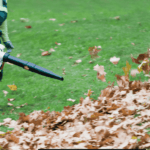
Tip: Use a broom or a leaf blower on a low setting to help dislodge webs from plants and structures before physically pulling them off. This can make the removal process faster and less damaging to foliage.
Alternatives to Traditional Fake Spider Webs
If you’re concerned about the environmental impact of synthetic webs or want to explore different decorative options, several alternatives can achieve a similar aesthetic. Natural elements offer a more sustainable and often more organic-looking approach to seasonal decor.
What If Your Patio Became Your Favorite Spot This Fall?
Cooler evenings don’t have to send everyone indoors. Discover simple ways to turn your porch or patio into a warm, cozy place to gather after sunset.
For a truly natural “web” effect, you can use dried grass strands, fine twigs, or even some types of dried moss. These can be carefully arranged to mimic the look of webs. Another idea is to use natural fibers like unspun wool or cotton batting, which are biodegradable.
While these might not stretch as thinly as synthetics, they offer a softer, more textured appearance and pose less risk to wildlife.
For those who still prefer a web-like structure but want to avoid single-use synthetics, consider investing in reusable decorative items. Some companies offer fabric or plastic webs designed for multiple seasons. You can also explore crafting your own webs using materials like twine or yarn, which can then be stored and reused year after year.
| Alternative | Pros | Cons |
|---|---|---|
| Dried Grass/Twigs | Biodegradable, natural look, readily available | Less stringy, can be brittle, might attract pests if left too long |
| Unspun Wool/Cotton Batting | Biodegradable, soft texture, can be shaped | Can clump, may not achieve a thin web effect, potential fire hazard if near heat |
| Reusable Fabric/Plastic Webs | Durable, can be used for years, easier to clean | Can still pose entanglement risk, environmental impact of production/disposal |
| DIY Yarn/Twine Webs | Customizable, reusable, control over material | Requires crafting time, might not look as realistic as store-bought |
When choosing alternatives, think about the overall aesthetic you want to achieve and how the material will interact with your garden environment. Prioritizing biodegradable or reusable materials is always a step towards more responsible decorating.
Frequently Asked Questions
Are fake spider webs toxic to dogs or cats?
Most common fake spider webs are made from synthetic materials like polyester, which are not inherently toxic. However, if ingested, they can cause gastrointestinal upset or blockages, so it’s best to keep them out of reach of pets.
Can fake spider webs catch fire?
While synthetic materials used in fake spider webs are often treated to be flame-retardant, they can still be flammable. It’s advisable to keep them away from open flames, heat sources, or spark-producing areas.
What If Your Patio Became Your Favorite Spot This Fall?
Cooler evenings don’t have to send everyone indoors. Discover simple ways to turn your porch or patio into a warm, cozy place to gather after sunset.
How do I clean fake spider webs from bushes without damaging them?
Use a soft brush or broom to gently sweep the webs away. For stubborn strands, a light spray of water can help loosen them. Avoid pulling forcefully, as this can damage plant leaves and stems.
What are the best fake spider webs for a spooky effect?
For a truly spooky effect, look for webs that stretch very thinly and can be draped to create a wispy, ethereal look. Some products come with plastic spiders for added realism. The key is good coverage without being too dense.
How long should I leave fake spider webs up outdoors?
It’s recommended to leave fake spider webs up only for the duration of the holiday or event, typically no more than a week or two. Prompt removal prevents entanglement risks for wildlife and avoids potential damage to plants.
Final Thoughts
Using fake spider webs for outdoor decor can undoubtedly add a festive touch. By understanding the materials they’re made from and their potential impact, you can make informed choices. Prioritizing safety for birds, insects, and your plants through mindful installation, regular checks, and timely removal is paramount.
Ultimately, a little caution goes a long way in ensuring your decorations are both visually appealing and environmentally responsible.
What If Your Patio Became Your Favorite Spot This Fall?
Cooler evenings don’t have to send everyone indoors. Discover simple ways to turn your porch or patio into a warm, cozy place to gather after sunset.