Last Updated on October 22, 2026 by D. Ruddy
Nothing stings like opening your fridge to find wilted greens or mushy berries just days after grocery day. How to keep produce fresh longer in fridge starts with knowing that each fruit and vegetable has its own ideal storage conditions. This guide covers the science-backed methods to extend freshness, reduce waste, and save money without complicated gadgets.
Store herbs like flowers in water, keep mushrooms in paper bags, and separate ethylene producers from sensitive items. These small changes can double the life of your groceries.
Why Produce Spoils So Quickly in the Fridge
Ethylene gas is the invisible culprit speeding up ripening and spoilage. Some fruits like apples and avocados release high amounts of this natural plant hormone. When stored near ethylene-sensitive items like leafy greens or broccoli, it accelerates their deterioration.
Moisture loss is another major factor. Most vegetables lose water through their skin, leading to wilting. The fridge’s dry environment pulls moisture out of unprotected produce.
Meanwhile, some fruits like tomatoes and bananas actually suffer in cold temperatures below 50°F.
Temperature fluctuations also play a role. Every time you open the fridge door, warm air enters and creates condensation. This moisture promotes mold growth on surfaces.
Additionally, improper packaging can trap moisture or prevent necessary airflow.
- Ethylene producers: Apples, avocados, bananas, cantaloupes, peaches, pears, plums
- Ethylene sensitive: Broccoli, cabbage, cauliflower, cucumbers, lettuce, parsley, peas, peppers, spinach, watermelon
- High moisture content items: Berries, leafy greens, herbs, cucumbers
- Cold-sensitive produce: Tomatoes, potatoes, bananas, tropical fruits
- Dry storage items: Onions, garlic, winter squash
Warning: Never store potatoes and onions together. They release gases that cause each other to spoil faster.
Proper Fridge Organization for Maximum Freshness
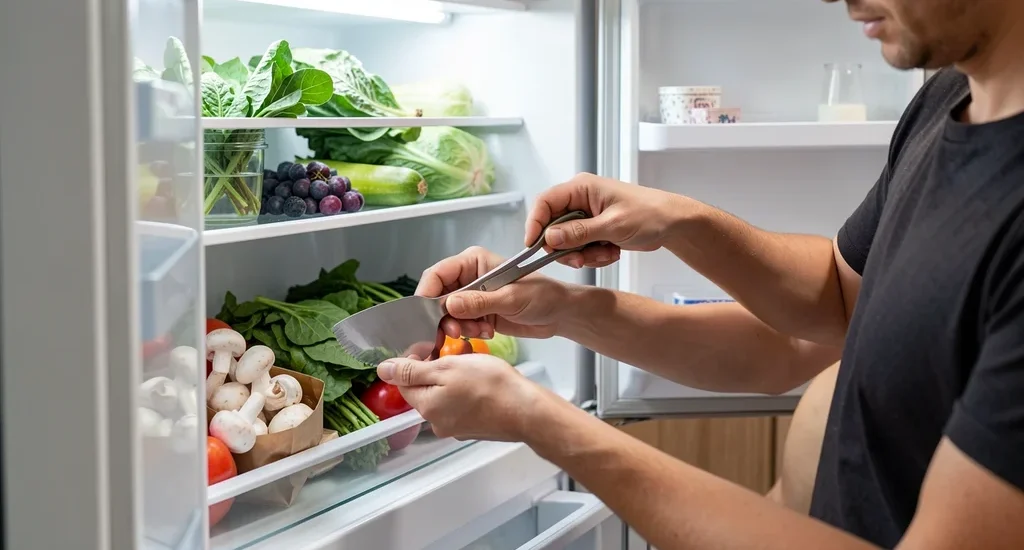
Your fridge’s layout isn’t random—each zone has different temperature and humidity levels. The coldest spots are typically the back of the bottom shelf and the meat drawer. The warmest areas are the door shelves, which can be 10-15°F warmer than the main compartment.
Most refrigerators have two produce drawers with humidity controls. The high-humidity drawer (usually marked for vegetables) maintains about 90% humidity, ideal for leafy greens and most vegetables. The low-humidity drawer (about 60% humidity) works better for fruits and items that tend to rot in moist conditions.
| Fridge Zone | Temperature Range | Best For |
|---|---|---|
| Top Shelf | 35-38°F | Leftovers, ready-to-eat foods |
| Middle Shelf | 35-38°F | Dairy, eggs, delicate produce |
| Bottom Shelf | 33-35°F | Meat, seafood, most vegetables |
| High-Humidity Drawer | 32-40°F | Leafy greens, broccoli, carrots, herbs |
| Low-Humidity Drawer | 32-40°F | Fruits, melons, onions, garlic |
| Door Shelves | 40-45°F | Condiments, juices, butter |
Proper organization prevents cross-contamination and temperature fluctuations. Keep raw meats on the bottom shelf where it’s coldest to prevent drips onto other foods. Store dairy products in the middle where temperatures are most consistent.
Best Containers and Packaging Methods
The right packaging can make the difference between fresh produce lasting days versus weeks. The key is balancing moisture retention with airflow. Different produce items have different needs based on their respiration rates and moisture content.
For leafy greens, rigid containers with ventilation are ideal. These allow airflow while protecting the greens from getting crushed. Look for containers with small holes or use the ventilation settings on your produce drawers.
Mason jars work exceptionally well for herbs and some vegetables when stored upright with water.
Berries benefit from containers that allow airflow while preventing moisture buildup. The original clamshell containers they come in are actually quite good if you add a paper towel to absorb excess moisture. For bulk berries, use shallow containers lined with paper towels.
| Produce Type | Best Container | Special Treatment |
|---|---|---|
| Leafy Greens | Ventilated plastic container | Line with paper towel, don’t wash before storing |
| Berries | Shallow container with lid | Add paper towel, don’t wash until ready to eat |
| Herbs | Mason jar with water | Trim stems, change water every 2-3 days |
| Mushrooms | Paper bag | Don’t wash, store whole |
| Carrots, Celery | Sealed container with water | Submerge roots in water, change every few days |
| Asparagus | Upright in jar with water | Trim ends, cover tops with plastic bag |
Avoid airtight containers for most produce as they trap ethylene gas and moisture, which speeds up spoilage. The exception is cut fruits and vegetables, which should be stored in airtight containers to prevent oxidation and moisture loss.
Tip: For herbs like cilantro and parsley, trim the stems and place them in a jar with an inch of water, then cover loosely with a plastic bag. They’ll stay fresh for 2-3 weeks.
Temperature and Humidity Control Tips
Most refrigerators operate between 35-38°F, but the ideal temperature for produce storage is closer to 32-34°F. According to the USDA, proper refrigerator temperature can extend the shelf life of many fruits and vegetables by 50% or more. Invest in a fridge thermometer to monitor the actual temperature, as the built-in settings aren’t always accurate.
Humidity is equally important. High humidity (85-95%) is best for most vegetables, as it prevents moisture loss. Low humidity (60-70%) works better for fruits, which tend to rot in moist conditions.
If your fridge doesn’t have humidity-controlled drawers, you can create similar conditions using different packaging methods.
For high-humidity storage, use perforated plastic bags or containers with ventilation. This allows some airflow while maintaining moisture. For low-humidity storage, use paper bags or containers without lids to allow more airflow and reduce moisture buildup.
- Check your fridge temperature with a thermometer and adjust as needed
- Use the humidity controls on your produce drawers correctly
- Group similar items together based on their storage needs
- Avoid overpacking the fridge to allow proper airflow
- Don’t store produce near the fridge vents where cold air blows directly
- Keep the fridge at least 75% full for optimal efficiency
Ethylene Gas Management Strategies
Ethylene gas is both your friend and enemy when it comes to produce storage. Some fruits need ethylene to ripen properly, while others are highly sensitive to it. The key is to separate ethylene producers from ethylene-sensitive items.
Apples are one of the highest ethylene producers, releasing up to 10 times more ethylene than other fruits. A single apple can affect the ripening of nearby produce within a 3-foot radius. Other high producers include avocados, bananas, peaches, and pears.
These should be stored separately from sensitive items.
Ethylene-sensitive produce includes most leafy greens, broccoli, cabbage, cauliflower, cucumbers, and many herbs. These items will wilt, yellow, or develop spots much faster when exposed to ethylene gas. Even some fruits like watermelon and cantaloupe are sensitive to ethylene and should be kept away from high producers.
- Separate ethylene producers from sensitive items by at least one drawer or shelf
- Use the low-humidity drawer for most ethylene-producing fruits
- Store ethylene-sensitive vegetables in the high-humidity drawer
- Consider ethylene absorbers like activated charcoal or commercial products
- Remove overripe fruits immediately as they produce even more ethylene
- Store bananas and apples on the counter if they’re not fully ripe yet
Important: Never store avocados with bananas. The ethylene from bananas will cause avocados to ripen too quickly, often leading to uneven ripening and spoilage.
Prep Work Before Storing Produce
How you handle produce before it goes into the fridge can significantly impact its longevity. The general rule is to minimize moisture and damage. Start by sorting through your produce and removing any items that are already damaged or starting to spoil, as one bad piece can quickly affect others.
For most vegetables, it’s best not to wash them before storage. Excess moisture promotes bacterial growth and speeds up spoilage. The exception is leafy greens, which should be washed to remove dirt and potential contaminants.
However, they must be thoroughly dried before storage to prevent sliminess.
Cutting or chopping produce before storage increases its respiration rate, leading to faster spoilage. Whole fruits and vegetables last much longer than pre-cut versions. If you must prep ahead, store cut produce in airtight containers with a paper towel to absorb moisture.
- Sort and inspect all produce, removing any damaged items
- Don’t wash most vegetables before storage (except leafy greens)
- Dry thoroughly any washed produce with a salad spinner or clean towel
- Remove rubber bands or ties from bunched items like herbs or greens
- Trim stems from herbs and some vegetables to reduce moisture loss
- Leave whole whenever possible – cut only what you’ll use immediately
- Pat dry berries and other high-moisture items before storage
Common Mistakes That Ruin Produce
Even with good intentions, many people make mistakes that shorten their produce’s lifespan. One of the most common is washing everything before storage. While it might seem more hygienic, the excess moisture promotes spoilage.
Another mistake is storing produce in the original packaging without any modification.
Many store-bought vegetables come in plastic bags that trap moisture. Transferring them to better containers can extend their life significantly. Similarly, leaving herbs in their original plastic clamshells without any water or airflow will cause them to wilt within days.
Temperature abuse is another major issue. Letting produce sit at room temperature for too long before refrigeration can jumpstart the spoilage process. According to a study by the University of California, Davis, produce left at room temperature for just two hours can lose up to 50% of its potential shelf life.
- Washing before storage: Adds moisture that promotes bacterial growth
- Storing in original packaging: Often traps moisture or lacks proper ventilation
- Overcrowding the fridge: Restricts airflow and creates hot spots
- Ignoring ethylene gas: Storing sensitive items near producers
- Not checking temperature: Fridge might be warmer than you think
- Storing cold-sensitive items in the fridge (tomatoes, potatoes, bananas)
- Mixing different produce types without considering their needs
Warning: Never store potatoes in the fridge. The cold temperatures convert their starches into sugars, which can lead to a sweet taste and potentially harmful acrylamide formation when cooked at high temperatures.
Pro Tips for Specific Produce Items
While the general principles apply to most produce, some items have unique requirements for optimal storage. Berries, for example, are particularly susceptible to moisture and mold. Storing them unwashed in a shallow container lined with paper towels can extend their life by several days.
Leafy greens benefit from being wrapped in a dry paper towel before being placed in a container. This absorbs excess moisture that would otherwise cause sliminess. For herbs like cilantro and parsley, treating them like cut flowers by placing the stems in water can keep them fresh for weeks.
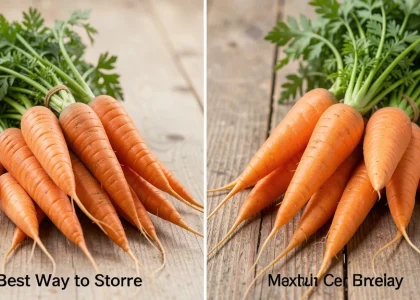
Root vegetables like carrots and radishes last much longer when their green tops are removed. The tops continue to draw moisture from the roots, causing them to become limp. Similarly, asparagus stays fresher when stored upright in a jar with an inch of water, with the tops covered by a plastic bag.
| Produce | Best Storage Method | Shelf Life |
|---|---|---|
| Strawberries | Unwashed, in shallow container with paper towel | 5-7 days |
| Spinach | Washed, dried, in container with paper towel | 7-10 days |
| Cilantro | Stems in water, covered loosely with bag | 2-3 weeks |
| Carrots | Tops removed, in sealed container with water | 2-3 weeks |
| Asparagus | Upright in jar with water, tops covered | 1-2 weeks |
| Mushrooms | In paper bag, unwashed | 5-7 days |
| Bell Peppers | Whole, in low-humidity drawer | 1-2 weeks |
For mushrooms, the paper bag method works best because it allows the mushrooms to breathe while absorbing excess moisture. Plastic bags cause mushrooms to become slimy quickly. Tomatoes should never be refrigerated unless they’re fully ripe and you need to slow down further ripening.
Frequently Asked Questions
Should I wash produce before storing it in the fridge?
Generally no, excess moisture promotes spoilage. The exception is leafy greens, which should be washed and thoroughly dried before storage. For other produce, it’s better to wash just before eating.
This prevents bacterial growth that can occur in damp conditions.
How do I know if my fridge is cold enough for produce?
Use a fridge thermometer to check the temperature, which should be between 32-40°F. The USDA recommends 40°F or below for food safety, but for optimal produce storage, closer to 32-34°F is ideal. If your fridge doesn’t have a thermometer, consider getting one for accurate monitoring.
Can I store fruits and vegetables together?
It depends on the types. Many fruits produce ethylene gas that can cause nearby vegetables to spoil faster. Keep ethylene producers like apples, bananas, and avocados separate from ethylene-sensitive items like leafy greens, broccoli, and cucumbers.
Use different drawers or shelves for each group.
Why do my berries always get moldy so quickly?
Berries are highly perishable due to their high moisture content and delicate skins. To prevent mold, store them unwashed in a shallow container lined with paper towels to absorb moisture. Check them regularly and remove any moldy berries immediately to prevent it from spreading to others.
What’s the best way to store fresh herbs?
Most herbs do best when treated like cut flowers. Trim the stems and place them in a jar with an inch of water. Cover loosely with a plastic bag and store in the fridge.
Change the water every 2-3 days. Hard-stemmed herbs like rosemary and thyme can be stored in the fridge wrapped in a damp paper towel.
Final Thoughts
Mastering how to keep produce fresh longer in fridge comes down to understanding each item’s needs and creating the right environment. Separate ethylene producers from sensitive items, use proper containers, and maintain the right temperature and humidity. Small changes in how you store produce can make a big difference in reducing waste and saving money.