Last Updated on October 22, 2026 by D. Ruddy
If you’ve harvested a bumper crop of beets and want to preserve their freshness, how to freeze beets from garden is a simple process that locks in flavor and nutrients. Freezing beets properly ensures they retain their texture and taste for months, making them ready for soups, stews, or roasting whenever you need them. Unlike canning, freezing requires minimal equipment and keeps the natural sweetness intact.
You can freeze beets from your garden by blanching, cooling, peeling, and packing them in airtight containers. This method preserves their color, texture, and nutrients for up to 12 months without losing quality.
What You Need to Freeze Garden Beets
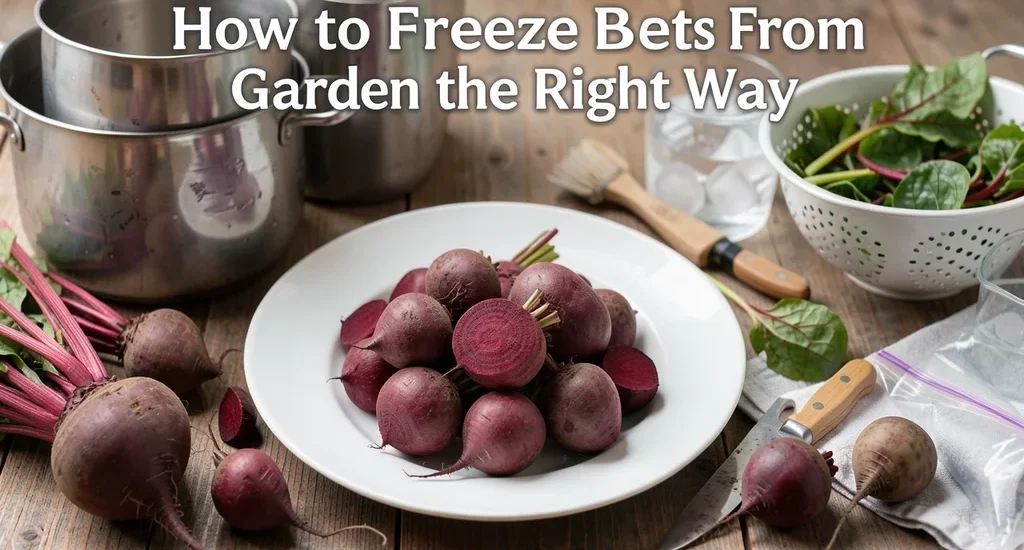
Before you start, gather the essential tools and ingredients to ensure a smooth process. Having everything ready will save time and prevent the beets from spoiling during preparation.
Start with fresh, firm beets from your garden. Choose medium-sized beets for the best texture after freezing. You’ll also need a large pot for blanching, a bowl of ice water, a sharp knife, and a peeler.
Airtight containers or freezer bags are crucial to prevent freezer burn. A colander will help with draining, and kitchen towels or paper towels will assist in drying the beets thoroughly.
Optional but helpful items include a vegetable brush for cleaning, a timer for precise blanching, and a vacuum sealer for extended freshness. If you plan to freeze beet greens separately, prepare another blanching setup for them.
- Fresh garden beets (medium-sized, firm)
- Large pot for boiling
- Bowl of ice water
- Sharp knife and peeler
- Airtight containers or heavy-duty freezer bags
- Colander
- Kitchen towels or paper towels
- Vegetable brush (optional)
- Timer
- Vacuum sealer (optional)
Tip: Use beets that are 1-3 inches in diameter for the best results. Larger beets can become tough or fibrous after freezing.
Step by Step How to Freeze Beets From Garden
Freezing beets is a straightforward process, but each step must be followed carefully to maintain quality. The key is blanching, which stops enzyme activity that can degrade flavor and texture over time. Here’s how to do it right:
- Clean the Beets
Rinse the beets under cold running water to remove dirt and debris. Use a vegetable brush to scrub off any stubborn soil. Avoid soaking them, as this can dilute their flavor.
Trim the tops, leaving about 1 inch of stem to prevent bleeding during cooking. Do not remove the taproot.
- Blanch the Beets
Bring a large pot of water to a rolling boil. Add the beets and blanch small beets for 25-30 minutes or large beets for 45-50 minutes. The goal is to cook them until they are tender but still firm.
Use a timer to ensure accuracy, as under-blanching can lead to poor texture, while over-blanching can make them mushy.
- Cool Immediately
As soon as the blanching time is up, transfer the beets to a bowl of ice water to stop the cooking process. Let them cool completely, which usually takes 10-15 minutes. This step is critical to preserve their color and texture.
- Peel and Trim
Once cooled, drain the beets and pat them dry with a kitchen towel. Use a peeler or knife to remove the skin, which should come off easily after blanching. Trim off the stems and taproot.
If desired, you can leave the beets whole, slice them, or cut them into cubes or julienne strips.
- Pack for Freezing
Place the beets in airtight containers or freezer bags, leaving ½ inch of headspace for whole beets or ¼ inch for slices. Remove as much air as possible to prevent freezer burn. If using freezer bags, lay them flat to save space and allow for even freezing.
- Label and Freeze
Label each container with the date and contents. Freeze the beets at 0°F (-18°C) or lower. They will keep for up to 12 months, though they are best used within 8-10 months for optimal quality.
Important: Do not skip the blanching step. It is essential for preserving the color, texture, and flavor of your beets during freezing.
How to Freeze Beet Greens
Don’t discard the leafy greens attached to your beets—they’re packed with nutrients and can also be frozen for later use. Beet greens freeze well and can be used in soups, stews, or sautéed as a side dish. The process is similar to freezing other leafy greens like spinach or kale.
Start by thoroughly washing the greens to remove any dirt or sand. Trim the stems and discard any wilted or damaged leaves. Blanch the greens in boiling water for 2 minutes, then immediately plunge them into ice water to cool.
Drain and squeeze out as much moisture as possible. Pack the greens into airtight containers or freezer bags, removing as much air as possible before sealing.
- Wash greens thoroughly to remove dirt
- Trim stems and remove damaged leaves
- Blanch for 2 minutes in boiling water
- Cool in ice water immediately
- Drain and squeeze out excess moisture
- Pack in airtight containers or freezer bags
- Label with date and contents
| Blanching Times for Beets and Greens | Size/Type | Blanching Time |
|---|---|---|
| Whole beets | Small (1-2 inches) | 25-30 minutes |
| Whole beets | Medium (2-3 inches) | 30-40 minutes |
| Whole beets | Large (3+ inches) | 45-50 minutes |
| Beet greens | All sizes | 2 minutes |
Blanching times vary based on the size of the beets and whether you are freezing the roots or greens. Always cool the vegetables immediately after blanching to stop the cooking process.
Preparing Beets for Freezing Different Ways
Depending on how you plan to use your frozen beets, you can prepare them in different forms. Each method has its advantages, so consider your future cooking needs when deciding how to prep them before freezing.
Whole Beets
Freezing whole beets is the simplest method and works well if you plan to use them in soups, roasts, or as a side dish. Whole beets retain their shape and texture better than sliced or diced beets. After blanching, cooling, and peeling, simply pack them into freezer-safe containers.
Whole beets are also easier to portion out later, as you can thaw only what you need for a recipe.
- Best for soups, roasting, or boiling
- Retains shape and texture well
- Easy to portion
- Longer blanching time required
Sliced or Cubed Beets
Slicing or cubing beets before freezing is ideal for quick cooking applications like stir-fries, salads, or stews. This method allows the beets to thaw and cook more evenly. To prepare, blanch the whole beets first, then peel, slice, or cube them before packing.
Sliced beets may require slightly less blanching time than whole beets, but the initial blanching step is still essential for preserving quality.
- Ideal for stir-fries, salads, and stews
- Cooks more quickly after thawing
- Can be used directly in recipes without further chopping
- May require slightly more space in the freezer
Grated Beets
If you enjoy using beets in recipes like borscht, latkes, or beet salads, grating them before freezing can save you time later. After blanching and peeling, grate the beets and pack them into airtight containers. Grated beets can be added directly to recipes from frozen, making them a convenient option for busy cooks.
However, they may lose some texture after thawing, so they are best used in cooked dishes rather than raw applications.
- Great for borscht, latkes, and salads
- Can be used directly from frozen in cooked dishes
- Saves prep time later
- Texture may soften after thawing
| Preparation Method | Best For | Blanching Time | Storage Life |
|---|---|---|---|
| Whole | Soups, roasting, boiling | 25-50 minutes | 12 months |
| Sliced/Cubed | Stir-fries, salads, stews | 25-40 minutes | 10-12 months |
| Grated | Borscht, latkes, salads | 25-30 minutes | 8-10 months |
Choose the preparation method based on your intended use. Whole beets are versatile, while sliced or grated beets offer convenience for specific recipes.
Thawing Frozen Beets Properly
Thawing frozen beets correctly is just as important as freezing them properly. Improper thawing can lead to a loss of texture, flavor, or even food safety issues. The method you choose depends on how you plan to use the beets and the time you have available.
Refrigerator Thawing
This is the safest and most recommended method for thawing frozen beets. Transfer the beets from the freezer to the refrigerator and allow them to thaw overnight or for about 6-8 hours. This slow thawing process helps maintain their texture and prevents the growth of harmful bacteria.
Once thawed, use the beets within 3-4 days for the best quality.
- Safest method for thawing
- Preserves texture and flavor
- Prevents bacterial growth
- Requires planning ahead
Cold Water Thawing
If you need to thaw beets quickly, you can use the cold water method. Seal the beets in a leak-proof plastic bag and submerge them in cold water. Change the water every 30 minutes to ensure it stays cold.
Small portions may thaw in 1-2 hours, while larger amounts can take 3-4 hours. Once thawed, cook the beets immediately to ensure food safety.
- Faster than refrigerator thawing
- Good for last-minute cooking
- Requires frequent water changes
- Must cook immediately after thawing
Cooking From Frozen
For many recipes, you can cook beets directly from frozen without thawing first. This works particularly well for soups, stews, or roasting. Simply add the frozen beets to your dish and extend the cooking time slightly to account for their frozen state.
This method is convenient and can save time, but it may result in slightly softer beets compared to thawing first.
- Convenient and time-saving
- Works well for cooked dishes
- No need to thaw ahead of time
- May result in softer texture
Warning: Never thaw beets at room temperature or in warm water. This can promote bacterial growth and lead to foodborne illness.
Common Mistakes to Avoid When Freezing Beets
Even with the best intentions, it’s easy to make mistakes when freezing beets that can compromise their quality. Being aware of these common pitfalls will help you achieve the best results and avoid wasting your hard-earned garden harvest.
- Skipping the Blanching Step
Blanching is essential for preserving the color, texture, and flavor of beets. Skipping this step can result in beets that are dull, mushy, or off-flavored after freezing. Always blanch beets before freezing to inactivate enzymes that cause degradation.
- Under or Over-Blanching
Blanching times vary depending on the size of the beets. Under-blanching can leave enzymes active, leading to poor texture and flavor, while over-blanching can make the beets mushy. Follow the recommended blanching times closely for the best results.
- Not Cooling Beets Quickly Enough
After blanching, it’s crucial to cool the beets in ice water immediately to stop the cooking process. If you leave them in the hot water or let them cool at room temperature, they will continue cooking, leading to overcooked beets.
- Leaving Too Much Air in the Packaging
Air is the enemy of frozen foods, as it can cause freezer burn and degrade quality over time. Use airtight containers or freezer bags, and remove as much air as possible before sealing. A vacuum sealer can be a worthwhile investment for this reason.
- Freezing Beets Without Peeling
While it might seem like a time-saver, freezing beets with the skin on can lead to a tough or bitter texture after thawing. Always peel the beets after blanching and cooling but before freezing to ensure the best quality.
- Using Inadequate Packaging
Thin plastic bags or containers that aren’t freezer-safe can lead to freezer burn and spoilage. Invest in high-quality freezer bags or airtight containers designed for long-term freezer storage.
Tip: To test if your packaging is freezer-safe, fill it with water and place it in the freezer overnight. If it cracks or leaks, it’s not suitable for freezing.
Best Containers for Freezing Beets
Choosing the right container for freezing beets can make a significant difference in their longevity and quality. The best containers are those that are airtight, durable, and designed for freezer use. Here are some of the top options to consider:
Airtight Plastic Containers
Airtight plastic containers are a popular choice for freezing beets because they are reusable, easy to stack, and provide excellent protection against freezer burn. Look for containers specifically labeled as freezer-safe, as these are designed to withstand low temperatures without cracking or warping. They come in various sizes, allowing you to portion your beets as needed.
- Reusable and eco-friendly
- Easy to stack and organize in the freezer
- Provides excellent protection against freezer burn
- Can be expensive upfront
- Takes up more space than freezer bags
Heavy-Duty Freezer Bags
Heavy-duty freezer bags are a space-saving and cost-effective option for freezing beets. They are designed to withstand low temperatures and prevent freezer burn. To use them effectively, squeeze out as much air as possible before sealing, and lay them flat in the freezer to save space.
Freezer bags are also convenient for portioning out smaller amounts of beets.
- Space-saving and flexible
- Cost-effective
- Easy to portion
- Not as durable as plastic containers
- Can be difficult to remove all air
Vacuum-Sealed Bags
Vacuum-sealed bags are one of the best options for long-term freezer storage. They remove all air from the packaging, which significantly reduces the risk of freezer burn and extends the shelf life of your beets. Vacuum sealers are an investment, but they can pay off if you frequently freeze large quantities of produce.
- Removes all air, preventing freezer burn
- Extends shelf life
- Space-efficient
- Requires a vacuum sealer machine
- Bags cannot be reused
Glass Jars
Glass jars can also be used for freezing beets, but they require some caution. Choose wide-mouth jars specifically designed for freezer use, as regular jars may crack under temperature changes. Leave at least 1 inch of headspace to allow for expansion, and avoid overfilling.
Glass jars are eco-friendly and reusable, but they can be heavy and take up more space in the freezer.
- Eco-friendly and reusable
- Does not absorb odors or stains
- Heavy and takes up more space
- Risk of cracking if not freezer-safe
- Can be expensive
| Container Type | Best For | Pros | Cons |
|---|---|---|---|
| Airtight Plastic Containers | Long-term storage, portioning | Reusable, stackable, airtight | Expensive, bulky |
| Heavy-Duty Freezer Bags | Space-saving, portioning | Flexible, cost-effective, easy to use | Less durable, air removal can be tricky |
| Vacuum-Sealed Bags | Long-term storage | No air, extended shelf life, space-efficient | Requires vacuum sealer, bags not reusable |
| Glass Jars | Eco-friendly storage | Reusable, odor-proof, non-toxic | Heavy, bulky, risk of cracking |
Each container type has its advantages and drawbacks. Choose the one that best fits your needs based on storage space, budget, and how long you plan to store the beets.
How to Use Frozen Beets in Recipes
Frozen beets are incredibly versatile and can be used in a variety of recipes. Whether you’re making a hearty soup, a vibrant salad, or a flavorful side dish, frozen beets can be a convenient and nutritious addition. Here are some creative ways to incorporate them into your meals:
Soups and Stews
Frozen beets work wonderfully in soups and stews, where their sweet and earthy flavor can shine. Add them directly to the pot from frozen, and they’ll cook along with the other ingredients. Beet soup, or borscht, is a classic dish that highlights the natural sweetness of beets.
You can also add frozen beets to vegetable stews or beef stews for an extra layer of flavor.
- Borscht (traditional beet soup)
- Vegetable stew
- Beef stew
- Minestrone soup
- Creamy beet soup
Roasted Beets
Roasting frozen beets can bring out their natural sweetness and create a delicious caramelized flavor. To roast, thaw the beets first or cook them directly from frozen, adding a few extra minutes to the cooking time. Toss them with olive oil, salt, pepper, and your favorite herbs, then roast in the oven at 400°F (200°C) for 20-30 minutes, or until tender and slightly crispy.
- Toss with olive oil, salt, and pepper
- Add herbs like rosemary, thyme, or dill
- Roast at 400°F (200°C) for 20-30 minutes
- Serve as a side dish or add to salads
- Mix with other root vegetables for a roasted medley
Salads and Sides
Frozen beets can be thawed and used in salads or as a side dish. For salads, thaw the beets in the refrigerator and slice or cube them before adding to your favorite greens. Pair them with ingredients like goat cheese, walnuts, and a balsamic vinaigrette for a delicious and colorful salad.
For a simple side dish, sauté thawed beets with garlic and butter until heated through.
- Beet and goat cheese salad
- Roasted beet and walnut salad
- Beet and citrus salad
- Sautéed beets with garlic and butter
- Beet and feta side dish
Smoothies and Juices
Yes, you can even use frozen beets in smoothies and juices! Their natural sweetness pairs well with fruits like apples, berries, and oranges. Add frozen beets to your blender along with your favorite smoothie ingredients for a nutrient-packed drink.
You can also juice thawed beets for a refreshing and healthy beverage.
- Blend with apples, carrots, and ginger
- Add to berry smoothies for a sweet and earthy flavor
- Juice with oranges and celery
- Mix with yogurt and honey for a creamy smoothie
- Combine with other root vegetables for a nutrient boost
Important: If using frozen beets in raw applications like salads or smoothies, always thaw them in the refrigerator first to ensure food safety.
Frequently Asked Questions
Can I freeze beets without blanching?
No, blanching is a critical step that should not be skipped. It stops enzyme activity that can cause loss of flavor, color, and texture during freezing. Without blanching, beets can become mushy or develop off-flavors over time.
How long do frozen beets last?
Frozen beets will maintain their best quality for about 10-12 months in the freezer. After that, they are still safe to eat but may lose some flavor and texture. For optimal results, use them within 8-10 months.
Can I freeze beets with the skin on?
It’s best to peel beets before freezing to ensure the best texture and flavor after thawing. The skin can become tough or bitter in the freezer, and peeling after blanching is much easier than trying to peel raw or frozen beets.
Do I need to thaw beets before cooking?
It depends on the recipe. For soups, stews, or roasting, you can often cook beets directly from frozen. For salads, smoothies, or other raw applications, thaw the beets in the refrigerator first to ensure food safety and the best texture.
Can I freeze cooked beets?
Yes, you can freeze cooked beets, but the process is slightly different. Cook the beets until tender, cool them completely, then pack them into airtight containers or freezer bags. Cooked beets may have a softer texture after thawing, so they are best used in recipes where they will be cooked further.
Final Thoughts
Freezing beets from your garden is a rewarding way to preserve their freshness and enjoy their sweet, earthy flavor all year round. By following the steps outlined here—from cleaning and blanching to packing and storing—you can ensure your beets retain their quality and nutrients. Whether you choose to freeze them whole, sliced, or grated, the key is to use the right techniques and containers.
With properly frozen beets on hand, you’ll always have a versatile ingredient ready to enhance your favorite recipes.