Last Updated on October 22, 2026 by D. Ruddy
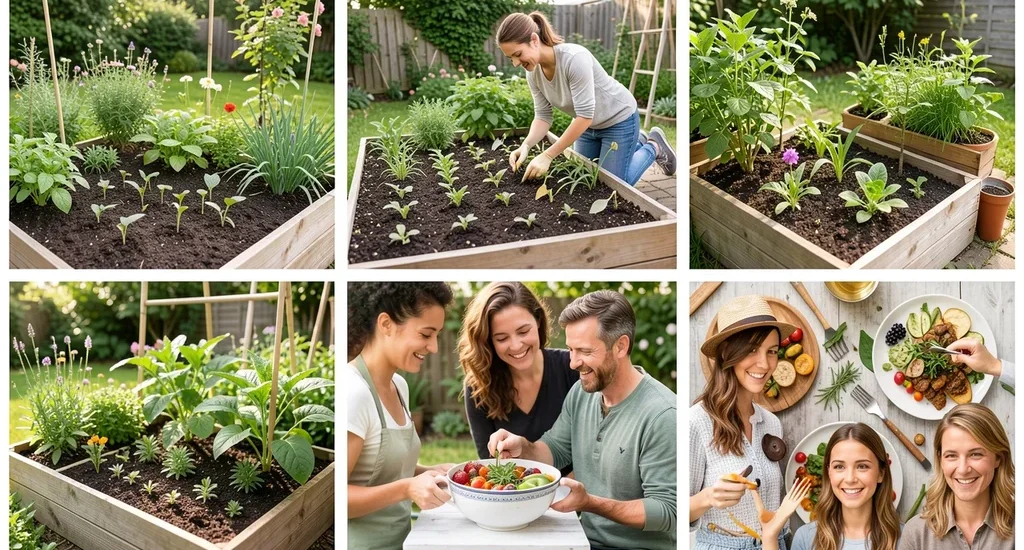
Starting a garden can feel overwhelming, but with the right approach, anyone can cultivate a lush, productive space. Gardening is not just about planting seeds—it’s about understanding soil, sunlight, and care to help your plants thrive. Whether you have a sprawling backyard or a small balcony, these tips will set you up for success.
You can transform any outdoor space into a flourishing garden by focusing on soil health, proper watering, and plant selection. Start small, stay consistent, and watch your efforts bloom into a rewarding hobby.
Why Gardening is Worth Your Time
Gardening offers more than just fresh produce or beautiful flowers. It’s a therapeutic activity that reduces stress and connects you with nature. Studies show that spending time in a garden can lower cortisol levels, improving mental well-being. Additionally, growing your own food ensures access to organic, pesticide-free produce, which is healthier for you and the environment.
Beyond personal benefits, gardening supports local ecosystems. Plants attract pollinators like bees and butterflies, which are crucial for biodiversity. Even small urban gardens contribute to cleaner air by absorbing carbon dioxide and releasing oxygen.
- Improves mental health by reducing anxiety and depression
- Provides fresh, organic produce for a healthier diet
- Supports local wildlife and pollinators
- Enhances curb appeal and property value
- Encourages physical activity through digging, planting, and weeding
Tip: Start with easy-to-grow plants like tomatoes, basil, or marigolds to build confidence before tackling more challenging varieties.
Choosing the Right Location for Your Garden
The success of your garden heavily depends on its location. Most plants require at least 6-8 hours of sunlight daily, so observe how sunlight moves across your space before planting. South-facing areas typically receive the most light, while north-facing spots may be shadier.
Consider accessibility as well. Your garden should be close to a water source to make irrigation easier. If you’re planting in containers, ensure they’re placed where you’ll see them often—this keeps you motivated to care for them.
| Factor | Ideal Conditions | Tips |
|---|---|---|
| Sunlight | 6-8 hours daily | Use a sunlight calculator app to track exposure |
| Soil Quality | Well-draining, rich in organic matter | Test soil pH and amend as needed |
| Water Access | Near a hose or irrigation system | Install a rain barrel for eco-friendly watering |
If your space lacks natural light, consider shade-tolerant plants like ferns, hostas, or leafy greens. Alternatively, use grow lights for indoor gardening setups.
Essential Gardening Tools You Actually Need
Investing in the right tools makes gardening more efficient and enjoyable. While it’s tempting to buy every gadget, focus on the basics first. A high-quality trowel, pruners, and gardening gloves are non-negotiable. These tools handle most tasks, from planting seedlings to trimming overgrowth.
For larger gardens, a sturdy spade or shovel is essential for digging and turning soil. A garden fork helps aerate the earth, improving drainage and root growth. If you’re dealing with weeds, a hand weeder or hoe will save you hours of back-breaking work.
- Hand Trowel – Perfect for planting small plants and digging holes for seedlings.
- Pruners – Essential for trimming dead branches and shaping shrubs.
- Gardening Gloves – Protect your hands from thorns, dirt, and blisters.
- Watering Can or Hose – Ensures consistent hydration for your plants.
- Garden Fork – Loosens compacted soil and mixes in compost.
- Rake – Clears leaves and debris while leveling soil surfaces.
- Wheelbarrow – Hauls heavy materials like soil, mulch, or plants with ease.
Important: Clean your tools after each use to prevent rust and extend their lifespan. A simple wipe-down and occasional oil application keep them in top condition.
Understanding Soil and How to Improve It
Healthy soil is the foundation of a thriving garden. Soil provides plants with essential nutrients, water, and oxygen. However, not all soil is created equal. Sandy soil drains quickly but lacks nutrients, while clay soil retains moisture but can become compacted. The ideal soil—loamy soil—is a balanced mix of sand, silt, and clay.
To improve your soil, start with a soil test. Kits are available at garden centers and provide insights into pH levels and nutrient deficiencies. Most plants prefer a slightly acidic to neutral pH (6.0-7.0). Based on the results, amend your soil with organic matter like compost, aged manure, or peat moss.
- Compost – Adds nutrients and improves soil structure.
- Peat Moss – Retains moisture and loosens heavy soil.
- Perlite or Vermiculite – Enhances drainage in container gardens.
- Lime or Sulfur – Adjusts pH levels as needed.
- Sand – Improves drainage in clay-heavy soils.
| Soil Type | Characteristics | Best For | Improvement Tips |
|---|---|---|---|
| Sandy | Drains quickly, low in nutrients | Drought-tolerant plants like cacti | Add compost and organic matter |
| Clay | Retains moisture, compacts easily | Moisture-loving plants like willows | Mix in sand and organic matter |
| Loamy | Well-balanced, fertile | Most plants thrive | Maintain with regular composting |
According to the USDA, healthy soil can increase plant yield by up to 30%. Prioritizing soil health ensures long-term success in your garden.
Watering Your Garden the Right Way
Water is life for your plants, but too much or too little can spell disaster. The key is consistency and precision. Most plants prefer deep, infrequent watering over frequent shallow sprinkles. This encourages roots to grow deeper, making plants more drought-resistant.
The best time to water is early in the morning. This reduces evaporation and allows foliage to dry before evening, minimizing the risk of fungal diseases. Avoid watering during the heat of the day, as much of the water will evaporate before reaching the roots.
- Check Soil Moisture – Stick your finger 1-2 inches into the soil. If it’s dry, it’s time to water.
- Use Drip Irrigation – Delivers water directly to roots, reducing waste.
- Avoid Overhead Watering – Prevents leaf diseases and water waste.
- Water Deeply – Ensure water reaches the root zone (6-12 inches deep).
- Mulch Your Garden – Retains moisture and suppresses weeds.
Warning: Overwatering can lead to root rot and fungal growth. Always let the soil dry slightly between watering sessions.
| Plant Type | Watering Frequency | Signs of Overwatering | Signs of Underwatering |
|---|---|---|---|
| Vegetables | 1 inch per week | Yellowing leaves, mold | Wilting, dry soil |
| Flowers | 1-1.5 inches per week | Root rot, drooping | Crispy edges, slow growth |
| Shrubs/Trees | Deep watering weekly | Leaf drop, fungus | Brown leaves, cracked soil |
Best Plants for Beginner Gardeners
If you’re new to gardening, start with low-maintenance plants that forgive minor mistakes. These varieties are hardy, adaptable, and produce satisfying results with minimal effort. Focus on plants that match your climate and soil conditions for the best chance of success.
Vegetables like lettuce, radishes, and green beans grow quickly and tolerate a range of conditions. Herbs such as basil, mint, and parsley thrive in containers and require little space. For flowers, marigolds, sunflowers, and zinnias are excellent choices—they’re colorful, easy to grow, and attract pollinators.
- Lettuce – Fast-growing, cold-hardy, and perfect for salads. Harvest leaves as needed.
- Radishes – Ready in as little as 3-4 weeks. Great for teaching kids about gardening.
- Green Beans – Drought-tolerant and productive. Grow on trellises to save space.
- Basil – Thrives in pots and pairs well with tomatoes. Pinch back flowers to encourage leaf growth.
- Marigolds – Pest-repellent and vibrant. Plant near vegetables to deter insects.
- Sunflowers – Drought-resistant and dramatic. Provide support for tall varieties.
- Zinnias – Long-lasting blooms that attract butterflies. Deadhead to promote more flowers.
Tip: Plant companion plants together to improve growth and deter pests. For example, basil enhances tomato flavor and repels aphids.
Common Gardening Mistakes to Avoid
Even experienced gardeners make mistakes, but beginners can sidestep common pitfalls with a little knowledge. Overcrowding plants is a frequent error—giving each plant enough space ensures proper air circulation and reduces disease risk. Always check seed packets or plant tags for spacing recommendations.
Another mistake is neglecting soil preparation. Skipping soil amendments or failing to test pH can lead to poor plant performance. Additionally, inconsistent watering—either too much or too little—stresses plants and stunts growth.
- Overplanting – Resist the urge to fill every inch. Follow spacing guidelines.
- Ignoring Soil Health – Test and amend soil before planting.
- Inconsistent Watering – Develop a schedule and stick to it.
- Planting at the Wrong Time – Follow your hardiness zone’s frost dates.
- Neglecting Pest Control – Monitor plants regularly for signs of trouble.
- Using Poor-Quality Seeds – Invest in reputable seed suppliers for better germination.
- Over-Fertilizing – Too much fertilizer can burn roots. Follow package instructions.
| Mistake | Impact | Solution |
|---|---|---|
| Overcrowding | Poor air circulation, disease | Follow spacing guidelines on seed packets |
| Poor Soil | Stunted growth, nutrient deficiencies | Test soil and amend with compost |
| Inconsistent Watering | Root stress, wilting | Use a moisture meter and water deeply |
Organic Gardening Tips for a Healthier Garden
Organic gardening focuses on natural methods to nourish plants and control pests without synthetic chemicals. This approach benefits your health, the environment, and the long-term fertility of your soil. Organic practices also encourage beneficial insects and microorganisms, creating a balanced ecosystem.
Start by using organic fertilizers like compost, worm castings, or fish emulsion. These provide slow-release nutrients that improve soil structure over time. For pest control, introduce natural predators such as ladybugs or lacewings, or use neem oil and insecticidal soaps.
- Compost – Recycle kitchen scraps and yard waste into nutrient-rich humus.
- Mulch – Use organic mulches like straw or wood chips to retain moisture and suppress weeds.
- Companion Planting – Pair plants that benefit each other, like carrots and onions, to deter pests.
- Crop Rotation – Rotate plant families yearly to prevent soil-borne diseases.
- Natural Pest Control – Use diatomaceous earth, garlic spray, or beneficial insects.
Important: Avoid synthetic pesticides and herbicides, as they can harm beneficial insects and contaminate water sources.
According to the Organic Trade Association, organic food sales in the U.S. exceeded $60 billion in recent years, reflecting growing consumer demand for chemical-free produce. Adopting organic practices in your garden aligns with this trend and promotes sustainability.
Frequently Asked Questions
How often should I water my garden?
Most gardens need about 1-1.5 inches of water per week, including rainfall. Water deeply 2-3 times a week rather than lightly every day. Adjust based on your climate, soil type, and plant needs.
Sandy soil may require more frequent watering, while clay soil retains moisture longer.
What are the easiest vegetables to grow for beginners?
Beginners should start with fast-growing, low-maintenance vegetables like lettuce, radishes, green beans, and zucchini. These plants tolerate a range of conditions and produce quick results. Herbs like basil and parsley are also great for new gardeners, as they thrive in containers and require minimal care.
How do I know if my plants need more sunlight?
Signs that your plants aren’t getting enough light include leggy growth (tall, sparse stems), pale or yellowing leaves, and few or no flowers/fruit. If you notice these symptoms, consider relocating your plants to a sunnier spot or using grow lights for indoor gardening.
What is the best way to prevent weeds in my garden?
Prevent weeds by using a combination of methods: apply a 2-3 inch layer of organic mulch to block sunlight, hand-pull weeds before they seed, and use landscape fabric in pathways. Avoid chemical herbicides, as they can harm beneficial plants and soil health. Regular maintenance is key to keeping weeds at bay.
Can I garden without a backyard?
Absolutely! Container gardening allows you to grow plants on balconies, patios, or even windowsills. Choose compact varieties like dwarf tomatoes, peppers, or herbs.
Ensure containers have drainage holes and use high-quality potting soil. Vertical gardening with trellises or wall planters maximizes space in small areas.
Final Thoughts
Gardening is a rewarding journey that connects you with nature while providing fresh food, beautiful blooms, and a sense of accomplishment. Start small, focus on soil health, and choose plants that suit your climate and space. With consistency and care, your garden will flourish, offering benefits for both body and mind.
Happy planting!