Last Updated on October 22, 2026 by D. Ruddy
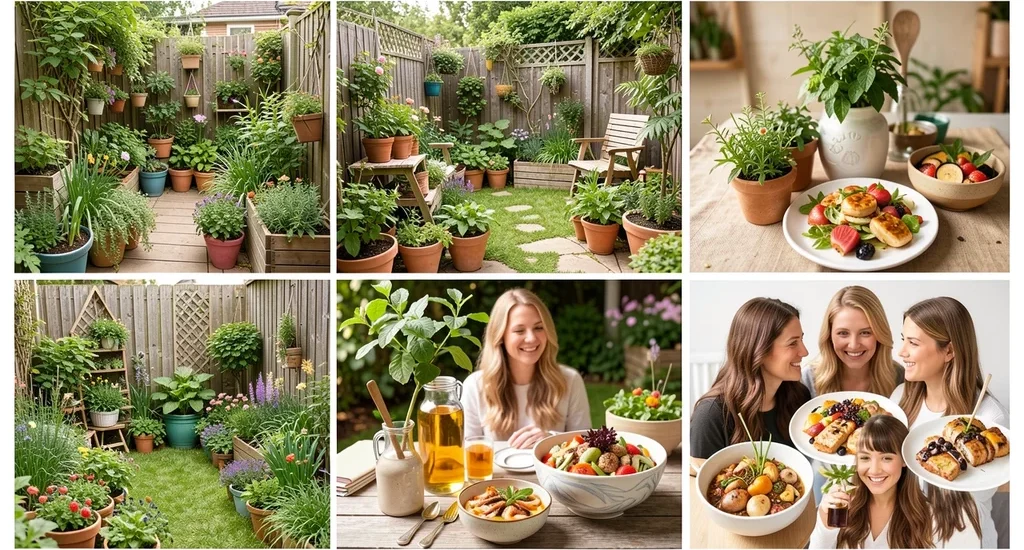
Transforming your backyard or balcony into a lush retreat starts with the right gardening ideas. Whether you have acres of land or just a few pots on a windowsill, there are endless ways to create a vibrant, functional, and beautiful garden. From vertical gardens that maximize small spaces to themed gardens that reflect your personality, this guide covers practical and inspiring approaches to elevate your green space.
You can start with low-maintenance container gardens or go all out with a pollinator-friendly flower bed. The best gardening ideas focus on creativity, sustainability, and your unique space constraints.
Vertical Gardening for Small Spaces
Vertical gardening is a game-changer for urban dwellers or anyone with limited ground space. By growing plants upward on walls, trellises, or stacked containers, you can cultivate herbs, flowers, or even vegetables without sacrificing square footage.
This approach also adds a striking visual element to patios, balconies, and indoor areas. Plus, vertical gardens often require less water and are easier to maintain since plants are elevated and more accessible.
Here are some of the best vertical gardening structures to consider:
- Wall-mounted planters: Perfect for herbs, succulents, and small flowers. These can be made from wood, metal, or even recycled materials like pallets.
- Hanging baskets: Ideal for trailing plants like pothos, ferns, or petunias. Hang them at varying heights for a dynamic look.
- Trellises and arbors: Great for climbing plants such as roses, jasmine, or cucumbers. These add height and can create shaded areas.
- Stacked pots or tiered shelves: Allows you to grow multiple plants in a compact footprint. Works well for strawberries, lettuce, and other shallow-rooted plants.
- Pocket planters: Fabric or felt pockets attached to a wall can hold small plants like herbs or leafy greens.
| Vertical Garden Type | Best For | Maintenance Level |
|---|---|---|
| Wall-mounted planters | Herbs, succulents, small flowers | Low to Medium |
| Hanging baskets | Trailing plants, ferns, petunias | Medium |
| Trellises and arbors | Climbing roses, jasmine, cucumbers | Medium to High |
| Stacked pots | Strawberries, lettuce, shallow-rooted plants | Low |
Vertical gardens are especially useful in apartments or homes with limited outdoor space. They also help improve air quality and can act as natural insulators for buildings.
Tip: Use a drip irrigation system for vertical gardens to ensure consistent watering without daily effort.
Container Gardening for Flexibility
Container gardening is one of the most versatile gardening ideas for beginners and experts alike. It allows you to grow plants almost anywhere—on a balcony, patio, rooftop, or even indoors. Containers come in various materials, including terracotta, plastic, wood, and metal, each with its own benefits.
This method is perfect for renters or those who want to experiment with different plants without committing to permanent beds. You can easily move containers to optimize sunlight, protect plants from harsh weather, or rearrange your garden’s aesthetic.
Here’s how to get started with container gardening:
- Choose the right containers: Ensure they have drainage holes to prevent root rot. Larger containers retain moisture better but may be heavier to move.
- Select quality potting mix: Avoid garden soil, which can compact in containers. Use a lightweight, well-draining potting mix with added perlite or vermiculite.
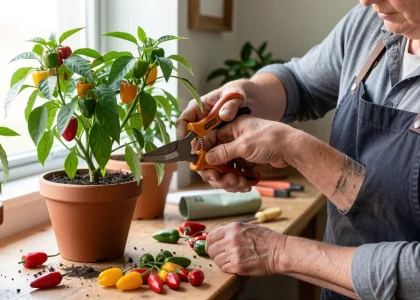
- Pick suitable plants: Some plants thrive in containers, including tomatoes, peppers, herbs, and dwarf fruit trees. Avoid plants with deep root systems like corn or large shrubs.
- Water consistently: Containers dry out faster than in-ground gardens. Check soil moisture daily in hot weather.
- Fertilize regularly: Nutrients deplete faster in containers. Use a slow-release fertilizer or liquid feed every few weeks.
| Container Type | Pros | Cons |
|---|---|---|
| Terracotta | Breathable, natural look, good for moisture control | Heavy, can crack in freezing temperatures |
| Plastic | Lightweight, durable, retains moisture | Less breathable, can look cheap |
| Wood | Insulates roots, natural aesthetic | Can rot over time, requires treatment |
Container gardening also allows you to grow plants that wouldn’t survive in your local soil or climate. For example, you can grow tropical plants indoors or acid-loving blueberries in alkaline soil regions by using the right potting mix.
Themed Gardens for Personality and Purpose
A themed garden adds a cohesive, intentional feel to your outdoor space. Whether you want a peaceful retreat, a productive food source, or a wildlife haven, themed gardens let you tailor your green space to your interests and needs.
Here are some of the most popular and rewarding garden themes to inspire your next project:
Butterfly and Pollinator Garden
Create a haven for bees, butterflies, and hummingbirds by planting native flowers that provide nectar and pollen. Focus on plants with different bloom times to ensure a continuous food source throughout the growing season.
- Milkweed: Essential for monarch butterflies, as it’s the only plant their caterpillars eat.
- Coneflowers (Echinacea): Attracts bees and butterflies with its vibrant, daisy-like flowers.
- Lavender: A fragrant favorite of bees and other pollinators.
- Salvia: Comes in many colors and attracts hummingbirds and bees.
- Zinnias: Easy to grow and loved by butterflies and bees.
Important: Avoid pesticides in pollinator gardens, as they can harm the very insects you’re trying to attract.
Herb Garden
An herb garden is both practical and aromatic. Fresh herbs elevate your cooking, and many are easy to grow even for beginners. You can dedicate a small bed to herbs or tuck them into containers near your kitchen for easy access.
Some of the easiest and most useful herbs to grow include:
- Basil: Perfect for pesto and Italian dishes. Loves warm weather and full sun.
- Mint: Grows aggressively, so it’s best in containers. Great for teas and cocktails.
- Rosemary: A woody herb that thrives in dry conditions. Ideal for roasting meats and vegetables.
- Thyme: Drought-tolerant and versatile in cooking. Works well in rock gardens or containers.
- Cilantro: Fast-growing and essential for Mexican and Asian cuisines.
Japanese Zen Garden
A Zen garden is designed for meditation and tranquility. It typically features rakeable sand or gravel, carefully placed rocks, and minimal plantings. The simplicity and symmetry encourage mindfulness and relaxation.
Key elements of a Japanese Zen garden include:
- Raked gravel or sand: Represents water and is raked in patterns to symbolize ripples or waves.
- Rocks: Symbolize mountains or islands. Place them asymmetrically for a natural look.
- Moss or low-growing plants: Adds softness and texture. Moss thrives in shady, moist areas.
- Bamboo or wooden fences: Create boundaries and add to the natural aesthetic.
- Water features: A small fountain or basin can enhance the peaceful ambiance.
Vegetable Garden
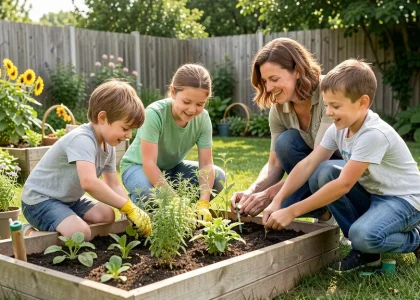
Growing your own food is one of the most rewarding gardening ideas. Even a small vegetable garden can provide fresh, organic produce for your family. Start with easy-to-grow crops like lettuce, tomatoes, and zucchini, then expand as you gain confidence.
Tips for a successful vegetable garden:
- Start with a plan: Sketch your garden layout, grouping plants with similar water and sunlight needs.
- Improve your soil: Add compost or organic matter to ensure your soil is rich in nutrients.
- Rotate crops: Avoid planting the same vegetables in the same spot each year to prevent soil depletion and pests.
- Water deeply but infrequently: This encourages strong root growth. Water in the morning to reduce evaporation.
- Use mulch: Mulch retains moisture, suppresses weeds, and regulates soil temperature.
Low-Maintenance Gardening Ideas
Not everyone has the time or energy for high-maintenance gardens. Fortunately, there are plenty of low-effort gardening ideas that still deliver beauty and function with minimal upkeep. The key is to choose the right plants, design smartly, and use time-saving techniques.
Here are some of the best low-maintenance gardening strategies:
Drought-Tolerant Plants
Drought-tolerant plants, also known as xeriscaping, require less water once established. These plants are ideal for hot, dry climates or for gardeners who want to conserve water.
- Succulents: Such as aloe, agave, and sedum. These store water in their leaves and thrive in dry conditions.
- Lavender: Drought-resistant and attracts pollinators. Prune annually to maintain shape.
- Russian Sage: A hardy perennial with silvery foliage and purple flowers. Thrives in poor soil.
- Ornamental Grasses: Such as fountain grass or feather reed grass. Add movement and texture with little care.
- Yucca: A striking, architectural plant that tolerates heat and drought.
Perennial Gardens
Perennials come back year after year, reducing the need to replant annually. While they may require some initial care to establish, they often need less maintenance than annuals in the long run.
Top low-maintenance perennials include:
- Daylilies: Tough and adaptable, with flowers that bloom repeatedly.
- Hostas: Shade-loving plants with lush foliage. Available in many varieties.
- Black-Eyed Susan: A cheerful, drought-tolerant flower that attracts pollinators.
- Peonies: Long-lived and fragrant, with stunning blooms in late spring.
- Sedum: Also known as stonecrop, this succulent-like plant is nearly indestructible.
Mulching for Weed Control
Mulch is a gardener’s best friend when it comes to reducing maintenance. A thick layer of mulch suppresses weeds, retains moisture, and regulates soil temperature. Organic mulches, like wood chips or straw, also break down over time, adding nutrients to the soil.
Types of mulch and their benefits:
| Mulch Type | Best For | Lifespan |
|---|---|---|
| Wood chips | Trees, shrubs, perennial beds | 2-4 years |
| Straw | Vegetable gardens, annual beds | 6-12 months |
| Pine bark | Acid-loving plants (e.g., azaleas, blueberries) | 1-2 years |
| Cocoa hulls | Flower beds, walkways | 6-12 months |
Warning: Avoid using fresh wood chips or sawdust as mulch, as they can deplete nitrogen from the soil as they decompose.
DIY Garden Projects to Enhance Your Space
Adding personal touches to your garden can make it feel like a true extension of your home. DIY garden projects are a cost-effective way to customize your space while adding functionality and charm. From handmade planters to creative pathways, these projects can be as simple or elaborate as you like.
Here are some inspiring DIY garden ideas to try:
Pallet Garden Furniture
Wooden pallets can be upcycled into a variety of garden furniture, including benches, tables, and even vertical planters. Sand and paint or stain the pallets to match your garden’s aesthetic.
Ideas for pallet furniture:
- Pallet bench: Add cushions for comfort and place it in a shady spot for a cozy seating area.
- Pallet table: Use a pallet on its side with legs attached for a rustic outdoor table.
- Pallet vertical garden: Stand a pallet upright, fill the gaps with soil, and plant herbs or flowers.
- Pallet daybed: Stack pallets and add a mattress or cushions for a relaxed outdoor lounging spot.
DIY Garden Pathways
Garden pathways add structure and guide visitors through your space. You can create pathways using a variety of materials, including gravel, stepping stones, or reclaimed wood.
Pathway ideas and materials:
- Gravel paths: Affordable and easy to install. Use landscape fabric underneath to prevent weeds.
- Stepping stones: Use natural stones or buy pre-made concrete pavers. Space them about 2 feet apart for comfortable walking.
- Brick paths: Lay bricks in a pattern (e.g., herringbone, running bond) for a classic look.
- Wooden walkways: Use slices of tree trunks or reclaimed wood planks for a rustic feel.
Upcycled Planters
Give old items a new life by turning them into unique planters. Upcycled planters add character to your garden while reducing waste.
Creative upcycled planter ideas:
- Tire planters: Paint old tires in bright colors and stack them to create tiered planters.
- Teapot or kettle planters: Small succulents or herbs can thrive in old teapots or kettles.
- Wagon wheel planters: Use the center of an old wagon wheel as a planter for flowers.
- Shoe organizer planters: Hang a fabric shoe organizer on a fence and fill the pockets with plants.
- Bathtub planters: An old clawfoot bathtub can become a striking raised bed for flowers or vegetables.
DIY Birdhouses and Feeders
Attract birds to your garden with handmade birdhouses and feeders. These projects are simple to make and add a charming touch to your outdoor space.
Materials for DIY birdhouses and feeders:
- Wooden birdhouse: Use scrap wood, a hammer, nails, and a few tools to build a cozy birdhouse. Paint it in bright colors to attract birds.
- Pinecone bird feeder: Coat a pinecone in peanut butter and birdseed, then hang it from a tree.
- Mason jar feeder: Fill a mason jar with birdseed and attach it to a wooden base with holes for perching.
- Milk carton birdhouse: Clean and decorate an old milk carton, then cut an entrance hole for birds.
Seasonal Gardening Ideas
Your garden can be a source of beauty and enjoyment year-round with the right seasonal gardening ideas. Each season offers unique opportunities to refresh your garden’s look, try new plants, and adapt to changing weather conditions.
Here’s how to make the most of every season in your garden:
Spring Gardening
Spring is the time to wake up your garden after winter and prepare for the growing season. It’s the perfect time to plant annuals, divide perennials, and start seeds indoors.
Spring gardening tasks and ideas:
- Plant early bloomers: Daffodils, tulips, and crocuses add early color. Plant bulbs in fall for spring blooms.
- Start a vegetable garden: Cool-season crops like lettuce, peas, and spinach can be planted early in spring.
- Prune shrubs and trees: Remove dead or damaged branches to encourage healthy growth.
- Divide perennials: Split overgrown perennials to create new plants and rejuvenate old ones.
- Add mulch: Refresh mulch in beds to suppress weeds and retain moisture.
Summer Gardening
Summer is the peak of the gardening season, with warm weather and long days ideal for plant growth. Focus on maintaining your garden, harvesting produce, and keeping plants healthy in the heat.
Summer gardening tips:
- Water deeply and early: Water in the morning to reduce evaporation and prevent fungal diseases.
- Deadhead flowers: Remove spent blooms to encourage more flowers and prolong the blooming season.
- Fertilize regularly: Use a balanced fertilizer to support vigorous growth during the growing season.
- Harvest frequently: Pick vegetables and fruits regularly to encourage more production.
- Provide shade: Use shade cloth or plant taller crops to protect delicate plants from intense sun.
Fall Gardening
Fall is a time to prepare your garden for winter while enjoying the last harvests of the season. It’s also a great time to plant perennials, shrubs, and trees, as cooler temperatures and moisture help roots establish.
Fall gardening tasks:
- Plant spring-blooming bulbs: Tulips, daffodils, and crocuses need to be planted in fall for spring blooms.
- Harvest late-season crops: Pumpkins, squash, and late tomatoes can be harvested in early fall.
- Plant cool-season vegetables: Kale, Brussels sprouts, and carrots thrive in cooler fall temperatures.
- Clean up garden debris: Remove dead plants and leaves to prevent pests and diseases from overwintering.
- Protect tender plants: Cover sensitive plants with frost cloth or mulch to extend their growing season.
Winter Gardening
Winter doesn’t mean the end of gardening. With some planning, you can enjoy fresh produce, colorful foliage, and even blooming flowers during the colder months.
Winter gardening ideas:
- Grow cold-hardy vegetables: Spinach, kale, and Swiss chard can survive light frosts and provide fresh greens.
- Plant winter bloomers: Camellias, hellebores, and winter jasmine add color to the garden.
- Create a winter interest garden: Use evergreens, berries, and bark for texture and color.
- Start seeds indoors: Get a head start on the growing season by starting seeds for warm-season crops indoors.
- Protect plants from frost: Use row covers, cold frames, or cloches to shield plants from freezing temperatures.
Common Gardening Mistakes to Avoid
Even experienced gardeners make mistakes, but learning from them can help you save time, money, and frustration. Whether you’re a beginner or have been gardening for years, being aware of common pitfalls can set you up for success.
Here are some of the most frequent gardening mistakes and how to avoid them:
- Overwatering or underwatering: Both can stress plants. Check soil moisture by sticking your finger an inch into the soil. If it feels dry, it’s time to water. If it’s damp, wait a day or two.
- Ignoring soil health: Poor soil leads to poor plant growth. Test your soil and amend it with compost or organic matter as needed.
- Planting too close together: Overcrowding leads to competition for nutrients, water, and sunlight. Follow spacing guidelines on seed packets or plant tags.
- Not rotating crops: Planting the same crops in the same spot year after year can deplete the soil and encourage pests and diseases. Rotate crops annually.
- Using too much fertilizer: Over-fertilizing can burn plant roots and lead to excessive foliage at the expense of flowers or fruit. Follow package instructions.
- Neglecting pest control: Ignoring pests can lead to infestations that damage or kill plants. Monitor your garden regularly and address pests early.
Important: Always read the labels on pesticides and fertilizers to ensure you’re using them safely and correctly.
Budget-Friendly Gardening Ideas
Gardening doesn’t have to be expensive. With a little creativity and resourcefulness, you can create a beautiful, productive garden on a budget. From propagating plants to DIY projects, there are plenty of ways to save money while gardening.
Here are some budget-friendly gardening tips:
Propagate Your Own Plants
Propagating plants from cuttings, seeds, or divisions is an easy way to expand your garden without spending money. Many plants can be propagated with just a little time and effort.
Easy plants to propagate:
- Coleus: Root stem cuttings in water. They grow quickly and add vibrant color to gardens.
- Pothos: Another easy plant to propagate from cuttings in water. Great for hanging baskets or indoor gardens.
- Succulents: Many succulents can be propagated from leaves or stem cuttings. Let the cuttings dry out for a day or two before planting.
- Mint: Root stem cuttings in water or soil. Mint spreads aggressively, so it’s best grown in containers.
- Lavender: Propagate from softwood cuttings in spring or early summer.
Use Free or Cheap Materials
You don’t need to buy expensive garden supplies to have a successful garden. Many everyday items can be repurposed for gardening.
Budget-friendly gardening materials:
- Egg cartons: Use as seed starters. Fill each cup with soil and plant seeds. Once seedlings are ready, plant the entire carton in the ground.
- Newspaper or cardboard: Use as a weed barrier in garden beds. Layer with mulch on top.
- Plastic containers: Yogurt cups, milk jugs, and other plastic containers can be turned into planters. Just add drainage holes.
- Wooden crates: Use as raised beds or to organize garden tools and supplies.
- Compost: Create your own compost from kitchen scraps and yard waste to enrich your soil for free.
Swap Plants with Friends
Plant swaps are a fun and free way to expand your garden. Organize a swap with friends, neighbors, or local gardening groups. Each person brings plants, cuttings, or seeds to trade.
Tips for a successful plant swap:
- Label your plants: Include the plant name and any care instructions.
- Bring healthy plants: Only swap plants that are free from pests and diseases.
- Include a variety: Bring a mix of annuals, perennials, herbs, and vegetables to appeal to different gardeners.
- Be open to new plants: Try plants you’ve never grown before. It’s a great way to discover new favorites.
Frequently Asked Questions
How do I start a garden with no experience?
Begin with easy-to-grow plants like herbs, lettuce, or marigolds. Start small with a container garden or a single raised bed to avoid feeling overwhelmed. Research the sunlight, water, and soil needs of your chosen plants, and don’t hesitate to ask for advice at your local nursery.
What are the easiest plants to grow for beginners?
Some of the easiest plants for beginners include basil, mint, sunflowers, zinnias, and cherry tomatoes. These plants are forgiving, fast-growing, and require minimal care. They’re also great for building confidence as you learn the basics of gardening.
How can I make my garden low maintenance?
To create a low-maintenance garden, focus on drought-tolerant plants, perennials, and native species that thrive in your climate. Use mulch to suppress weeds and retain moisture, and consider drip irrigation to automate watering. Group plants with similar needs together to simplify care.
What are the best gardening ideas for small spaces?
For small spaces, try vertical gardening with wall-mounted planters or trellises. Use containers to grow herbs, vegetables, or flowers on balconies or patios. Hanging baskets and window boxes are also great for adding greenery without taking up floor space.
How do I keep pests out of my garden naturally?
Encourage beneficial insects like ladybugs and lacewings, which prey on garden pests. Use companion planting—such as marigolds to repel nematodes or basil to deter mosquitoes—to protect your plants. Additionally, remove pests by hand or use organic sprays like neem oil or insecticidal soap.
Final Thoughts
Gardening is a rewarding hobby that allows you to connect with nature, beautify your space, and even grow your own food. With the right gardening ideas, you can create a thriving garden that reflects your style and meets your needs, whether you have a sprawling backyard or a tiny balcony. Start small, experiment with different plants and techniques, and enjoy the process of watching your garden grow and evolve over time.