Last Updated on October 22, 2026 by D. Ruddy
Transforming your outdoor space into a backyard vegetable garden brings fresh, homegrown produce right to your table while saving money and reducing your carbon footprint. Whether you have acres of land or just a small patio, growing your own vegetables is simpler than you think. This guide covers everything from soil preparation to harvesting, helping you create a productive garden that thrives season after season.
You can start a successful backyard vegetable garden by choosing the right location, preparing nutrient-rich soil, and selecting vegetables that suit your climate. Even beginners can harvest fresh produce within weeks with proper care and consistent watering.
Choosing the Perfect Location for Your Garden
Sunlight is the most critical factor when selecting a spot for your backyard vegetable garden. Most vegetables need at least 6-8 hours of direct sunlight daily to grow properly. South-facing areas typically receive the most light, but east-facing spots can work for plants that tolerate partial shade.
Consider accessibility as well. Place your garden near a water source to make irrigation easier, and ensure the path is clear for carrying tools and harvests. Avoid low-lying areas where water might pool after rain, as soggy soil can lead to root rot and other issues.
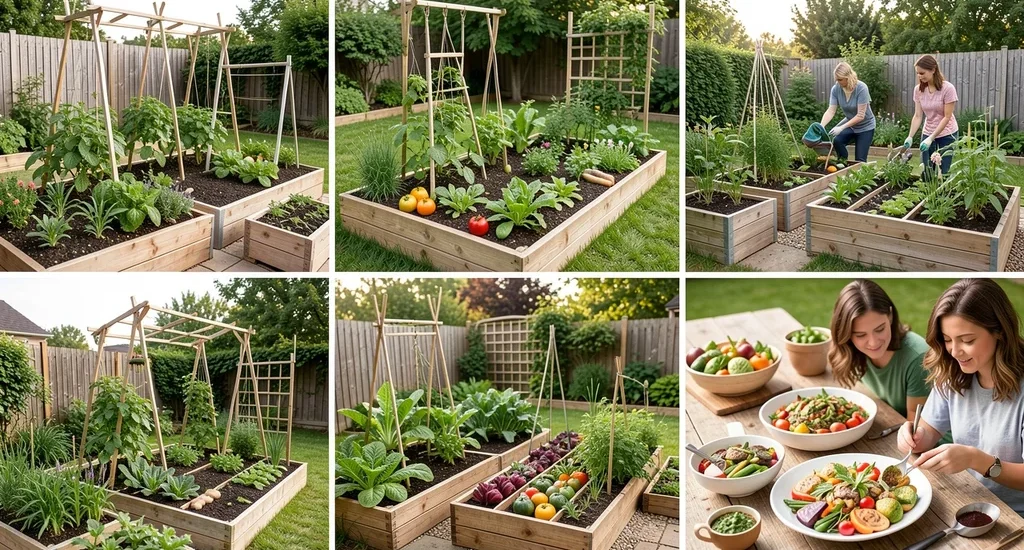
If your yard lacks ideal conditions, don’t worry. Container gardens on patios or balconies can be just as productive. Vertical gardening is another space-saving solution for small areas, allowing you to grow climbing plants like beans, peas, and cucumbers on trellises.
- Sunlight: Minimum 6-8 hours of direct sunlight daily
- Soil: Well-draining, loose, and rich in organic matter
- Water access: Near a hose or irrigation system
- Wind protection: Natural barriers like fences or shrubs
- Space: At least 4×4 feet for in-ground beds; smaller for containers
- Slope: Flat or slightly sloped for better water distribution
Tip: If your yard is shady, focus on leafy greens like lettuce, spinach, and kale, which can grow with just 3-4 hours of sunlight daily.
Preparing Your Soil for Optimal Growth
Healthy soil is the foundation of any successful backyard vegetable garden. The ideal garden soil is loose, well-draining, and packed with organic matter. You can test your soil’s pH and nutrient levels with a simple home test kit—most vegetables prefer a slightly acidic to neutral pH (6.0-7.0).
Start by removing any weeds, rocks, or debris from your garden area. Then, loosen the soil to a depth of at least 12 inches using a garden fork or tiller. This improves drainage and allows roots to penetrate easily.
Mix in plenty of compost or well-rotted manure to boost fertility and soil structure.
For raised beds, you have more control over your soil composition. A good mix includes 60% topsoil, 30% compost, and 10% perlite or vermiculite for drainage. If your native soil is poor, consider building raised beds to create the perfect growing environment from scratch.
| Soil Type | Best For | Amendment Needed |
|---|---|---|
| Clay soil | Retains moisture but drains poorly | Compost, sand, perlite |
| Sandy soil | Drains quickly but doesn’t hold nutrients | Compost, peat moss |
| Loamy soil | Ideal for most vegetables | Minimal, occasional compost |
| Peaty soil | Rich in organic matter but can be acidic | Lime to balance pH |
Remember, soil preparation isn’t a one-time task. Each season, add more organic matter to replenish nutrients. Crop rotation also helps maintain soil health by preventing the buildup of pests and diseases specific to certain plant families.
Selecting the Best Vegetables for Your Climate
Not all vegetables thrive in every climate, so it’s essential to choose varieties that are well-suited to your region’s growing conditions. The USDA Plant Hardiness Zone Map divides North America into zones based on average minimum winter temperatures, which can help you determine what to plant and when.
Cool-season vegetables like lettuce, spinach, peas, and broccoli grow best in spring and fall when temperatures are between 50-75°F. Warm-season crops such as tomatoes, peppers, cucumbers, and beans need warmer soil and air temperatures (70-90°F) to produce well. Some vegetables, like radishes and green onions, grow quickly and can produce multiple harvests in a single season.
Consider your local frost dates when planning your backyard vegetable garden. Start warm-season crops indoors 6-8 weeks before the last frost date, then transplant them outside after the danger of frost has passed. Cool-season crops can often be planted directly in the garden 2-4 weeks before the last frost in spring or 6-8 weeks before the first frost in fall.
- Easy vegetables for beginners:
- Lettuce
- Radishes
- Green beans
- Zucchini
- Tomatoes (cherry varieties are easiest)
- Fast-growing vegetables (ready in under 60 days):
- Radishes (25-30 days)
- Spinach (30-45 days)
- Green onions (50-60 days)
- Bush beans (50-60 days)
- Arugula (30-40 days)
- High-yield vegetables for small spaces:
- Cherry tomatoes
- Peppers
- Cucumbers (on trellises)
- Green beans (pole varieties)
- Herbs (basil, parsley, cilantro)
Tip: Check with your local agricultural extension office for variety recommendations tailored to your specific area. They often provide free soil testing and gardening advice.
Planting Techniques for a Productive Garden
How you plant your vegetables can significantly impact your garden’s success. Direct sowing and transplanting are the two primary methods, each with its advantages. Direct sowing involves planting seeds directly in the garden soil, which is ideal for root crops like carrots and beets that don’t transplant well.
Transplanting, or starting seeds indoors and then moving the seedlings outside, gives you a head start on the growing season.
When planting, follow the spacing recommendations on seed packets or plant tags. Crowding plants can lead to poor air circulation, increased disease risk, and smaller harvests. However, you can use intensive planting techniques like square foot gardening to maximize space in small gardens.
This method divides the garden into 1-foot squares, with each square planted with a different crop based on its size.
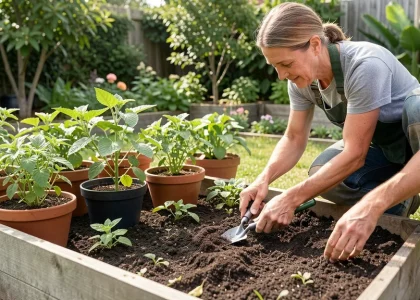
Proper planting depth is also crucial. As a general rule, plant seeds at a depth about twice their diameter. For transplants, dig a hole slightly larger than the root ball and plant at the same depth it was growing in its container.
After planting, water thoroughly to settle the soil around the roots and eliminate air pockets.
| Planting Method | Best For | When to Use |
|---|---|---|
| Direct sowing | Root crops, peas, beans, corn | After last frost (warm-season), early spring/fall (cool-season) |
| Transplanting | Tomatoes, peppers, eggplant, broccoli | After last frost (warm-season), 2-4 weeks before last frost (cool-season) |
| Succession planting | Fast-growing crops (radishes, lettuce, spinach) | Every 2-3 weeks during growing season |
Companion planting is another technique that can improve your garden’s health and productivity. Some plants grow better together, either by repelling pests, improving soil fertility, or providing shade. For example, planting basil with tomatoes can improve tomato flavor and repel certain pests, while growing marigolds throughout your garden can deter nematodes and other harmful insects.
Watering Strategies for Healthy Plants
Consistent and proper watering is key to a thriving backyard vegetable garden. Most vegetables need about 1-1.5 inches of water per week, including rainfall. However, this can vary depending on your climate, soil type, and the specific plants you’re growing.
Sandy soils may require more frequent watering, while clay soils hold moisture longer.
The best time to water is early in the morning, which allows leaves to dry before evening and reduces the risk of fungal diseases. Avoid watering during the heat of the day, as much of the water will evaporate before it can be absorbed by the plants. If morning watering isn’t possible, late afternoon is the next best option.
How you water matters as much as when you water. A deep, thorough watering once or twice a week is better than frequent shallow watering, which encourages shallow root growth. Use a watering can, soaker hose, or drip irrigation system to deliver water directly to the soil and plant roots, keeping the foliage as dry as possible to prevent disease.
- Signs of overwatering:
- Yellowing leaves
- Wilting despite moist soil
- Mold or fungus growth
- Root rot (dark, mushy roots)
- Stunted growth
- Signs of underwatering:
- Dry, crispy leaf edges
- Wilting during the hottest part of the day
- Slow growth
- Leaf drop
- Blossom end rot in tomatoes and peppers
Warning: Avoid wetting the leaves when watering, especially in the evening, as this can promote the spread of fungal diseases like powdery mildew and blight.
Mulching is an excellent way to retain soil moisture and reduce watering needs. Apply a 2-3 inch layer of organic mulch, such as straw, wood chips, or shredded leaves, around your plants. Mulch also helps suppress weeds, regulate soil temperature, and prevent soil erosion.
Fertilizing and Feeding Your Vegetable Plants
Even with rich, well-prepared soil, your backyard vegetable garden will benefit from additional nutrients throughout the growing season. Vegetables are heavy feeders, meaning they require more nutrients than many ornamental plants. The three primary nutrients plants need are nitrogen (N) for leaf growth, phosphorus (P) for root development and flowering, and potassium (K) for overall plant health and disease resistance.
Before planting, incorporate a balanced, slow-release fertilizer into your soil. This provides a steady supply of nutrients as the plants grow. Once your vegetables are established, you can supplement with liquid fertilizers or side dressings every 3-4 weeks.
Organic options like compost tea, fish emulsion, and seaweed extracts are excellent choices for feeding your plants naturally.
Different vegetables have different nutritional needs. Leafy greens like lettuce and spinach benefit from fertilizers higher in nitrogen, while fruiting plants like tomatoes and peppers need more phosphorus and potassium. Root crops like carrots and beets prefer a balanced fertilizer with slightly more potassium to promote healthy root development.
| Vegetable Type | Primary Nutrient Needs | Recommended Fertilizer |
|---|---|---|
| Leafy greens (lettuce, spinach, kale) | High nitrogen | 10-5-5 or 12-6-6 |
| Fruiting plants (tomatoes, peppers, eggplant) | High phosphorus and potassium | 5-10-10 or 8-12-12 |
| Root crops (carrots, beets, radishes) | Balanced with extra potassium | 10-10-10 or 8-8-12 |
| Legumes (beans, peas) | Low nitrogen (they produce their own) | 5-10-10 or 3-6-6 |
In addition to commercial fertilizers, consider using organic soil amendments like compost, worm castings, and bone meal. These not only provide essential nutrients but also improve soil structure and encourage beneficial microbial activity. Remember that more isn’t always better when it comes to fertilizing—over-fertilizing can lead to excessive leafy growth at the expense of fruit production, and can even harm your plants.
Tip: Yellowing leaves can indicate a nitrogen deficiency, while purple stems or leaf undersides often signal a phosphorus shortage. Adjust your fertilizer accordingly.
Pest and Disease Management in Your Garden
Every backyard vegetable garden will encounter pests and diseases at some point, but there are many ways to prevent and manage these issues without resorting to harsh chemicals. The key to effective pest and disease management is a combination of prevention, vigilance, and quick action when problems arise.
Prevention starts with healthy soil and proper plant care. Strong, healthy plants are better able to resist pests and diseases. Crop rotation, proper spacing, and good air circulation also help prevent problems.
Remove any diseased plants or infested plant debris promptly to prevent the spread of issues.
Integrated Pest Management (IPM) is a holistic approach that combines multiple strategies for effective, environmentally friendly pest control. These include cultural controls (like crop rotation and resistant varieties), biological controls (such as beneficial insects), and mechanical controls (like row covers and traps). Chemical controls, including organic options, are used only as a last resort.
- Common garden pests and organic solutions:
- Aphids: Blast off with water, introduce ladybugs, use insecticidal soap
- Slugs and snails: Beer traps, diatomaceous earth, copper barriers
- Cabbage worms: Row covers, handpicking, Bacillus thuringiensis (Bt)
- Tomato hornworms: Handpicking, parasitic wasps, tilling soil in fall
- Whiteflies: Yellow sticky traps, reflective mulch, insecticidal soap
- Common garden diseases and prevention:
- Powdery mildew: Improve air circulation, avoid overhead watering, apply sulfur or baking soda spray
- Blight (early and late): Crop rotation, remove infected plants, copper fungicide
- Blossom end rot: Maintain consistent soil moisture, add calcium to soil
- Fusarium and verticillium wilt: Plant resistant varieties, crop rotation, remove infected plants
- Root rot: Improve drainage, avoid overwatering, use raised beds if needed
Tip: Encourage beneficial insects like ladybugs, lacewings, and parasitic wasps by planting a variety of flowers, especially those with small, flat blossoms like daisies, marigolds, and yarrow.
Regular garden maintenance is your best defense against pests and diseases. Inspect your plants frequently for signs of trouble, such as holes in leaves, discolored spots, or wilting. The sooner you identify a problem, the easier it is to manage.
Keep your garden clean by removing weeds, which can harbor pests and diseases, and dispose of any plant debris at the end of the season.
Harvesting and Storing Your Garden Produce
Knowing when and how to harvest your vegetables ensures the best flavor and quality. Each type of vegetable has its own signs of readiness. Generally, harvest leafy greens when the leaves are young and tender, root crops when they’ve reached a good size, and fruiting vegetables when they’re fully colored and slightly soft to the touch.
For the best flavor and longest storage life, harvest your vegetables in the morning after the dew has dried but before the heat of the day sets in. Use clean, sharp tools to avoid damaging plants and spreading diseases. Always handle produce gently to prevent bruising.
Proper storage extends the life of your harvest. Some vegetables, like tomatoes and peppers, should not be refrigerated, as cold temperatures can affect their flavor and texture. Others, like leafy greens and herbs, benefit from cold storage to maintain freshness.
Root crops can often be stored in a cool, dark place for several weeks or even months.
| Vegetable | Harvest Signs | Storage Method | Storage Life |
|---|---|---|---|
| Tomatoes | Fully colored, slightly soft | Room temperature, out of direct sun | 1-2 weeks |
| Lettuce | Leaves firm and crisp | Refrigerator, unwashed, in bag | 5-7 days |
| Carrots | Shoulders visible, 3/4-1 inch diameter | Remove tops, refrigerate in bag | 2-3 weeks |
| Green beans | Pods firm, 4-6 inches long | Refrigerator, unwashed, in bag | 5-7 days |
| Cucumbers | Firm, 6-8 inches long | Refrigerator, unwashed | 5-7 days |
| Onions | Tops yellow and fall over | Cool, dry, dark place, well-ventilated | 2-3 months |
For long-term storage, consider preserving your harvest through canning, freezing, or drying. Each method has its advantages and works best for certain types of vegetables. Freezing is often the easiest for beginners and retains more nutrients than canning.
Drying works well for herbs, tomatoes, and peppers, while canning is ideal for making sauces, pickles, and preserves.
Extending Your Growing Season
With a few simple techniques, you can enjoy fresh produce from your backyard vegetable garden for more months of the year. Season extension methods protect your plants from cold temperatures, allowing you to start planting earlier in the spring and continue harvesting later into the fall.
Row covers are lightweight fabrics that can be draped over plants or supported by hoops to create a mini greenhouse effect. They provide a few degrees of frost protection and can also protect plants from pests. For more substantial protection, consider using a cold frame or hoop house.
These structures capture solar heat during the day and retain it at night, creating a warmer microclimate for your plants.
Starting seeds indoors is another effective way to extend your growing season. By starting warm-season crops like tomatoes and peppers indoors 6-8 weeks before your last frost date, you can get a head start on the growing season. This allows you to harvest mature plants weeks earlier than if you had planted seeds directly in the garden.
- Season extension methods:
- Row covers: Protect from light frosts, provide pest protection
- Cold frames: Bottomless boxes with transparent tops, ideal for small spaces
- Hoop houses: Series of hoops covered with plastic or fabric, good for larger areas
- Greenhouses: Permanent structures for year-round growing in cold climates
- Indoor seed starting: Get a head start on warm-season crops
- Succession planting: Plant fast-growing crops in intervals for continuous harvest
- Cool-season crops for fall and winter:
- Kale
- Spinach
- Swiss chard
- Carrots
- Beets
- Brussels sprouts
- Cabbage
Tip: According to the National Gardening Association, using season extension techniques can add 2-4 weeks to your growing season in both spring and fall, significantly increasing your overall harvest.
In colder climates, you can even grow vegetables year-round with the right setup. A heated greenhouse or a combination of row covers and cold frames can allow you to grow cold-hardy vegetables throughout the winter. In milder climates, many vegetables can be grown year-round with minimal protection.
Frequently Asked Questions
How much space do I need for a backyard vegetable garden?
A backyard vegetable garden can be as small as a few containers on a patio or as large as your entire yard allows. A good starting size for a family of four is about 10×10 feet, which can provide a substantial harvest of fresh produce. Even a 4×4 foot raised bed can yield a surprising amount of food with intensive planting techniques like square foot gardening.
What are the easiest vegetables to grow for beginners?
Some of the easiest vegetables for beginners include lettuce, radishes, green beans, zucchini, and cherry tomatoes. These plants are relatively low-maintenance, grow quickly, and are more forgiving of common gardening mistakes. Herbs like basil, parsley, and chives are also excellent choices for new gardeners, as they’re easy to grow and useful in many recipes.
How often should I water my vegetable garden?
Most vegetable gardens need about 1-1.5 inches of water per week, including rainfall. This typically translates to watering 2-3 times per week, depending on your climate and soil type. Sandy soils may require more frequent watering, while clay soils hold moisture longer.
Always check the soil moisture before watering—stick your finger about an inch into the soil, and if it feels dry, it’s time to water.
Can I grow a vegetable garden in containers?
Absolutely! Many vegetables grow well in containers, making them perfect for patios, balconies, or small yards. Choose containers that are large enough for the plants you want to grow—most vegetables need at least 5-gallon pots, while larger plants like tomatoes and peppers do best in 10-15 gallon containers.
Ensure your pots have good drainage holes and use a quality potting mix for best results.
How do I prevent pests in my vegetable garden without using chemicals?
There are many natural ways to prevent and manage pests in your backyard vegetable garden. Start with good cultural practices like crop rotation, proper spacing, and maintaining healthy soil. Encourage beneficial insects by planting a variety of flowers and herbs.
Use physical barriers like row covers to protect plants from pests. Handpick larger pests like tomato hornworms and cabbage worms when you see them. For smaller pests, try blasting them off with water or using organic sprays like insecticidal soap or neem oil.
Final Thoughts
A backyard vegetable garden offers countless benefits, from fresh, flavorful produce to the satisfaction of growing your own food. By choosing the right location, preparing your soil, selecting suitable vegetables, and providing proper care, you can create a productive garden that thrives season after season. Start small, learn as you go, and don’t be afraid to experiment with different plants and techniques.
With patience and persistence, you’ll be rewarded with a bountiful harvest that you can enjoy with family and friends.