Last Updated on October 22, 2026 by D. Ruddy
Starting a garden at home can feel overwhelming, but gardening for beginners at home doesn’t have to be complicated. With the right approach, you can grow fresh herbs, vibrant flowers, or even vegetables with minimal space and effort. This guide covers everything you need to know, from choosing the right plants to avoiding common mistakes.
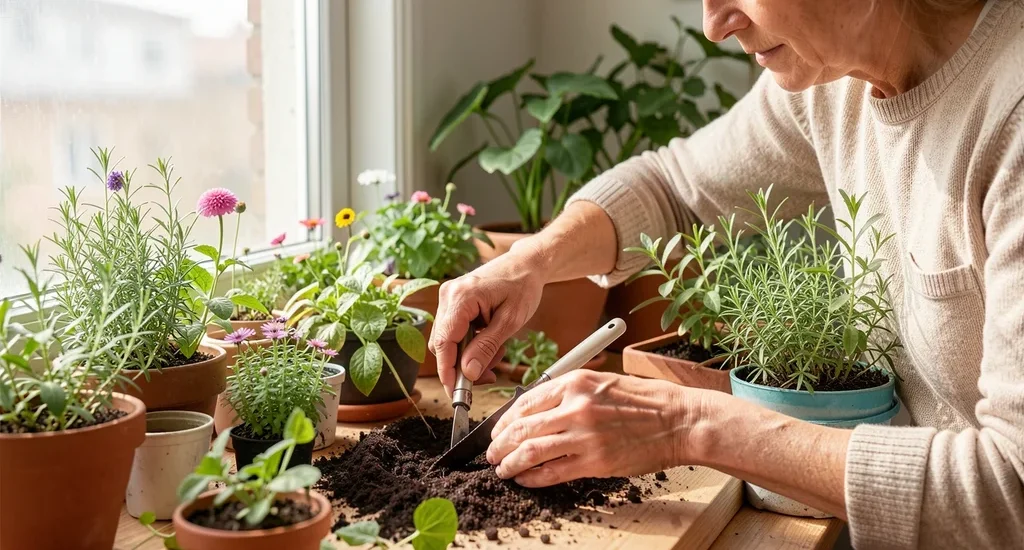
You can start gardening at home with just a few essentials: sunlight, soil, water, and the right plants. Even a small balcony or windowsill can yield impressive results with the correct techniques.
Why Gardening at Home Is Worth Trying
Gardening at home offers numerous benefits beyond just fresh produce. It reduces stress, improves air quality, and can even save you money on groceries. According to the National Gardening Association, home gardeners can save up to $500 annually by growing their own food.
Plus, it’s a rewarding hobby that connects you with nature.
For beginners, starting small is key. You don’t need a large yard—container gardening on a patio or windowsill works just as well. The sense of accomplishment from watching your plants grow is unmatched.
- Mental health boost: Gardening lowers cortisol levels, reducing stress and anxiety.
- Physical activity: Digging, planting, and watering provide light exercise.
- Cost-effective: Grow your own herbs and vegetables for a fraction of store prices.
- Environmental impact: Reduces your carbon footprint by cutting down on packaged produce.
- Educational: Teaches patience, responsibility, and biology basics.
Tip: Start with easy-to-grow plants like basil, mint, or cherry tomatoes to build confidence.
Essential Tools for Beginners
You don’t need a shed full of tools to start gardening. A few basics will cover most tasks. Invest in quality tools to make your work easier and more enjoyable.
Here’s what you’ll need:
| Tool | Purpose | Estimated Cost |
|---|---|---|
| Hand trowel | Digging small holes, transplanting seedlings | $5 – $15 |
| Pruners | Trimming plants, cutting back dead growth | $10 – $25 |
| Watering can | Gentle watering for seedlings and containers | $10 – $20 |
| Garden gloves | Protects hands from thorns and dirt | $5 – $15 |
| Kneeling pad | Comfort for knees during long sessions | $10 – $20 |
Avoid cheap plastic tools that break easily. Instead, opt for stainless steel or forged aluminum tools with ergonomic handles. Many garden centers offer starter kits with these essentials at a discounted price.
Choosing the Right Plants for Your Space
Not all plants thrive in the same conditions. The key to successful gardening for beginners at home is selecting plants that match your environment. Consider your available space, sunlight, and climate before making choices.
For small spaces like apartments or balconies, focus on container-friendly plants. For larger areas, you can experiment with in-ground planting. Here are the best options for different scenarios:
Best Plants for Small Spaces
- Herbs: Basil, parsley, cilantro, and mint grow well in small pots. They require moderate sunlight and regular watering.
- Leafy greens: Lettuce, spinach, and kale can be grown in shallow containers. Harvest outer leaves to encourage continuous growth.
- Cherry tomatoes: Compact varieties like Tiny Tim or Patio Princess produce abundant fruit in containers.
- Strawberries: Ever-bearing varieties work well in hanging baskets or stacked planters.
- Succulents: Low-maintenance and perfect for sunny windowsills. Requires minimal watering.
Best Plants for Larger Areas
- Vegetables: Zucchini, cucumbers, and peppers need more space but are relatively easy to grow.
- Flowers: Marigolds, sunflowers, and zinnias attract pollinators and add color.
- Fruit bushes: Blueberries and raspberries can thrive with proper soil conditions.
- Perennials: Plants like hostas, daylilies, and coneflowers come back every year with minimal effort.
Important: Always check the plant tag for sunlight and water requirements before purchasing.
Understanding Soil and Fertilizer Basics
Healthy soil is the foundation of a successful garden. Poor soil leads to weak plants that are more susceptible to pests and diseases. For gardening for beginners at home, understanding soil types and how to improve them is crucial.
There are three main types of soil: clay, sand, and loam. Loam is considered the best for most plants as it holds moisture while draining well. You can test your soil type by feeling it: clay feels sticky when wet, sand feels gritty, and loam feels crumbly.
How to Improve Your Soil
- Add organic matter: Mix in compost, aged manure, or peat moss to improve soil structure and fertility.
- Test pH levels: Most plants prefer a pH between 6.0 and 7.0. Test kits are available at garden centers.
- Use mulch: Apply a 2-3 inch layer of mulch to retain moisture and suppress weeds.
- Avoid compacting: Walk on garden beds as little as possible to prevent soil compaction.
- Rotate crops: If planting vegetables, rotate crops each year to prevent soil depletion.
Fertilizer Guide for Beginners
Fertilizers provide essential nutrients that plants need to grow. They come in organic and synthetic forms. Organic fertilizers like compost and worm castings improve soil health over time, while synthetic fertilizers provide immediate nutrients.
| Fertilizer Type | Best For | Application Frequency |
|---|---|---|
| Compost | All plants, soil improvement | Once per season |
| Worm castings | Container plants, seedlings | Every 2-3 months |
| Fish emulsion | Leafy greens, fast-growing plants | Every 2-4 weeks |
| Slow-release granules | General garden use | Every 3-4 months |
Warning: Over-fertilizing can burn plant roots. Always follow package instructions for application rates.
Watering Techniques for Healthy Plants
Proper watering is one of the most important aspects of gardening for beginners at home. Both overwatering and underwatering can stress plants and lead to poor growth. The key is consistency and paying attention to your plants’ needs.
Most plants prefer deep, infrequent watering over frequent shallow watering. This encourages roots to grow deeper, making plants more drought-resistant. The best time to water is early morning, which allows foliage to dry before evening, reducing the risk of fungal diseases.
How to Water Different Plant Types
- Seedlings: Keep soil consistently moist but not soggy. Use a spray bottle or gentle watering can to avoid disturbing young roots.
- Established plants: Water deeply 1-2 times per week, depending on rainfall and temperature. Stick your finger 1-2 inches into the soil—if it feels dry, it’s time to water.
- Container plants: These dry out faster than in-ground plants. Check daily in hot weather and water until it runs out the drainage holes.
- Succulents: Water only when soil is completely dry. These plants store water in their leaves and prefer dry conditions.
- Vegetables: Most need 1-2 inches of water per week. Use drip irrigation or soaker hoses for even watering at the base.
Signs of Improper Watering
| Problem | Symptoms | Solution |
|---|---|---|
| Overwatering | Yellowing leaves, mushy stems, mold on soil | Let soil dry out, improve drainage |
| Underwatering | Dry, crispy leaves, wilting, slow growth | Water deeply, add mulch to retain moisture |
| Inconsistent watering | Cracked soil, leaf drop, blossom end rot | Create a watering schedule, use self-watering systems |
Consider using a moisture meter to take the guesswork out of watering. These inexpensive tools can help you learn what your plants need and prevent common watering mistakes.
Common Gardening Mistakes to Avoid
Even experienced gardeners make mistakes, but beginners can avoid many pitfalls by learning from others’ experiences. Here are the most common issues new gardeners face and how to prevent them.
According to a survey by the University of Florida, 60% of beginner gardeners struggle with plant selection, while 45% have issues with watering. Being aware of these common problems can save you time, money, and frustration.
- Starting too big: It’s easy to get excited and plant more than you can handle. Start with a small, manageable area and expand as you gain experience.
- Ignoring sunlight requirements: Plants need specific amounts of light to thrive. A plant that requires full sun (6+ hours daily) won’t do well in a shady spot.
- Overcrowding plants: Giving plants enough space is crucial for good air circulation and growth. Follow spacing recommendations on seed packets or plant tags.
- Neglecting soil preparation: Skipping soil prep leads to poor plant performance. Take time to improve your soil before planting.
- Using garden soil in containers: Garden soil is too heavy for containers and can compact, leading to poor drainage. Always use potting mix for container gardening.
- Inconsistent care: Plants need regular attention. Set reminders for watering, fertilizing, and pest checks.
Tip: Keep a gardening journal to track what works and what doesn’t. Note planting dates, watering schedules, and any issues that arise.
Pest Control for Beginner Gardeners
Dealing with pests is an inevitable part of gardening for beginners at home. The good news is that most pest problems can be prevented or managed with simple, natural solutions. Prevention is always easier than treatment, so start with good gardening practices.
Healthy plants are more resistant to pests and diseases. Proper watering, good soil, and appropriate sunlight all contribute to plant health. However, even the best-maintained gardens can attract pests.
Here’s how to handle common issues:
Common Garden Pests and Solutions
| Pest | Signs of Damage | Natural Solutions |
|---|---|---|
| Aphids | Curled leaves, sticky residue, stunted growth | Spray with soapy water, introduce ladybugs |
| Slugs and snails | Holes in leaves, slime trails | Beer traps, diatomaceous earth, copper tape |
| Whiteflies | White insects on undersides of leaves, yellowing leaves | Yellow sticky traps, neem oil spray |
| Caterpillars | Large holes in leaves, chewed foliage | Handpick, use Bacillus thuringiensis (Bt) |
| Spider mites | Fine webbing, speckled leaves, leaf drop | Spray with water, use insecticidal soap |
Prevention Tips
- Encourage beneficial insects: Ladybugs, lacewings, and praying mantises eat many garden pests. Plant flowers like marigolds, alyssum, and dill to attract them.
- Rotate crops: Changing what you plant in each area each year disrupts pest life cycles.
- Use companion planting: Some plants naturally repel pests. For example, marigolds deter nematodes, and basil repels mosquitoes.
- Keep garden clean: Remove dead plants and debris where pests can hide and breed.
- Inspect plants regularly: Check the undersides of leaves and stems for early signs of pests.
Seasonal Gardening Guide
Gardening is a year-round activity, but what you do changes with the seasons. Understanding seasonal tasks helps you stay on top of your garden’s needs and ensures success throughout the year.
Each season brings different opportunities and challenges. Planning ahead allows you to make the most of your growing space and keep your garden productive.
Spring Gardening Tasks
- Prepare garden beds: Remove winter mulch, loosen soil, and add compost or fertilizer.
- Start seeds indoors: For warm-season crops like tomatoes and peppers, start seeds 6-8 weeks before the last frost.
- Plant cool-season crops: Lettuce, spinach, peas, and radishes can be planted early in spring.
- Prune trees and shrubs: Remove dead or damaged branches before new growth starts.
- Divide perennials: Split overgrown plants to create new ones and improve their vigor.
Summer Gardening Tasks
- Water regularly: Hot weather increases water needs. Water deeply in the early morning to reduce evaporation.
- Mulch garden beds: Apply 2-3 inches of mulch to retain moisture and suppress weeds.
- Harvest frequently: Pick vegetables regularly to encourage more production.
- Watch for pests: Warm weather brings more insects. Check plants weekly for signs of trouble.
- Succession plant: Replace harvested crops with new plantings for continuous harvests.
Fall Gardening Tasks
- Plant fall crops: Cool-season vegetables like kale, carrots, and beets thrive in fall.
- Add compost: Improve soil health by adding organic matter before winter.
- Plant bulbs: Spring-blooming bulbs like tulips and daffodils need to be planted in fall.
- Clean up garden: Remove dead plants and debris to prevent pest and disease problems next year.
- Protect tender plants: Bring potted plants indoors or cover sensitive plants before the first frost.
Winter Gardening Tasks
- Plan next year’s garden: Review what worked and what didn’t. Order seeds and make changes for next season.
- Protect soil: Add a layer of mulch or cover crops to prevent erosion and improve soil.
- Prune dormant plants: Late winter is a good time to prune many trees and shrubs.
- Start indoor herbs: Grow herbs like basil, parsley, and chives indoors for fresh flavors year-round.
- Check stored bulbs: If you’ve dug up and stored tender bulbs, check them periodically for rot or pests.
Frequently Asked Questions
How much sunlight do most plants need?
Most vegetables and flowering plants need 6-8 hours of direct sunlight daily. Leafy greens and some herbs can tolerate partial shade (4-6 hours). Always check the specific requirements for each plant, as needs vary significantly.
If your space has limited sunlight, choose shade-tolerant plants like lettuce, spinach, or ferns.
Can I garden without a yard?
Absolutely! Container gardening works well on balconies, patios, or even windowsills. Many vegetables, herbs, and flowers thrive in pots.
Vertical gardening is another great option for small spaces—use wall-mounted planters or trellises to maximize growing area. Even indoors, you can grow herbs, microgreens, or small vegetables with grow lights if natural light is limited.
How often should I fertilize my plants?
Fertilizing frequency depends on the type of fertilizer and the plants you’re growing. Slow-release fertilizers typically last 3-4 months, while liquid fertilizers may need to be applied every 2-4 weeks during the growing season. Always follow the instructions on the fertilizer package.
Over-fertilizing can harm plants, so it’s better to err on the side of caution.
What’s the easiest vegetable to grow for beginners?
Lettuce is one of the easiest vegetables for beginners because it grows quickly, tolerates cool temperatures, and doesn’t require much space. Other great options include radishes (ready in about 30 days), green beans (easy to grow from seeds), and cherry tomatoes (productive and forgiving). These plants are relatively pest-resistant and don’t require special care.
How do I know if my plants need more water?
The simplest way to check is to stick your finger about 1-2 inches into the soil. If it feels dry, it’s time to water. Other signs include drooping leaves, dry or cracked soil, and slow growth.
However, be careful not to confuse thirst with other issues—yellowing leaves can also indicate overwatering or nutrient deficiencies. When in doubt, check the soil moisture first.
Final Thoughts
Starting a garden at home is a rewarding journey that anyone can embark on. Remember that gardening for beginners at home is about learning as you go and enjoying the process. Start small, choose the right plants for your space, and don’t be afraid to make mistakes.
With patience and consistent care, you’ll soon be enjoying the fruits of your labor—literally. Happy gardening!