Last Updated on October 22, 2026 by D. Ruddy
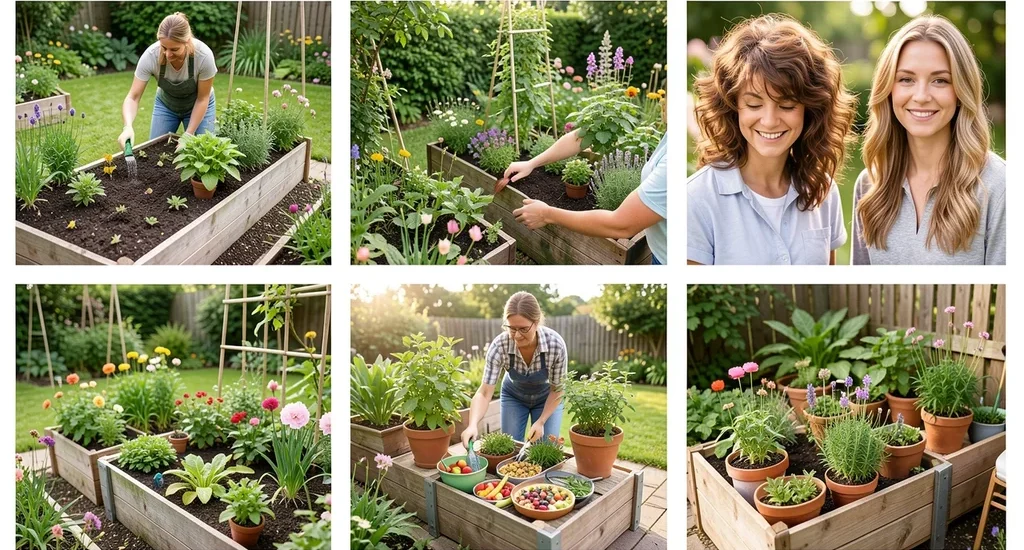
Starting your first garden can feel overwhelming, but with the right top garden tips for beginners, you’ll be growing thriving plants in no time. This guide covers everything from soil preparation to plant selection, helping you avoid common mistakes while building confidence. Whether you have a spacious backyard or a small balcony, these practical strategies will set you up for success.
Success in gardening starts with healthy soil, consistent watering, and choosing the right plants for your climate. Begin small, learn as you grow, and don’t overcomplicate it.
Start With Easy-to-Grow Plants
Not all plants are beginner-friendly. Some require precise conditions, while others thrive with minimal effort. As a new gardener, focus on hardy, forgiving plants that can tolerate occasional mistakes in watering or soil quality.
These plants grow quickly, resist common pests, and often produce abundant harvests or blooms with little maintenance. Starting with these builds confidence and provides immediate rewards, keeping you motivated to expand your garden.
- Marigolds: Bright, pest-repellent flowers that bloom all season with minimal care.
- Basil: Fast-growing herb perfect for containers or garden beds, great for cooking.
- Zucchini: Prolific producer that grows rapidly in warm weather.
- Sunflowers: Tall, cheerful blooms that attract pollinators and improve garden aesthetics.
- Lettuce: Quick to harvest, ideal for small spaces or container gardening.
- Green Beans: Easy to grow from seeds, producing a bountiful crop with little effort.
- Pansies: Colorful, cold-hardy flowers that bloom in spring and fall.
Tip: Plant marigolds near vegetables to naturally deter pests like nematodes and aphids.
| Plant | Days to Harvest/Mature | Sunlight Needs | Watering Frequency |
|---|---|---|---|
| Marigolds | 45-50 days | Full sun | Every 2-3 days |
| Basil | 30-60 days | Full sun to partial shade | Daily (keep soil moist) |
| Zucchini | 45-55 days | Full sun | Every 3-4 days (deep watering) |
| Sunflowers | 70-90 days | Full sun | Every 4-5 days |
| Lettuce | 30-60 days | Partial shade to full sun | Every 2-3 days (keep soil moist) |
These plants offer a great starting point for beginners, with most requiring only basic care. Sunflowers and zucchini need more space, while herbs and lettuce work well in containers.
Prepare Your Soil for Healthy Growth
Healthy soil is the foundation of a thriving garden. Poor soil leads to weak plants, disease, and poor yields. Testing and amending your soil before planting can significantly improve your garden’s success.
Most garden plants thrive in well-draining, nutrient-rich soil with a pH between 6.0 and 7.0. If your soil is too sandy or clay-heavy, adding organic matter like compost or aged manure will improve its structure and fertility.
- Test Your Soil: Use a home testing kit to check pH and nutrient levels. Local agricultural extensions often offer free or low-cost testing.
- Add Organic Matter: Mix in 2-3 inches of compost, aged manure, or peat moss to improve soil structure.
- Loosen the Soil: Break up compacted soil to a depth of 12-18 inches to allow roots to penetrate easily.
- Remove Weeds and Debris: Clear the area of weeds, rocks, and old plant material before planting.
- Consider Raised Beds: If your native soil is poor, raised beds filled with quality garden soil can provide better growing conditions.
Important: Avoid using fresh manure, as it can burn plants. Always use well-aged compost or manure that has decomposed for at least 6 months.
| Soil Type | Characteristics | Best For | Improvement Tips |
|---|---|---|---|
| Clay Soil | Dense, holds moisture, poor drainage | Plants that tolerate wet conditions | Add sand and organic matter to improve drainage |
| Sandy Soil | Loose, drains quickly, low nutrients | Drought-tolerant plants | Add compost and peat moss to retain moisture and nutrients |
| Loamy Soil | Well-balanced, good drainage, rich in nutrients | Most garden plants | Maintain with regular additions of organic matter |
| Peaty Soil | High in organic matter, retains moisture, acidic | Acid-loving plants like blueberries | Add lime to reduce acidity if needed for other plants |
According to the University of Massachusetts Amherst, improving soil with organic matter can increase water retention by up to 30% and improve plant growth significantly.
Water Wisely for Strong Plant Growth
Watering seems simple, but doing it incorrectly is one of the most common mistakes beginners make. Both overwatering and underwatering can stress plants and lead to poor growth or disease.
The key is consistent, deep watering that encourages strong root development. Most plants prefer 1-2 inches of water per week, including rainfall. However, this varies based on plant type, soil, and climate.
- Water Deeply: Give plants a thorough soaking 2-3 times per week rather than light daily watering. This encourages roots to grow deeper into the soil.
- Water at the Base: Avoid wetting the leaves, which can lead to fungal diseases. Use a soaker hose or water at soil level.
- Morning Watering: Water early in the day to reduce evaporation and prevent fungal growth that can occur with evening watering.
- Check Soil Moisture: Stick your finger 1-2 inches into the soil. If it feels dry, it’s time to water.
- Use Mulch: Apply 2-3 inches of mulch around plants to retain moisture, suppress weeds, and regulate soil temperature.
- Adjust for Weather: Reduce watering during rainy periods and increase during heatwaves.
- Container Plants: These dry out faster than in-ground plants and may need daily watering in hot weather.
Warning: Overwatering can be just as harmful as underwatering. Yellowing leaves, wilting, and mold growth are signs of too much water.
| Plant Type | Watering Frequency | Signs of Overwatering | Signs of Underwatering |
|---|---|---|---|
| Vegetables | 1-2 inches per week | Yellow leaves, mold, wilting | Dry soil, crispy leaves, wilting |
| Herbs | Keep soil moist | Root rot, fungal growth | Wilting, dry leaves |
| Flowers | 1 inch per week | Dropping buds, yellow leaves | Wilting, dry stems |
| Trees & Shrubs | Deep watering every 7-10 days | Leaf scorch, fungal diseases | Wilting, leaf drop |
According to the Environmental Protection Agency (EPA), proper watering techniques can reduce outdoor water use by 25-50%, while still maintaining a healthy garden.
Understand Sunlight Requirements
Sunlight is as essential as water and soil for plant growth. Different plants have varying light requirements, and matching plants to the right sunlight conditions is crucial for success.
Most vegetables and flowering plants need full sun (6-8 hours of direct sunlight per day), while leafy greens and some herbs can tolerate partial shade (3-6 hours). Understanding your garden’s sunlight patterns helps you choose the right plants for each area.
- Full Sun Plants: Need 6-8+ hours of direct sunlight daily. Ideal for most vegetables, fruits, and many flowers.
- Partial Shade Plants: Require 3-6 hours of sunlight, often tolerating morning sun and afternoon shade.
- Full Shade Plants: Need less than 3 hours of direct sunlight, thriving in indirect light.
- Observe Your Garden: Track sunlight patterns throughout the day to identify microclimates.
- Use a Sun Calculator: Apps or tools can help measure sunlight hours in specific garden spots.
- Adjust for Seasons: Sunlight patterns change with the seasons, affecting plant growth.
- Reflective Surfaces: Light-colored walls or fences can increase sunlight exposure in shady areas.
| Sunlight Level | Hours of Sun | Example Plants | Garden Tips |
|---|---|---|---|
| Full Sun | 6-8+ hours | Tomatoes, Peppers, Roses, Sunflowers | Place in south-facing areas for maximum sun |
| Partial Shade | 3-6 hours | Lettuce, Spinach, Impatiens, Hostas | Ideal for east-facing gardens with morning sun |
| Full Shade | <3 hours | Fern, Coleus, Begonias, Mint | Use reflective surfaces to increase light |
According to the National Gardening Association, 70% of gardening beginners underestimate the importance of sunlight, leading to poor plant performance. Proper sunlight matching can increase plant productivity by up to 40%.
Use Proper Planting Techniques
How you plant your seeds or seedlings can make the difference between success and failure. Proper planting techniques ensure good root establishment, reduce transplant shock, and promote healthy growth.
Different plants have different planting requirements, but some general principles apply to most. Following these techniques helps plants establish quickly and reduces the risk of disease or pest problems.
- Read the Seed Packet: Follow the recommended planting depth, spacing, and timing for each plant variety.
- Prepare the Planting Hole: Dig a hole twice as wide as the root ball but no deeper than the container.
- Handle Seedlings Carefully: Gently remove seedlings from their containers, loosen the roots if they’re root-bound, and avoid damaging the stem.
- Plant at the Right Depth: Most plants should be planted at the same depth they were growing in their container. Tomatoes are an exception and can be planted deeper.
- Water After Planting: Give newly planted seeds or seedlings a thorough watering to settle the soil and remove air pockets.
- Add Support Early: For plants that need staking (like tomatoes or tall flowers), add supports at planting time to avoid disturbing roots later.
- Mulch After Planting: Apply mulch around new plants to conserve moisture and suppress weeds.
Tip: For transplanted seedlings, water them with a weak fertilizer solution (half-strength) a few days after planting to encourage new growth.
| Plant Type | Planting Depth | Spacing | Special Tips |
|---|---|---|---|
| Tomatoes | Deeper than container (bury 2/3 of stem) | 18-24 inches apart | Add cage or stake at planting |
| Lettuce | 1/4 inch deep | 6-12 inches apart | Successive planting every 2 weeks |
| Carrots | 1/4 inch deep | 2-3 inches apart | Soil must be loose and stone-free |
| Bush Beans | 1 inch deep | 4-6 inches apart | Avoid overhead watering to prevent disease |
Research from the University of Illinois Extension shows that proper planting techniques can improve plant survival rates by up to 30% and lead to more productive gardens.
Learn Basic Garden Maintenance
Regular maintenance keeps your garden healthy and productive throughout the growing season. Neglecting basic tasks can lead to weed overgrowth, pest infestations, and reduced yields.
Consistent care doesn’t have to be time-consuming. Spending just 15-30 minutes a few times per week on maintenance tasks can keep your garden in top shape and prevent problems before they start.
- Weeding: Remove weeds regularly before they set seed. Weeds compete with plants for water, nutrients, and sunlight.
- Pruning: Pinch back flowers to encourage bushier growth and more blooms. Remove dead or diseased foliage promptly.
- Fertilizing: Feed plants with organic fertilizer every 4-6 weeks during the growing season, following package instructions.
- Pest Control: Monitor plants for pests and use organic methods like neem oil or insecticidal soap when needed.
- Staking and Supporting: Provide support for tall or vining plants to keep them upright and prevent damage.
- Deadheading: Remove spent flowers from annuals and perennials to encourage more blooms.
- Crop Rotation: Avoid planting the same family of vegetables in the same spot year after year to prevent disease buildup.
Important: Always clean your gardening tools after use to prevent the spread of diseases between plants.
| Task | Frequency | Best Time | Tools Needed |
|---|---|---|---|
| Weeding | Weekly | After rain (soil is soft) | Hand weeder, hoe |
| Watering | 2-3 times per week | Early morning | Hose, watering can, soaker hose |
| Pruning | Every 2-4 weeks | Dry, sunny day | Pruners, shears |
| Fertilizing | Every 4-6 weeks | Early morning or late afternoon | Fertilizer spreader, watering can |
| Pest Inspection | Weekly | Any time | Magnifying glass, notebook |
According to a study by the National Gardening Association, gardeners who perform regular maintenance tasks spend less time overall on their gardens and have more successful harvests than those who neglect these tasks.
Implement Organic Pest Control Methods
Pests can quickly destroy a garden, but chemical pesticides often do more harm than good, killing beneficial insects and potentially affecting your health. Organic pest control methods provide effective solutions without these risks.
Prevention is the best defense against pests. Healthy plants, proper spacing, and good garden hygiene go a long way in keeping pest populations under control. When pests do appear, organic methods can often resolve the issue without harming the environment.
- Encourage Beneficial Insects: Ladybugs, lacewings, and praying mantises feed on garden pests. Plant flowers like alyssum, dill, and yarrow to attract them.
- Use Companion Planting: Some plants naturally repel pests or attract beneficial insects. For example, marigolds repel nematodes, and basil improves tomato growth.
- Handpick Pests: Regularly inspect plants and remove pests by hand, especially for larger insects like tomato hornworms.
- Apply Neem Oil: This natural oil disrupts the life cycle of many pests and can be used as both a preventative and treatment.
- Use Insecticidal Soap: Effective against soft-bodied insects like aphids and spider mites. Make your own with mild soap and water.
- Create Physical Barriers: Use row covers to protect plants from flying insects and floating row covers for early-season protection.
- Rotate Crops: Avoid planting the same vegetable families in the same spot each year to prevent pest buildup in the soil.
Tip: A strong blast of water from a hose can dislodge aphids and other small pests from plants without causing damage.
| Pest | Affected Plants | Organic Control Method | Prevention |
|---|---|---|---|
| Aphids | Most vegetables, roses | Insecticidal soap, neem oil, ladybugs | Encourage beneficial insects, avoid over-fertilizing |
| Tomato Hornworms | Tomatoes, peppers, eggplants | Handpick, Bacillus thuringiensis (Bt) | Plant basil nearby, till soil in fall |
| Slugs & Snails | Lettuce, hostas, strawberries | Beer traps, diatomaceous earth, copper tape | Remove hiding spots, water in morning |
| Cabbage Worms | Cabbage, broccoli, kale | Bt, row covers, handpick | Use row covers, plant thyme nearby |
| Spider Mites | Dry, dusty conditions | Neem oil, insecticidal soap, water spray | Keep plants well-watered, avoid dust |
Research from Cornell University shows that gardens using organic pest control methods have 20-30% higher biodiversity and often produce yields comparable to conventional methods, with the added benefit of being safer for the environment and gardeners.
Common Gardening Mistakes to Avoid
Even experienced gardeners make mistakes, but beginners often fall into predictable traps that can be easily avoided. Recognizing these common pitfalls can save you time, money, and frustration.
Many of these mistakes stem from either overenthusiasm (planting too much, too soon) or neglect (forgetting to water or monitor plants). Finding the right balance is key to gardening success.
- Planting Too Much Too Soon: Start small with a manageable garden size. It’s better to have a small, well-maintained garden than a large, neglected one.
- Ignoring Soil Health: Skipping soil preparation leads to poor plant growth. Always improve your soil before planting.
- Over or Under Watering: Both can stress plants. Learn the watering needs of each plant and check soil moisture regularly.
- Planting at the Wrong Time: Each plant has an ideal planting window. Planting too early or late can result in poor growth or no harvest.
- Neglecting Pest Control: Waiting until pests are out of control makes treatment more difficult. Monitor plants regularly.
- Using Poor Quality Seeds or Plants: Invest in good-quality seeds and healthy plants from reputable sources for better results.
- Forgetting to Rotate Crops: Planting the same vegetables in the same spot yearly can lead to disease and pest buildup in the soil.
Warning: Avoid using treated seeds or plants from unknown sources, as they may introduce diseases or pests to your garden.
| Mistake | Impact on Garden | How to Avoid | Solution |
|---|---|---|---|
| Planting Too Deep | Stems rot, poor growth | Follow seed packet instructions | Replant at correct depth |
| Overcrowding Plants | Competition for resources, disease spread | Follow spacing guidelines | Thin seedlings, transplant excess |
| Ignoring Weeds | Weeds compete with plants for resources | Weed regularly, especially when small | Use mulch to suppress weeds |
| Skipping Mulch | Soil dries out quickly, more weeds | Apply mulch after planting | Add 2-3 inches of organic mulch |
According to a survey by the National Gardening Association, the most common mistake among new gardeners is planting too much too soon, with 45% of beginners reporting this as their biggest challenge in their first year.
Frequently Asked Questions
How much time should I spend on my garden each week?
For a small beginner garden (about 100 square feet), plan to spend 2-4 hours per week on maintenance tasks like watering, weeding, and harvesting. This can vary based on the season, with spring and summer requiring more time than fall. Breaking tasks into 15-30 minute sessions a few times per week makes gardening more manageable and enjoyable.
Do I need expensive tools to start gardening?
No, you can start with just a few basic tools: a trowel, pruners, a garden fork, and a watering can or hose. Many gardening tasks can be done with household items or borrowed tools. As you gain experience, you can invest in more specialized tools.
The most important investment is in quality soil and plants, not expensive equipment.
What’s the best way to start a garden on a budget?
Begin with seeds instead of plants, as they’re much more affordable. Use recycled containers for planting, and make your own compost from kitchen scraps and yard waste. Many communities offer free or low-cost compost and mulch through municipal programs.
Also, consider sharing tools and resources with gardening neighbors or friends.
How do I know if my plants are getting enough water?
Check the soil moisture by sticking your finger 1-2 inches into the soil. If it feels dry, it’s time to water. Wilting leaves can indicate both underwatering and overwatering, so always check the soil first.
Most plants prefer consistent moisture, so it’s better to water deeply less frequently than to give light waterings often.
What should I do if my plants have pests?
First, identify the pest to determine the best treatment method. Start with the least invasive organic solutions, like handpicking or blasting with water. If the problem persists, use organic sprays like neem oil or insecticidal soap.
Always treat pests early before they multiply and cause significant damage. Prevention through healthy plants and good garden hygiene is the best approach.
Final Thoughts
Starting a garden as a beginner doesn’t have to be complicated. Focus on the top garden tips for beginners like choosing easy plants, preparing your soil, and mastering watering techniques. With consistent care and a willingness to learn from both successes and mistakes, you’ll develop the skills and confidence to grow a thriving garden.
The most important thing is to start small, stay patient, and enjoy the process of watching your garden grow.