Last Updated on October 22, 2026 by D. Ruddy
Starting a garden should feel exciting not overwhelming. Easy gardening for beginners focuses on simple techniques and low maintenance plants that thrive with minimal effort. This guide covers everything you need to grow a beautiful space without the stress of complex methods.
You can create a thriving garden with just 30 minutes a day using beginner friendly plants and basic tools. Start small with herbs or vegetables that grow quickly to build confidence.
Why Easy Gardening Is Perfect for New Gardeners
Gardening offers mental and physical health benefits while beautifying your space. For beginners easy gardening removes the complexity that often discourages new growers.
You don’t need a green thumb to succeed. Many plants are forgiving and require little more than sunlight water and occasional care. This approach lets you learn as you go without feeling pressured.
- Reduces stress through outdoor activity
- Provides fresh produce or flowers
- Teaches patience and responsibility
- Improves air quality around your home
- Encourages a connection with nature
According to a study by the University of Westminster gardening for just 30 minutes can lower cortisol levels by up to 30%. This makes it an excellent hobby for reducing anxiety.
Essential Tools for Simple Gardening
You don’t need expensive equipment to start. A few basic tools will handle most tasks in a beginner garden. Focus on quality over quantity.
Invest in durable tools that feel comfortable in your hands. Cheap tools can break easily and make gardening feel like a chore rather than a joy.
| Tool | Purpose | Estimated Cost |
|---|---|---|
| Garden Gloves | Protect hands from dirt and thorns | $10-$20 |
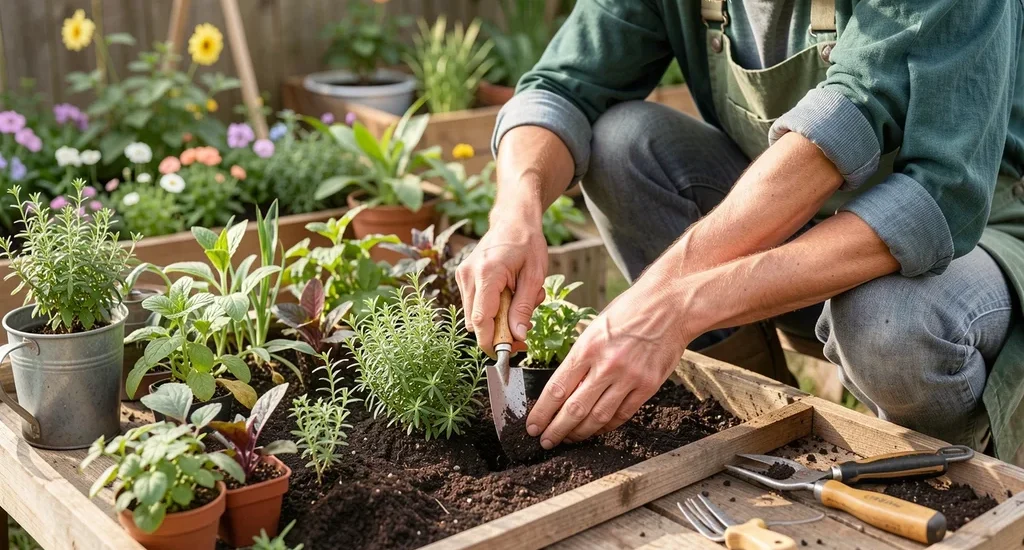
| Hand Trowel | Digging small holes and transplanting | $5-$15 |
| Pruners | Trimming plants and cutting back dead growth | $15-$30 |
| Watering Can | Watering plants without a hose | $10-$25 |
| Garden Fork | Loosening soil and mixing compost | $20-$40 |
Start with these five tools and expand your collection as you gain experience. A good watering can with a long spout helps reach plants without straining your back.
Tip: Clean your tools after each use to prevent rust and extend their lifespan. A simple wipe with a damp cloth and drying them thoroughly works well.
Choosing the Right Soil for Your Garden
Healthy soil is the foundation of easy gardening for beginners. Without good soil even the easiest plants will struggle to grow.
Most beginners do well with a general purpose potting mix. This type of soil is designed to retain moisture while allowing excess water to drain away preventing root rot.
- Clay Soil: Heavy and retains water well but can be too dense for some plants
- Sandy Soil: Drains quickly and warms up fast in spring but may need more frequent watering
- Loamy Soil: The ideal mix of sand silt and clay offering good drainage and nutrient retention
- Peaty Soil: High in organic matter retains moisture but can be acidic
- Chalky Soil: Alkaline and often stony which can limit plant choices
You can improve any soil type by adding compost. Compost adds nutrients improves soil structure and helps retain moisture.
| Soil Type | Best For | Improvement Tips |
|---|---|---|
| Clay | Moisture loving plants | Add sand and compost |
| Sandy | Drought tolerant plants | Add organic matter |
| Loamy | Most plants | Maintain with compost |
Test your soil before planting. A simple at home test kit can tell you the pH level and nutrient content. Most vegetables prefer a pH between 6.0 and 7.0.
Best Easy Plants for Beginner Gardeners
Some plants are naturally more forgiving making them perfect for those new to gardening. These varieties require minimal care and can tolerate some neglect.
Start with plants that grow quickly to see results fast. This immediate feedback keeps beginners motivated to continue their gardening journey.
- Basil – Grows quickly in pots or ground thrives in full sun and regular watering. Perfect for cooking and pest control.
- Sunflowers – Fast growing and drought tolerant. They add height and color to any garden while attracting pollinators.
- Lettuce – Cool weather crop that grows quickly. Harvest leaves as needed for fresh salads.
- Marigolds – Bright colorful flowers that repel pests. They bloom all season with minimal care.
- Green Beans – Easy to grow from seed and produce abundant harvests. They improve soil health by adding nitrogen.
- Zinnias – Colorful flowers that attract butterflies. They thrive in heat and bloom continuously.
- Radishes – One of the fastest growing vegetables ready to harvest in about 30 days. Great for beginners to see quick results.
Herbs like basil and mint are excellent choices for container gardening. They can thrive on a sunny windowsill or balcony making them perfect for apartment dwellers.
Important: Always check the plant tag for specific care instructions. Even easy plants have basic requirements for sunlight water and spacing.
Step by Step Guide to Starting Your First Garden
Follow these simple steps to create your first garden. This process works for both container gardening and in ground planting.
Remember that the key to easy gardening for beginners is starting small. A 4×4 foot garden bed or a few containers is plenty for your first season.
Step 1: Choose Your Garden Location
Select a spot that receives at least 6-8 hours of sunlight daily. Most vegetables and flowers need full sun to thrive.
If you have limited space consider container gardening on a balcony or patio. Many plants do well in pots including tomatoes peppers and herbs.
- Observe sunlight patterns in your yard throughout the day
- Choose a level spot to prevent water runoff
- Avoid areas near large trees that compete for water and nutrients
- Consider accessibility for watering and harvesting
- Ensure good air circulation to prevent fungal diseases
Step 2: Prepare Your Soil
Remove any weeds or grass from your chosen area. Then loosen the soil to a depth of about 12 inches using a garden fork or tiller.
Mix in a 2-3 inch layer of compost to improve soil fertility. This step is crucial for providing the nutrients your plants need to grow strong.
- Test your soil pH and adjust if needed
- Add organic matter like compost or well rotted manure
- Consider a soil amendment if your soil is very sandy or clay heavy
- Rake the area smooth before planting
- Water the prepared soil a day before planting
Step 3: Select and Plant Your Seeds or Seedlings
For beginners it’s often easier to start with young plants rather than seeds. However growing from seed is more economical and offers more variety.
Follow the planting instructions on the seed packet or plant tag. These provide specific information about planting depth spacing and care requirements.
| Plant Type | Planting Depth | Spacing |
|---|---|---|
| Tomato Seedlings | Same depth as container | 18-24 inches |
| Basil Seeds | 1/4 inch deep | 12 inches |
| Marigold Seeds | 1/8 inch deep | 8-10 inches |
| Lettuce Seedlings | 1/2 inch deeper than container | 12-18 inches |
Step 4: Water Properly
New plants need consistent moisture to establish strong root systems. Water deeply but less frequently to encourage roots to grow down rather than staying near the surface.
A general rule is to provide about 1 inch of water per week including rainfall. However this can vary based on your climate and soil type.
- Water in the morning to reduce evaporation and fungal diseases
- Use a watering can or gentle spray nozzle to avoid damaging young plants
- Check soil moisture by sticking your finger about an inch into the soil
- Mulch around plants to retain moisture and suppress weeds
- Avoid wetting the leaves especially for plants prone to fungal diseases
Warning: Overwatering is one of the most common mistakes beginners make. Yellowing leaves and wilting can be signs of too much water rather than too little.
Step 5: Maintain Your Garden
Regular maintenance keeps your garden healthy and productive. Spend a few minutes each day checking on your plants and addressing any issues.
Weeding is one of the most important maintenance tasks. Weeds compete with your plants for water nutrients and sunlight.
- Remove weeds when they’re small before they establish deep roots
- Use mulch to suppress weed growth and retain soil moisture
- Fertilize plants according to their specific needs
- Prune dead or damaged leaves to encourage new growth
- Monitor for pests and diseases and address them promptly
Step 6: Harvest Your Crops
Harvesting at the right time ensures the best flavor and encourages continued production. Each plant has its own signs that it’s ready to harvest.
For leafy greens like lettuce you can harvest outer leaves as needed allowing the plant to continue growing. For fruits like tomatoes pick them when they’re fully colored and slightly soft to the touch.
| Plant | When to Harvest | How to Harvest |
|---|---|---|
| Basil | When plant is 6-8 inches tall | Snip stems just above a leaf pair |
| Tomatoes | Fully colored and slightly soft | Gently twist from the vine |
| Lettuce | When leaves are 4-6 inches long | Pick outer leaves first |
| Radishes | When tops are 2 inches above soil | Pull gently from the soil |
Common Gardening Mistakes Beginners Make
Even with the easiest plants new gardeners often make preventable mistakes. Being aware of these common pitfalls can help you avoid them.
Learning from others’ mistakes saves you time and frustration. Many of these issues are easy to fix once you recognize the signs.
- Overwatering: Many beginners water too frequently leading to root rot and fungal diseases. Stick your finger in the soil if the top inch is dry it’s time to water.
- Underwatering: While less common than overwatering some plants suffer from not enough water. Wilting and dry soil are clear signs.
- Planting Too Deep: Plants buried too deep can suffocate. Follow the planting depth instructions on the seed packet or plant tag.
- Ignoring Spacing Requirements: Crowded plants compete for resources leading to stunted growth and increased disease risk. Give each plant the space it needs to thrive.
- Neglecting Soil Health: Poor soil leads to poor plant growth. Invest time in preparing your soil with compost and organic matter.
- Not Rotating Crops: Planting the same crop in the same spot year after year can deplete soil nutrients and encourage pests and diseases.
- Using Too Much Fertilizer: More isn’t always better when it comes to fertilizer. Over fertilizing can burn plants and lead to excessive leafy growth with few fruits or flowers.
Important: Keep a gardening journal to track what works and what doesn’t. Note planting dates watering schedules and any issues that arise. This helps you improve each season.
Container Gardening for Small Spaces
Not everyone has a large yard for a traditional garden. Container gardening offers a flexible solution for apartments balconies and small outdoor spaces.
Containers allow you to control the soil and growing conditions more precisely. They’re also easier to protect from pests and harsh weather.
- Benefits of Container Gardening:
- Perfect for small spaces like balconies patios and windowsills
- Easier to control soil quality and moisture
- Reduces weed problems
- Allows for better pest control
- Can be moved to optimize sunlight exposure
- Ideal for renters who want to take their garden with them
| Container Type | Best For | Pros | Cons |
|---|---|---|---|
| Terracotta Pots | Herbs small flowers | Breathable good for roots | Heavy can dry out quickly |
| Plastic Pots | Most plants | Lightweight retains moisture | Less breathable can crack |
| Wooden Boxes | Vegetables flowers | Natural look good insulation | Can rot over time |
| Hanging Baskets | Trailing plants flowers | Saves space decorative | Requires frequent watering |
Choose containers with drainage holes to prevent waterlogging. If you love a pot without holes you can drill some yourself or use it as a cache pot placing the plant in a smaller pot with holes inside the decorative one.
Frequently Asked Questions
How much time does easy gardening for beginners require?
Most beginner gardens need about 30 minutes to an hour of care per day. This includes watering weeding and checking on plant health. The time commitment depends on the size of your garden and the types of plants you choose.
Container gardens often require less time than in ground gardens.
What is the easiest vegetable to grow for beginners?
Radishes are often considered the easiest vegetable for beginners. They grow quickly ready to harvest in about 30 days and require minimal care. Lettuce and green beans are also excellent choices for new gardeners as they’re forgiving and produce abundant harvests.
Do I need a large space to start a garden?
No you don’t need a large space to start gardening. Container gardening allows you to grow plants on a balcony patio or even a sunny windowsill. Many herbs vegetables and flowers thrive in pots.
Start with what you have and expand as you gain confidence.
How often should I water my beginner garden?
The frequency of watering depends on your climate soil type and the specific plants you’re growing. A general rule is to water when the top inch of soil feels dry. In hot climates you might need to water daily while in cooler areas every few days may suffice.
Always water deeply to encourage strong root growth.
What should I do if my plants aren’t growing well?
First check the basics: are your plants getting enough sunlight and water? Is the soil too dry or waterlogged? Look for signs of pests or diseases and address them promptly.
Sometimes plants just need more time to establish. If you’re unsure consult a local nursery or gardening group for advice specific to your area.
Final Thoughts
Easy gardening for beginners opens up a world of possibilities with minimal stress. Start small with forgiving plants and basic tools then expand as you gain confidence. Remember that every gardener makes mistakes and each season offers a chance to learn and improve.
The most important thing is to enjoy the process and take pride in watching your garden grow.