Last Updated on October 22, 2026 by D. Ruddy
Starting a garden can feel overwhelming with so much advice out there, but gardening basics for beginners boil down to a few simple principles that anyone can master with practice. This guide covers everything you need to know to grow healthy plants without the guesswork.
You can start a thriving garden by choosing the right plants for your space, preparing the soil properly, and maintaining consistent watering. Most beginners see success within weeks by focusing on these three core elements.
Why Gardening Is Worth Your Time
Gardening offers more than just fresh food or beautiful flowers. It reduces stress, provides light exercise, and can even lower your grocery bills. Studies show that people who garden regularly have better mental health and a greater sense of accomplishment.
According to the National Gardening Association, home gardens can yield up to $600 worth of produce annually from a modest investment in seeds and tools. Plus, you control what goes into your soil and onto your plants, ensuring chemical-free food for your family.
- Improves mental well-being by reducing cortisol levels
- Provides moderate physical activity through planting and maintenance
- Saves money on groceries with homegrown produce
- Increases property value with attractive landscaping
- Encourages sustainable living by reducing food miles
Tip: Start small with a 4×4 foot plot or container garden if you’re new. This manageable size prevents burnout while still providing satisfying results.
Choosing The Right Location For Your Garden
Sunlight is the most critical factor when selecting a garden location. Most vegetables and flowering plants require at least 6-8 hours of direct sunlight daily. Observe your yard throughout the day to identify the sunniest spots before planting.
Consider these location factors for optimal plant growth:
| Factor | Ideal Conditions | Why It Matters |
|---|---|---|
| Sunlight | 6-8 hours daily | Essential for photosynthesis and plant growth |
| Drainage | Well-draining soil | Prevents root rot and waterlogging |
| Accessibility | Near water source | Makes watering convenient and consistent |
| Wind Protection | Sheltered area | Protects delicate plants from damage |
If your yard lacks ideal sunlight, consider container gardening on a patio or balcony where you can move plants to follow the sun. Many herbs and leafy greens tolerate partial shade, making them good options for less sunny spots.
Essential Gardening Tools For Beginners
You don’t need expensive equipment to start gardening. A few basic tools will handle most tasks for a beginner garden. Invest in quality tools that feel comfortable in your hands – they’ll last for years with proper care.
These five tools form the foundation of any beginner’s gardening kit:
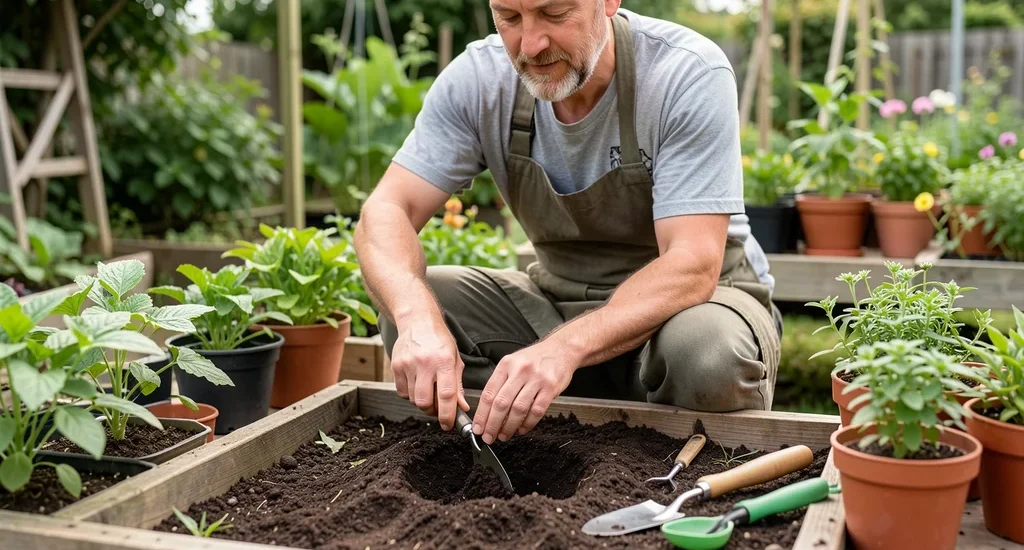
- Hand Trowel: Perfect for planting small flowers and vegetables, digging holes for seedlings, and mixing soil in containers. Look for one with a sturdy metal blade and comfortable grip.
- Pruners: Essential for trimming plants, deadheading flowers, and harvesting vegetables. Bypass pruners work best for clean cuts that won’t damage plant stems.
- Garden Fork: Helps loosen soil, mix in compost, and aerate garden beds. Choose one with four sturdy tines and a long handle to save your back.
- Watering Can or Hose: Consistent watering is key to plant health. A watering can works well for small gardens, while a hose with adjustable nozzle is better for larger areas.
- Garden Gloves: Protect your hands from thorns, blisters, and soil-borne bacteria. Look for durable, breathable gloves that fit well without restricting movement.
Important: Clean and dry your tools after each use to prevent rust and extend their lifespan. A simple wipe with a cloth and occasional oil application keeps them in top condition.
Understanding Soil And How To Prepare It
Healthy soil is the foundation of a successful garden. Good soil provides plants with essential nutrients, proper drainage, and a stable root environment. Most beginners underestimate the importance of soil quality, but it can make the difference between thriving plants and constant struggles.
Test your soil’s pH and nutrient levels with a simple home test kit available at garden centers. Most vegetables prefer slightly acidic soil (pH 6.0-7.0). If your soil is too alkaline or acidic, you can amend it with lime or sulfur respectively.
| Soil Type | Characteristics | Best For |
|---|---|---|
| Clay | Heavy, holds moisture, slow draining | Add compost to improve drainage |
| Sandy | Light, drains quickly, low nutrients | Add organic matter to retain moisture |
| Silt | Fertile, holds moisture, smooth texture | Ideal for most plants when mixed with compost |
| Loam | Perfect balance of clay, sand, silt | Best for nearly all plants |
To prepare your soil for planting, follow these steps:
- Remove weeds and debris from the garden area
- Loosen the soil to a depth of 12-18 inches using a garden fork
- Mix in 2-3 inches of compost or well-rotted manure
- Add organic fertilizer if your soil test indicates nutrient deficiencies
- Level the soil surface and water lightly before planting
Selecting The Best Plants For Beginners
Not all plants are equally forgiving for new gardeners. Some require precise conditions and constant attention, while others thrive with minimal care. As a beginner, focus on easy-to-grow plants that offer quick rewards and build your confidence.
The USDA Plant Hardiness Zone Map can help you determine which plants will thrive in your climate. Simply enter your zip code to find your zone, then select plants rated for that zone or lower.
Top 7 Beginner-Friendly Vegetables
- Lettuce: Grows quickly (30-60 days), tolerates cool weather, and can be harvested leaf by leaf. Plant in early spring or fall for best results.
- Radishes: Ready to harvest in just 25-30 days. These are perfect for impatient beginners wanting quick results. Sow directly in garden soil.
- Green Beans: Easy to grow from seed, produces abundant harvests, and doesn’t require staking if you choose bush varieties. Plant after last frost date.
- Zucchini: One plant produces plenty of squash throughout the season. Give it plenty of space as plants can grow large.
- Tomatoes: While they need support (cages or stakes), cherry tomatoes are particularly easy for beginners. Choose disease-resistant varieties.
- Cucumbers: Grow quickly on trellises to save space. Harvest regularly to encourage more production.
- Herbs (Basil, Parsley, Cilantro): These can be grown in containers or garden beds. Most herbs prefer well-draining soil and regular watering.
Top 5 Beginner-Friendly Flowers
- Marigolds: Bright, cheerful flowers that repel pests and attract pollinators. They’re drought-tolerant and bloom all season.
- Sunflowers: Grow tall and impressive with minimal care. Dwarf varieties are perfect for small spaces.
- Zinnias: Colorful, long-lasting cut flowers that attract butterflies. They’re disease-resistant and thrive in hot weather.
- Cosmos: Easy to grow from seed, self-seeds for next year, and attracts pollinators. Tolerates poor soil conditions.
- Pansies: Cold-hardy flowers that bloom in spring and fall. They’re perfect for adding color to containers or garden edges.
Warning: Avoid starting with finicky plants like orchids, roses, or cauliflower as a beginner. These require more experience and specific growing conditions that can lead to frustration.
Planting Your First Garden
Once you’ve selected your plants and prepared your soil, it’s time to get them in the ground. The planting process varies slightly between seeds and seedlings, but the basic principles remain the same.
According to the Old Farmer’s Almanac, the best time to plant most vegetables is after the last spring frost date for your area. You can find this date by checking local agricultural extension websites or gardening resources.
Planting Seeds
- Read the seed packet: This contains crucial information about planting depth, spacing, and days to maturity.
- Mark your rows: Use string or garden markers to create straight rows. This makes it easier to identify seedlings from weeds.
- Plant at the correct depth: Most seeds need to be planted at a depth of 2-3 times their diameter. Small seeds like lettuce only need a light covering of soil.
- Space seeds properly: Thin seedlings later if needed to prevent overcrowding. Proper spacing ensures each plant gets enough light and nutrients.
- Water gently: Use a fine spray to avoid washing away seeds or disturbing the soil. Keep the soil consistently moist until seeds germinate.
Planting Seedlings
- Harden off seedlings: If you started plants indoors, gradually expose them to outdoor conditions over 7-10 days before transplanting.
- Dig proper holes: Make holes slightly larger than the seedling’s root ball. Space holes according to the plant’s mature size (check seed packet or plant tag).
- Remove from containers: Gently squeeze the container and tap the bottom to release the seedling. If roots are bound, gently loosen them before planting.
- Plant at the right depth: Set the seedling in the hole so the soil level matches where it was in the container. For tomatoes, plant deeper as they’ll root along the stem.
- Firm the soil: Gently press the soil around the base of the plant to remove air pockets and ensure good soil-to-root contact.
- Water thoroughly: Give each plant a good drink of water after planting to help it establish in its new home.
Watering Wisdom For New Gardeners
Water is essential for plant growth, but many beginners struggle with knowing when and how much to water. Overwatering can be just as harmful as underwatering, leading to root rot, fungal diseases, and stunted growth.
The general rule is to water deeply but infrequently. Most plants need about 1-1.5 inches of water per week, including rainfall. This encourages deep root growth, making plants more drought-resistant.
| Watering Method | Best For | When to Use |
|---|---|---|
| Drip Irrigation | Vegetable gardens, rows of plants | Daily or every other day in hot weather |
| Soaker Hoses | Garden beds, perennial borders | 2-3 times per week |
| Watering Can | Container plants, small gardens | As needed, when top inch of soil is dry |
| Sprinkler | Lawns, large areas | Early morning to reduce evaporation |
Here are some watering tips to keep your plants healthy:
- Water in the early morning to reduce evaporation and prevent fungal diseases that can develop with evening watering.
- Focus water at the base of plants rather than on the leaves to prevent disease and ensure water reaches the roots.
- Use your finger to test soil moisture – if the top inch is dry, it’s time to water.
- Newly planted seeds and seedlings need more frequent watering until they establish roots.
- Mulch around plants to retain moisture and reduce the need for frequent watering.
- Adjust your watering schedule based on weather – plants need less water during cool, rainy periods.
- Collect rainwater in barrels to use for watering – it’s free and better for plants than tap water.
Tip: Use a simple moisture meter (available at garden centers) to take the guesswork out of watering. These inexpensive tools show exactly when your plants need water.
Fertilizing And Feeding Your Plants
Plants need nutrients to grow, and while good soil provides many of these, most gardens benefit from additional fertilization. The three primary nutrients plants need are nitrogen (N) for leaf growth, phosphorus (P) for root development and flowering, and potassium (K) for overall plant health.
Fertilizers come in organic and synthetic forms. Organic fertilizers, like compost, manure, and bone meal, release nutrients slowly and improve soil structure. Synthetic fertilizers provide immediate nutrients but can leach away quickly and may harm beneficial soil organisms if overused.
Types of Fertilizers
| Type | N-P-K Ratio | Best For | Application |
|---|---|---|---|
| All-Purpose | 10-10-10 | General garden use | Every 4-6 weeks |
| Vegetable | 5-10-10 | Vegetable gardens | Every 3-4 weeks |
| Flower | 10-20-10 | Flowering plants | Every 4 weeks |
| Lawn | 20-5-10 | Grass | Every 6-8 weeks |
| Compost | Varies | All plants | At planting and as top dressing |
Follow these fertilizing guidelines for best results:
- Start with a soil test: This tells you exactly what nutrients your soil needs and helps you avoid over-fertilizing.
- Follow package instructions: More fertilizer isn’t better. Over-fertilizing can burn plants and pollute waterways.
- Fertilize at the right time: Early morning or late afternoon is best. Avoid fertilizing during the heat of the day.
- Water after fertilizing: This helps nutrients reach the roots and prevents fertilizer burn.
- Use organic options when possible: Compost, worm castings, and organic fertilizers improve soil health long-term.
- Don’t fertilize stressed plants: If plants are wilting from drought or heat, help them recover first before fertilizing.
- Rotate fertilizer types: Using the same fertilizer repeatedly can lead to nutrient imbalances in your soil.
Common Gardening Mistakes Beginners Make
Even with the best intentions, beginners often make mistakes that can hinder their gardening success. Being aware of these common pitfalls can help you avoid them and set your garden up for success from the start.
According to a survey by the National Gardening Association, the most common mistake new gardeners make is planting too much too soon. Starting small and expanding as you gain experience leads to better results and less frustration.
- Over or Under Watering: Both can stress plants. Learn to check soil moisture with your finger rather than watering on a strict schedule. Most plants prefer soil that’s moist but not soggy.
- Planting Too Deep or Too Shallow: Seeds and seedlings need to be planted at the correct depth. Too deep and they may not emerge; too shallow and they can dry out or be unearthed by wind or water.
- Ignoring Spacing Requirements: Overcrowded plants compete for light, water, and nutrients, leading to stunted growth and increased disease susceptibility. Always follow spacing guidelines on seed packets.
- Neglecting Soil Health: Poor soil leads to poor plant growth. Invest time in improving your soil with organic matter before planting. Healthy soil grows healthy plants.
- Planting at the Wrong Time: Each plant has its ideal planting window. Planting too early or too late can result in poor germination, stunted growth, or plant death from frost.
- Not Rotating Crops: Planting the same crops in the same spot year after year can deplete soil nutrients and encourage disease and pest buildup. Rotate crops annually for best results.
- Ignoring Pests and Diseases: Catching problems early makes them easier to manage. Regularly inspect your plants for signs of trouble like holes in leaves, discoloration, or wilting.
Important: Don’t be discouraged by mistakes – they’re part of the learning process. Even experienced gardeners make errors. The key is to observe, learn, and adjust your approach for next time.
Pest And Disease Management For Beginners
Every garden will face pests and diseases at some point. The key to managing these problems is prevention, early detection, and appropriate action. Many common garden pests can be controlled without harsh chemicals using integrated pest management (IPM) techniques.
The University of California’s Statewide IPM Program reports that 90% of insects in the garden are either beneficial or harmless. Only about 10% are actual pests that need control. Learning to identify beneficial insects can help you maintain a healthy garden ecosystem.
Common Garden Pests and Organic Controls
| Pest | Damage | Organic Control |
|---|---|---|
| Aphids | Curled leaves, sticky residue | Blast with water, introduce ladybugs, use insecticidal soap |
| Slugs and Snails | Holes in leaves, slime trails | Beer traps, diatomaceous earth, copper barriers |
| Cabbage Worms | Holes in cabbage family plants | Bacillus thuringiensis (Bt), row covers, hand picking |
| Japanese Beetles | Skeletonized leaves, flowers eaten | Hand pick in early morning, use milky spore, neem oil |
| Tomato Hornworms | Large holes in tomato leaves and fruit | Hand pick, attract parasitic wasps, use Bt |
Preventing Diseases in Your Garden
- Rotate crops: Don’t plant the same family of vegetables in the same spot each year. This helps prevent soil-borne diseases from building up.
- Water at the base: Keep leaves dry to prevent fungal diseases. If you must water overhead, do it early in the day so leaves have time to dry.
- Space plants properly: Good air circulation between plants helps prevent fungal diseases. Follow spacing guidelines on seed packets.
- Clean up debris: Remove dead leaves and plant debris from the garden, as these can harbor disease organisms over winter.
- Use disease-resistant varieties: Many vegetable and flower varieties have been bred for resistance to common diseases. Look for codes like VFN on tomato tags (resistant to Verticillium, Fusarium, and Nematodes).
- Practice good sanitation: Clean your tools regularly, especially if you’ve been working with diseased plants. A solution of 1 part bleach to 9 parts water works well for disinfecting.
- Monitor regularly: Check your plants often for signs of disease like spots on leaves, wilting, or unusual growth. Catching problems early makes them easier to manage.
Beneficial Insects to Encourage
- Ladybugs: Eat aphids, mites, and other soft-bodied insects. One ladybug can eat up to 5,000 aphids in its lifetime.
- Praying Mantises: These voracious predators eat a wide variety of garden pests, including caterpillars, beetles, and even small frogs.
- Lacewings: Their larvae, called aphid lions, feed on aphids, thrips, whiteflies, and small caterpillars.
- Ground Beetles: Hunt and eat slugs, snails, cutworms, and other soil-dwelling pests.
- Hoverflies: Their larvae feed on aphids, while adults are important pollinators.
- Parasitic Wasps: These tiny wasps lay their eggs inside pest insects like tomato hornworms and cabbage worms, eventually killing the host.
Tip: Plant a variety of flowers, especially those with small blossoms like alyssum, dill, and yarrow, to attract beneficial insects to your garden. These plants provide nectar and pollen that support a healthy ecosystem.
Harvesting And Storing Your Garden Produce
Knowing when and how to harvest your garden produce ensures the best flavor and quality. Each vegetable has its own signs that it’s ready to be picked. Harvesting at the right time also encourages plants to produce more.
The USDA reports that homegrown vegetables often contain higher levels of vitamins and antioxidants than store-bought produce, partly because they’re harvested at peak ripeness and consumed quickly. This means you’re getting the maximum nutritional benefit from your garden.
When to Harvest Common Vegetables
| Vegetable | Days to Maturity | Signs of Readiness |
|---|---|---|
| Lettuce | 30-60 | Leaves are full size, before bolting (going to seed) |
| Radishes | 25-30 | Shoulders visible above soil, 1 inch diameter |
| Green Beans | 50-60 | Pods are 4-6 inches long, firm and crisp |
| Zucchini | 45-55 | 6-8 inches long, skin is shiny and tender |
| Tomatoes | 60-85 | Full color, slightly soft to touch, easy to twist from vine |
| Cucumbers | 50-70 | 6-8 inches long, firm, dark green |
Harvesting Tips for Best Quality
- Use the right tools: Sharp scissors, pruners, or a knife make clean cuts that heal quickly. Avoid tearing plants, which can introduce disease.
- Harvest in the morning: Produce is often at its peak flavor and crispness in the morning after the dew has dried but before the heat of the day.
- Handle gently: Bruised produce spoils faster. Place harvested vegetables in a basket or container rather than dropping them into a bag.
- Harvest regularly: Many plants, like beans, cucumbers, and zucchini, produce more when harvested frequently. Check your garden every day during peak production.
- Don’t wash before storing: Moisture speeds up spoilage. Brush off dirt but don’t wash until ready to use.
- Harvest at the right stage: Some vegetables, like peas and corn, are best when very young, while others, like tomatoes and peppers, need to fully ripen on the plant.
Storing Your Harvest
- Leafy Greens: Store unwashed in a perforated plastic bag in the refrigerator for 3-5 days. Wash just before using.
- Root Vegetables: Remove tops and store in a cool, dark place. Carrots, beets, and radishes can last 2-4 weeks in the refrigerator.
- Tomatoes: Never refrigerate tomatoes – it ruins their flavor. Store at room temperature out of direct sunlight until ripe, then use within a few days.
- Herbs: Trim stems and place in a glass of water like flowers, or wrap in a damp paper towel and store in a bag in the refrigerator.
- Cucumbers and Zucchini: Store in the refrigerator for up to a week. Use as soon as possible for best flavor.
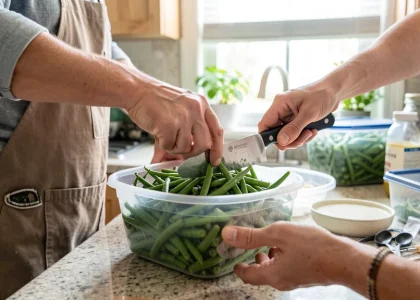
- Green Beans: Store unwashed in a plastic bag in the refrigerator for up to 5 days.
- Preserving the Harvest: Learn simple preservation methods like freezing, canning, or drying to enjoy your garden produce year-round.
Frequently Asked Questions
How much time does gardening take each week?
For a small beginner garden (about 10×10 feet), expect to spend 2-3 hours per week on maintenance tasks like watering, weeding, and harvesting. This time can vary based on weather conditions and the types of plants you’re growing. Container gardens typically require less time.
Do I need to use pesticides in my garden?
No, pesticides are not necessary for a successful garden. Many common garden pests can be managed through prevention, hand-picking, and organic controls. In fact, a healthy garden ecosystem with beneficial insects often keeps pest populations in check naturally.
What’s the easiest vegetable for beginners to grow?
Radishes are often considered the easiest vegetable for beginners. They grow quickly (ready in 25-30 days), can be planted early in the season, and are very forgiving of less-than-perfect conditions. Lettuce and green beans are also excellent beginner vegetables.
How do I know if my plants are getting enough water?
Check the soil moisture about an inch below the surface. If it feels dry, it’s time to water. Also, observe your plants – wilting in the heat of the day can be normal, but if plants are still wilted in the morning, they likely need more water.
Yellowing leaves can also be a sign of over or under watering.
Can I garden if I only have a balcony or small patio?
Absolutely! Container gardening is perfect for small spaces like balconies and patios. Many vegetables, herbs, and flowers grow well in pots.
Choose compact varieties and ensure your containers have adequate drainage. Vertical gardening techniques can also help maximize space.
Final Thoughts
Gardening basics for beginners don’t need to be complicated – start with good soil, choose easy plants, and provide consistent care. Remember that every gardener, even the most experienced, started as a beginner. The joy of gardening comes from the learning process as much as the harvest.
Take it one step at a time, celebrate your successes, and don’t be discouraged by the inevitable challenges. With each season, you’ll gain more knowledge and confidence, and your garden will flourish.