Last Updated on October 23, 2026 by D. Ruddy
If you’re looking for a natural way to keep your greenhouse warm in cold months, can manure heat a greenhouse during the winter is a question worth exploring. This traditional method leverages the heat produced by decomposing organic matter to maintain a stable temperature for plants. It’s a cost-effective, eco-friendly solution that many gardeners swear by for extending the growing season or protecting tender crops from frost.
Yes manure can heat a greenhouse during the winter by generating heat through microbial decomposition. Fresh horse or cow manure mixed with straw creates temperatures of 100-140°F for weeks when properly stacked in hot beds under benches or buried in trenches.
How Manure Produces Heat for Greenhouses
Manure heats a greenhouse through a biological process called composting. When organic matter like manure breaks down, microorganisms consume oxygen and release carbon dioxide, water vapor, and heat as byproducts. This exothermic reaction can raise temperatures significantly, especially in confined spaces like a greenhouse.
The heat output depends on several factors, including the type of manure, its freshness, and how it’s layered. Fresh manure from herbivores (horses, cows, sheep) works best because it contains high levels of nitrogen, which fuels microbial activity. The heat peaks within the first few days and can last for several weeks, depending on the volume and insulation.
Here’s how the process works:
- Microbial Activity: Bacteria and fungi break down the carbon and nitrogen in the manure, generating heat as a metabolic byproduct.
- Oxygen Supply: Proper aeration (via turning or layering with straw) ensures oxygen reaches the microbes, sustaining the reaction.
- Moisture Content: Manure should be damp but not soggy—ideal moisture levels are 40-60% for optimal decomposition.
- Insulation: Heat retention improves with thick layers (at least 18-24 inches deep) and insulation like straw bales or soil covering.
- Timeframe: The hottest phase lasts 1-3 weeks, with residual heat lingering for 4-6 weeks if managed well.
Important: Use only herbivore manure (horse, cow, rabbit) for greenhouse heating. Carnivore manure (dog, cat) may contain harmful pathogens and should be avoided.
Best Types of Manure for Greenhouse Heating
Not all manure is created equal when it comes to heat production. The best types for greenhouse heating are high in nitrogen and cellulose, which fuel the microbial breakdown process. Below is a comparison of the most effective options:
| Manure Type | Heat Output | Duration | Pros | Cons |
|---|---|---|---|---|
| Horse Manure | 120-140°F | 4-6 weeks | High heat, widely available, mixes well with straw | May contain weed seeds, can be too hot for direct plant contact |
| Cow Manure | 100-130°F | 3-5 weeks | Steady heat, less odorous, good for long-term beds | Slower to heat up, lower peak temps |
| Rabbit Manure | 90-110°F | 2-4 weeks | No burn risk, odorless, high in nutrients | Lower heat output, smaller volume per animal |
| Sheep Manure | 110-125°F | 3-4 weeks | Dense, long-lasting, low weed seed risk | Harder to find, can be dusty |
Horse manure is often the top choice due to its high heat output and availability, but cow manure is a close second for its consistency. Rabbit manure, while cooler, is excellent for smaller greenhouses or when combined with other materials to boost temperature. Avoid chicken manure unless aged for at least 6 months, as fresh chicken manure can reach temperatures that are too high (up to 160°F) and may harm plants.
Step by Step Guide to Heating a Greenhouse with Manure
Setting up a manure-heated greenhouse requires careful planning to maximize heat retention and distribution. Follow these steps to create an effective hot bed or trench system:
- Source Fresh Manure
Collect manure from a reliable source, ideally within 24-48 hours of the animal producing it. Older manure loses potency. Aim for a mix of manure and bedding (straw or wood shavings), as the carbon in the bedding balances the nitrogen in the manure for optimal decomposition.
- Choose Your Heating Method
Decide between two primary methods:
- Hot Beds: Layer manure under greenhouse benches or raised beds. Best for small to medium greenhouses.
- Trench System: Bury manure in trenches (18-24 inches deep) beneath the greenhouse soil. Ideal for larger structures or permanent setups.
- Prepare the Site
Clear the greenhouse floor and level the area where you’ll place the manure. For hot beds, build a frame (e.g., with wooden planks or cinder blocks) to contain the manure. For trenches, dig a series of parallel pits spaced 2-3 feet apart.
- Layer the Manure Properly
For hot beds, start with a 6-inch base layer of coarse material (e.g., wood chips) for drainage. Add a 12-18 inch layer of fresh manure mixed with straw (1:1 ratio). Top with 4-6 inches of soil or compost to insulate the heat.
For trenches, fill them with manure-straw mix and cover with 6 inches of soil.
- Monitor Temperature
Use a soil thermometer to track the heat. Ideal temperatures for most plants range between 70-85°F. If the manure exceeds 120°F, add more straw or soil to cool it down.
If it’s too cool, turn the manure to reintroduce oxygen.
- Insulate the Greenhouse
Seal gaps in the greenhouse structure and add extra insulation (e.g., bubble wrap on walls, straw bales around the perimeter) to retain heat. At night, cover plants with frost blankets if temperatures drop too low.
Tip: For a longer heat duration, rebuild or refresh the manure layers every 3-4 weeks. Replace the top soil layer and add fresh manure to the bottom.
Manure Hot Bed vs Trench System for Greenhouses
Choosing between a hot bed and a trench system depends on your greenhouse size, climate, and how much effort you’re willing to invest. Below is a detailed comparison to help you decide:
| Feature | Hot Bed | Trench System |
|---|---|---|
| Setup Effort | Moderate (requires framing) | High (requires digging) |
| Heat Distribution | Localized (under benches) | Even (throughout soil) |
| Heat Duration | 3-4 weeks | 6-8 weeks |
| Best For | Small greenhouses, temporary setups | Large greenhouses, permanent beds |
| Maintenance | Frequent (replace every 3-4 weeks) | Low (refresh every 6-8 weeks) |
Hot beds are ideal for gardeners who want a simple, temporary solution or have limited space. They’re easier to set up and allow you to target heat where it’s needed most, such as under seedling trays. However, they require more frequent maintenance.
Trench systems, on the other hand, are better for larger greenhouses or permanent installations. They provide more even heat distribution and last longer but require more upfront labor.
Common Mistakes to Avoid When Using Manure for Heat
While manure is an excellent heat source, several common mistakes can reduce its effectiveness or even harm your plants. Here’s what to watch out for:
- Using Old or Dry Manure
Manure loses its heating potential as it dries out or ages. Always use fresh manure (ideally less than 2 days old) with a moisture content of 40-60%. Dry manure won’t decompose properly, and you’ll miss out on the heat benefits.
- Skipping the Carbon Source
Manure alone can become compacted, limiting oxygen flow and slowing decomposition. Mix it with a carbon-rich material like straw, leaves, or wood shavings (1:1 ratio) to create air pockets and fuel the microbes.
- Overpacking the Manure
Compressing manure reduces airflow, which is critical for microbial activity. Layer it loosely and avoid walking on it. If using trenches, don’t pack the manure down—let it remain fluffy.
- Ignoring Temperature Monitoring
Manure can get too hot (above 120°F) for young plants or seeds. Use a soil thermometer to check the temperature at the root level (4-6 inches deep). If it’s too hot, add more soil or straw as insulation.
- Poor Insulation
Heat escapes quickly without proper insulation. Seal gaps in your greenhouse, use double-layered plastic, or add bubble wrap to the walls. At night, cover plants with frost blankets or thermal masses (e.g., water barrels) to retain warmth.
- Using the Wrong Type of Manure
Avoid carnivore manure (dog, cat) due to potential pathogens. Also, fresh chicken manure can get too hot (up to 160°F) and may burn plants. Stick to herbivore manure (horse, cow, rabbit, sheep) for safe, consistent heat.
Warning: Never use manure from animals treated with herbicides or pesticides, as these chemicals can persist and harm your plants.
How Long Does Manure Heat Last in a Greenhouse
The duration of heat from manure depends on several factors, including the type of manure, the volume used, and how well the greenhouse is insulated. On average, a well-constructed manure hot bed or trench system can provide heat for 4-8 weeks. Here’s a breakdown of what to expect:
- Peak Heat Phase (1-2 weeks): The first 7-14 days are the hottest, with temperatures often reaching 120-140°F in the center of the pile. This phase is ideal for starting seeds or warming the soil quickly.
- Stable Heat Phase (2-4 weeks): After the initial peak, temperatures settle into a more stable range of 80-100°F. This phase is perfect for maintaining warmth for established plants.
- Declining Heat Phase (4-8 weeks): As the manure fully decomposes, temperatures gradually drop to 60-80°F. This phase is still useful for extending the growing season but may require supplemental heat in very cold climates.
To extend the heat duration:
- Use larger volumes of manure (deeper layers or wider trenches).
- Refresh the manure every 3-4 weeks by adding a new layer on top.
- Improve insulation with straw bales, bubble wrap, or double-layered greenhouse plastic.
- Combine manure with other heat sources, such as solar panels or small heaters, for consistent warmth.
According to the University of Vermont Extension, a well-managed manure hot bed can maintain temperatures 20-30°F above the ambient air temperature for up to 6 weeks, depending on the conditions. In colder climates, this may be enough to keep a greenhouse frost-free during mild winters or shoulder seasons.
Supplementing Manure Heat with Other Methods
While manure is a powerful heat source, combining it with other methods can provide more consistent warmth, especially in extremely cold climates. Here are some effective ways to supplement manure heat:
- Solar Heating: Use thermal mass materials like water barrels, stones, or bricks to absorb solar heat during the day and release it at night. Paint the barrels black for better heat absorption.
- Compost Heating: Add additional compost piles inside the greenhouse. Like manure, compost generates heat as it decomposes. Use a mix of green (nitrogen-rich) and brown (carbon-rich) materials.
- Insulation Upgrades: Add extra layers of insulation to the greenhouse walls and roof. Bubble wrap, straw bales, or foam boards can significantly reduce heat loss.
- Small Heaters: Use electric or propane heaters as a backup for extremely cold nights. Opt for models with thermostats to maintain a consistent temperature.
- Geothermal Heating: Bury water-filled pipes or tubes in the ground outside the greenhouse and circulate the water through a heat exchanger inside. This method leverages the earth’s natural warmth.
- Windbreaks: Plant evergreen trees or install fences around the greenhouse to block cold winds, which can rapidly cool the structure.
| Method | Cost | Ease of Setup | Effectiveness |
|---|---|---|---|
| Solar Thermal Mass | Low ($50-$200) | Easy | Moderate |
| Compost Piles | Low (free-$100) | Moderate | High |
| Insulation Upgrades | Moderate ($200-$500) | Moderate | High |
| Electric Heater | High ($300-$1000+) | Easy | Very High |
Combining manure with solar thermal mass is one of the most cost-effective and sustainable approaches. For example, placing black-painted water barrels on top of manure hot beds can absorb additional heat during the day and release it at night, creating a more stable temperature range.
Real World Examples of Manure Heated Greenhouses
Manure-heated greenhouses have been used for centuries, particularly in colder climates where traditional heating methods are expensive or impractical. Here are a few real-world examples and case studies:
- Victorian Hot Beds (UK):
In 19th-century England, gardeners used horse manure hot beds to grow early crops like cucumbers and melons. These beds were often placed in greenhouses or cold frames, allowing for year-round cultivation. According to historical records, these systems could maintain temperatures of 80-90°F for up to 2 months, even in winter. - Chinese Greenhouse Farming:
In northern China, farmers have used a combination of manure and solar heating to grow vegetables like tomatoes and cucumbers in unheated greenhouses during winter. The manure is layered in trenches beneath the soil, and the greenhouses are insulated with thick layers of straw and plastic. This method has been shown to keep greenhouse temperatures above freezing even when outdoor temperatures drop below 0°F. - Modern Homestead Greenhouses (USA):
Many homesteaders and small-scale farmers in the U.S. rely on manure to heat their greenhouses. For example, a homestead in Vermont reported using horse manure hot beds to keep their 12×20 ft greenhouse warm enough to grow spinach, kale, and lettuce throughout the winter. By refreshing the manure every 4 weeks, they maintained soil temperatures of 60-70°F even when outdoor temperatures were in the 20s. - European Polytunnel Systems:
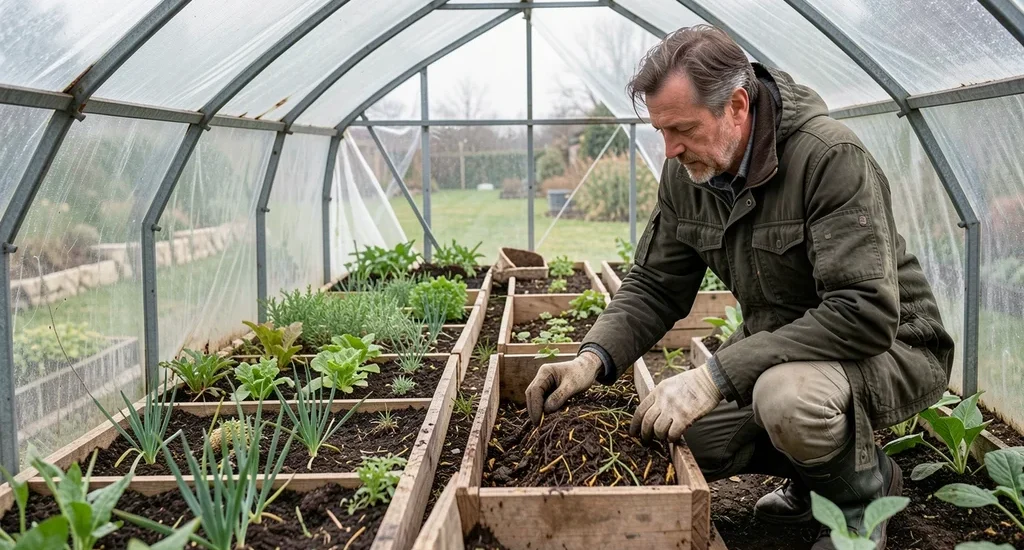
In countries like France and the Netherlands, commercial growers use manure in polytunnels (a type of greenhouse) to extend the growing season for high-value crops like strawberries and herbs. These systems often combine manure with geothermal heating or solar panels for optimal results.
These examples demonstrate that manure-heated greenhouses are not only a historical practice but also a viable modern solution. The key to success lies in proper planning, consistent maintenance, and a willingness to experiment with different methods to find what works best for your climate and crops.
Frequently Asked Questions
Can any type of manure be used to heat a greenhouse?
No, only herbivore manure (horse, cow, rabbit, sheep) is recommended for greenhouse heating. Carnivore manure (dog, cat) may contain harmful pathogens, and fresh chicken manure can get too hot and burn plants. Stick to well-aged or fresh herbivore manure for safe, consistent heat.
How much manure do I need to heat a greenhouse?
The amount depends on your greenhouse size and climate. As a general rule, use at least 1 cubic yard of manure for every 10 square feet of greenhouse space. For a 10×12 ft greenhouse, you’d need approximately 12 cubic yards (about 3-4 tons) of manure to maintain warmth throughout the winter.
How do I know if the manure is still producing heat?
Check the temperature at the center of the manure pile or trench using a soil thermometer. If the temperature is above 80°F, the manure is still actively decomposing and producing heat. If it drops below 70°F, it’s time to refresh the manure or add a new layer.
Can manure heat a greenhouse in extreme cold (below 0°F)?
Manure alone may struggle to keep a greenhouse warm in extreme cold, especially if outdoor temperatures drop below 0°F for extended periods. In such cases, supplement manure heat with additional insulation, solar thermal mass, or small heaters to maintain a stable temperature.
Is it safe to grow edible plants with manure heat?
Yes, it’s safe to grow edible plants using manure heat, provided you use herbivore manure and follow proper layering and insulation techniques. Avoid direct contact between fresh manure and plant roots or leaves, as this can cause burning or disease. Always cover the manure with a layer of soil or compost before planting.
Final Thoughts
Manure can indeed heat a greenhouse during the winter, offering a natural, cost-effective, and sustainable solution for extending your growing season. By choosing the right type of manure, layering it properly, and supplementing with insulation or other heat sources, you can maintain a warm environment for your plants even in cold climates. Experiment with hot beds or trench systems to find what works best for your setup, and don’t forget to monitor temperatures regularly to ensure optimal growing conditions.