Last Updated on October 23, 2026 by D. Ruddy
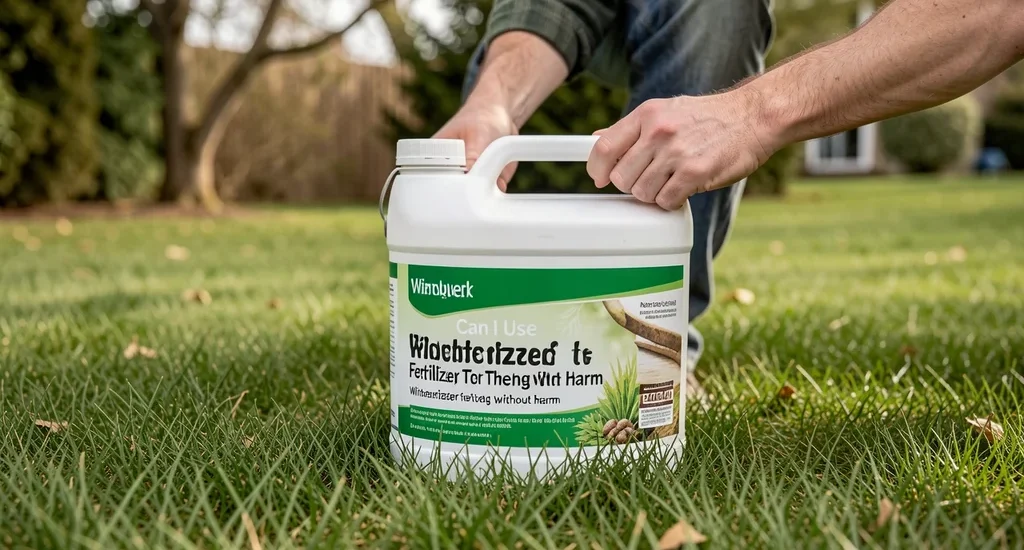
Late fall lawn care often leaves homeowners with leftover winterizer fertilizer and a pressing question when spring arrives. This nutrient blend is specifically formulated to strengthen grass before winter dormancy, not to kickstart growth. Using it at the wrong time can disrupt your lawn’s seasonal cycle and waste money.
You should not use winterizer fertilizer in the spring as it contains high potassium and low nitrogen, which won’t support the rapid growth and greening your lawn needs during this season. Spring fertilizers are higher in nitrogen to promote leafy growth.
Why Winterizer Fertilizer Is Not Ideal for Spring
Winterizer fertilizers are designed for late fall application, typically between late August and November, depending on your climate zone. Their primary purpose is to fortify your lawn’s roots and improve cold tolerance as temperatures drop.
These fertilizers are formulated with a higher potassium (K) content and lower nitrogen (N) levels. Potassium helps strengthen cell walls, improving the grass’s ability to withstand freezing temperatures, drought, and disease. However, this formulation doesn’t align with spring lawn needs.
In spring, your lawn requires a different nutritional balance to support:
- Rapid growth as it exits dormancy
- Leaf development for a lush green appearance
- Root establishment for new seedlings or recovering grass
- Weed competition as unwanted plants start germinating
- Disease prevention in the damp spring conditions
Warning: Using winterizer in spring can lead to excessive top growth with weak roots, making your lawn more susceptible to summer stress and disease.
What Happens If You Use Winterizer in Spring
Applying winterizer fertilizer during spring can have several negative effects on your lawn. The most immediate impact comes from the nutrient imbalance. While potassium is beneficial year-round, the low nitrogen content won’t provide the boost your grass needs for spring growth.
Here are the specific consequences you might observe:
| Effect | Explanation |
|---|---|
| Slow Green-Up | Lack of nitrogen delays the vibrant green color homeowners expect in spring |
| Weak Stem Growth | Insufficient nitrogen leads to thin, sparse grass blades |
| Increased Weed Invasion | Weak grass can’t compete with weeds for space and nutrients |
| Wasted Resources | The potassium boost goes unused while nitrogen deficiency persists |
| Potential Burn Risk | Some winterizers have high salt content that can damage new spring growth |
According to the Lawn Care Academy, proper spring fertilization can increase your lawn’s density by up to 40% compared to using the wrong fertilizer type. This statistic highlights how crucial it is to match your fertilizer to the season.
Spring Fertilizer vs Winterizer Fertilizer
The difference between spring and winterizer fertilizers primarily comes down to their NPK ratios – the percentages of nitrogen (N), phosphorus (P), and potassium (K) they contain. Understanding these ratios is key to making the right choice for your lawn’s seasonal needs.
Spring fertilizers typically have higher nitrogen content to promote leafy growth and green color. The phosphorus component helps with root development, while potassium supports overall plant health. A common spring fertilizer ratio might look like 20-5-10 or 16-4-8.
| Fertilizer Type | Typical NPK Ratio | Primary Purpose | Best Application Time |
|---|---|---|---|
| Spring Fertilizer | 20-5-10 or 16-4-8 | Promote growth and greening | Early spring (March-May) |
| Summer Fertilizer | 16-4-8 or 12-4-8 | Maintain growth and color | Late spring to summer (May-August) |
| Winterizer Fertilizer | 10-0-20 or 12-0-24 | Strengthen roots and cold tolerance | Late summer to fall (August-November) |
The University of Nebraska-Lincoln Extension recommends applying spring fertilizer when soil temperatures consistently reach 55°F (13°C), which typically occurs when air temperatures are consistently in the 60°F (15°C) range. This timing ensures your grass can effectively utilize the nutrients for growth.
What to Do With Leftover Winterizer Fertilizer
Finding yourself with leftover winterizer fertilizer in spring doesn’t mean you need to discard it. There are several practical options to consider that can help you make the most of your investment while still maintaining a healthy lawn.
- Store It Properly for Next Fall
Winterizer fertilizer can typically be stored for 1-2 years if kept in a cool, dry place. Ensure the bag is tightly sealed to prevent moisture absorption, which can cause the fertilizer to clump. Store it off the ground on a shelf or pallet to avoid contact with concrete, which can draw moisture.
- Use It on Specific Areas That Need Potassium
While not ideal for your entire lawn, winterizer can be used in spring for specific areas that might benefit from extra potassium. This includes:
- Newly seeded areas that need root strength
- Lawn sections recovering from disease
- Areas with known potassium deficiencies (visible through yellowing leaf edges)
- Shady parts of your lawn that struggle with stress
- Apply a Light Application with Spring Fertilizer
You can mix a small amount of winterizer with your spring fertilizer to create a balanced approach. Use no more than 25% winterizer in the mix. This can provide some potassium benefits without overwhelming your lawn’s nitrogen needs.
- Use It on Other Plants
Many garden plants can benefit from the high potassium content in winterizer fertilizer. Consider using it on:
- Tomatoes and peppers (which benefit from potassium for fruit development)
- Potatoes and other root crops
- Flowering plants to promote bloom quality
- Trees and shrubs to improve overall health
- Share with Neighbors
If you have a significant amount left and don’t want to store it, consider sharing with neighbors who might need winterizer for their fall lawn care. Many homeowners appreciate the offer, especially if they’re new to lawn maintenance.
Tip: To test if your stored fertilizer is still good, place a small amount in a glass of water. If it dissolves completely, it’s still effective.
If it leaves residue or doesn’t dissolve, it’s best to discard it.
How to Choose the Right Spring Fertilizer
Selecting the appropriate spring fertilizer involves understanding your lawn’s specific needs and your local climate conditions. The right choice can make a significant difference in your lawn’s health and appearance throughout the growing season.
Start by considering your grass type, as different varieties have different nutritional requirements:
- Cool-season grasses (Kentucky bluegrass, fescue, ryegrass): These benefit from early spring feeding to promote growth before summer heat
- Warm-season grasses (Bermuda, Zoysia, St. Augustine, Centipede): These should be fertilized later in spring when they’re fully out of dormancy
Next, analyze your soil’s current condition. A soil test can reveal nutrient deficiencies and pH levels, helping you choose the most appropriate fertilizer formula. Many local cooperative extension services offer affordable soil testing.
Important: According to the National Gardening Association, 65% of homeowners who conduct soil tests before fertilizing report better lawn results and reduced fertilizer costs.
| Grass Type | Recommended Spring NPK | Application Timing | Additional Notes |
|---|---|---|---|
| Cool-Season | 20-5-10 or 16-4-8 | Early spring (March-April) | Can apply second feeding in late spring |
| Warm-Season | 16-4-8 or 12-4-8 | Late spring (May-June) | Wait until grass is fully green and growing |
| New Lawns | 12-12-12 or 10-10-10 | After germination (4-6 weeks) | Balanced formula for root and blade development |
| Established Lawns | 24-0-6 or 20-0-5 | Early to mid-spring | Higher nitrogen for established grass |
When selecting a fertilizer, also consider the form that will work best for your situation. Granular fertilizers are popular for their ease of application and controlled release. Liquid fertilizers provide quick results but require more frequent application.
Organic options improve soil health over time but may act more slowly.
Proper Spring Fertilization Techniques
Applying fertilizer correctly is just as important as choosing the right type. Improper application can lead to wasted product, uneven growth, or even damage to your lawn and the environment. Following best practices ensures your lawn gets the maximum benefit from your spring fertilization efforts.
Begin with preparing your lawn for fertilization. Mow your grass to its recommended height (usually 2.5 to 3.5 inches for most types) a day or two before applying fertilizer. This allows the fertilizer to reach the soil more effectively.
Remove any debris or thatch that might block the fertilizer from reaching the soil.
- Calibrate Your Spreader
Before application, calibrate your spreader according to the manufacturer’s instructions and the fertilizer’s recommended application rate. This typically involves:
- Setting the spreader to the recommended setting for your fertilizer type
- Measuring a test area (usually 100 square feet)
- Applying the fertilizer and checking the coverage
- Adjusting the setting if necessary
- Apply in the Right Conditions
Choose a day with ideal weather conditions for fertilization:
- Temperature: Between 50-80°F (10-27°C)
- Moisture: Lightly water the lawn before application, or apply when dew is present
- Wind: Minimal wind to prevent drift
- Rain: No heavy rain forecasted for at least 24-48 hours
- Use the Correct Application Pattern
For even coverage, use a systematic pattern when applying fertilizer:
- Start by applying fertilizer around the perimeter of your lawn
- Then work in a grid pattern, slightly overlapping each pass
- For broadcast spreaders, walk at a steady pace
- For drop spreaders, make multiple passes in different directions
- Avoid overlapping too much, which can cause uneven growth
- Water After Application
Lightly water your lawn after applying fertilizer to help it reach the soil and begin working. This is especially important for granular fertilizers, which need moisture to start breaking down. Water for about 15-20 minutes, enough to moisten the soil but not so much that it causes runoff.
- Clean Up Properly
After application, take these steps to prevent issues:
- Sweep any fertilizer off hard surfaces (driveways, sidewalks) to prevent runoff into water systems
- Rinse your spreader thoroughly with water
- Store any leftover fertilizer properly
- Keep children and pets off the lawn until after watering
Tip: The Scotts Company recommends applying fertilizer in two perpendicular directions (north-south and east-west) to ensure even coverage and prevent streaking.
Common Spring Fertilization Mistakes to Avoid
Even with the best intentions, many homeowners make mistakes when fertilizing their lawns in spring. These errors can lead to poor results, wasted money, or even damage to your lawn. Being aware of these common pitfalls can help you achieve better outcomes with your spring fertilization.
One of the most frequent mistakes is applying too much fertilizer, which can actually harm your lawn rather than help it. Over-fertilizing can lead to:
- Fertilizer burn: Excess salts in fertilizer can draw moisture out of grass roots, causing brown patches
- Rapid but weak growth: Grass may grow quickly but with shallow roots, making it more susceptible to stress
- Increased thatch: Excessive growth can lead to a thick thatch layer that blocks water and nutrients
- Environmental damage: Runoff from over-fertilized lawns can pollute waterways
| Mistake | Why It’s Problematic | Solution |
|---|---|---|
| Fertilizing Too Early | Grass isn’t actively growing, wastes fertilizer | Wait until soil temps reach 55°F consistently |
| Using the Wrong Spreader Setting | Uneven application, streaks, or burns | Calibrate spreader before each use |
| Fertilizing Before Rain | Nutrients wash away before absorption | Check weather, water lightly after application |
| Ignoring Soil pH | Nutrients may not be available to grass | Test soil pH, amend if needed (6.0-7.0 ideal) |
| Not Watering After Application | Granular fertilizer won’t break down properly | Water lightly immediately after applying |
Another common mistake is not following the recommended application rates. More isn’t always better when it comes to fertilizer. The application rate is carefully calculated based on the nutrient content and your lawn’s needs.
Exceeding this rate can lead to the problems mentioned above.
Organic Alternatives to Chemical Fertilizers
For homeowners looking for more natural lawn care options, there are several organic alternatives to chemical fertilizers that can provide excellent results while being more environmentally friendly. These options work by improving soil health, which in turn supports healthier grass growth.
Organic fertilizers offer several benefits over their chemical counterparts:
- Improved soil structure over time as they add organic matter
- Slower, more consistent nutrient release that’s less likely to burn grass
- Environmentally friendly with no risk of chemical runoff
- Long-term soil health by promoting beneficial microbial activity
- Safer for children and pets once applied and watered in
| Organic Fertilizer | NPK Ratio | Benefits | Application Rate |
|---|---|---|---|
| Compost | Varies (typically 1-1-1) | Improves soil structure, adds organic matter | 1/4 to 1/2 inch layer |
| Corn Gluten Meal | 9-1-0 | Natural weed pre-emergent, high nitrogen | 20 lbs per 1,000 sq ft |
| Alfalsa Meal | 2-1-2 | Rich in trace minerals, slow-release | 10-20 lbs per 1,000 sq ft |
| Bone Meal | 3-15-0 | High in phosphorus for root development | 10 lbs per 1,000 sq ft |
| Kelp Meal | 1-0-2 | Rich in micronutrients, promotes strong growth | 5-10 lbs per 1,000 sq ft |
According to the Organic Materials Review Institute (OMRI), organic fertilizers can take 2-6 weeks to show results, compared to chemical fertilizers which often show effects within days. However, the long-term benefits to soil health and plant vitality make organic options appealing to many environmentally-conscious homeowners.
Frequently Asked Questions
Can I mix winterizer with spring fertilizer?
While it’s not ideal, you can mix a small amount (no more than 25%) of winterizer with spring fertilizer to utilize leftover product. However, this should be a temporary solution rather than a regular practice, as the nutrient balance won’t be optimal for spring growth needs.
How long does winterizer fertilizer last in storage?
When stored properly in a cool, dry place and kept sealed, winterizer fertilizer can typically last 1-2 years. To test if it’s still good, dissolve a small amount in water. If it dissolves completely, it’s still effective.
If it leaves residue or doesn’t dissolve, it’s best to discard it.
Will using winterizer in spring kill my grass?
Using winterizer in spring won’t necessarily kill your grass, but it can lead to several problems including slow green-up, weak growth, increased weed invasion, and potential burn risk from high salt content. Your lawn may struggle to thrive and be more susceptible to stress and disease.
What’s the best time of day to apply spring fertilizer?
The best time to apply spring fertilizer is in the early morning or late afternoon when temperatures are cooler and there’s typically less wind. This timing helps prevent the fertilizer from drying out too quickly or being blown away, allowing it to be most effective.
How often should I fertilize my lawn in spring?
For most lawns, one application of spring fertilizer is sufficient. However, cool-season grasses might benefit from a second, lighter application about 6-8 weeks after the first. Warm-season grasses typically only need one spring feeding, applied when the grass is fully out of dormancy and actively growing.
Final Thoughts
While it might be tempting to use up leftover winterizer fertilizer in the spring, it’s not the best choice for your lawn’s health. Spring fertilizers are specifically formulated to support the rapid growth and greening your lawn needs during this season. Using winterizer can lead to nutrient imbalances and subpar results.
Instead, store your winterizer properly for next fall, or consider using it on other plants that can benefit from its high potassium content. For your lawn, invest in a quality spring fertilizer matched to your grass type and local conditions for the best results.