Last Updated on October 22, 2026 by D. Ruddy
Transforming even the tiniest outdoor area into a lush retreat is easier than you think. Best ways to set up a small garden focus on smart planning, space efficiency, and creative design to maximize greenery in confined spots. Whether you have a balcony, patio, or a small backyard, the right approach can turn it into a thriving oasis.
This guide covers practical steps, from choosing the right plants to optimizing layout, so you can create a beautiful garden without needing acres of land.
The best way to set up a small garden is to plan vertically, choose compact plants, and use containers to maximize space. Prioritize sunlight, soil quality, and easy maintenance for long-term success.
Assess Your Space and Conditions
Before buying plants or tools, evaluate your available space and its conditions. Measure the area to understand how much room you have for garden beds, containers, or vertical structures. Note how much sunlight the space receives daily, as this dictates which plants will thrive.
Most vegetables and flowering plants need at least 6-8 hours of direct sunlight. If your space is shady, opt for shade-tolerant species like ferns, hostas, or leafy greens. Check the soil quality—small gardens often rely on potted mixes, so ensure the soil drains well and is rich in organic matter.
- Measure your space to determine how many plants or containers fit comfortably.
- Track sunlight for a few days to identify the sunniest and shadiest spots.
- Test soil drainage by filling a pot with soil and water; if water pools, improve drainage with perlite or sand.
- Consider wind exposure, especially for balconies or rooftops, to avoid damage to delicate plants.
- Note microclimates—areas near walls or fences may be warmer or cooler than open spaces.
| Sunlight Needs | Ideal Plants |
|---|---|
| Full sun (6+ hours) | Tomatoes, Basil, Petunias, Rosemary |
| Partial sun (3-6 hours) | Lettuce, Mint, Impatiens, Cilantro |
| Shade (less than 3 hours) | Ferns, Hostas, Spinach, Parsley |
Matching plants to your space’s conditions ensures healthier growth and less maintenance. If sunlight is limited, focus on shade-loving varieties to avoid disappointment.
Choose the Right Plants for Small Gardens
Selecting the right plants is critical for a small garden. Compact, dwarf, or bush varieties are ideal because they take up less space while still producing abundant harvests or blooms. Herbs like basil, thyme, and chives are perfect for small pots, while dwarf tomatoes, peppers, and lettuce work well in containers or raised beds.
Ornamental plants can also thrive in small spaces. Dwarf roses, marigolds, and pansies add color without overwhelming your garden. For edible gardens, consider vertical growers like pole beans, cucumbers, or strawberries, which can climb trellises and save ground space.
Tip: Start with easy-to-grow plants like cherry tomatoes, lettuce, or herbs. These require minimal care and deliver quick, satisfying results.
| Plant Type | Space Needed | Container Friendly |
|---|---|---|
| Dwarf Tomatoes | 1-2 sq ft | Yes (5+ gallon pot) |
| Bush Beans | 1 sq ft per plant | Yes (1-gallon pot) |
| Lettuce | 6 inches apart | Yes (shallow containers) |
| Strawberries | 8 inches apart | Yes (hanging baskets) |
| Herbs (Basil, Thyme) | 6-12 inches apart | Yes (small pots) |
Mixing edible and ornamental plants can create a visually appealing and functional garden. Prioritize plants that serve multiple purposes, such as flowers that attract pollinators or herbs that repel pests.
Optimize Layout with Vertical Gardening
Vertical gardening is one of the best ways to set up a small garden because it allows you to grow more in less space. Use trellises, wall-mounted planters, hanging baskets, or tiered shelves to maximize upward space. Climbing plants like cucumbers, beans, and peas naturally grow upward, while trailing plants like strawberries or ivy can spill over edges beautifully.
For balconies or patios, install railing planters or hanging pots to grow herbs, flowers, or small vegetables. Pallet gardens, where you repurpose wooden pallets into vertical planters, are another budget-friendly option. Ensure structures are securely anchored to avoid toppling in windy conditions.
- Trellises and cages for vining plants like cucumbers, squash, or morning glories.
- Wall-mounted pockets for herbs, succulents, or small flowers.
- Hanging baskets for trailing plants like petunias, lobelia, or strawberries.
- Tiered shelves to create layers of plants, each with its own microclimate.
- Arbors or arches to add height and create a cozy, enclosed feel.
Important: Ensure vertical structures are sturdy and can support the weight of mature plants, especially after watering.
Vertical gardens also improve air circulation, reducing the risk of fungal diseases. They can even act as natural privacy screens, adding both beauty and function to your small garden.
Use Containers and Raised Beds
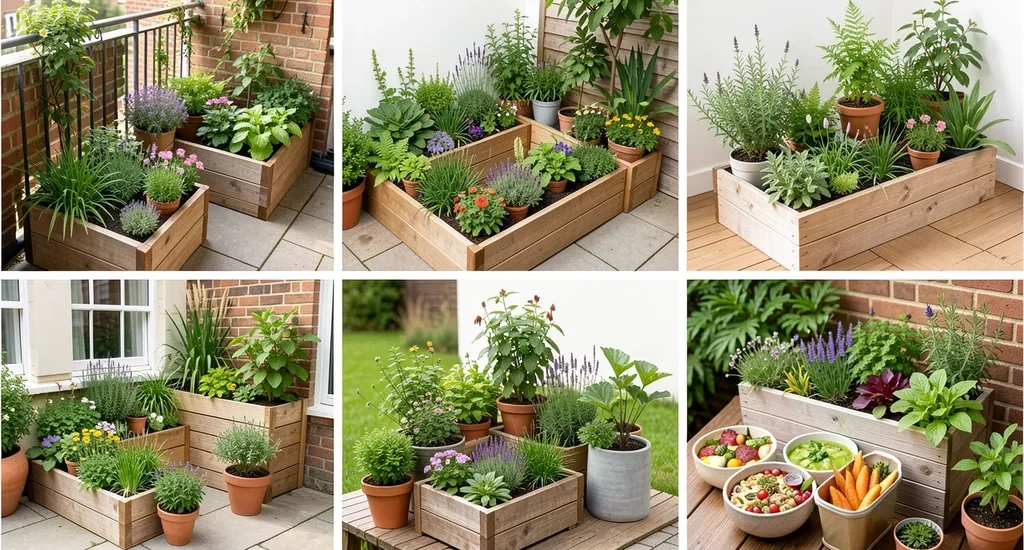
Containers and raised beds are essential for small gardens, offering flexibility and control over soil and drainage. Containers come in various materials, including terracotta, plastic, fabric, and wood, each with its own benefits. Fabric grow bags, for example, promote excellent drainage and air pruning, which encourages healthier root systems.
Raised beds elevate plants, making them easier to tend to and reducing strain on your back. They also warm up faster in spring, extending the growing season. For small spaces, opt for narrow or corner-shaped raised beds to fit into tight areas.
Ensure beds are at least 6-12 inches deep to accommodate root growth.
| Container Type | Best For | Pros | Cons |
|---|---|---|---|
| Terracotta Pots | Herbs, Small Flowers | Breathable, aesthetic | Heavy, breaks easily |
| Plastic Pots | Vegetables, Annuals | Lightweight, durable | Less breathable |
| Fabric Grow Bags | Root Crops, Tomatoes | Excellent drainage, air pruning | Less stable, dries out fast |
| Wooden Raised Beds | Mixed Plantings | Long-lasting, customizable | Expensive, can rot |
Mixing container types can add visual interest to your garden. Group pots of varying heights and textures to create a dynamic display.
Implement a Smart Watering System
Watering efficiently is key in a small garden, where space and resources may be limited. Overwatering can lead to root rot, while underwatering stresses plants. The goal is to keep soil consistently moist but not soggy.
Drip irrigation systems are ideal for small gardens, delivering water directly to the roots and reducing waste.
For container gardens, self-watering pots or DIY wicking systems can maintain moisture levels with less effort. Water in the early morning to minimize evaporation and prevent fungal growth. Group plants with similar water needs together to simplify maintenance.
- Check soil moisture daily by inserting your finger 1-2 inches into the soil. Water if it feels dry.
- Use mulch (straw, wood chips, or compost) to retain moisture and suppress weeds.
- Collect rainwater in barrels to reduce reliance on tap water.
- Install a drip irrigation system for precise, efficient watering.
- Group thirsty plants together and drought-tolerant ones separately.
Warning: Avoid watering leaves in the evening, as damp foliage overnight can invite fungal diseases.
According to the EPA, a drip irrigation system can reduce water usage by up to 50% compared to traditional watering methods, making it both eco-friendly and cost-effective.
Soil Preparation and Fertilization
Healthy soil is the foundation of a thriving garden. In small gardens, where plants are often in containers or raised beds, soil quality is even more critical. Start with a high-quality potting mix designed for containers, as garden soil can compact and suffocate roots in pots.
Amend soil with compost or organic matter to improve fertility and structure. For edible plants, use organic fertilizers like compost tea, fish emulsion, or worm castings. Avoid synthetic fertilizers, which can burn roots in confined spaces.
Test soil pH every few months, especially if plants show signs of nutrient deficiencies.
- Use potting mix for containers, not garden soil.
- Add compost (1 part compost to 3 parts potting mix) for nutrients.
- Incorporate perlite or vermiculite to improve drainage.
- Fertilize lightly every 2-4 weeks during the growing season.
- Rotate crops in raised beds to prevent soil depletion.
- Use slow-release fertilizers for consistent feeding.
| Soil Type | Best For | pH Range |
|---|---|---|
| Potting Mix | Containers, Raised Beds | 6.0-7.0 |
| Compost-Enriched Soil | Vegetable Beds | 6.5-7.5 |
| Acidic Mix | Blueberries, Azaleas | 4.5-5.5 |
Soil health directly impacts plant growth. Regularly refresh soil in containers by replacing a portion of the mix each season to prevent depletion.
Common Mistakes to Avoid
Even with the best intentions, small gardeners often make avoidable mistakes. Overcrowding is a frequent issue—resist the urge to squeeze in too many plants, as this leads to competition for nutrients and stunted growth. Another common error is ignoring sunlight needs; a plant that requires full sun will struggle in a shady corner.
Poor drainage is another culprit of garden failures. Always ensure containers have drainage holes, and avoid letting pots sit in saucers of water. Neglecting to rotate crops in raised beds can deplete soil nutrients over time, leading to weaker plants in subsequent seasons.
- Overcrowding plants – Follow spacing guidelines to prevent competition.
- Ignoring sunlight – Match plants to the light conditions of your space.
- Skipping drainage – Use pots with holes and well-draining soil.
- Overwatering – Let the top inch of soil dry out between waterings.
- Using poor-quality soil – Invest in a good potting mix for containers.
- Neglecting pests – Monitor plants regularly for aphids, slugs, or disease.
Tip: Keep a garden journal to track what works and what doesn’t. Note planting dates, watering schedules, and any issues that arise.
Learning from mistakes is part of the gardening process. Start small, observe how plants respond, and adjust your approach as needed.
Creative Small Garden Design Ideas
Design plays a big role in making a small garden feel inviting and functional. Use color, texture, and height to create visual interest. Group plants with similar care needs together, and place taller plants at the back of beds or in the center of containers for a balanced look.
Incorporate garden art, like decorative stones, wind chimes, or a small fountain, to add personality. Pathways made from stepping stones or gravel can define spaces and make the garden feel larger. For edible gardens, interplant flowers with vegetables to attract pollinators and deter pests.
- Theme gardens – Create a herb garden, pollinator garden, or sensory garden with fragrant plants.
- Color coordination – Use a monochromatic scheme (e.g., all white flowers) for elegance.
- Textural contrast – Mix fine-textured plants (like ferns) with bold ones (like hostas).
- Seasonal interest – Include plants that bloom or change color in different seasons.
- Lighting – Add solar-powered lights to enjoy your garden after dark.
- Seating – Include a small bench or chair to relax and enjoy the space.
A well-designed small garden can feel like a cozy retreat. Focus on creating a space that reflects your style and meets your needs, whether that’s growing food, attracting wildlife, or simply enjoying the beauty of nature.
Frequently Asked Questions
Can I start a small garden on a balcony?
Absolutely. Balconies are perfect for container gardens. Use railing planters, hanging baskets, and compact pots to grow herbs, flowers, or small vegetables.
Ensure the balcony gets adequate sunlight and that containers have proper drainage. Secure pots to prevent them from blowing over in windy conditions.
What are the easiest plants for beginners in small gardens?
Beginners should start with low-maintenance plants like lettuce, radishes, cherry tomatoes, basil, and marigolds. These plants are forgiving, grow quickly, and don’t require much space. Herbs like mint and chives are also great choices, as they tolerate a range of conditions.
How do I prevent pests in a small garden?
Encourage beneficial insects like ladybugs and lacewings, which prey on pests. Use companion planting—pairing plants that repel pests, such as marigolds with tomatoes. Regularly inspect plants for signs of trouble, and remove affected leaves or pests by hand when possible.
Avoid chemical pesticides, which can harm beneficial insects.
Do I need special tools for a small garden?
Basic tools like a hand trowel, pruners, a watering can, and gloves are sufficient for most small gardens. A small rake or cultivator can help with soil preparation in raised beds. For container gardens, a moisture meter can be useful to monitor watering needs accurately.
How often should I fertilize my small garden?
Fertilize container plants every 2-4 weeks during the growing season with a balanced, water-soluble fertilizer. For raised beds, work in compost or slow-release fertilizer at planting time, then supplement monthly. Always follow package instructions to avoid over-fertilizing, which can damage plants.
Final Thoughts
Setting up a small garden is a rewarding way to bring greenery and life into limited spaces. By assessing your conditions, choosing the right plants, and using vertical and container gardening, you can create a lush, productive oasis. Remember to prioritize soil health, efficient watering, and smart design to make the most of every inch.
With a little planning and creativity, even the smallest balcony or patio can become a thriving garden.