A dead chainsaw ruins your cutting day fast. This guide explains the top reasons and exact fixes for why is my craftsman chainsaw not starting.
In short, a Craftsman chainsaw fails to start mainly due to stale fuel, a fouled spark plug, a clogged carburetor, or low compression. Check the fuel system first, then ignition, then mechanical parts. Most fixes take under 30 minutes with basic tools.
Key Takeaways
- A Craftsman chainsaw that won’t start usually has a fuel delivery problem caused by old gas or a blocked carburetor.
- Replacing a dirty spark plug solves many no-spark issues and costs under five dollars at this time.
- You must clean or rebuild the carburetor if the engine floods but never fires.
- Low compression from a worn piston ring stops the engine from catching even with good fuel and spark.
- Always use fresh ethanol-free fuel mixed at 50:1 with quality two-stroke oil to prevent future starting failures.
What Is a Craftsman Chainsaw Starting System?
The starting system combines fuel, air, spark, and compression. Craftsman models use a two-stroke engine built by MTD or Briggs & Stratton. Each part must work for the engine to fire.
Key components include the recoil starter, primer bulb, carburetor, ignition coil, and flywheel. The carburetor mixes fuel and air. The spark plug ignites the charge.
- Recoil starter pulls the flywheel to spin the engine crank.
- Primer bulb pushes fuel into the carburetor for cold starts.
- Ignition coil creates high voltage for the spark plug.
- Air filter keeps dirt from entering the intake tract.
- Fuel filter stops debris from clogging the jet inside the carburetor.
- Stop switch must close the ground circuit for the coil to fire.
Craftsman saws like the 42cc and 16-inch bar models share these parts. The Craftsman brand now operates under major outdoor power equipment firms. Knowing the system helps you answer why is my craftsman chainsaw not starting with logic.
How Does a Chainsaw Engine Start?
A two-stroke engine completes a power cycle in one crankshaft revolution. The process needs precise timing. Here is the basic sequence:
🍂 The Silent Lawn Killer: Damp Leaves Will Suffocate Your Grass
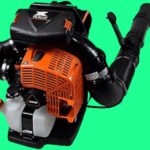
Trapped wet leaves create a breeding ground for destructive snow mold. Clear the yard fast with a high-power cordless blower before the ground freezes.
- The recoil starter spins the flywheel and piston inside the cylinder.
- The carburetor draws fuel through the filter and mixes it with air.
- The ignition coil fires the spark plug near top dead center.
- Combustion pushes the piston down and rotates the crank.
- The cycle repeats, and the clutch engages the chain sprocket.
If any step fails, the saw stays silent. The Consumer Product Safety Commission notes that roughly 30,000 chainsaw injuries occur each year in the United States, many during forced starting attempts.
The two-stroke design burns oil with gas. This means the fuel mix must be exact. A lean mix burns hot and seizes the piston. A rich mix floods the plug and blocks fire.
What Are the Main Types of Starting Failures?
Technicians group no-start issues into four categories. Knowing the class speeds diagnosis. Use the list below to match your symptom.
- No crank: The pull cord feels stuck or the engine will not turn.
- No spark: The engine cranks but shows no electrical ignition.
- No fuel: The carburetor stays dry or floods with stale gas.
- No compression: The piston cannot build pressure to fire.
Each class points to different parts. A no-crank fault often means a bound chain or seized bearing. A no-spark fault sits in the ignition circuit. The fuel and compression classes need deeper service.
Common Causes and Quick Fixes
| Cause | Symptom | Fix |
|---|---|---|
| Stale fuel | Engine cranks but never fires | Drain tank, use fresh 50:1 mix |
| Fouled spark plug | Weak or no spark at gap | Clean or replace plug |
| Clogged carburetor | Fuel leaks, engine floods | Clean jets with carb spray |
| Bad primer bulb | Bulb stays collapsed | Replace bulb and lines |
| Low compression | Pull cord easy, no pop | Test with gauge, rebuild top end |
How to Troubleshoot a Craftsman Chainsaw That Won’t Start
This plan solves why is my craftsman chainsaw not starting in most homes. Work from simple to complex. You avoid wasted parts this way.
- Check the fuel: Smell the gas. If it smells sour or looks dark, dump it.
- Remove the spark plug: Look for wetness or carbon. Dry and inspect the electrode.
- Test for spark: Ground the plug to the block and pull the cord. A blue spark means ignition works.
- Inspect the air filter: A packed filter starves the engine. Clean or fit a new one.
- Spray carb cleaner: Squirt into the intake. If the engine briefly runs, the carb needs service.
- Check compression: Use a gauge. Readings below 90 PSI signal worn rings.
🍂 The Silent Lawn Killer: Damp Leaves Will Suffocate Your Grass
Trapped wet leaves create a breeding ground for destructive snow mold. Clear the yard fast with a high-power cordless blower before the ground freezes.
Important: Always disconnect the spark plug boot before touching the flywheel or pull cord. This prevents accidental starts that cause hand injuries.
Why Does the Fuel System Cause Most Failures?
To answer why is my craftsman chainsaw not starting, look at fuel first. Small engines hate old gas. The Environmental Protection Agency reports that ethanol-blended fuel can degrade within 30 days and cause starting issues. Phase separation leaves water in the tank.
According to the University of Nebraska-Lincoln Extension, stale fuel accounts for more than 70% of small engine starting complaints these days. Craftsman saws with a diaphragm carburetor suffer most.
- Ethanol cleans gum from the tank and drops it into the jet.
- Water in the bowl rusts the needle and seat.
- Two-stroke oil separates and forms varnish on the piston.
- A cracked fuel line lets air leak and blocks prime.
- The vent in the cap clogs and creates a vacuum that stops flow.
Warning: Never use fuel older than 30 days in a Craftsman chainsaw. Stale gas destroys the carburetor and voids the warranty at this time.
What Is the Role of the Spark Plug and Ignition?
The spark plug delivers the arc that lights the mix. A worn plug loses its gap and misfires. The ignition coil and flywheel magnet generate the pulse.
🍂 The Silent Lawn Killer: Damp Leaves Will Suffocate Your Grass
Trapped wet leaves create a breeding ground for destructive snow mold. Clear the yard fast with a high-power cordless blower before the ground freezes.
Common faults include carbon fouling, oil flooding, and a cracked ceramic. Spark plug heat range matters for Craftsman models. Use the OEM part number.
- Check the gap with a feeler blade. Set it to 0.020 inch typically.
- Replace the plug every 100 hours of cut time.
- Test the coil with a multimeter if spark stays weak.
- Inspect the flywheel key. A sheared key kills timing.
- Confirm the stop switch returns to run position before testing.
A weak spark may fire in open air but fail under compression. Use a known good plug to confirm. The Husqvarna brand shares similar coil designs, so cross-reference helps.
How to Clean a Craftsman Carburetor Step by Step
A dirty carb is the top hidden cause. You can service it on a bench with basic tools. Follow this order:
- Remove the air filter cover and slide the carb out after loosening the bolts.
- Separate the metering cover and note the diaphragm orientation.
- Spray every passage with carb cleaner and use a wire from a bread tie for jets.
- Soak the body in cleaner for 15 minutes, then blow dry with compressed air.
- Fit a rebuild kit with new gaskets and a fresh primer bulb if cracked.
- Reinstall and prime three times before starting.
Tip: Keep the chain sharp and bar oil full. A bound chain makes the engine load and seem like a no-start condition.
How to Fix Compression and Mechanical Faults
Low compression stops the pop. The piston, ring, and cylinder must seal. A leak-down test shows the source.
- Remove the muffler and look at the piston crown. Score marks mean cylinder damage.
- Pour a teaspoon of oil into the plug hole. If compression rises, the ring is worn.
- Replace the ring or send the saw to a shop for a rebuild.
- Check the crank seals. Oil leaks at the case signal air intake.
The Outdoor Power Equipment Institute recommends annual compression checks for fleet saws. Home users should test after 200 hours. A healthy Craftsman engine reads 100 to 120 PSI.
🍂 The Silent Lawn Killer: Damp Leaves Will Suffocate Your Grass
Trapped wet leaves create a breeding ground for destructive snow mold. Clear the yard fast with a high-power cordless blower before the ground freezes.
What Are the Signs of a Failed Ignition Coil?
The coil sits under the flywheel. It steps battery-free magneto output to 10,000 volts. Failure shows as intermittent spark.
- Spark vanishes when the engine warms but returns cold.
- Primary resistance reads outside 0.5 to 2 ohms on a meter.
- Secondary resistance falls below 5,000 ohms on most models.
- Physical cracks on the coil body let moisture short the winding.
Swap the coil with a known good unit to confirm. Set the air gap to 0.010 inch with a business card.
How to Store Your Chainsaw for Winter
Proper storage prevents spring no-starts. Craftsman owners often skip this step. Use the list below.
- Run the carb dry by idling until the engine stops.
- Remove the bar and clean the groove with a screwdriver.
- Store the saw in a cool, dry place away from direct sun.
- Loosen the chain so it does not stretch the bar.
- Fit a fuel stabilizer if you must leave gas in the tank.
Important: Pull the starter cord slowly until you feel resistance, then stop. This parks the piston at compression and protects the seal from sticking.
Common Myths vs Facts
Myth 1: Pulling harder always starts a dead saw.
Fact: Excess force snaps the recoil spring. If fuel and spark are good, the fault is mechanical, not arm strength.
Myth 2: Any gasoline works if you add stabilizer.
Fact: Stabilizer slows decay but cannot fix phase-separated ethanol fuel. Fresh ethanol-free gas beats treated old gas.
🍂 The Silent Lawn Killer: Damp Leaves Will Suffocate Your Grass
Trapped wet leaves create a breeding ground for destructive snow mold. Clear the yard fast with a high-power cordless blower before the ground freezes.
Myth 3: A chainsaw needs no filter cleaning.
Fact: A dirty foam filter chokes the engine. Clean it every 10 tanks to keep the mix ratio correct.
Resources and Tools
Use these items to speed your repair. Each link opens the maker site.
- Carb Rebuild Kit – Contains gaskets and diaphragms for MTD engines. Visit Site
- Spark Tester – Shows live spark without removing the plug. Visit Site
- Compression Gauge – Reads PSI through the plug hole in seconds. Visit Site
- Craftsman Manual – OEM guide with torque specs and ratios. Visit Site
Frequently Asked Questions
Why is my craftsman chainsaw not starting even with new gas?
If fresh fuel did not help, the carburetor jet is likely clogged with varnish. Remove the carb and soak it in cleaner. The University of Nebraska-Lincoln Extension notes stale fuel causes most no-start cases, but a blocked jet persists after refuel.
How do I know if the spark plug is bad?
Remove the plug and check the tip. A dry black coating or broken electrode means failure. Test spark by grounding it to the block while pulling the cord. No blue arc means replace it.
What fuel mix does a Craftsman chainsaw require?
Most current Craftsman two-stroke saws need 50:1 ratio. That is 2.6 ounces of oil per gallon of gas. Always use ethanol-free fuel to avoid carb damage.
Can a dirty air filter stop the engine from starting?
Yes. A packed filter limits air and floods the plug. Clean the foam or paper element with soap and water, then dry fully before reinstalling.
🍂 The Silent Lawn Killer: Damp Leaves Will Suffocate Your Grass
Trapped wet leaves create a breeding ground for destructive snow mold. Clear the yard fast with a high-power cordless blower before the ground freezes.
Should I take the saw to a shop or fix it myself?
Fix it yourself if the issue is fuel or spark. Those repairs need hand tools and cost under 20 dollars. Seek a shop for low compression or crank seal leaks.
Final Thoughts
Most why is my craftsman chainsaw not starting cases trace to bad fuel or a dirty plug. Clean the carb, fit a fresh plug, and use 50:1 ethanol-free mix. These steps get your saw running fast.