Watering at the wrong time wastes water and can actually harm your lawn. Water too late in the day and fungus moves in. Water too early and frost can damage grass in spring and fall. Here is exactly when to water your lawn based on the season, your grass type, and your climate.
The Golden Rule: Water Early in the Morning
The best time to water your lawn is between 4 AM and 8 AM. Every lawn expert agrees on this. Here is why.
Low wind: Early morning is usually the least windy time of day. Wind blows water away from where you are aiming it. Low evaporation: The sun is low and temperatures are cool. Less water evaporates before it soaks into the soil. Grass dries during the day: Water early. The grass blades dry as the sun comes up. Dry grass is less likely to develop fungal diseases. Good water pressure: Municipal water pressure is higher early in the morning before everyone starts showering and running appliances.
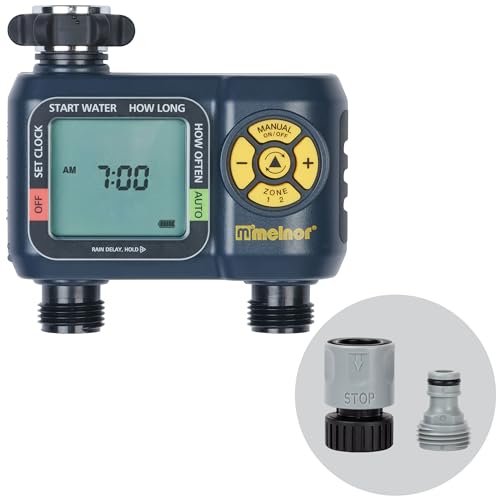
If your sprinkler timer has a start time setting, set it to 5 AM. Your lawn gets watered while you sleep. By the time you wake up, the grass is already drying.
Why You Should Never Water in the Evening
Watering in the evening is the most common mistake I see. People come home from work. They see the lawn looking dry. They turn on the sprinklers at 6 PM. It feels like the right thing to do. It is not.
When you water in the evening, the grass stays wet all night. Cool temperatures and darkness create perfect conditions for fungus. Brown patch. Dollar spot. Pythium blight. These diseases thrive on wet grass at night. Once fungus takes hold, it is hard to get rid of without chemicals.
If evening is truly the only time you can water, water as early in the evening as possible. 4 PM is better than 8 PM. And water less often but more deeply. This gives the grass surface time to dry before nightfall.
Why You Should Not Water Mid-Day
Mid-day watering is not harmful to the grass. The old myth that water droplets act like magnifying glasses and burn the grass is false. The problem with mid-day watering is efficiency. In direct sun at noon, up to 30 percent of the water evaporates before it hits the ground. You are paying for water that never reaches the soil.
If you have no choice but to water during the day, use sprinklers that produce larger water droplets. Impact sprinklers and rotors lose less to evaporation than fine-mist spray heads.
Seasonal Watering Guide
Spring (March to May)
As grass comes out of dormancy, it needs consistent moisture. Water 1 to 2 times per week. About half an inch each time. Increase to 2 to 3 times per week as temperatures rise in late spring. Spring rains often reduce the need for supplemental watering. Skip watering for several days after a good soaking rain.
Summer (June to August)
This is peak watering season. Water 2 to 3 times per week. About half to three-quarters of an inch each time. During heat waves above 90 degrees, you may need to water 3 to 4 times per week. Water early. 5 AM is ideal. Water deeply enough to reach the roots. Shallow frequent watering creates shallow roots.
If your lawn goes dormant and turns brown during summer, that is normal for cool-season grasses. Do not try to water it green. Let it rest. It will green up when cooler weather returns.
Fall (September to November)
Reduce watering as temperatures drop. Water 1 to 2 times per week in early fall. Once per week in late fall. Your lawn needs less water in cool weather. Overwatering in fall promotes fungus. For cool-season grasses, fall is the key growing season. Keep the soil moist but not wet. This is when the grass builds the root system that will survive next summer.
Winter (December to February)
Most lawns need zero watering in winter. Cool-season grasses are dormant. Warm-season grasses are dormant or barely growing. Natural rainfall provides more than enough moisture in most climates. Only water if you have an unusually dry winter with no rain or snow for 3 to 4 weeks. Water once if the soil is completely dry and temperatures are above freezing.
Special Situations
Newly Seeded Lawns
New grass seed needs constant moisture. Water lightly 2 to 3 times per day. Just enough to keep the top inch of soil damp. Do not soak it. Do not let it dry out. After the seeds germinate and grass appears, gradually reduce frequency and increase duration. By week 4, switch to the normal lawn schedule.
New Sod
New sod needs deep watering daily for the first 2 weeks. Water until the soil beneath the sod is soaked. The roots need to grow down into your soil. After 2 weeks, reduce to every other day. After 4 weeks, switch to the normal lawn schedule.
Lawns on Slopes
Water runs downhill. On a slope, run shorter cycles with breaks in between. For example, run 10 minutes. Wait 30 minutes for the water to soak in. Run another 10 minutes. This cycle-and-soak method prevents runoff and gets water deeper into the soil.
Drought Conditions
During water restrictions, water deeply but less often. Once every 5 to 7 days with a deep soaking is better than light watering every other day. Deep watering encourages roots to grow down looking for moisture. This makes the lawn more drought-tolerant over time.
Shop Sprinkler Timers on Amazon
Disclosure: As an Amazon Associate I earn from qualifying purchases. Prices and availability were checked on June 17, 2026 and may change.
Affiliate Disclosure: As an Amazon Associate, grassblogger.com earns from qualifying purchases. When you buy through our links, we may earn a commission at no extra cost to you.