Last Updated on October 23, 2026 by D. Ruddy
Washington state’s unique climate means timing your fall lawn fertilization is key to a lush, healthy yard. Knowing when to fall fertilize your lawn in washington state ensures your grass absorbs nutrients before winter dormancy, promoting strong root growth and resilience against cold weather. This guide covers the best practices, ideal timing, and expert tips tailored to Washington’s diverse regions.
The best time to fertilize your lawn in Washington is late August to mid-September for western regions and early to mid-September for eastern areas. This gives grass 6-8 weeks to absorb nutrients before the first frost.
Why Fall Fertilization Matters in Washington State
Fall fertilization strengthens your lawn’s roots, helping it survive winter and bounce back faster in spring. In Washington, cool-season grasses like Kentucky bluegrass, fescue, and ryegrass thrive with a fall feeding. The cooler temperatures and increased rainfall during fall create ideal conditions for nutrient uptake.
- Root Development: Fertilizer applied in fall encourages deep root growth, which improves drought resistance.
- Weed Prevention: A well-fed lawn outcompetes weeds, reducing the need for herbicides next spring.
- Disease Resistance: Stronger grass is less susceptible to common lawn diseases like snow mold.
- Early Spring Green-Up: Lawns fertilized in fall often green up earlier and more uniformly in spring.
- Nutrient Storage: Grass stores excess nutrients in its roots, using them for growth when temperatures rise.
According to Washington State University Extension, lawns fertilized in early fall show up to 30% better root density compared to those fertilized in spring. This is critical for surviving Washington’s wet winters and variable spring weather.
Best Fertilizer Types for Washington Lawns
Choosing the right fertilizer ensures your lawn gets the nutrients it needs. In Washington, a balanced or high-nitrogen fertilizer is typically recommended for fall applications. Look for products with a nitrogen-phosphorus-potassium (NPK) ratio like 24-0-6 or 16-4-8, which provide the right mix for root and blade growth.
| Fertilizer Type | NPK Ratio | Best For | Application Time |
|---|---|---|---|
| Slow-Release Granular | 24-0-6 | General lawn health | Late August to September |
| Organic Compost | 5-3-4 | Soil improvement | Early September |
| Liquid Fertilizer | 16-4-8 | Quick absorption | Late August |
| Winterizer | 10-0-20 | Cold resistance | Mid to Late September |
Slow-release granular fertilizers are popular in Washington because they provide a steady supply of nutrients over time. Organic options, like compost, improve soil structure and microbial activity, which is especially beneficial in the state’s often compacted soils.
Tip: Always perform a soil test before fertilizing. Washington State University offers affordable soil testing services to determine your lawn’s specific needs.
Regional Differences in Washington State
Washington’s diverse climate zones require different fertilization approaches. The western side of the state, including Seattle, Tacoma, and Olympia, has a maritime climate with mild, wet winters and cool summers. Eastern Washington, including Spokane and the Columbia Basin, experiences a continental climate with colder winters and hotter summers.
Western Washington
In western Washington, the ideal fertilization window is late August to mid-September. The region’s frequent rainfall helps dissolve granular fertilizers, making nutrients readily available to grass roots. However, avoid fertilizing too late in the season, as excessive rainfall can wash away nutrients before the lawn can absorb them.
- Seattle Area: Aim for early September to avoid late fall rains.
- Olympic Peninsula: Late August works well due to slightly drier conditions.
- Puget Sound: Mid-September is optimal for most lawns.
Eastern Washington
Eastern Washington’s drier climate and colder winters require a slightly earlier fertilization schedule. Apply fertilizer in early to mid-September to give grass ample time to absorb nutrients before the first frost. In areas like Spokane, where winters can be harsh, a winterizer fertilizer with higher potassium content (e.g., 10-0-20) can help strengthen grass against freezing temperatures.
- Spokane: Early September for standard fertilizers, mid-September for winterizers.
- Tri-Cities: Mid-September, as the region’s semi-arid climate delays fall dormancy.
- Yakima Valley: Late August to early September due to early frost dates.
Warning: Avoid fertilizing after October 15th in most Washington regions. Late applications can lead to nutrient runoff and wasted fertilizer.
Step-by-Step Guide to Fall Fertilization
Follow these steps to ensure effective fertilization for your Washington lawn. Proper timing, application, and post-care are essential for maximizing benefits.
-
Test Your Soil
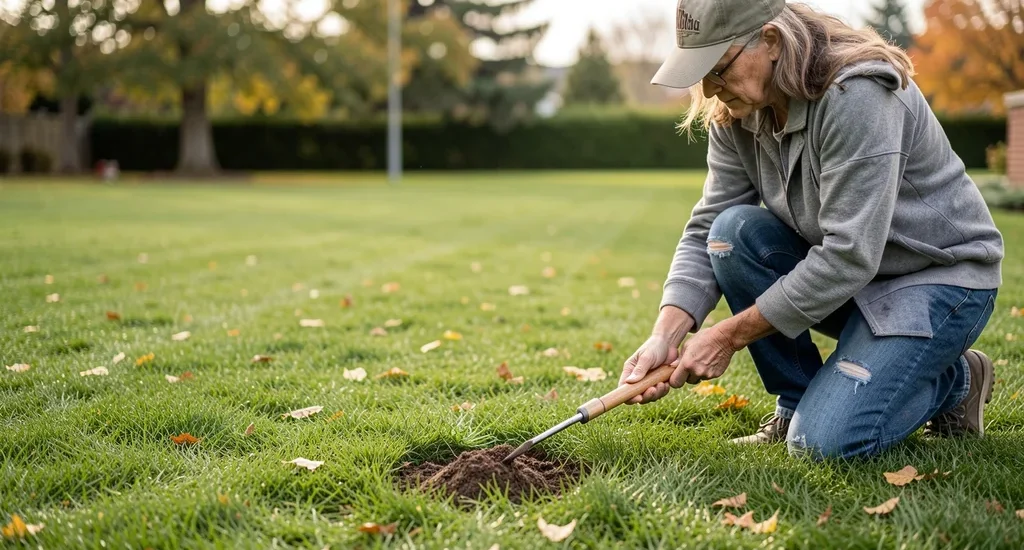
Before applying fertilizer, conduct a soil test to determine pH and nutrient levels. Washington’s soils often tend to be acidic, especially in areas with high rainfall. A pH between 6.0 and 7.0 is ideal for most lawn grasses.
Soil test kits are available at local garden centers or through WSU Extension.
- Collect soil samples from 4-6 inches deep in multiple lawn areas.
- Mix samples in a clean container and send a portion to a lab.
- Follow recommendations for lime or sulfur applications if pH is off.
-
Choose the Right Fertilizer
Select a fertilizer based on your soil test results and lawn type. For most Washington lawns, a slow-release nitrogen fertilizer is ideal. If your soil lacks phosphorus or potassium, choose a balanced fertilizer like 16-4-8.
For organic lawns, compost or manure-based fertilizers work well.
Lawn Type Recommended Fertilizer Application Rate Kentucky Bluegrass 24-0-6 Slow-Release 1 lb N per 1,000 sq ft Fescue 16-4-8 Balanced 0.75 lb N per 1,000 sq ft Ryegrass 20-0-5 High-Nitrogen 1 lb N per 1,000 sq ft -
Prepare Your Lawn
Mow your lawn slightly shorter than usual (about 2-2.5 inches) to allow fertilizer to reach the soil. Remove any debris, such as leaves or twigs, that could block fertilizer from contacting the soil. Aerating your lawn before fertilizing can improve nutrient absorption, especially in compacted soils common in Washington.
- Dethatch: If your lawn has a thatch layer thicker than 0.5 inches, dethatch before fertilizing.
- Aerate: Use a core aerator to pull small plugs of soil, improving air and water movement.
- Rake: Lightly rake the lawn to loosen the topsoil and remove debris.
-
Apply the Fertilizer
Use a broadcast or drop spreader for even application. Calibrate your spreader according to the fertilizer manufacturer’s instructions to avoid over- or under-application. Apply fertilizer in two perpendicular passes to ensure uniform coverage.
- Fill the spreader on a hard surface (e.g., driveway) to avoid spills on the lawn.
- Start at one corner of the lawn and walk in straight lines, slightly overlapping each pass.
- Apply half the fertilizer in one direction, then the other half perpendicular to the first pass.
- Sweep any fertilizer off hard surfaces like driveways or sidewalks to prevent runoff.
-
Water Your Lawn
Water your lawn lightly after applying fertilizer to help it dissolve and reach the soil. In western Washington, natural rainfall may provide enough moisture, but in drier eastern regions, you may need to water manually. Avoid heavy watering, which can wash away fertilizer before it’s absorbed.
Important: Water your lawn with about 0.25 inches of water immediately after fertilizing. If rainfall is expected within 24 hours, you can skip watering.
Common Mistakes to Avoid
Even experienced homeowners can make errors when fertilizing their lawns. Avoiding these common pitfalls will help you get the most out of your fall fertilization efforts in Washington.
- Fertilizing Too Early or Too Late: Applying fertilizer too early in summer can stress your lawn during hot weather, while fertilizing too late in fall can lead to wasted nutrients. Stick to the late August to mid-September window for most regions.
- Over-Fertilizing: More isn’t always better. Over-fertilizing can burn your lawn, lead to nutrient runoff, and harm local waterways. Follow the recommended application rates on the fertilizer package.
- Skipping Soil Testing: Without a soil test, you might apply unnecessary nutrients or miss critical deficiencies. Testing is especially important in Washington, where soil pH can vary significantly.
- Ignoring Weather Conditions: Fertilizing before heavy rain can wash away nutrients before your lawn can absorb them. Check the weather forecast and avoid applying fertilizer if heavy rain is expected within 24 hours.
- Using the Wrong Fertilizer: Not all fertilizers are created equal. Using a high-phosphorus fertilizer when your soil already has sufficient phosphorus can lead to runoff and environmental issues.
- Not Watering Properly: Fertilizer needs moisture to dissolve and reach the roots. Failing to water after application can result in uneven nutrient distribution and reduced effectiveness.
| Mistake | Impact | Solution |
|---|---|---|
| Fertilizing in summer | Heat stress, burned grass | Wait until late August |
| Over-applying fertilizer | Lawn burn, runoff | Follow package instructions |
| Skipping soil test | Wasted money, poor results | Test soil every 2-3 years |
Pro Tips for Washington Lawn Care
To get the most out of your fall fertilization, consider these expert tips tailored to Washington’s unique climate and lawn care challenges.
-
Time Your Fertilization with Rainfall
In western Washington, take advantage of the region’s frequent fall rains by timing your fertilization just before a light rain shower. This can reduce the need for manual watering while ensuring nutrients are washed into the soil. However, avoid fertilizing before heavy downpours, which can lead to runoff.
-
Combine Fertilization with Overseeding
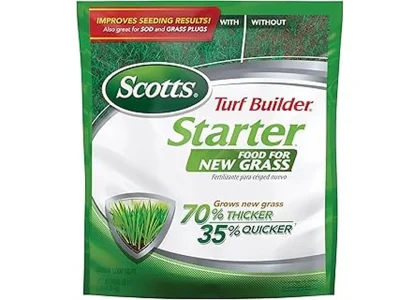
Fall is the perfect time to overseed your lawn, especially if you have bare spots or thin grass. Applying a starter fertilizer (high in phosphorus) when overseeding can help new grass establish quickly. In Washington, early September is ideal for overseeding cool-season grasses.
- Choose a high-quality grass seed mix suited to your region (e.g., shade-tolerant fescue for western Washington).
- Apply seed and starter fertilizer in separate passes to ensure even distribution.
- Keep the soil consistently moist (not soggy) until new grass is 2-3 inches tall.
-
Adjust for Microclimates
Washington’s diverse geography creates microclimates that can affect your lawn’s needs. For example, lawns in urban areas like Seattle may be warmer due to the heat island effect, while rural lawns in the Cascades may be cooler and wetter. Observe your lawn’s specific conditions and adjust your fertilization timing accordingly.
Tip: If your lawn is in a low-lying area prone to frost pockets, fertilize a week earlier than recommended to avoid late-season damage.
-
Use Organic Fertilizers for Long-Term Health
Organic fertilizers, such as compost, manure, or plant-based products, improve soil structure and microbial activity over time. While they may act more slowly than synthetic fertilizers, they provide long-term benefits for your lawn and the environment. In Washington, organic fertilizers are especially useful for homeowners looking to reduce their environmental impact.
- Compost: Spread a thin layer (0.25 inches) over your lawn to improve soil fertility.
- Manure: Use well-aged manure (e.g., cow or horse manure) to avoid burning your lawn.
- Plant-Based Fertilizers: Products like alfalfa meal or corn gluten meal provide slow-release nutrients.
-
Monitor Lawn Health
After fertilizing, keep an eye on your lawn’s response. Healthy grass should begin to darken in color within 1-2 weeks. If you notice patches of discoloration or slow growth, it may indicate underlying issues like compacted soil, pests, or disease.
- Check for signs of nutrient deficiency (e.g., yellowing for nitrogen deficiency, purpling for phosphorus deficiency).
- Inspect for pests like grubs or chinch bugs, which are common in Washington lawns.
- Test soil moisture levels; dry spots may indicate poor water penetration.
Fertilizer Application Tools and Equipment
Using the right tools ensures even fertilizer distribution and saves you time and effort. Here are the best options for Washington homeowners.
Broadcast Spreaders
Broadcast spreaders, also known as rotary spreaders, are ideal for large lawns. They distribute fertilizer in a wide pattern, covering more area quickly. These spreaders are best for granular fertilizers and work well on open, flat lawns.
- Pros: Fast application, wide coverage, good for large lawns.
- Cons: Less precise, can lead to uneven distribution if not calibrated properly.
- Best For: Lawns over 5,000 square feet, open areas without many obstacles.
Drop Spreaders
Drop spreaders release fertilizer directly below the spreader in a controlled pattern. They’re more precise than broadcast spreaders, making them ideal for smaller lawns or areas with obstacles like flower beds or sidewalks.
- Pros: Precise application, minimal waste, good for small or irregularly shaped lawns.
- Cons: Slower application, requires more passes to cover large areas.
- Best For: Lawns under 5,000 square feet, lawns with many obstacles.
Handheld Spreaders
Handheld spreaders are lightweight and portable, making them a good choice for small lawns or touch-up applications. They’re less precise than larger spreaders but offer flexibility for spot treatments.
- Pros: Easy to use, affordable, good for small lawns or spot treatments.
- Cons: Less precise, can be tiring for large lawns, uneven distribution.
- Best For: Small lawns, spot treatments, or supplementary applications.
| Tool | Best For | Cost | Ease of Use |
|---|---|---|---|
| Broadcast Spreader | Large lawns | $50-$150 | Moderate |
| Drop Spreader | Small to medium lawns | $40-$120 | Easy |
| Handheld Spreader | Spot treatments | $20-$50 | Very Easy |
Frequently Asked Questions
How often should I fertilize my lawn in Washington State?
In Washington, cool-season lawns typically need fertilization 2-4 times per year. Fall fertilization is the most critical, but you may also fertilize in early spring and late spring if needed. Avoid fertilizing in summer, as the heat can stress your lawn.
Can I fertilize my lawn in October in Washington?
In most regions of Washington, October is too late for fertilization. Grass needs 6-8 weeks to absorb nutrients before going dormant, and late applications can lead to nutrient runoff. However, in mild coastal areas like the Olympic Peninsula, early October may still be acceptable.
What’s the best fertilizer for Washington State lawns?
The best fertilizer depends on your soil test results and grass type. For most Washington lawns, a slow-release nitrogen fertilizer with an NPK ratio of 24-0-6 or 16-4-8 works well. Organic options like compost or manure-based fertilizers are also effective for long-term soil health.
Should I water my lawn after fertilizing?
Yes, watering your lawn after fertilizing helps dissolve the fertilizer and move nutrients into the soil. Apply about 0.25 inches of water immediately after fertilization. If rainfall is expected within 24 hours, you can skip watering.
How do I know if my lawn needs fertilizer?
Signs that your lawn may need fertilizer include slow growth, light green or yellowing grass, and thinning or bare spots. A soil test can confirm nutrient deficiencies. In Washington, lawns that haven’t been fertilized in over a year often benefit from a fall application.
Final Thoughts
Fertilizing your lawn in Washington State at the right time in fall sets the stage for a healthier, more resilient yard. Stick to the late August to mid-September window for most regions, choose the right fertilizer for your grass type, and follow best practices for application. With proper care, your lawn will thrive through winter and bounce back stronger next spring.