Last Updated on October 23, 2026 by D. Ruddy
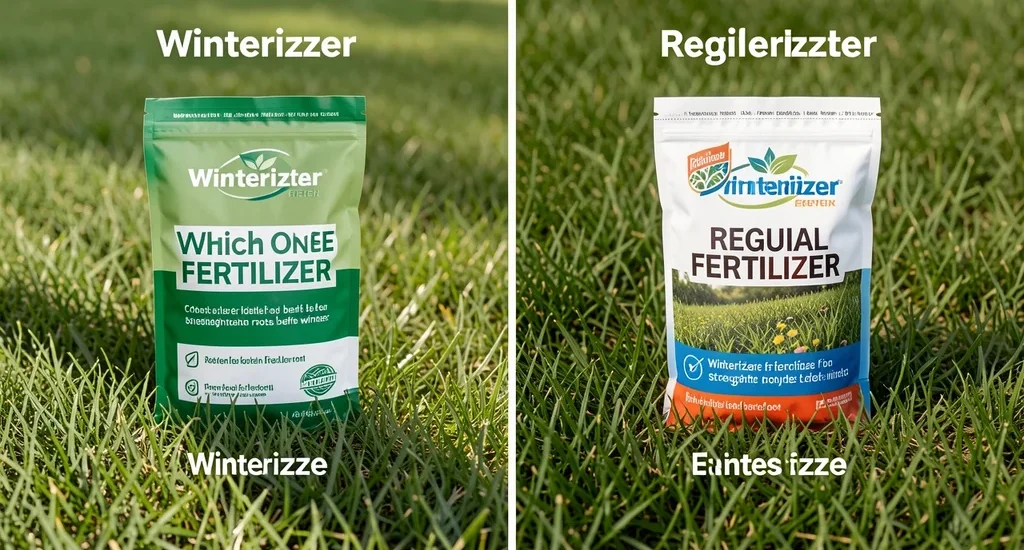
Choosing between what is better winterizer or regular fertilizer can make or break your lawn’s health through the seasons. The right choice depends on timing, grass type, and soil needs. This guide breaks down the differences, benefits, and when to use each to keep your lawn lush and resilient year-round.
Winterizer fertilizer is best for late fall to strengthen roots before winter, while regular fertilizer supports steady growth during the growing season. Use winterizer in autumn and standard fertilizer from spring to early fall.
What Is Winterizer Fertilizer
Winterizer fertilizer is a specialized formula designed to prepare your lawn for the harsh winter months. It typically contains a higher ratio of potassium (K) to nitrogen (N) and phosphorus (P), such as a 10-0-20 or 12-0-18 NPK ratio. Potassium strengthens grass roots, improves cold tolerance, and enhances disease resistance, which are critical for survival during dormancy.
Unlike regular fertilizers, winterizers focus less on promoting top growth and more on root development and nutrient storage. This helps grass recover faster in the spring and reduces winter damage like snow mold or desiccation.
- High potassium content boosts root resilience and cold hardiness
- Low nitrogen prevents excessive top growth before winter
- Slow-release formulas ensure nutrients are available when needed
- Applied in late fall, usually 4-6 weeks before the first frost
- Ideal for cool-season grasses like Kentucky bluegrass, fescue, and ryegrass
| Feature | Winterizer Fertilizer |
|---|---|
| Primary Nutrient | Potassium (K) |
| Purpose | Root strength, cold tolerance |
| Best Time to Apply | Late fall |
| Grass Types | Cool-season grasses |
Winterizers are not a one-size-fits-all solution. They’re formulated for specific seasonal needs and should not replace regular fertilizers during the growing season.
What Is Regular Fertilizer
Regular fertilizer is a balanced or growth-focused blend used to maintain lawn health throughout the active growing season—spring through early fall. It typically contains higher nitrogen (N) levels to promote leafy growth, greening, and overall lawn density. Common NPK ratios include 20-5-10 or 16-4-8, depending on the grass type and soil conditions.
These fertilizers support consistent growth, color, and thickness, making them ideal for routine lawn care. They can be fast-release for quick results or slow-release for extended feeding. Regular fertilizers are versatile and can be customized to address specific deficiencies in your soil.
- Higher nitrogen (N) for lush, green growth
- Balanced or customized NPK ratios for different lawn needs
- Applied during growing season (spring to early fall)
- Available in fast-release or slow-release formulations
- Suitable for all grass types with the right blend
| Feature | Regular Fertilizer |
|---|---|
| Primary Nutrient | Nitrogen (N) |
| Purpose | Growth, color, density |
| Best Time to Apply | Spring to early fall |
| Grass Types | All grass types |
Regular fertilizers are the backbone of lawn maintenance, ensuring your grass stays healthy and vibrant during the peak growing months.
Tip: Soil testing can help determine if your lawn needs a specific NPK ratio or additional micronutrients.
Key Differences Between Winterizer and Regular Fertilizer
The primary difference lies in their NPK ratios and intended use. Winterizers are high in potassium to fortify roots and improve cold resistance, while regular fertilizers prioritize nitrogen for active growth. The timing of application also varies significantly, with winterizers used in late fall and regular fertilizers applied during the growing season.
Another key distinction is the release rate. Winterizers often use slow-release formulas to provide nutrients gradually over the winter months. In contrast, regular fertilizers can be fast or slow-release, depending on the product and the desired effect.
| Factor | Winterizer Fertilizer | Regular Fertilizer |
|---|---|---|
| NPK Ratio | Low N, High K (e.g., 10-0-20) | High N (e.g., 20-5-10) |
| Primary Purpose | Root strength, cold tolerance | Growth, color, density |
| Application Time | Late fall | Spring to early fall |
| Release Rate | Slow-release | Fast or slow-release |
| Grass Types | Cool-season grasses | All grass types |
According to the National Association of Landscape Professionals, lawns treated with winterizer fertilizers show up to 30% better survival rates through harsh winters compared to untreated lawns. Meanwhile, regular fertilizers can increase lawn density by 20-40% during the growing season when applied correctly.
When to Use Winterizer Fertilizer
Timing is everything with winterizer fertilizer. Apply it too early, and you risk promoting top growth that can be damaged by frost. Apply it too late, and the nutrients won’t have time to be absorbed before dormancy.
The sweet spot is typically 4-6 weeks before the first expected frost in your region.
For most cool-season grasses, this means applying winterizer in late September to early November, depending on your climate zone. Warm-season grasses, like Bermuda or Zoysia, generally don’t require winterizer as they go dormant earlier and have different nutritional needs.
- Check your local frost dates to determine the optimal window
- Apply when grass is still actively growing but slowing down
- Avoid applying during drought or extreme heat
- Water the lawn lightly after application to help granules settle
- Use a spreader for even distribution and avoid overlapping
Warning: Over-applying winterizer can lead to nutrient runoff or salt buildup in the soil, which may harm your lawn.
When to Use Regular Fertilizer
Regular fertilizer can be applied multiple times during the growing season, depending on your grass type and lawn goals. For cool-season grasses, the first application is typically in early spring (March-April), followed by a second in late spring (May-June), and a third in early fall (September). Warm-season grasses benefit from applications in late spring (May-June) and again in late summer (August).
Each application should be spaced 6-8 weeks apart to avoid over-fertilizing, which can lead to thatch buildup, nutrient runoff, or lawn burn. Slow-release fertilizers can extend the interval between applications to 10-12 weeks.
- Early spring for cool-season grasses to kickstart growth
- Late spring to maintain momentum and color
- Early fall for cool-season grasses to recover from summer stress
- Late summer for warm-season grasses to prepare for dormancy
- Avoid fertilizing during summer heatwaves or droughts
| Grass Type | Best Application Times | Frequency |
|---|---|---|
| Cool-season (Kentucky Bluegrass, Fescue, Ryegrass) | Early spring, late spring, early fall | 3 times per year |
| Warm-season (Bermuda, Zoysia, St. Augustine) | Late spring, late summer | 2 times per year |
The Lawn Care Industry Association reports that homeowners who follow a consistent fertilizing schedule see up to 50% fewer weeds and bare spots in their lawns.
Pros and Cons of Winterizer Fertilizer
Winterizer fertilizer offers unique benefits but isn’t without drawbacks. Understanding both sides helps you decide if it’s the right choice for your lawn care routine.
Pros of Winterizer Fertilizer
- Enhanced cold tolerance protects grass from freeze damage
- Stronger root systems support faster spring green-up
- Disease resistance reduces susceptibility to winter diseases like snow mold
- Nutrient storage ensures grass has reserves for early spring growth
- Reduced winter damage from desiccation or temperature fluctuations
Cons of Winterizer Fertilizer
- Limited use window requires precise timing for effectiveness
- Not suitable for warm-season grasses in most regions
- Higher cost compared to regular fertilizers
- Risk of over-application if not measured correctly
- Less focus on top growth means it won’t improve lawn appearance immediately
Important: Winterizer fertilizer should not replace regular fertilizers during the growing season. It’s a seasonal supplement, not a year-round solution.
Pros and Cons of Regular Fertilizer
Regular fertilizer is a staple in lawn care for good reason, but it’s not perfect. Weighing the advantages and disadvantages helps you use it effectively.
Pros of Regular Fertilizer
- Promotes lush, green growth for a vibrant lawn
- Flexible formulations can be tailored to your soil’s needs
- Year-round applicability during the growing season
- Improves lawn density to crowd out weeds naturally
- Available in fast or slow-release options for different needs
Cons of Regular Fertilizer
- Risk of over-fertilizing if applied too frequently
- Can contribute to nutrient runoff if not managed properly
- Requires consistent scheduling to maintain effectiveness
- May promote thatch buildup if not balanced with proper mowing and aeration
- Less effective for winter preparation without the right NPK ratio
Which One Should You Choose
The choice between winterizer and regular fertilizer depends on the time of year and your lawn’s specific needs. For most homeowners, the best approach is to use both in a complementary seasonal schedule.
Start with regular fertilizer in the spring to encourage growth and color. Continue with additional applications every 6-8 weeks during the growing season. Then, switch to winterizer in late fall to prepare your lawn for the colder months.
- Use regular fertilizer from spring to early fall for active growth
- Apply winterizer in late fall to strengthen roots before winter
- Test your soil to determine if additional micronutrients are needed
- Follow label instructions for application rates and timing
- Consider a lawn care program that includes both types for optimal results
According to a study by Turftime University, lawns that receive both regular and winterizer fertilizers show a 40% improvement in overall health and resilience compared to those that receive only one type.
Common Mistakes to Avoid
Even with the best fertilizers, mistakes in application or timing can undermine your efforts. Avoiding these common pitfalls ensures you get the most out of your lawn care investments.
- Applying winterizer too early or too late can reduce its effectiveness. Stick to the 4-6 week window before the first frost.
- Overlapping fertilizer applications can lead to nutrient runoff or lawn burn. Always follow the recommended rates.
- Ignoring soil tests may result in unnecessary or imbalanced nutrient applications. Test your soil every 2-3 years.
- Using the wrong fertilizer for your grass type can cause more harm than good. Cool-season and warm-season grasses have different needs.
- Skipping watering after application prevents granules from settling into the soil, reducing their effectiveness.
- Fertilizing during drought or extreme heat can stress your lawn further. Wait for cooler, moister conditions.
Tip: Use a broadcast spreader for even distribution and avoid applying fertilizer near water bodies to prevent runoff.
Frequently Asked Questions
Can I use winterizer fertilizer in the spring?
No, winterizer is formulated for late fall application to prepare your lawn for winter. Using it in the spring would provide the wrong nutrient balance for active growth. Stick to regular fertilizer for spring applications.
How often should I apply regular fertilizer?
For cool-season grasses, apply regular fertilizer 3 times per year: early spring, late spring, and early fall. Warm-season grasses typically need 2 applications: late spring and late summer. Always follow the product’s recommended schedule.
What happens if I skip winterizer fertilizer?
Skipping winterizer may leave your lawn more vulnerable to winter damage, such as freeze injury, disease, or desiccation. While not always catastrophic, winterizer helps ensure a stronger, healthier lawn come spring.
Can I mix winterizer and regular fertilizer?
It’s not recommended to mix the two, as their nutrient ratios are optimized for different purposes. Winterizer’s high potassium content is ideal for late fall, while regular fertilizer’s nitrogen focus is better suited for the growing season.
Is winterizer fertilizer worth the extra cost?
Yes, for most cool-season lawns, winterizer is worth the investment. It improves winter survival rates and promotes faster spring recovery, which can save you money on repairs or reseeding in the long run. According to the National Turfgrass Evaluation Program, lawns treated with winterizer show up to 25% better spring green-up.
Final Thoughts
When deciding what is better winterizer or regular fertilizer, remember that both play unique, essential roles in lawn care. Regular fertilizer fuels growth during the active season, while winterizer fortifies your lawn for winter’s challenges. The best approach is to use both in a well-timed schedule tailored to your grass type and climate.
By avoiding common mistakes and following best practices, you’ll enjoy a healthier, more resilient lawn year-round.