Last Updated on October 22, 2026 by D. Ruddy
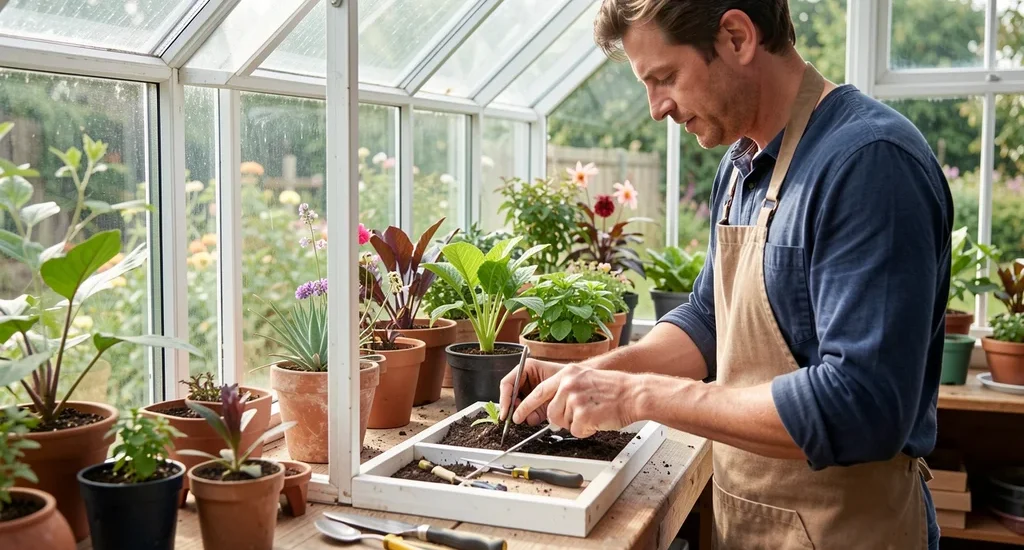
Starting a greenhouse for beginners can feel overwhelming, but with the right guidance, starting a greenhouse for beginners becomes an exciting journey toward year-round gardening. This step-by-step guide covers everything from selecting the perfect location to choosing the best plants for your climate. Whether you dream of growing fresh vegetables or exotic flowers, a greenhouse offers control over temperature, humidity, and pests, making it easier to achieve success.
You can start a greenhouse for beginners with basic tools, a well-planned design, and a budget that fits your needs. The key is choosing the right size, materials, and ventilation system to ensure healthy plant growth.
Why Start a Greenhouse as a Beginner
A greenhouse gives you the power to extend growing seasons, protect plants from harsh weather, and experiment with crops that wouldn’t normally thrive in your area. For beginners, it’s a game-changer because it reduces reliance on unpredictable outdoor conditions. You can start seeds earlier, grow tropical plants in colder climates, or even cultivate organic produce without pesticides.
- Year-round gardening: Grow vegetables, herbs, and flowers regardless of the season.
- Pest control: A closed environment keeps insects and animals away from your plants.
- Climate control: Adjust temperature and humidity to match the needs of your plants.
- Higher yields: Optimized growing conditions often lead to more abundant harvests.
- Experimentation: Try growing exotic or rare plants that aren’t suited to your local climate.
According to the National Gardening Association, greenhouse gardeners report up to 30% higher yields compared to traditional outdoor gardening. This makes it a worthwhile investment for those serious about hobby or small-scale commercial growing.
Tip: Start with easy-to-grow plants like lettuce, tomatoes, or herbs to build confidence before moving to more challenging crops.
Choosing the Right Location for Your Greenhouse
Location is one of the most critical factors in starting a greenhouse for beginners. The ideal spot receives at least 6 hours of direct sunlight daily, especially during winter months when days are shorter. South or southeast-facing areas are typically best in the Northern Hemisphere, while north-facing works better in the Southern Hemisphere.
| Factor | Ideal Conditions | Avoid |
|---|---|---|
| Sunlight | 6+ hours of direct sun | Shady areas, north-facing spots (Northern Hemisphere) |
| Wind Protection | Sheltered from strong winds | Open, exposed areas |
| Drainage | Well-draining soil or raised beds | Low-lying areas prone to flooding |
| Accessibility | Close to water source and tools | Far from utilities or storage |
Avoid placing your greenhouse under trees, as falling leaves and branches can damage the structure and block sunlight. Also, consider proximity to a water source—hauling water long distances can become tedious. If possible, position your greenhouse near your home for easy access, especially during colder months when you’ll need to monitor heating systems.
Selecting the Best Greenhouse Type for Beginners
Not all greenhouses are created equal, and the best type for you depends on your budget, space, and gardening goals. Beginners often start with smaller, more affordable options before investing in larger, permanent structures.
- Cold Frame: The simplest and cheapest option, ideal for extending the growing season by a few weeks. Made from old windows or clear plastic, it’s perfect for seedlings and hardy vegetables.
- Hoop House: A semi-permanent structure made from PVC pipes and plastic sheeting. Affordable and easy to assemble, it’s great for beginners with limited budgets.
- Lean-To Greenhouse: Attached to an existing structure (like a house or garage), it’s space-efficient and benefits from shared heat. Ideal for small yards.
- Freestanding Greenhouse: A standalone structure that can be placed anywhere. More expensive but offers maximum flexibility in size and design.
- Portable Greenhouse: Lightweight and movable, these are great for renters or those who want to experiment before committing to a permanent setup.
Important: If you live in an area with heavy snow or strong winds, invest in a sturdy frame (like aluminum or galvanized steel) to withstand harsh weather.
For most beginners, a hoop house or small freestanding greenhouse (8’x10’ or smaller) is the best starting point. These are cost-effective, easy to assemble, and provide enough space to grow a variety of plants without overwhelming a new gardener.
Essential Materials and Tools You Will Need
Before breaking ground, gather all necessary materials and tools. The exact list depends on your greenhouse type, but these are the basics for most DIY projects:
| Category | Items Needed | Estimated Cost |
|---|---|---|
| Frame | PVC pipes, wood, or metal framing | $50 – $500 |
| Covering | Polyethylene plastic, polycarbonate panels, or glass | $100 – $1,000 |
| Tools | Hammer, screws, saw, measuring tape, level, drill | $50 – $200 |
| Ventilation | Roof vents, louvers, or exhaust fans | $30 – $200 |
| Heating/Cooling | Space heater, shade cloth, thermometer | $50 – $300 |
| Flooring | Gravel, concrete, or landscape fabric | $20 – $150 |
For covering materials, polyethylene plastic is the most budget-friendly but lasts only 1-3 years. Polycarbonate panels are more durable (5-10 years) and provide better insulation. Glass is the most expensive but offers the best light transmission and longevity (20+ years).
- Safety gear: Gloves, goggles, and sturdy shoes to protect yourself during construction.
- Anchoring supplies: Stakes, concrete blocks, or anchor kits to secure your greenhouse against wind.
- Irrigation: Drip irrigation systems or watering cans for consistent moisture.
- Shelving: Benches or shelves to maximize growing space.
Step by Step Greenhouse Construction Guide
Building your first greenhouse is a rewarding project. Follow these steps to ensure a sturdy, functional structure that will last for years.
Step 1: Prepare the Foundation
Start by leveling the ground where your greenhouse will stand. Remove grass, rocks, and debris, then create a flat, stable base. For permanent greenhouses, a concrete foundation is ideal but not always necessary for beginners. A simpler option is to use:
- Wooden frame base
- Gravel bed (4-6 inches deep)
- Concrete blocks
Ensure the foundation is square by measuring the diagonals—they should be equal in length.
Step 2: Build the Frame
For a hoop house, bend PVC pipes into arches and secure them to the base. Space arches 2-3 feet apart for stability. For a more permanent structure, use wood or metal to create a rigid frame. Common beginner-friendly designs include:
- A-Frame: Simple triangular design that sheds snow well.
- Quonset: Curved roof that maximizes interior space.
- Gable: Traditional peaked roof that provides good ventilation.
Use a level to ensure all vertical supports are plumb.
Step 3: Install the Covering
If using plastic sheeting, stretch it tightly over the frame and secure it with battens or channel locks. Avoid wrinkles, as they can trap dirt and reduce light transmission. For polycarbonate panels, overlap the edges and use H-profile connectors to seal gaps. Glass panels should be installed with glazing tape or putty to prevent leaks.
Warning: Always wear gloves and eye protection when handling glass or cutting materials to avoid injuries.
Step 4: Add Ventilation
Proper ventilation is crucial to prevent overheating and humidity buildup. For small greenhouses, passive ventilation (roof vents or louvers) is often sufficient. Larger structures may require:
- Automatic vents: Open and close based on temperature (ideal for hands-off gardeners).
- Exhaust fans: Powerful for large greenhouses or hot climates.
- Shade cloth: Reduces heat buildup during peak summer months.
Aim for at least 15-20% of the greenhouse’s floor area to be open for ventilation.
Step 5: Set Up Heating and Cooling Systems
In colder climates, a heating system is essential for year-round growing. Options include:
| Heating Method | Best For | Cost |
|---|---|---|
| Electric heater | Small to medium greenhouses | $50 – $200 |
| Propane heater | Larger greenhouses or off-grid setups | $100 – $400 |
| Geothermal heating | Permanent, energy-efficient setups | $500 – $2,000+ |
| Solar heating | Eco-friendly, low-cost solutions | $100 – $600 |
For cooling, shade cloth (30-50% density) can reduce temperatures by 10-20°F. Evaporative coolers (swamp coolers) are effective in dry climates but require more maintenance.
Step 6: Install Flooring and Interior Setup
The flooring should allow for good drainage while preventing weeds. Popular options include:
- Gravel: Affordable, drains well, and suppresses weeds.
- Concrete: Durable and easy to clean but can be cold and hard on plants.
- Landscape fabric: Lightweight and weed-resistant but may need replacement over time.
- Raised beds: Ideal for better soil control and drainage.
Add benches or shelving to maximize vertical space. Ensure there’s enough room between shelves for plants to grow and for you to move around comfortably.
Step 7: Test and Adjust
Before planting, test your greenhouse for a few days to ensure everything works as expected:
- Check for leaks or drafts.
- Monitor temperature fluctuations (aim for 70-80°F during the day and 50-60°F at night for most plants).
- Test ventilation by observing humidity levels (40-60% is ideal for most plants).
- Ensure heating/cooling systems activate at the correct temperatures.
Use a digital thermometer/hygrometer to track conditions. Adjust vents, heaters, or shade cloth as needed to maintain optimal growing conditions.
Best Plants to Grow in a Beginner Greenhouse
Not all plants thrive in a greenhouse environment, especially for beginners. Start with easy-to-grow, low-maintenance plants to build your confidence and skills. Here are some of the best options:
Vegetables
- Lettuce: Fast-growing and cold-tolerant, lettuce is perfect for beginners. Harvest leaves as needed for a continuous supply.
- Tomatoes: Thrive in the warm, controlled environment of a greenhouse. Choose determinate varieties for smaller spaces.
- Cucumbers: Grow vertically to save space. Provide a trellis for support.
- Peppers: Love heat and do well in greenhouses. Bell peppers and chili peppers are great choices.
- Spinach: Cold-hardy and quick to mature, spinach is ideal for cooler months.
Herbs
Herbs are some of the easiest and most rewarding plants to grow in a greenhouse. They require minimal space and can be harvested regularly. Top picks include:
- Basil: Loves warmth and grows quickly. Pinch off flowers to encourage leaf growth.
- Parsley: Slow-growing but hardy. Can be harvested for up to a year.
- Cilantro: Prefers cooler temperatures. Bolt-resistant varieties are best.
- Mint: Vigorous grower—keep it in containers to prevent spreading.
- Chives: Perennial and low-maintenance. Great for adding flavor to dishes.
Flowers
Greenhouses are perfect for growing flowers year-round. Some beginner-friendly options include:
| Flower | Light Needs | Growing Difficulty |
|---|---|---|
| Marigolds | Full sun | Easy |
| Pansies | Partial to full sun | Easy |
| Petunias | Full sun | Easy |
| Impatiens | Partial shade | Easy |
| Orchids | Bright, indirect light | Moderate |
Tip: Start with seedlings or young plants instead of seeds to see faster results and reduce the risk of failure.
Avoid invasive plants or those that require specialized care (like certain tropical fruits) until you gain more experience. Stick to plants that match your greenhouse’s climate and your skill level.
Common Mistakes to Avoid When Starting a Greenhouse
Even with the best intentions, beginners often make mistakes that can derail their greenhouse projects. Being aware of these pitfalls can save you time, money, and frustration.
- Poor Location Choice: Placing your greenhouse in a shady or windy spot can lead to weak plants and structural damage. Always prioritize sunlight and shelter.
- Inadequate Ventilation: Without proper airflow, temperatures can soar, leading to plant stress or death. Even in winter, ventilation is crucial to prevent humidity buildup and disease.
- Overcrowding Plants: It’s tempting to fill every inch of space, but overcrowding leads to competition for light, water, and nutrients. Follow spacing guidelines for each plant.
- Ignoring Soil Quality: Greenhouse soil should be well-draining and rich in organic matter. Avoid using garden soil, which may contain pests or diseases.
- Neglecting Pest Control: A greenhouse doesn’t eliminate pests entirely. Regularly inspect plants for signs of insects or disease, and introduce beneficial insects like ladybugs if needed.
- Skipping Temperature Monitoring: Greenhouses can overheat quickly, especially in summer. Invest in a quality thermometer and set up alerts for temperature extremes.
- Underestimating Maintenance: Greenhouses require regular cleaning, repairs, and system checks. Neglecting maintenance can lead to costly issues down the line.
According to a survey by the University of Vermont Extension, 45% of beginner greenhouse gardeners reported pest infestations as their biggest challenge. This highlights the importance of proactive pest management.
Maintaining Your Greenhouse for Long-Term Success
A well-maintained greenhouse can last for decades, providing a consistent growing environment for your plants. Regular upkeep ensures your investment pays off and prevents small issues from becoming major problems.
Daily Tasks
- Check temperature and humidity: Use a digital monitor to track conditions. Most plants thrive at 70-80°F during the day and 50-60°F at night, with humidity between 40-60%.
- Water plants: Greenhouses dry out faster than outdoor gardens. Check soil moisture daily and water as needed, preferably in the morning.
- Inspect for pests: Look for signs of insects, mold, or disease. Early detection makes treatment easier.
Weekly Tasks
- Clean surfaces: Wipe down benches, shelves, and the interior walls to remove dust and debris, which can block light and harbor pests.
- Prune and harvest: Remove dead or yellowing leaves, and harvest ripe produce to encourage continued growth.
- Check systems: Test heating, cooling, and ventilation systems to ensure they’re functioning properly.
Monthly Tasks
| Task | Frequency | Why It Matters |
|---|---|---|
| Deep clean greenhouse | Monthly | Prevents disease and pest buildup |
| Inspect covering material | Monthly | Identifies tears or wear that reduce efficiency |
| Fertilize plants | Monthly | Replenishes nutrients in the soil |
| Lubricate moving parts | Monthly | Keeps vents and doors operating smoothly |
Seasonal Tasks
- Spring: Prepare seedbeds, start seedlings, and inspect the greenhouse for winter damage. Clean and sanitize all surfaces to start the growing season fresh.
- Summer: Monitor for overheating and ensure adequate ventilation. Apply shade cloth if temperatures regularly exceed 90°F.
- Fall: Harvest remaining crops, clean out old plants, and prepare the greenhouse for winter. Insulate pipes and heaters if needed.
- Winter: Check heating systems regularly, remove snow buildup from the roof, and consider growing cold-hardy plants like kale or spinach.
Important: Keep a greenhouse journal to track tasks, plant performance, and any issues. This helps you identify patterns and improve your processes over time.
Budget-Friendly Tips for Starting a Greenhouse
Starting a greenhouse doesn’t have to break the bank. With some creativity and resourcefulness, you can build a functional greenhouse on a tight budget. Here are some cost-saving strategies:
Use Repurposed Materials
Many greenhouse materials can be sourced for free or at a low cost. Look for:
- Old windows: Perfect for cold frames or small greenhouse walls. Check salvage yards, Craigslist, or Facebook Marketplace.
- PVC pipes: Often available as scrap from construction sites or plumbing projects.
- Pallets: Use wooden pallets to build frames, benches, or raised beds. Sand them down to avoid splinters.
- Plastic bottles: Large plastic bottles (like 5-gallon water jugs) can be cut and used as mini greenhouses for individual plants.
- Shower curtains: Clear vinyl shower curtains make excellent temporary covering material.
DIY Greenhouse Plans
Instead of buying a pre-made greenhouse kit, consider building your own using free or low-cost plans. Websites like:
- University Extension Programs: Many state universities offer free greenhouse plans tailored to local climates.
- YouTube: Search for DIY greenhouse tutorials with step-by-step instructions.
- Pinterest: Find creative, budget-friendly greenhouse ideas with material lists and measurements.
- Gardening Forums: Communities like GardenWeb or Reddit’s r/gardening often share tried-and-true designs.
Start Small
A smaller greenhouse is more affordable to build, heat, and maintain. Begin with a 6’x8’ or 8’x10’ structure, which provides enough space for a variety of plants without overwhelming your budget. As you gain experience and confidence, you can expand or upgrade to a larger greenhouse.
Prioritize Essential Features
Focus on the basics first and add luxuries later. Essential features for a beginner greenhouse include:
- Sturdy frame: Invest in a durable frame to withstand wind and weather.
- Good covering material: Polyethylene plastic is affordable and effective for beginners.
- Basic ventilation: Start with manual vents or louvers before investing in automatic systems.
- Adequate heating: A simple electric heater or heat lamp can provide enough warmth for small greenhouses.
Skip expensive add-ons like automated irrigation or high-tech climate control systems until you’re more experienced.
Barter or Trade for Materials
Reach out to local gardening groups, community gardens, or even neighbors to see if anyone has spare materials. You might be able to trade plants, seeds, or labor for greenhouse supplies. This not only saves money but also helps you connect with other gardeners who can offer advice and support.
Tip: Start with a hoop house made from PVC and plastic sheeting. A 10’x12’ hoop house can be built for under $200 using these materials.
Frequently Asked Questions
Do I need a permit to build a greenhouse?
Permit requirements vary by location. In many rural areas, small greenhouses (under 120 sq ft) don’t require permits, but urban or suburban areas may have stricter rules. Check with your local building department or zoning office to confirm.
Even if a permit isn’t required, it’s wise to ensure your greenhouse complies with local codes for safety and insurance purposes.
How much does it cost to start a greenhouse for beginners?
The cost of starting a greenhouse for beginners varies widely based on size, materials, and features. A small DIY hoop house can cost as little as $100-$300, while a mid-sized freestanding greenhouse with basic features may range from $1,000 to $3,000. Pre-made kits are more expensive but offer convenience.
Factor in ongoing costs like heating, water, and maintenance when budgeting.
Can I use a greenhouse year-round?
Yes, with the right setup, you can use a greenhouse year-round. In colder climates, you’ll need a heating system to maintain warm temperatures during winter. In hot climates, ventilation, shade cloth, and cooling systems are essential to prevent overheating.
Choose plants that are suited to the season and your greenhouse’s climate control capabilities.
What is the best covering material for a beginner greenhouse?
For beginners, polyethylene plastic is the most budget-friendly and easiest to work with. It’s lightweight, easy to install, and provides good light diffusion. However, it typically lasts only 1-3 years.
Polycarbonate panels are a more durable option (5-10 years) and offer better insulation, but they’re more expensive. Glass is the most durable and attractive but requires more maintenance and is heavier to work with.
How do I control pests in my greenhouse?
Preventing pests starts with good hygiene: keep your greenhouse clean, remove dead plants promptly, and avoid overwatering. Introduce beneficial insects like ladybugs, lacewings, or predatory mites to control common pests naturally. For larger infestations, use organic pesticides or insecticidal soaps.
Regularly inspect plants for signs of pests, such as holes in leaves, sticky residue, or webbing.
Final Thoughts
Starting a greenhouse for beginners is an exciting way to take your gardening to the next level. By choosing the right location, materials, and plants, you can create a thriving growing space that extends your season and boosts your harvests. Remember to start small, prioritize essential features, and learn as you go.
With patience and care, your greenhouse will provide years of enjoyment and bountiful rewards. Happy gardening!