Last Updated on October 22, 2026 by D. Ruddy
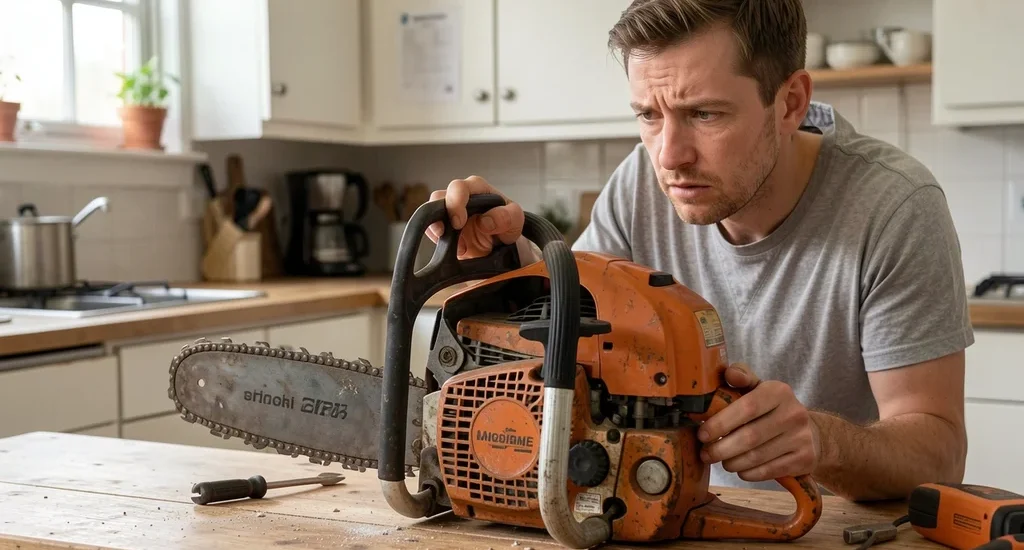
If your trusty chainsaw has seen better days, how to repair old chainsaws is likely at the top of your search list. Reviving an old chainsaw can save you money and extend the life of a reliable tool. This guide covers everything from basic maintenance to advanced repairs, helping you diagnose issues and get your chainsaw running smoothly again.
Most old chainsaw repairs involve cleaning the carburetor, replacing the spark plug, or fixing the chain tension. With basic tools and patience, you can restore functionality to a non-starting or poorly running chainsaw.
Tools and Materials You Will Need
A successful chainsaw repair starts with having the right tools at hand. Without the proper equipment, even simple tasks can become frustratingly difficult. Gather everything before you begin to avoid interruptions.
Here’s a comprehensive list of what you’ll need:
- Basic hand tools: Screwdrivers (Phillips and flathead), wrenches (adjustable and socket set), pliers
- Specialty tools: Spark plug socket, carburetor adjustment tool, chain breaker tool
- Cleaning supplies: Carburetor cleaner, air compressor or canned air, degreaser, clean rags
- Replacement parts: Spark plug, air filter, fuel filter, chain, bar (if damaged)
- Safety gear: Work gloves, safety glasses, ear protection
- Lubricants: Bar and chain oil, 2-stroke engine oil (if mixing fuel)
- Testing tools: Multimeter (for electrical testing), compression tester (for engine diagnosis)
| Tool | Purpose | Estimated Cost |
|---|---|---|
| Spark plug socket | Remove and install spark plugs | $10-$20 |
| Carburetor adjustment tool | Fine-tune carburetor settings | $5-$15 |
| Chain breaker tool | Remove and install chains | $15-$25 |
| Compression tester | Check engine compression | $20-$40 |
Investing in quality tools pays off in the long run, as they’ll last for multiple repair jobs. If you’re only doing a one-time repair, consider borrowing specialty tools from a friend or local tool library.
Safety Precautions Before Starting
Chainsaw repair involves sharp components, flammable materials, and moving parts. Skipping safety precautions can lead to serious injuries. Always prioritize safety over speed when working on power tools.
Follow these essential safety guidelines:
- Disconnect the spark plug: Before any repair, remove the spark plug wire to prevent accidental starts. This is the most critical safety step.
- Work in a well-ventilated area: Gasoline fumes are dangerous. Repair your chainsaw outdoors or in a garage with open doors.
- Wear protective gear: Safety glasses protect your eyes from debris, while gloves shield your hands from sharp edges.
- Stabilize the chainsaw: Use a workbench with a vice or clamp to secure the chainsaw. Never work on it while it’s resting on your lap.
- Handle fuel carefully: Store gasoline in approved containers and clean up spills immediately. Keep a fire extinguisher nearby.
- Avoid loose clothing: Tie back long hair and remove jewelry that could get caught in moving parts.
- Check for damage: Inspect the chainsaw for any obvious damage before starting work. Cracked housings or damaged parts may need professional attention.
Warning: Never attempt to start a chainsaw indoors or in an enclosed space. Carbon monoxide from the exhaust is odorless and deadly.
Diagnosing Common Chainsaw Problems
Before you can fix your old chainsaw, you need to identify what’s wrong. Chainsaws typically exhibit a few common symptoms when they’re not working properly. Learning to recognize these signs will help you pinpoint the issue quickly.
Here are the most frequent problems and their likely causes:
| Symptom | Likely Cause | Solution |
|---|---|---|
| Won’t start | Bad spark plug, stale fuel, flooded engine | Replace spark plug, use fresh fuel, dry the plug |
| Starts but dies | Clogged carburetor, dirty air filter, bad fuel | Clean carburetor, replace air filter, use fresh fuel |
| Runs poorly | Improper carburetor adjustment, dirty spark arrestor | Adjust carburetor, clean spark arrestor |
| Losing power | Clogged fuel filter, worn piston rings, dull chain | Replace fuel filter, check compression, sharpen chain |
| Excessive vibration | Worn bar, loose parts, unbalanced chain | Inspect bar, tighten parts, balance chain |
| Smoking excessively | Wrong oil-fuel ratio, oil leaks | Check oil mix, inspect for leaks |
According to the Outdoor Power Equipment Institute, over 60% of chainsaw repairs are related to fuel system issues, with carburetor problems being the most common. Starting with the simplest explanations (like stale fuel or a dirty air filter) can save you time and effort.
Tip: Keep a repair log. Note the date, symptoms, and what you tried. This helps track recurring issues and what solutions worked.
Step By Step Chainsaw Repair Process
Now that you’ve diagnosed the problem, it’s time to roll up your sleeves and get to work. This step-by-step guide covers the most common repairs for old chainsaws. Follow these steps in order, as many issues can be resolved with basic maintenance.
Step 1: Clean or Replace the Air Filter
A dirty air filter is one of the most common reasons a chainsaw runs poorly or won’t start. The air filter prevents dust and debris from entering the engine, but over time it becomes clogged, restricting airflow.
- Locate the air filter housing (usually on the side of the engine).
- Remove the cover (may require a screwdriver or be held by clips).
- Take out the air filter. It may be foam, paper, or a combination.
- If it’s a foam filter, wash it with warm, soapy water. Rinse and let it dry completely.
- For paper filters, tap it gently to remove debris or replace it if it’s very dirty.
- Clean the filter housing with a rag or compressed air.
- Reinstall the clean or new filter and secure the housing.
Step 2: Check and Replace the Spark Plug
The spark plug provides the spark that ignites the fuel-air mixture in the engine. A fouled or damaged spark plug can prevent your chainsaw from starting. Inspecting and replacing the spark plug is a quick and easy first step in troubleshooting.
- Disconnect the spark plug wire (already done if you followed safety precautions).
- Use a spark plug socket to remove the old plug. Turn counterclockwise.
- Inspect the plug. If the electrode is worn, the porcelain is cracked, or there’s heavy carbon buildup, replace it.
- Check the gap with a feeler gauge (specs are in your chainsaw manual).
- If the plug looks okay, clean it with a wire brush and regap if necessary.
- Install the new or cleaned plug, turning clockwise until snug. Don’t overtighten.
- Reconnect the spark plug wire.
| Spark Plug Condition | Indicates | Action Needed |
|---|---|---|
| Black, sooty deposits | Rich fuel mixture | Replace plug, check carburetor |
| White, ashy deposits | Lean fuel mixture | Replace plug, check carburetor |
| Oily deposits | Oil in combustion chamber | Replace plug, check oil seals |
| Worn electrodes | Normal wear | Replace plug |
| Cracked porcelain | Physical damage | Replace plug |
Step 3: Clean the Carburetor
The carburetor mixes air and fuel in the correct ratio for combustion. Over time, old fuel can leave varnish deposits that clog the tiny passages in the carburetor. Cleaning it can often restore proper engine function.
For a thorough cleaning:
- Remove the carburetor from the engine (may require removing the air filter housing first).
- Disassemble the carburetor carefully, noting how each part fits together. Take photos if needed.
- Soak the carburetor parts in carburetor cleaner for at least 30 minutes.
- Use compressed air to blow out all passages and jets. A carburetor cleaning kit with various brushes and wires can help.
- Check the diaphragm for tears or stiffness. Replace if damaged.
- Reassemble the carburetor, making sure all gaskets are in good condition.
- Reinstall the carburetor and reconnect the fuel lines.
Tip: If you’re not comfortable disassembling the carburetor, try using a carburetor cleaner spray first. With the engine off, spray the cleaner into the carburetor throat and let it sit for 10-15 minutes before trying to start the chainsaw.
Step 4: Check and Replace the Fuel Filter
The fuel filter prevents debris from entering the carburetor. Over time, it can become clogged, restricting fuel flow. Many chainsaw owners overlook this simple component, but it’s a common cause of starting and running issues.
To check and replace the fuel filter:
- Locate the fuel filter (usually inside the fuel tank, attached to the fuel line).
- Use pliers to gently pull the fuel line out of the tank. The filter will come with it.
- Inspect the filter. If it’s dark or has debris, it needs replacement.
- Remove the old filter from the fuel line.
- Attach a new filter to the fuel line. Make sure it’s the correct size for your chainsaw.
- Insert the new filter back into the fuel tank.
- Refill the tank with fresh fuel.
According to Husqvarna, one of the leading chainsaw manufacturers, a clogged fuel filter can reduce engine power by up to 30%. Replacing it is a quick and inexpensive fix.
Step 5: Adjust the Carburetor
If your chainsaw starts but runs poorly, the carburetor may need adjustment. Most chainsaws have three adjustment screws: Low (L), High (H), and Idle (T or LA). These control the fuel mixture at different engine speeds.
Follow these steps to adjust the carburetor:
- Start the chainsaw and let it warm up for a few minutes.
- Locate the carburetor adjustment screws (consult your manual for exact locations).
- Turn the Low (L) screw clockwise until the engine starts to stumble, then turn it counterclockwise 1/4 turn.
- Turn the High (H) screw clockwise until the engine speed decreases, then turn it counterclockwise 1/4 turn.
- Adjust the Idle (T or LA) screw to set the idle speed. The chain should not move at idle.
- Test the chainsaw. It should accelerate smoothly without bogging down.
- Fine-tune the adjustments as needed. Small turns make big differences.
Important: Never adjust a carburetor when the engine is cold. Always warm it up first for accurate settings. Also, avoid overtightening the screws, as this can damage the carburetor.
Step 6: Inspect and Replace the Chain and Bar
A dull or damaged chain, or a worn bar, can make your chainsaw inefficient or even dangerous. The chain should be sharp, properly tensioned, and free of damage. The bar should be straight and not excessively worn.
To inspect and replace the chain and bar:
- Remove the side cover to access the chain and bar.
- Inspect the chain for damage: broken or worn teeth, stretched links, or missing tie straps.
- Check the chain tension. Lift the chain in the middle of the bar. If the tie straps don’t touch the bar, it’s too loose.
- Inspect the bar for wear. Look for grooves or uneven wear on the rails. Check for cracks or bends.
- If the chain is damaged or dull, remove it using a chain breaker tool or by loosening the bar nuts and sliding the chain off.
- Install a new chain, making sure it’s the correct size and direction (follow the arrows on the chain).
- Reinstall the bar and adjust the chain tension. Tighten the bar nuts.
Step 7: Check the Spark Arrestor
The spark arrestor is a small screen that prevents sparks from exiting the exhaust. Over time, it can become clogged with carbon deposits, restricting exhaust flow and causing the engine to run poorly or overheat.
To clean the spark arrestor:
- Locate the spark arrestor (usually on the exhaust port, which may require removing the muffler).
- Remove the spark arrestor screen. It may be held by a screw or a clip.
- Clean the screen with a wire brush or replace it if it’s damaged.
- Reinstall the clean or new spark arrestor.
- Reassemble any parts you removed to access it.
Stihl, another major chainsaw brand, recommends checking the spark arrestor every 10-15 hours of use. A clogged spark arrestor can reduce engine efficiency by up to 20%.
Common Mistakes to Avoid
Even experienced DIYers can make mistakes when repairing chainsaws. Being aware of these common pitfalls can help you avoid costly errors or even personal injury. Learn from others’ mistakes to make your repair process smoother and safer.
- Skipping the manual: Every chainsaw model is slightly different. Always consult your manual for specific instructions, torque specifications, and part numbers. Assuming all chainsaws are the same can lead to incorrect repairs.
- Using the wrong fuel mix: Most 2-stroke chainsaws require a specific oil-to-gas ratio (usually 50:1 or 40:1). Using the wrong ratio can cause engine damage. Always use fresh, high-quality 2-stroke oil mixed with gasoline.
- Overtightening bolts: It’s easy to overtighten bolts, especially when reassembling. This can strip threads or crack housings. Use a torque wrench when specified and tighten bolts snugly but not excessively.
- Ignoring safety precautions: Failing to disconnect the spark plug wire or working in a poorly ventilated area can lead to serious accidents. Always prioritize safety.
- Not cleaning parts thoroughly: Half-cleaning a carburetor or air filter can lead to recurring problems. Take the time to clean parts completely to ensure long-term reliability.
- Using incorrect replacement parts: Always use parts specifically designed for your chainsaw model. Generic parts may not fit or function correctly, potentially causing more damage.
- Forgetting to check the chain brake: The chain brake is a safety feature that stops the chain from moving. Test it after any repair to ensure it’s working properly.
Warning: Never use a chainsaw with a broken or non-functional chain brake. This safety feature is critical for preventing accidents.
When to Call a Professional
While many chainsaw repairs can be done at home, some issues require professional expertise. Knowing when to call in a pro can save you time, money, and frustration. It can also prevent further damage to your chainsaw or injury to yourself.
Consider professional help for these situations:
- Engine compression issues: If your chainsaw has low compression (you can test this with a compression tester), it may have worn piston rings or a scored cylinder. These repairs often require specialized tools and expertise.
- Seized engine: If the engine is locked up and won’t turn over, it may be seized due to lack of lubrication or overheating. This often requires a complete engine rebuild or replacement.
- Electrical problems: If you’ve checked all the basics (spark plug, carburetor, fuel system) and the chainsaw still won’t start, there may be an electrical issue with the ignition system or stator. These can be tricky to diagnose without experience.
- Major component failures: If the crankshaft, connecting rod, or other internal engine components are damaged, professional repair is usually necessary.
- Warranty concerns: If your chainsaw is still under warranty, attempting repairs yourself may void the warranty. Always check the terms before starting any work.
- Lack of confidence: If you’re unsure about any part of the repair process, it’s better to seek professional help than to risk making the problem worse or injuring yourself.
| Issue | DIY Difficulty | Estimated Repair Cost |
|---|---|---|
| Carburetor cleaning | Easy | $0-$20 (parts only) |
| Spark plug replacement | Easy | $5-$15 |
| Chain and bar replacement | Moderate | $30-$80 |
| Carburetor rebuild | Moderate to Hard | $20-$50 (parts) |
| Engine rebuild | Very Hard | $100-$300+ |
According to a survey by Consumer Reports, the average cost of professional chainsaw repair is between $80 and $150, with complex engine repairs costing significantly more. For older chainsaws, it’s often more cost-effective to replace them if the repair cost exceeds 50% of the value of a new model.
Maintenance Tips to Keep Your Chainsaw Running
Regular maintenance is the key to extending the life of your chainsaw and preventing many common problems. A well-maintained chainsaw runs more efficiently, lasts longer, and is safer to use. Think of maintenance as an investment in your tool’s longevity.
Follow this maintenance schedule to keep your chainsaw in top shape:
| Frequency | Task | Details |
|---|---|---|
| Before each use | Check chain tension | Lift chain in middle of bar; adjust if sagging |
| Before each use | Check fuel and oil levels | Refill as needed; use correct oil-fuel ratio |
| After each use | Clean chainsaw | Remove sawdust and debris; wipe down exterior |
| Every 5 hours | Check air filter | Clean or replace if dirty |
| Every 10 hours | Sharpen chain | Use a file or electric sharpener |
| Every 20 hours | Check spark plug | Clean or replace as needed |
| Every 50 hours | Clean carburetor | Use carburetor cleaner; adjust as needed |
| Annually | Inspect bar and chain | Replace if worn or damaged |
Additional maintenance tips:
- Use fresh fuel: Old fuel can cause starting and running issues. Mix only what you’ll use within 30 days. Fuel stabilizers can extend the life of mixed fuel.
- Store properly: When not in use, store your chainsaw in a dry place. Empty the fuel tank or use a fuel stabilizer for long-term storage.
- Keep it sharp: A sharp chain cuts more efficiently and is safer to use. Dull chains require more force, increasing the risk of kickback.
- Lubricate regularly: Ensure the bar and chain are properly lubricated. Check the oil reservoir before each use and refill as needed.
- Inspect for wear: Regularly check the bar, chain, and sprocket for signs of wear. Replace parts as needed to prevent damage to the chainsaw.
Tip: Keep a maintenance log for your chainsaw. Record the date, hours of use, and any maintenance performed. This helps you stay on top of regular tasks and can be useful for troubleshooting.
Frequently Asked Questions
How often should I replace the chain on my old chainsaw?
The frequency of chain replacement depends on how often you use your chainsaw and the type of work you do. For occasional home use, a chain may last several years. For professional or heavy use, you might need to replace it every few months.
Signs that it’s time for a new chain include: dull teeth that can’t be sharpened, stretched links that won’t stay tight, or broken components. As a general rule, replace your chain when it becomes difficult to sharpen or when it’s visibly worn or damaged.
Can I use any type of oil for the bar and chain?
No, you should always use oil specifically designed for bar and chain lubrication. These oils are formulated to stick to the chain and bar, even at high temperatures. Using other types of oil (like motor oil) can lead to excessive wear, as they may not provide adequate lubrication or may fling off the chain too easily.
Some chainsaws have automatic oiling systems that require specific oil viscosities, so always check your manual for recommendations.
Why does my chainsaw start but then die immediately?
If your chainsaw starts but dies right away, it’s usually a fuel or air flow issue. Common causes include a clogged carburetor, dirty air filter, or stale fuel. The engine starts because it gets enough fuel to ignite, but then can’t maintain the proper fuel-air mixture to keep running.
Try cleaning the carburetor and air filter, and using fresh fuel. If the problem persists, you may need to adjust the carburetor or check the fuel pump.
How do I know if my chainsaw’s carburetor needs cleaning?
Signs that your carburetor needs cleaning include: the chainsaw is hard to start, it runs rough or stalls, it lacks power, or it smokes excessively. A carburetor can become clogged with old fuel varnish or debris, restricting fuel flow. If cleaning the air filter and spark plug doesn’t solve the problem, the carburetor is likely the culprit.
Regular carburetor cleaning (every 50 hours of use or at the start of each season) can prevent these issues.
Is it worth repairing an old chainsaw, or should I buy a new one?
Whether to repair or replace depends on several factors. Consider the age and condition of your chainsaw, the cost of repairs, and the value of a new model. If the repair cost is less than 50% of a new chainsaw and the rest of the saw is in good condition, repair is usually the better option.
For older chainsaws with multiple issues, replacement might be more cost-effective. Also consider your attachment to the saw—some people prefer to keep a well-maintained old tool rather than buying new. As a general guideline, if your chainsaw is over 10 years old and has significant wear, it may be time to upgrade.
Final Thoughts
Repairing an old chainsaw is a rewarding project that can save you money and extend the life of a reliable tool. Most common issues can be resolved with basic maintenance and a few simple repairs. Start with the easiest fixes like cleaning the air filter or replacing the spark plug before moving on to more complex tasks like carburetor cleaning.
Regular maintenance is key to preventing problems and keeping your chainsaw running smoothly for years to come.
Remember to always prioritize safety, use the correct tools and parts, and don’t hesitate to call a professional for complex issues. With patience and care, your old chainsaw can continue to serve you well for many more cutting seasons.