Last Updated on October 22, 2026 by D. Ruddy
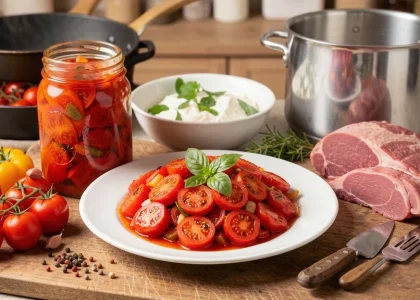
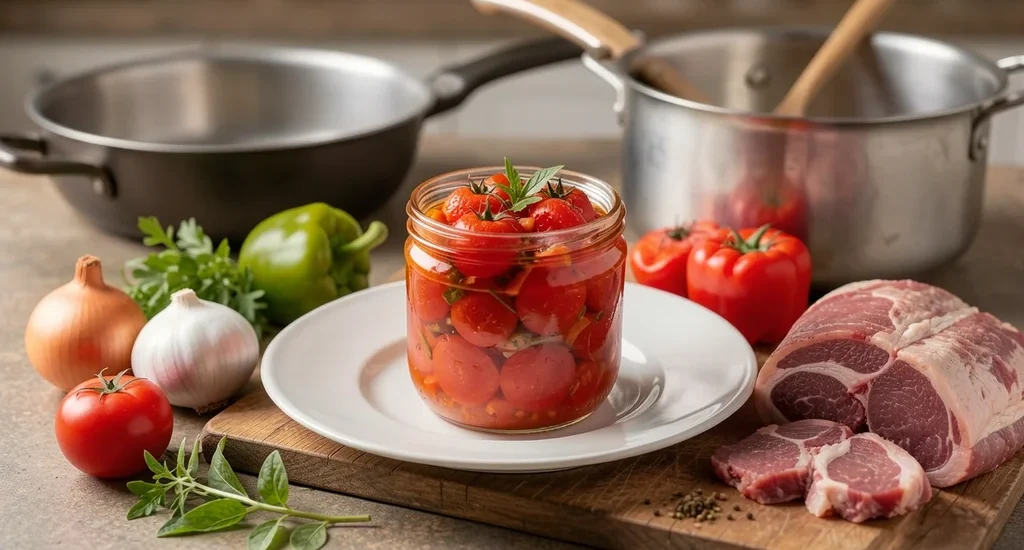
If you have a surplus of fresh tomatoes and want to enjoy their flavor all year round, learning how to preserve tomatoes in jars is a practical and rewarding skill. This method allows you to savor the taste of summer in soups, stews, and sauces long after the harvest season ends. Properly preserved tomatoes retain their color, texture, and nutritional value when done correctly.
You can preserve tomatoes in jars using water bath canning or pressure canning methods. Water bath canning works well for acidic tomatoes, while pressure canning is safer for low-acid varieties. Both methods ensure long shelf life and retain fresh flavor.
What You Need to Preserve Tomatoes in Jars
Before starting, gather all the necessary equipment and ingredients. Having everything ready will make the process smoother and more efficient.
You will need fresh, ripe tomatoes—preferably firm and free of bruises. Choose varieties like Roma, San Marzano, or any paste tomato for the best texture. Additionally, collect canning jars with lids and bands, a large water bath canner or pressure canner, a jar lifter, a canning funnel, a bubble remover or non-metallic spatula, and a large pot for blanching.
- Tomatoes: 20-25 pounds for a full canner load (about 7 quarts or 14 pints)
- Canning jars: Quart or pint-sized, with new lids and clean bands
- Canner: Water bath canner for high-acid tomatoes, pressure canner for low-acid varieties
- Utensils: Jar lifter, canning funnel, bubble remover, ladle, and clean towels
- Additives (optional): Bottled lemon juice or citric acid (to ensure safety), salt, herbs like basil or oregano
Important: Always use tested recipes from trusted sources like the USDA or National Center for Home Food Preservation to ensure safety. Improper canning can lead to spoilage or botulism risk.
Choosing the Right Tomatoes for Preserving
Not all tomatoes are created equal when it comes to preserving. The best tomatoes for canning are meaty, low-moisture varieties that hold their shape and texture during processing.
Roma tomatoes are a popular choice due to their thick flesh and low seed content. San Marzano tomatoes are another excellent option, especially for sauces, as they are sweet and less watery. Beefsteak tomatoes can be used but may require more preparation to remove excess liquid.
Cherry tomatoes are great for whole or halved canning but may require extra acidification.
| Tomato Variety | Best For | Texture | Acidity |
|---|---|---|---|
| Roma | Sauces, paste, whole | Meaty, low moisture | High |
| San Marzano | Sauces, purees | Thick, sweet | High |
| Beefsteak | Sliced, diced | Firm, juicy | Medium |
| Cherry | Whole, halved | Firm, round | High |
According to the National Center for Home Food Preservation, tomatoes with a pH below 4.6 are safe for water bath canning. Most standard tomato varieties fall into this category, but adding bottled lemon juice (1 tbsp per pint, 2 tbsp per quart) ensures safety, especially for less acidic heirloom varieties.
Preparing Tomatoes for Canning
Proper preparation is key to successful tomato preservation. This step ensures your tomatoes are clean, free of defects, and ready for safe canning.
Start by washing the tomatoes thoroughly under running water to remove dirt and debris. Remove any stems, leaves, or bruised spots. For whole or halved tomatoes, you may want to peel them first.
To peel, score an X on the bottom of each tomato, blanch in boiling water for 30-60 seconds, then immediately plunge into ice water. The skins should slip off easily.
- Wash: Rinse tomatoes under cold water and pat dry
- Sort: Remove any tomatoes with signs of spoilage or damage
- Peel (optional): Blanch, shock in ice water, then peel skins
- Core: Remove the stem and core from each tomato
- Cut: Leave whole, halve, or quarter depending on jar size and recipe
- Pre-cook (optional): For sauces or juices, cook tomatoes before canning
Tip: To reduce liquid in canned tomatoes, you can drain off some juice after packing jars but before adding processing liquid. This works well for recipes calling for tomato pieces rather than juice.
Step by Step Process for Water Bath Canning
Water bath canning is the most common method for preserving tomatoes in jars. It is suitable for high-acid tomatoes and recipes that include added acid.
This method involves submerging filled jars in boiling water to create a vacuum seal. It is essential to follow proper procedures to prevent contamination and ensure safety. The USDA recommends this method for tomatoes with added acid, as it kills mold, yeast, and some bacteria.
Step 1: Sterilize Jars and Lids
Wash jars and lids in hot, soapy water. Rinse well and keep jars hot until filling. You can sterilize jars by boiling them for 10 minutes or using the dishwasher’s sanitize cycle.
Lids should be simmered (not boiled) in hot water to soften the sealing compound.
Step 2: Prepare Tomatoes
Follow the preparation steps outlined earlier. For raw-pack tomatoes, pack prepared tomatoes into hot jars, leaving 1/2-inch headspace. For hot-pack, heat tomatoes in a pot until hot but not boiling, then pack into jars.
Step 3: Add Acid and Liquid
Add 1 tablespoon of bottled lemon juice or 1/4 teaspoon of citric acid per pint jar, 2 tablespoons of lemon juice or 1/2 teaspoon of citric acid per quart jar. For raw-pack, add hot water, leaving 1/2-inch headspace. For hot-pack, add hot cooking liquid or water.
Step 4: Remove Air Bubbles
Use a bubble remover or non-metallic spatula to gently press down the tomatoes and remove air bubbles. This step is crucial for preventing spoilage and ensuring a good seal.
Step 5: Wipe Rims and Apply Lids
Wipe the jar rims with a clean, damp cloth to remove any residue that could prevent a proper seal. Place the lid on the jar and screw the band on until fingertip-tight—do not overtighten.
Step 6: Process in Water Bath Canner
Place jars in the canner, ensuring they are covered by 1-2 inches of water. Bring to a rolling boil and process pints for 35 minutes, quarts for 45 minutes at altitudes up to 1,000 feet. Adjust processing time for higher altitudes.
| Altitude (feet) | Pints Processing Time | Quarts Processing Time |
|---|---|---|
| 0-1,000 | 35 minutes | 45 minutes |
| 1,001-3,000 | 40 minutes | 50 minutes |
| 3,001-6,000 | 45 minutes | 55 minutes |
| 6,001+ | 50 minutes | 60 minutes |
According to the USDA, these processing times ensure that all harmful bacteria are destroyed, making the tomatoes safe for long-term storage at room temperature.
Pressure Canning Method for Low-Acid Tomatoes
While most tomatoes are acidic enough for water bath canning, some varieties or recipes may require pressure canning for safety. This method is necessary when canning tomatoes without added acid or when combining tomatoes with low-acid ingredients like onions, peppers, or meat.
Pressure canning uses higher temperatures to destroy all bacteria, including Clostridium botulinum, which causes botulism. This method is essential for low-acid foods but can also be used for tomatoes to add an extra layer of safety.
Step 1: Prepare Jars and Tomatoes
Follow the same preparation steps as for water bath canning. Sterilize jars and prepare tomatoes by washing, peeling (if desired), and cutting as needed.
Step 2: Pack Jars
Pack tomatoes into hot jars, leaving 1-inch headspace for raw-pack or 1/2-inch for hot-pack. Add salt if desired (1/2 teaspoon per pint, 1 teaspoon per quart) but omit acid if using pressure canning.
Step 3: Add Liquid
For raw-pack, add hot water, leaving 1-inch headspace. For hot-pack, add hot cooking liquid or water, leaving 1/2-inch headspace.
Step 4: Remove Air Bubbles and Apply Lids
Use a bubble remover to eliminate air pockets. Wipe the jar rims and apply lids and bands, tightening to fingertip-tight.
Step 5: Process in Pressure Canner
Place jars in the pressure canner with 2-3 inches of hot water. Lock the lid and bring to a boil. Vent steam for 10 minutes, then close the vent and bring to the appropriate pressure for your altitude.
Process pints for 15 minutes and quarts for 20 minutes at 10 pounds of pressure for weighted gauges or 11 pounds for dial gauges (adjust for altitude).
| Altitude (feet) | Weighted Gauge (lbs) | Dial Gauge (lbs) |
|---|---|---|
| 0-2,000 | 10 | 11 |
| 2,001-4,000 | 15 | 12 |
| 4,001-6,000 | 15 | 13 |
| 6,001-8,000 | 15 | 14 |
Warning: Never use an oven, microwave, or open kettle method for canning tomatoes. These methods do not provide the necessary heat penetration to ensure safety and can result in spoiled or contaminated food.
Common Mistakes to Avoid When Preserving Tomatoes
Even experienced canners can make mistakes that compromise the safety and quality of their preserved tomatoes. Being aware of these common pitfalls can help you achieve the best results.
One of the most critical mistakes is not following tested recipes. Using untested methods or altering ingredient ratios can lead to unsafe products. Another common error is not adjusting processing times for altitude, which can result in under-processed jars that may spoil.
- Skipping the acid: Even high-acid tomatoes benefit from added lemon juice or citric acid to ensure safety, especially for heirloom varieties or when adding low-acid ingredients
- Overpacking jars: Leaving insufficient headspace can cause liquid to siphon out during processing, leading to improper seals
- Using damaged jars or lids: Cracks, chips, or rust on lids can prevent a proper seal and lead to spoilage
- Not removing air bubbles: Trapped air can cause discoloration and spoilage; always use a bubble remover
- Reusing lids: Canning lids are designed for one-time use; reusing them may result in failed seals
- Improper storage: Storing jars in a hot, humid, or sunny location can degrade the seals and reduce shelf life
- Ignoring signs of spoilage: Always check for bulging lids, leaks, or unusual odors before consuming canned tomatoes
The National Center for Home Food Preservation reports that most cases of home canning-related botulism are due to improper processing methods, particularly with low-acid foods. Following tested recipes and proper procedures significantly reduces this risk.
Creative Ways to Preserve Tomatoes in Jars
While whole or halved tomatoes are the most common ways to preserve this versatile fruit, there are many creative variations to try. These methods allow you to enjoy different tomato products throughout the year.
Experimenting with different preservation techniques can add variety to your pantry and make meal preparation more exciting. Each method offers unique flavors and textures suitable for different culinary uses.
- Tomato Sauce: Cook down tomatoes with herbs and seasonings to create a rich, concentrated sauce. Pressure can or water bath can with added acid.
- Tomato Juice: Extract juice from tomatoes and can it for use in soups, stews, or as a beverage. Add salt and acid for safety.
- Salsa: Combine tomatoes with onions, peppers, and spices to create flavorful salsas. Always use a tested recipe for proper acid balance.
- Tomato Paste: Cook tomatoes down to a thick paste and can in small jars. Use for cooking, sauces, or as a base for other dishes.
- Diced Tomatoes: Chop tomatoes into uniform pieces and can with or without added liquid. Great for recipes calling for diced tomatoes.
- Tomato Jam: Cook tomatoes with sugar, vinegar, and spices to create a sweet-spicy spread. Water bath can for 20 minutes (pints).
- Sun-Dried Tomatoes in Oil: Partially dry tomatoes, then pack in jars with olive oil and herbs. Requires special care to prevent botulism; store in the refrigerator.
Important: For oil-packed tomatoes (like sun-dried tomatoes in oil), it is crucial to use proper acidification and refrigeration to prevent botulism. The USDA recommends adding sufficient acid to bring the pH below 4.6 and storing these products in the refrigerator for up to 1 month or freezing for longer storage.
Storing and Using Your Canned Tomatoes
Proper storage is essential to maintain the quality and safety of your canned tomatoes. Even the best canning practices can be undone by improper storage conditions.
Store your sealed jars in a cool, dark, dry place, such as a pantry or cellar. The ideal temperature range is between 50-70°F (10-21°C). Avoid storing jars in direct sunlight, near heat sources, or in damp areas, as these conditions can degrade the seals and promote spoilage.
- Shelf Life: Properly canned tomatoes have a shelf life of 12-18 months. While they remain safe to eat beyond this time, quality may decline.
- Checking Seals: After 12-24 hours, check that lids have sealed (they should not pop when pressed). Refrigerate and use any unsealed jars within a week.
- Labeling: Always label your jars with the contents and date of canning. This helps with rotation and ensures you use the oldest jars first.
- Rotation: Practice “first in, first out” to ensure you use your canned goods within their optimal quality period.
- Using Canned Tomatoes: Use in soups, stews, sauces, casseroles, or any recipe calling for tomatoes. Drain and rinse if you need tomato pieces without liquid.
According to the University of Georgia Extension, properly canned and stored tomatoes retain most of their nutritional value, including vitamins A and C, for up to a year. However, some nutrient loss does occur over time, so it’s best to use your canned goods within the recommended timeframe.
Frequently Asked Questions
Do I need to add lemon juice when canning tomatoes?
Yes, adding bottled lemon juice or citric acid is recommended to ensure the tomatoes’ acidity is high enough for safe water bath canning. This is especially important for heirloom or low-acid varieties. Use 1 tablespoon of lemon juice per pint or 2 tablespoons per quart jar.
Can I can tomatoes without peeling them?
Yes, you can can tomatoes without peeling, but the skins may become tough during storage. Peeling is recommended for a better texture, especially in recipes where the tomatoes will be used as a main ingredient. For sauces or juices, peeling is less critical.
How long do canned tomatoes last?
Properly canned and stored tomatoes typically last 12-18 months with the best quality. They remain safe to eat beyond this time, but the flavor, color, and texture may degrade. For the best results, use within a year.
Can I reuse canning lids?
No, canning lids are designed for one-time use. The sealing compound on used lids may not provide an airtight seal, leading to spoilage. Always use new lids for each canning session.
Bands can be reused if they are in good condition.
What should I do if a jar doesn’t seal?
If a jar doesn’t seal after 24 hours, you can reprocess it with a new lid within 24 hours of the initial processing. Alternatively, refrigerate the jar and use the contents within a week, or freeze for up to 3 months. Never store unsealed jars at room temperature.
Final Thoughts
Preserving tomatoes in jars is a time-honored tradition that allows you to enjoy the taste of summer all year long. By following proper techniques for preparation, canning, and storage, you can create safe, delicious, and versatile products for your pantry. Whether you choose water bath or pressure canning, the key is to always follow tested recipes and procedures to ensure safety and quality.
Experiment with different varieties and methods to find your favorites, and enjoy the satisfaction of providing your own preserved food for your family.