Last Updated on October 22, 2026 by D. Ruddy
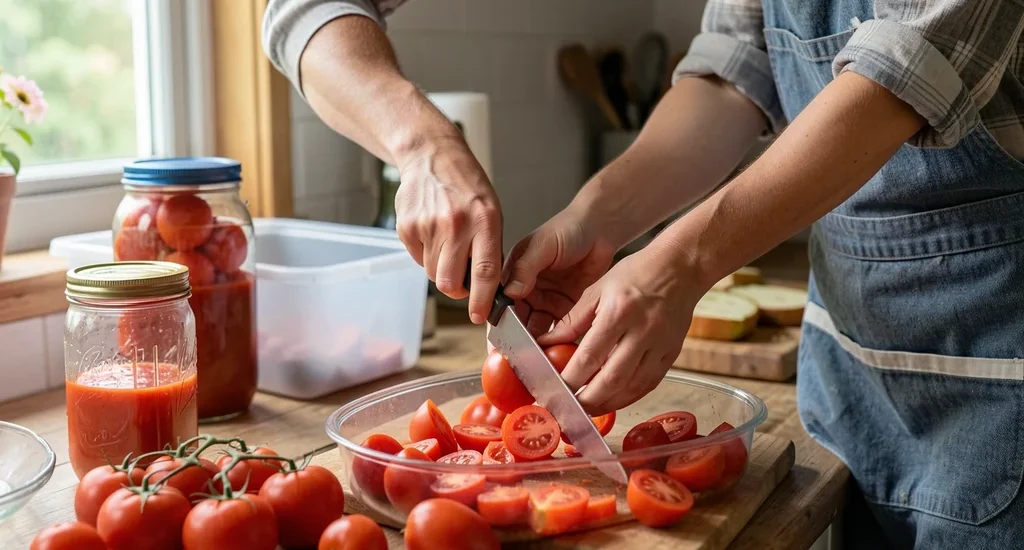
Preserving your garden’s tomato harvest doesn’t have to be complicated. How to freeze tomatoes from garden is a simple process that locks in fresh flavor for sauces, soups, and stews all year. Freezing works especially well for tomatoes you won’t use immediately, saving you time and reducing food waste.
This method requires no special equipment—just a little prep and freezer space.
You can freeze whole, sliced, or crushed garden tomatoes without blanching. The best approach depends on how you plan to use them later. Frozen tomatoes work perfectly for cooked dishes but lose texture for fresh eating.
What You Need to Get Started
Freezing garden tomatoes is straightforward, but having the right tools makes it even easier. You’ll need fresh, ripe tomatoes at their peak—underripe ones turn mushy when thawed. Gather a sharp knife, cutting board, large pot for blanching (optional), ice water bath, colander, and freezer-safe containers or bags.
For best results, use airtight containers to prevent freezer burn. Quart-sized freezer bags work well for most recipes, while silicone molds or ice cube trays are great for portioning tomato paste or purée. Label everything with the date so you can track freshness.
- Fresh, ripe garden tomatoes (Roma, beefsteak, or cherry varieties all work)
- Sharp chef’s knife and cutting board
- Large pot for boiling water (if blanching)
- Bowl of ice water for cooling
- Colander or strainer
- Freezer-safe bags, containers, or silicone molds
- Permanent marker for labeling
- Optional: parchment paper, vacuum sealer, or citrus juice (to prevent browning)
Tip: If your tomatoes have thick skins (like beefsteaks), blanching for 30-60 seconds makes peeling easier. This step isn’t required but helps with texture in some recipes.
Preparing Tomatoes for Freezing
Proper prep ensures your frozen tomatoes stay flavorful and safe. Start by washing them thoroughly under cool running water to remove dirt, pesticides, or garden debris. Pat them dry with a clean towel—excess moisture can lead to ice crystals and freezer burn.
Next, remove stems and any blemishes. For whole tomatoes, you can freeze them as-is, but coring them first prevents tough bits in your dishes later. If you plan to use the tomatoes in sauces or salsas, consider chopping or crushing them before freezing to save time when cooking.
- Wash and dry tomatoes to remove dirt and moisture
- Core and trim stems, leaves, and any damaged spots
- Decide on form: whole, halved, sliced, diced, or crushed
- Optional: blanch for 30-60 seconds if peeling is desired
- Cool quickly in ice water if blanched, then drain well
| Prep Method | Best For | Shelf Life |
|---|---|---|
| Whole, unpeeled | Sauces, soups, stews | 8-12 months |
| Peeled and cored | Salsas, canned sauces | 10-12 months |
| Crushed or puréed | Pasta sauce, chili, curries | 12 months |
| Sliced or diced | Casseroles, lasagna, stir-fries | 8-10 months |
Prepping tomatoes properly prevents freezer burn and preserves flavor. Roma tomatoes are ideal for sauces due to their low water content, while cherry tomatoes freeze well whole for tossing into roasts or pasta dishes.
Step by Step Freezing Methods
There are several ways to freeze garden tomatoes, each suited to different uses. The simplest method is freezing whole tomatoes with skins on—just wash, dry, and pack. For dishes where texture matters (like salsas), peeling and chopping first gives better results.
Regardless of the method, the key is to remove as much air as possible from the storage container. Oxygen is the enemy of frozen foods, causing freezer burn and off flavors. Use the water displacement method for bags: submerge the bag (with tomatoes inside) in water to push out air before sealing.
Method 1: Whole Tomatoes (Easiest)
This is the quickest way to preserve tomatoes straight from your garden. Simply wash, dry, and pack whole tomatoes into freezer bags or containers. There’s no need to blanch or peel—just freeze as-is.
When you’re ready to use them, thaw and the skins will slip off easily.
- Wash and dry tomatoes thoroughly
- Remove stems and core if desired (optional)
- Place tomatoes in a single layer on a baking sheet (optional, for individual freezing)
- Transfer to freezer bags, removing as much air as possible
- Label with the date and freeze flat to save space
Important: If freezing whole tomatoes without pre-freezing on a tray, they may clump together. For easy portioning, freeze them in a single layer first, then transfer to bags.
Method 2: Peeled and Chopped
For recipes where you want smooth sauces or even texture, peeling and chopping before freezing is ideal. Blanching makes peeling effortless: score an “X” on the bottom of each tomato, boil for 30-60 seconds, then plunge into ice water. The skins will slip right off.
Once peeled, you can chop the tomatoes into halves, quarters, or dice, depending on your needs. Pack them into containers with a little headspace (about ½ inch) to allow for expansion during freezing.
- Score tomatoes with an “X” on the bottom
- Blanch in boiling water for 30-60 seconds
- Cool in ice water, then peel off skins
- Core and chop as desired
- Pack into containers, leaving ½ inch headspace
- Add a squeeze of lemon juice to preserve color (optional)
Method 3: Crushed or Puréed
Freezing tomatoes in crushed or puréed form is perfect for sauces, soups, and stews. This method saves space and makes it easy to add tomatoes directly to recipes without thawing. Simply blend or crush the tomatoes (peeled or unpeeled) and pour into freezer bags or ice cube trays for portioned use.
For a smoother texture, cook the tomatoes down first to reduce excess water. This intensifies the flavor and prevents icy sauces later. You can also mix in herbs like basil or oregano before freezing for added flavor.
- Wash, core, and chop tomatoes
- Optional: blanch and peel for smoother texture
- Blend or crush to desired consistency
- Cook down on the stove to reduce liquid (optional)
- Cool completely before freezing
- Pour into bags or containers, leaving room for expansion
| Method | Prep Time | Best Uses | Texture After Thawing |
|---|---|---|---|
| Whole, unpeeled | 5 minutes | Sauces, soups | Soft, skins slip off |
| Peeled and chopped | 15-20 minutes | Salsas, chili | Smooth, consistent |
| Crushed/puréed | 10-15 minutes | Pasta sauce, curries | Smooth, liquid |
Freezing Tomatoes Without Blanching
Blanching isn’t strictly necessary for freezing garden tomatoes, especially if you’re using them in cooked dishes later. The skins will soften during freezing and can be removed after thawing if needed. This no-blanch method saves time and works well for most home cooks.
However, there are a few trade-offs to consider. Unblanched tomatoes may have slightly tougher skins, and their texture can be less consistent. For recipes where appearance matters (like fresh salsa), peeling before freezing is still recommended.
But for soups, stews, and sauces, skipping the blanching step is a perfectly valid shortcut.
- Pros of no-blanch freezing:
- Faster and simpler process
- Retains more nutrients (minimal heat exposure)
- Works well for cooked dishes
- No extra pots or ice baths needed
- Cons of no-blanch freezing:
- Skins may remain on tomatoes after thawing
- Texture can be slightly less uniform
- Not ideal for recipes requiring peeled tomatoes
Warning: Never freeze tomatoes in glass jars unless they’re specifically labeled as freezer-safe. Regular glass can crack or shatter due to expansion during freezing.
Best Tomato Varieties for Freezing
Not all tomatoes freeze equally well. The best varieties for freezing are those with thick flesh and low water content, as they hold up better during thawing. Roma (or plum) tomatoes are the gold standard for sauces due to their meaty texture and rich flavor.
San Marzano tomatoes, a type of Roma, are especially prized for their sweet, low-acid profile.
Beefsteak tomatoes work well for slicing or chopping before freezing, while cherry and grape tomatoes can be frozen whole for easy use in roasts or pasta dishes. Heirloom tomatoes, with their vibrant colors and complex flavors, also freeze beautifully—though their thin skins may require peeling for some recipes.
| Tomato Type | Flavor Profile | Best Freezing Method | Ideal For |
|---|---|---|---|
| Roma | Rich, sweet, low acid | Crushed or puréed | Pasta sauce, pizza sauce |
| San Marzano | Sweet, meaty, less seedy | Peeled and whole | Gourmet sauces, canning |
| Beefsteak | Mild, juicy | Sliced or diced | Sandwiches, burgers, casseroles |
| Cherry/Grape | Sweet, tangy | Whole or halved | Roasts, salads, pasta |
| Heirloom | Complex, fruity, vibrant | Peeled and chopped | Salsas, bruschetta, gourmet dishes |
According to the National Garden Bureau, Roma tomatoes account for over 60% of home-grown tomatoes used for preserving due to their ideal texture and flavor concentration. If you’re growing tomatoes specifically for freezing, prioritize these varieties for the best results.
Common Mistakes to Avoid
Even with a simple process like freezing tomatoes, a few missteps can lead to disappointment. One of the biggest mistakes is not removing enough air from freezer bags. Oxygen causes freezer burn, which turns tomatoes mushy and gives them an off flavor.
Always press out as much air as possible before sealing.
Another common error is overfilling containers. Tomatoes expand as they freeze, so leaving at least ½ inch of headspace prevents containers from cracking or bags from bursting. Also, avoid freezing tomatoes that are overripe or starting to spoil—this accelerates deterioration in the freezer.
- Not washing tomatoes thoroughly
Dirt and bacteria on unwashed tomatoes can lead to spoilage. Always wash and dry tomatoes before freezing, even if they look clean.
- Skipping the drying step
Excess moisture on tomatoes turns into ice crystals, causing clumping and freezer burn. Pat them completely dry before packing.
- Using non-freezer-safe containers
Thin plastic bags or regular glass jars can break in the freezer. Use heavy-duty freezer bags or containers rated for freezing.
- Freezing tomatoes in large chunks
Big pieces take longer to thaw and may not cook evenly. For best results, chop tomatoes into uniform sizes before freezing.
- Forgetting to label
Without labels, it’s easy to forget what’s in your freezer or how long it’s been there. Always label bags with the contents and date.
Important: If your tomatoes develop ice crystals or freezer burn, they’re still safe to eat but may have a blander taste. Use them in cooked dishes where their texture isn’t critical.
How to Thaw and Use Frozen Tomatoes
Thawing frozen tomatoes is just as important as freezing them properly. The best method depends on how you plan to use them. For sauces, soups, or stews, you can often add frozen tomatoes directly to the pot—they’ll thaw quickly as they cook.
For recipes where texture matters more, like salsas or bruschetta, thawing in the refrigerator overnight is ideal.
Never thaw tomatoes at room temperature for more than 2 hours, as this can promote bacterial growth. If you’re in a hurry, you can thaw them in a bowl of cold water (changing the water every 30 minutes) or in the microwave using the defrost setting. Just be sure to use them immediately after thawing.
- For sauces and soups: Add frozen tomatoes directly to the pot. They’ll break down as they cook, releasing their juices.
- For salsas or dips: Thaw in the refrigerator overnight, then drain excess liquid if needed.
- For baking (e.g., lasagna): Thaw and drain tomatoes to remove excess moisture before layering.
- For stir-fries: Use frozen diced tomatoes directly—no need to thaw first.
- For purées: Thaw in the fridge, then blend again if the texture has separated.
| Thawing Method | Time Required | Best For |
|---|---|---|
| Refrigerator | 8-12 hours | Salsas, dips, baked dishes |
| Cold water bath | 1-2 hours | Quick recipes, last-minute use |
| Microwave (defrost) | 5-10 minutes | Small batches, immediate cooking |
| Cook from frozen | 0 minutes | Sauces, soups, stews |
According to the USDA, frozen tomatoes retain their nutritional value for up to 12 months, though they’re best used within 8-10 months for peak flavor. Once thawed, use tomatoes within 3-5 days for the best quality.
Storing Frozen Tomatoes for Long-Term Use
Proper storage is key to keeping your frozen garden tomatoes tasting fresh for months. The ideal freezer temperature is 0°F (-18°C) or lower. At this temperature, tomatoes can last for 10-12 months without significant loss of quality.
However, for the best flavor, aim to use them within 8 months.
Organization matters, too. Store tomatoes in a single layer initially (if using bags) to prevent clumping, then stack them flat to save space. Keep them away from the freezer door, where temperature fluctuations are more common.
If you’re freezing a large batch, consider portioning them into recipe-sized amounts (e.g., 1-cup or 2-cup portions) for easy use later.
- Short-term storage (up to 3 months):
- Freezer bags with most air removed
- Plastic containers with tight-fitting lids
- Long-term storage (3-12 months):
- Vacuum-sealed bags (removes all air)
- Heavy-duty freezer bags with double sealing
- Glass jars specifically rated for freezing
Tip: If you have a chest freezer, store tomatoes at the back where temperatures are most consistent. For upright freezers, place them on the bottom shelf.
Frequently Asked Questions
Can you freeze tomatoes without blanching?
Yes, you can freeze tomatoes without blanching. The skins may remain on after thawing, but they’ll soften and can be removed easily. This method works well for cooked dishes like sauces, soups, and stews where texture isn’t a concern.
Do frozen tomatoes lose their flavor?
Frozen tomatoes retain most of their flavor, especially if they’re frozen at peak ripeness. However, their texture changes significantly—they become soft and mushy, which is why they’re best for cooked dishes rather than fresh eating. For the best flavor, use them within 8-10 months.
How do you prevent freezer burn on tomatoes?
To prevent freezer burn, remove as much air as possible from storage containers. Use freezer-safe bags or containers, and consider vacuum sealing for long-term storage. Leaving ½ inch of headspace in containers also helps, as it allows for expansion without exposing tomatoes to too much air.
Can you freeze cherry tomatoes whole?
Yes, cherry tomatoes can be frozen whole without any prep. Simply wash, dry, and pack them into freezer bags. Because of their small size, they thaw quickly and work well in roasts, pasta dishes, or as a topping for pizzas.
Their skins may wrinkle slightly after freezing, but this doesn’t affect their taste.
What’s the best way to use frozen tomatoes in recipes?
The best way to use frozen tomatoes depends on the recipe. For sauces, soups, or stews, add them directly to the pot while still frozen—they’ll thaw and break down as they cook. For salsas or dips, thaw them in the refrigerator first and drain any excess liquid.
Frozen tomatoes work best in dishes where they’ll be cooked, as their texture changes significantly after freezing.
Final Thoughts
Freezing tomatoes from your garden is a simple, rewarding way to preserve your harvest and enjoy summer flavors year-round. Whether you choose to freeze them whole, peeled, or crushed, the key is proper prep and storage to maintain quality. Remember to wash, dry, and pack tomatoes carefully, and always label your containers for easy tracking.
With these methods, you’ll never have to waste a surplus of garden tomatoes again. Experiment with different varieties and freezing techniques to find what works best for your favorite recipes.