Last Updated on October 22, 2026 by D. Ruddy
Preserving the summer harvest doesn’t have to be complicated. Freezing tomatoes is one of the easiest ways to save their fresh flavor for soups, sauces, and stews later in the year. Unlike canning, this method requires no special equipment and keeps nutrients intact.
Whether you have a surplus from your garden or found a great deal at the farmers market, freezing is a simple solution that works for any tomato variety.
You can freeze tomatoes whole, sliced, or as sauce with minimal prep. The best approach depends on how you plan to use them later but blanching first helps preserve texture.
Why Freezing Tomatoes Works Better Than You Think
Many home cooks assume frozen tomatoes turn mushy, but that’s only true if you skip the prep work. Freezing halts enzyme activity that causes spoilage, locking in peak ripeness. The USDA confirms that properly frozen tomatoes retain most of their nutritional value for up to 12 months.
What makes this method stand out is its flexibility. You can freeze tomatoes at their ripest—when they’re packed with natural sugars and acids—without worrying about the short shelf life of fresh produce. According to the National Center for Home Food Preservation, frozen tomatoes work perfectly in cooked dishes where texture isn’t critical.
Key benefits of freezing over other preservation methods:
- No added preservatives – Just pure tomato goodness
- Quick process – Ready in under 30 minutes for most methods
- Space efficient – Takes up less room than canned jars
- Versatile – Works for cherry tomatoes, beefsteaks, or heirlooms
- Cost effective – Uses equipment you already own
Tip: For best results, use tomatoes at peak ripeness. Underripe tomatoes develop a mealy texture when frozen, while overripe ones may lose too much liquid.
Choosing the Right Tomatoes for Freezing
Not all tomatoes freeze equally well. The best candidates have thick flesh and low water content. Roma and San Marzano varieties are ideal because their meaty texture holds up better.
Cherry and grape tomatoes freeze well whole, while larger varieties benefit from peeling first.
According to a study by the University of California Agriculture & Natural Resources, paste tomatoes retain their structure better than slicing tomatoes during freezing. However, even juicy heirlooms can be frozen successfully with the right technique.
| Tomato Type | Best For | Freezing Method | Texture After Thawing |
|---|---|---|---|
| Roma | Sauces, paste | Peeled, whole | Firm |
| San Marzano | Canning, sauces | Peeled, crushed | Very firm |
| Cherry | Snacks, salads | Whole, halved | Soft but intact |
| Beefsteak | Stews, casseroles | Sliced, peeled | Moderately soft |
| Heirloom | Soups, sauces | Peeled, crushed | Soft |
For the best results, pick tomatoes that are fully ripe but not overripe. Look for firm fruit with vibrant color and no signs of spoilage. Organic tomatoes often freeze better because they typically have thicker skins.
Essential Tools for Freezing Tomatoes at Home
You don’t need fancy equipment to start freezing tomatoes, but having the right tools makes the process smoother. The most important items are things you likely already have in your kitchen.
A large pot for blanching, a bowl of ice water, and a sharp knife are the basics. For peeling, a slotted spoon helps transfer tomatoes between hot and cold water. Freezer-safe containers or bags are essential for storage, and a vacuum sealer can extend shelf life even further.
- Large pot – For blanching tomatoes (at least 8 quarts)
- Ice bath setup – Large bowl with ice and water
- Sharp paring knife – For coring and slicing
- Slotted spoon – To move tomatoes between hot and cold water
- Baking sheets – For initial freezing (prevents clumping)
- Freezer bags or containers – Airtight storage is key
- Vacuum sealer (optional) – Removes air for longer storage
- Kitchen scale – For portioning (helpful but not required)
Important: Always use food-grade freezer bags or containers. Regular plastic bags aren’t thick enough to prevent freezer burn. Glass jars can crack in extreme cold, so avoid them unless specifically designed for freezing.
If you plan to freeze large quantities regularly, consider investing in silicone molds for portion control or a food mill for making sauce before freezing. These aren’t necessary for beginners but can streamline the process.
Step by Step How to Freeze Whole Tomatoes
Freezing whole tomatoes is the simplest method and works best for sauces and stews where you’ll cook them down later. The process involves just a few key steps to maintain quality.
Step 1: Prepare Your Tomatoes
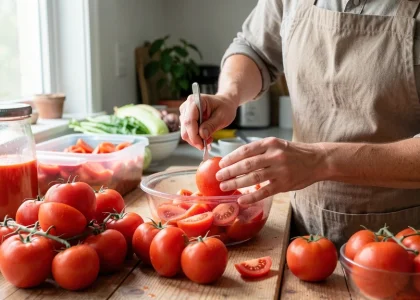
Start by selecting ripe, unblemished tomatoes. Wash them thoroughly under cool running water to remove any dirt or pesticides. Pat them dry with a clean towel—excess moisture can lead to ice crystals and freezer burn.
Remove the stems and any damaged spots. For best results, core the tomatoes using a small knife or a tomato corer. This prevents the core from becoming tough during freezing.
Step 2: Blanching (Optional but Recommended)
While you can freeze tomatoes without blanching, this step helps preserve color and texture. Bring a large pot of water to a rolling boil. Prepare an ice bath by filling a large bowl with ice and water.
Using a sharp knife, cut a small “X” on the bottom of each tomato. This makes peeling easier after blanching. Carefully lower the tomatoes into the boiling water for 30-60 seconds, depending on size.
Smaller tomatoes need less time.
Step 3: Cool and Peel
Immediately transfer the tomatoes to the ice bath using a slotted spoon. Let them cool for 2-3 minutes until completely chilled. The skins should start to loosen at the X mark.
Peel the tomatoes by gently pulling the skin away from the X. If it doesn’t come off easily, the tomato may need a few more seconds in the boiling water. Don’t worry if some skin remains—it’s edible and won’t affect flavor.
Step 4: Freeze Individually
Arrange the peeled tomatoes on a baking sheet lined with parchment paper, leaving space between each one. This prevents them from freezing together in a solid block. Place the sheet in the freezer until the tomatoes are completely frozen, usually 2-4 hours.
This initial freezing step is called “tray freezing” and makes it easier to portion the tomatoes later. Without this, you’d have to thaw the entire batch to use just a few.
Step 5: Package for Storage
Once frozen solid, transfer the tomatoes to freezer bags or airtight containers. Remove as much air as possible to prevent freezer burn. Label the containers with the date and variety if you’re freezing multiple types.
For vacuum sealers, freeze the tomatoes on the tray first, then seal. This prevents the machine from crushing the tomatoes during the sealing process.
Warning: Never freeze tomatoes in glass jars unless they’re specifically designed for freezing. Regular jars can crack from the expansion of liquid as it freezes.
Alternative Freezing Methods for Different Uses
While whole tomatoes work for many recipes, different preparations suit different dishes. Here are the most effective methods for various culinary uses.
Freezing Tomato Sauce
For a ready-to-use base, cook tomatoes into sauce before freezing. This method saves time later and works well for pasta, pizza, or soups. Simmer peeled tomatoes with a bit of salt and herbs until thickened, then cool completely before freezing.
Portion the sauce into meal-sized containers. Ice cube trays work well for small portions—once frozen, transfer the cubes to a bag for easy single-serving use.
Freezing Tomato Juice
Tomato juice freezes beautifully and is perfect for Bloody Marys or cooking. Extract juice by blending tomatoes and straining through a fine-mesh sieve. Pour the juice into freezer-safe containers, leaving an inch of headspace for expansion.
For easier use, freeze juice in ice cube trays, then store the cubes in a bag. Each cube is typically about 2 tablespoons, making it easy to measure for recipes.
Freezing Diced Tomatoes
Diced tomatoes are convenient for salsas, chilis, and casseroles. Start by peeling and coring the tomatoes, then chop them into uniform pieces. Spread the diced tomatoes on a tray to freeze individually before packaging.
Consider adding a bit of lemon juice or citric acid to preserve color. The acid helps prevent browning during freezing, though it doesn’t affect flavor.
Freezing Tomato Paste
Store-bought tomato paste often comes in larger cans than needed for recipes. Freeze leftover paste in small portions to avoid waste. Spoon the paste into ice cube trays, cover with plastic wrap, and freeze.
Once frozen, transfer the cubes to a bag. Each cube is about 2 tablespoons, perfect for recipes calling for small amounts of paste.
| Method | Best For | Prep Time | Storage Life |
|---|---|---|---|
| Whole | Sauces, stews | 30 minutes | 12 months |
| Sauce | Pasta, pizza | 45 minutes | 12 months |
| Diced | Salsas, chilis | 20 minutes | 10 months |
| Juice | Drinks, cooking | 15 minutes | 12 months |
| Paste | Recipes, flavor boost | 5 minutes | 12 months |
Common Mistakes to Avoid When Freezing Tomatoes
Even with the best intentions, small errors can affect the quality of your frozen tomatoes. Being aware of these pitfalls helps ensure your preserved tomatoes taste as fresh as possible when thawed.
The most common issue is not removing enough air from the storage container. Oxygen is the enemy of frozen foods, causing freezer burn and off flavors. Always press out excess air from bags or use a vacuum sealer.
- Skipping the blanching step – Leads to tougher skins and more liquid loss
- Overpacking containers – Tomatoes expand when frozen; leave headspace
- Using underripe tomatoes – Results in mealy texture and bland flavor
- Freezing in large blocks – Makes it hard to portion later; always freeze individually first
- Not labeling containers – You’ll forget what’s inside or when it was frozen
- Using non-freezer-safe containers – Regular plastic can crack or allow freezer burn
- Thawing at room temperature – Can lead to mushy texture; thaw in the fridge overnight
Tip: To test if your container is freezer-safe, fill it with water and freeze overnight. If it cracks or warps, don’t use it for food storage.
Another frequent mistake is not cooling tomatoes completely before freezing. Adding warm tomatoes to the freezer raises the temperature of nearby foods, potentially causing partial thawing. Always let cooked tomato products cool to room temperature first.
How to Thaw Frozen Tomatoes Properly
Thawing tomatoes correctly is just as important as freezing them properly. The method you choose affects texture and flavor, so match it to your intended use.
For cooked dishes like soups or sauces, you can add frozen tomatoes directly to the pot. The cooking process will break them down anyway. However, for recipes where texture matters, proper thawing is essential.
- Refrigerator thawing – Transfer tomatoes from freezer to fridge 6-8 hours before use. This is the safest method and preserves texture best. The tomatoes will release liquid, which you can drain or use in cooking.
- Cold water bath – Place sealed tomatoes in a bowl of cold water, changing the water every 30 minutes. This method takes 1-2 hours for whole tomatoes. Never use warm water, as it can start cooking the tomatoes unevenly.
- Microwave thawing – Use the defrost setting for quick thawing, but be careful. Microwaves can start cooking the tomatoes, leading to mushy spots. This method works best for small portions.
- Direct cooking – Add frozen tomatoes directly to hot dishes. This works well for stews, sauces, or any recipe where the tomatoes will cook for at least 10-15 minutes.
| Thawing Method | Time Required | Best For | Texture Result |
|---|---|---|---|
| Refrigerator | 6-8 hours | Salads, salsas | Best preserved |
| Cold water | 1-2 hours | Quick meals | Good |
| Microwave | 5-10 minutes | Small portions | Moderate |
| Direct cooking | 10-15 minutes | Stews, sauces | Not applicable |
Remember that thawed tomatoes will be softer than fresh ones. This is normal and doesn’t indicate spoilage. The liquid released during thawing is packed with flavor and can be used in cooking or drinks.
Creative Ways to Use Frozen Tomatoes
Frozen tomatoes are incredibly versatile in the kitchen. Their concentrated flavor makes them perfect for cooked dishes, and they can often substitute for fresh tomatoes in recipes where texture isn’t critical.
The most obvious use is in tomato-based sauces for pasta, pizza, or lasagna. Frozen tomatoes break down beautifully during cooking, releasing their juices to create rich, flavorful sauces. They’re also excellent in soups, where they add depth without the need for long simmering.
- Homemade ketchup – Simmer frozen tomatoes with vinegar, sugar, and spices
- Bloody Mary mix – Blend thawed tomato juice with seasonings
- Shakshuka – Use in the North African egg dish for intense flavor
- Tomato jam – Cook down with sugar and spices for a sweet-savory spread
- Braised dishes – Add to meats like chicken or pork for moisture and flavor
- Vegetable stock – Enhance homemade stock with tomato depth
- Chutneys and relishes – Combine with other ingredients for complex flavors
Important: When substituting frozen tomatoes for fresh in recipes, remember they’ll release more liquid. You may need to adjust cooking times or thicken the final dish with a roux or cornstarch slurry.
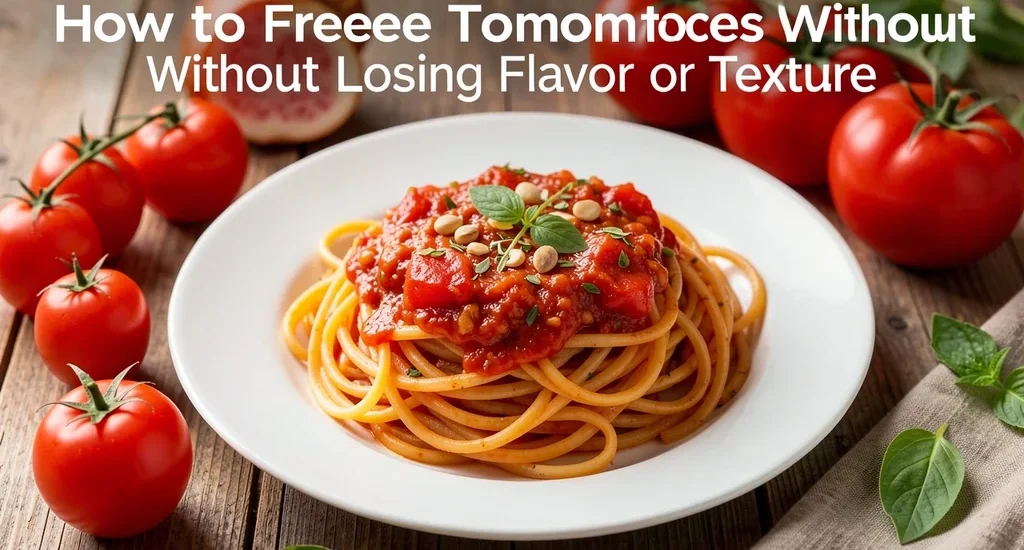
For a quick pasta sauce, simply thaw tomatoes, blend until smooth, and cook with garlic, olive oil, and herbs. The flavor will be more intense than store-bought sauce, with no additives or preservatives.
Frequently Asked Questions
Can you freeze tomatoes without blanching?
Yes, you can freeze tomatoes without blanching, but the skins may be tougher and the texture slightly less consistent. Blanching helps preserve color and makes peeling easier. For sauces or dishes where you’ll cook the tomatoes down, skipping the blanching step is fine.
However, for the best quality, especially with larger tomatoes, blanching is recommended.
How long do frozen tomatoes last?
Properly frozen tomatoes maintain best quality for 10-12 months. They remain safe to eat indefinitely at 0°F (-18°C), but flavor and texture degrade after a year. For optimal results, use them within 8-10 months.
Always label your containers with the date to keep track of storage time.
Do frozen tomatoes lose their nutritional value?
Frozen tomatoes retain most of their nutritional value. According to the USDA, freezing preserves vitamin C and other nutrients effectively. In some cases, frozen tomatoes may even have higher lycopene levels than fresh because the freezing process makes this antioxidant more bioavailable.
The main loss is in texture, not nutrition.
Why do my frozen tomatoes turn mushy?
Tomatoes turn mushy after freezing because their cell walls break down during the process. This is normal and doesn’t affect flavor or safety. The texture change is more noticeable in watery varieties.
To minimize mushiness, choose meatier tomatoes, blanch before freezing, and thaw slowly in the refrigerator. Remember, frozen tomatoes are best for cooked dishes rather than fresh applications.
Can you freeze tomatoes with the skin on?
Yes, you can freeze tomatoes with the skin on, especially if you’re using them in sauces or dishes where texture isn’t important. The skin softens during freezing and cooking, so it’s usually not noticeable in the final dish. However, for recipes where you want a smoother texture, peeling before freezing is better.
Cherry tomatoes can be frozen whole with skins on without issues.
Final Thoughts
Freezing tomatoes is one of the simplest ways to preserve summer’s bounty for year-round enjoyment. With minimal equipment and effort, you can save that fresh tomato flavor for sauces, soups, and stews whenever you need it. Remember to choose ripe tomatoes, blanch for best texture, and store properly to prevent freezer burn.
Whether you have a garden surplus or want to take advantage of seasonal prices, this method offers flexibility and convenience without sacrificing quality.