Last Updated on October 11, 2026 by D. Ruddy
Caring for newly overseeded grass requires a delicate balance of moisture, protection, and patience during the critical fall season. This period is vital because young seedlings are fragile and easily damaged by foot traffic, drought, or improper mowing techniques.
Simply put, keep the top inch of soil consistently moist but not soggy, avoid walking on the area until the grass reaches three inches tall, and wait to mow until the blades hit that same height. Protecting these tender shoots ensures they establish strong roots before winter dormancy sets in.
Key Takeaways
- Newly overseeded grass needs frequent, light watering rather than deep, infrequent soaking to encourage root growth without washing away seeds.
- Avoid all foot traffic and heavy equipment use on the lawn until the new turf has firmly rooted and reached at least three inches in height.
- Hold off on fertilizing immediately after seeding; wait until the second or third mowing to apply a starter fertilizer rich in phosphorus.
- Mulching fallen leaves is acceptable only if done thinly; otherwise, bagging them prevents suffocation of the delicate seedlings underneath.
- Pest control should focus on preventive measures like keeping the area clean, as chemical treatments can harm vulnerable young plants.
What Is the Ideal Watering Schedule?
The most common mistake homeowners make when caring for newly overseeded grass is treating it like an established lawn. Mature lawns thrive on deep, weekly soakings, but new seeds require constant surface moisture to germinate and develop initial root hairs. If the top layer of soil dries out even briefly, the seedling will die, resulting in patchy coverage and wasted effort.
You need to water lightly several times a day instead of once heavily. The goal is to keep the top one to two inches of soil damp, similar to a wrung-out sponge. Overwatering leads to fungal diseases like damping-off, where rotting occurs at the base of the stem, while underwatering causes desiccation.
🍂 The Silent Lawn Killer: Damp Leaves Will Suffocate Your Grass
Trapped wet leaves create a breeding ground for destructive snow mold. Clear the yard fast with a high-power cordless blower before the ground freezes.
Finding this middle ground is essential for survival.
| Stage | Frequency | Duration per Session |
|---|---|---|
| Seeding to Germination (Days 1-14) | 2-3 times daily | 5-10 minutes each |
| Early Growth (Weeks 3-4) | 1-2 times daily | 10-15 minutes each |
| Establishment Phase (Weeks 5+) | Every other day | 20-30 minutes total |
This schedule adjusts based on weather conditions. Hot, windy days increase evaporation rates, requiring more frequent irrigation. Conversely, cool, rainy autumn spells may allow you to skip sessions entirely.
Always check the soil moisture manually by pressing your finger into the dirt near the seeded area before turning on sprinklers.
Tip: Install a simple rain gauge nearby. If natural rainfall provides at least half an inch of water, skip artificial irrigation for that cycle to prevent waterlogging and root rot.
How to Protect Seedlings from Foot Traffic
Young grass lacks the structural integrity to withstand pressure. Walking on newly overseeded grass compacts the soil around the tiny roots, restricting oxygen flow and physically breaking fragile stems. Even pets digging or playing in the yard can ruin weeks of progress in seconds.
Therefore, strict access control is non-negotiable during the establishment phase.
🍂 The Silent Lawn Killer: Damp Leaves Will Suffocate Your Grass
Trapped wet leaves create a breeding ground for destructive snow mold. Clear the yard fast with a high-power cordless blower before the ground freezes.
Use physical barriers to define the protected zone. Stakes with bright orange fencing tape create a visible perimeter that reminds family members and guests to stay out. Avoid using heavy mulch or rocks as borders initially, as they might obscure visibility or trap excess moisture against the plant crowns.
Light-colored plastic edging works best for clear demarcation.
- Install temporary signage stating “New Lawn – Please Stay Off” to inform visitors politely but firmly.
- Keep dogs leashed and supervised whenever they enter the yard, preventing accidental trampling or digging behavior.
- Schedule outdoor activities like sports or playdates in different areas of the property until the lawn is robust.
- Wear flat-soled shoes if you absolutely must walk through the area for maintenance tasks, distributing weight evenly.
- Avoid parking vehicles or placing heavy garden furniture on the new turf for at least eight weeks post-seeding.
- Teach children early about the importance of staying off growing plants to foster respect for the landscape.
- Consider installing motion-sensor lights if nighttime trespassing by animals becomes a recurring issue in your neighborhood.
According to the Turfgrass Science Program at Penn State Extension, soil compaction reduces pore space by up to 50%, severely limiting water infiltration and root penetration for young seedlings. By maintaining open, uncompacted soil structure, you ensure that nutrients and air reach the developing root system efficiently.
When Should You Start Mowing?
Timing your first cut is crucial for long-term health. Most experts recommend waiting until the grass reaches approximately three inches in height before mowing. Cutting too early stresses the plant, removing leaf mass needed for photosynthesis while the roots are still shallow and weak.
Letting the grass grow slightly taller helps shade the soil, reducing weed competition and retaining moisture.
🍂 The Silent Lawn Killer: Damp Leaves Will Suffocate Your Grass
Trapped wet leaves create a breeding ground for destructive snow mold. Clear the yard fast with a high-power cordless blower before the ground freezes.
For subsequent mows, follow the “one-third rule.” Never remove more than one-third of the blade length in a single session. For example, if the grass is four inches high, set the mower deck to cut down to roughly two-and-a-half inches. This gradual reduction minimizes shock and allows the plant to recover quickly.
Sharp mower blades are essential here; dull blades tear rather than slice, creating entry points for disease.
- Wait until the new grass stands uniformly at three inches tall across the entire overseeded area.
- Ensure the soil is dry enough to support the weight of the mower without leaving ruts or compacting mud.
- Set your mower deck to its highest setting initially, aiming to trim just above the two-inch mark.
- Mow slowly and overlap passes by ten percent to ensure even cutting without missing spots.
- Leave clippings on the lawn if they are fine and short, acting as natural nitrogen-rich mulch.
- If clippings are long or wet, bag them to prevent smothering the underlying turf and inviting fungus.
- Gradually lower the mower height over future cuts as the lawn thickens and establishes deeper roots.
Many homeowners worry about scalping their new lawn. However, modern rotary mowers are designed to handle uneven terrain reasonably well. If your yard has significant bumps, consider leveling the soil before seeding next time, but for now, careful navigation is key.
Adjust your speed and path to avoid dragging vegetation across bare patches.
What Are the Best Fertilization Practices?
Fertilizer promotes rapid vegetative growth, which can divert energy away from root development if applied incorrectly. During the initial weeks after seeding, avoid synthetic high-nitrogen fertilizers. Instead, rely on organic compost incorporated into the soil beforehand or a specialized starter fertilizer low in nitrogen but higher in phosphorus.
Phosphorus encourages strong root systems, which are critical for surviving winter cold snaps.
🍂 The Silent Lawn Killer: Damp Leaves Will Suffocate Your Grass
Trapped wet leaves create a breeding ground for destructive snow mold. Clear the yard fast with a high-power cordless blower before the ground freezes.
Apply fertilizer sparingly and evenly. Granular products offer better control than liquid concentrates for small residential plots. Spread according to package instructions, typically applying one pound of actual nitrogen per thousand square feet every six to eight weeks during active growth periods.
Over-fertilizing burns tender leaves and disrupts microbial activity in the rhizosphere, leading to yellowing or browning despite adequate watering.
| Nutrient | Role in Establishment | Recommended Timing |
|---|---|---|
| Phosphorus (P) | Stimulates root branching and depth | At seeding or within 2 weeks |
| Nitrogen (N) | Promotes leaf color and density | After second or third mow |
| Potassium (K) | Enhances stress tolerance and disease resistance | Mixed with N later in season |
| Calcium/Magnesium | Improves cell wall strength and nutrient uptake | If soil test indicates deficiency |
Conducting a soil test before planting saves money and resources. It reveals pH levels and existing nutrient reserves, allowing you to amend precisely where needed. Most cool-season grasses prefer a pH between 6.0 and 7.0.
Lime applications adjust acidity, while sulfur lowers alkalinity. Without testing, blind guessing often results in imbalanced nutrition that hinders performance.
Warning: Do not apply pre-emergent herbicides after overseeding. These chemicals inhibit cell division in germinating seeds, effectively killing your new grass along with weeds. Wait until spring for broadleaf weed control.
🍂 The Silent Lawn Killer: Damp Leaves Will Suffocate Your Grass
Trapped wet leaves create a breeding ground for destructive snow mold. Clear the yard fast with a high-power cordless blower before the ground freezes.
How Does Leaf Management Impact Health?
Fall brings abundant foliage, posing a unique challenge for newly overseeded grass. A thick blanket of leaves blocks sunlight, traps humidity, and creates ideal conditions for snow mold and brown patch fungi. While some mulching benefits mature lawns by returning organic matter, young seedlings cannot tolerate heavy debris loads.
Their limited photosynthetic capacity makes them susceptible to shading damage.
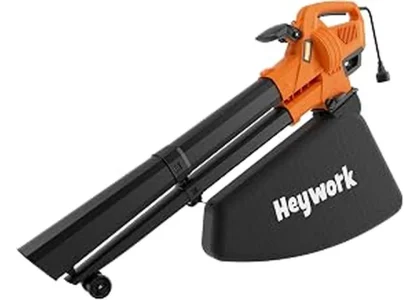
Regular raking or blowing keeps the canopy open. Aim to clear leaves before they accumulate more than half an inch in depth. Using a vacuum-style leaf blower collects material efficiently without disturbing loose seeds.
Alternatively, run a mower over thin layers of chopped-up leaves, ensuring pieces remain smaller than one inch. Larger fragments mat together, forming impermeable barriers that suffocate roots.
- Rake gently to avoid pulling out unrooted seeds or damaging shallow taproots.
- Blow leaves toward collection zones rather than scattering them randomly across the yard.
- Compost collected leaves separately; do not return large volumes directly onto new turf.
- Monitor weather forecasts to anticipate windstorms that deposit excessive litter overnight.
- Inspect drainage channels regularly to prevent standing water mixed with decaying biomass.
- Use mesh tarps under trees during peak drop periods for easier cleanup afterward.
- Avoid burning leaves locally due to environmental regulations and smoke nuisance issues.
Data from the University of Minnesota Extension suggests that persistent leaf cover increases fungal infection risk by nearly forty percent in transitional seasons. Proactive management preserves airflow and light exposure, both indispensable for carbohydrate production stored in root reserves for winter survival.
What Common Mistakes Should Be Avoided?
Neglecting proper preparation leads to failure regardless of post-care efforts. Skipping soil aeration prior to seeding restricts oxygen availability, causing anaerobic conditions detrimental to beneficial microbes. Similarly, failing to address existing weeds competes aggressively for resources, overwhelming nascent grass plants.
🍂 The Silent Lawn Killer: Damp Leaves Will Suffocate Your Grass
Trapped wet leaves create a breeding ground for destructive snow mold. Clear the yard fast with a high-power cordless blower before the ground freezes.
Comprehensive site assessment precedes successful execution.
Another frequent error involves inconsistent watering patterns. Allowing cycles of extreme wetness followed by complete drying induces physiological stress. Roots struggle to adapt rapidly changing environments, leading to reduced vigor and increased susceptibility to pathogens.
Automated timers help maintain steady hydration levels throughout variable daytime temperatures.
- Ignoring soil pH imbalance prevents optimal nutrient absorption by young roots.
- Planting incompatible species mixes causes differential growth rates and aesthetic inconsistency.
- Applying pesticides indiscriminately harms pollinators and useful predatory insects naturally controlling pests.
- Overlooking erosion risks on slopes results in seed washout during heavy rains.
- Disregarding local climate suitability selects varieties ill-equipped for regional temperature extremes.
- Failing to record application dates complicates troubleshooting later if problems arise unexpectedly.
- Assuming instant results ignores biological timelines necessary for cellular differentiation and expansion.
Patience remains paramount. Establishing durable turf takes months, not days. Rushing interventions often exacerbates underlying issues rather than resolving them systematically.
Adhering scientifically validated protocols maximizes success probability significantly compared to anecdotal shortcuts popular online forums.
🍂 The Silent Lawn Killer: Damp Leaves Will Suffocate Your Grass
Trapped wet leaves create a breeding ground for destructive snow mold. Clear the yard fast with a high-power cordless blower before the ground freezes.
Frequently Asked Questions
Can I walk on my new lawn immediately after seeding?
No, you should strictly avoid walking on the area until the grass reaches at least three inches in height. Early foot traffic compacts the soil and breaks fragile seedlings, ruining germination rates. Use designated pathways or boards if access is absolutely necessary for maintenance.
How much water does newly overseeded grass need daily?
It typically requires light watering two to three times a day to keep the top inch of soil consistently moist. Total volume varies by temperature and wind, but aim for less than half an inch combined daily. Reduce frequency gradually as roots deepen over several weeks.
Should I rake leaves off my new lawn in fall?
Yes, remove thick accumulations promptly to prevent shading and fungal growth. Thin layers of finely shredded leaves can be left temporarily, but bulky piles must be cleared. Regular inspection ensures no mats form that block sunlight reaching the tender sprouts below.
When is the right time to apply fertilizer after overseeding?
Wait until the second or third mowing before applying standard nitrogen-based fertilizers. Initial feeding should consist solely of starter formulas high in phosphorus to boost root development. Delaying heavy nutrients protects young plants from burn and encourages sturdy foundation building.
Will frost kill my newly overseeded grass?
Light frosts generally do not harm hardy cool-season varieties once they have developed true leaves. However, severe freezes shortly after emergence can damage immature tissues. Ensure adequate insulation via healthy leaf mass and proper hydration before winter arrives to enhance resilience.
Final Thoughts
Successfully managing newly overseeded grass hinges on consistency, observation, and restraint. Prioritize gentle care routines over aggressive interventions, focusing on stable moisture levels and minimal disturbance. As roots strengthen, transition toward normal maintenance habits seamlessly.
🍂 The Silent Lawn Killer: Damp Leaves Will Suffocate Your Grass
Trapped wet leaves create a breeding ground for destructive snow mold. Clear the yard fast with a high-power cordless blower before the ground freezes.
With diligent attention, your lawn transforms into a lush, resilient carpet ready to endure seasonal challenges gracefully.