Last Updated on October 11, 2026 by D. Ruddy
Clearing leaves without damaging new grass requires a delicate balance between effective debris removal and protecting fragile young roots. Many homeowners make the mistake of using aggressive methods that tear up seedlings or compact the soil, undoing weeks of careful lawn care.
This guide provides safe, proven techniques to keep your new lawn healthy while maintaining a tidy yard throughout the autumn season.
Simply put, avoid vacuum blowers on wet leaves and never mow over thick piles. Instead, use gentle raking, mulching with sharp blades, or light blowing on dry conditions to protect tender grass shoots from physical trauma and suffocation.
Key Takeaways
- New grass is vulnerable to mechanical damage from heavy equipment or high-velocity air streams.
- Mulching works only when leaf layers are thin; otherwise, it smothers seedlings.
- Dry leaves are easier to remove gently than wet, clumped foliage.
- Regular maintenance prevents buildup that requires aggressive cleaning later.
- Avoid walking heavily on newly seeded areas during cleanup operations.
Why New Grass Needs Special Care During Leaf Removal
Freshly planted lawns have shallow root systems that have not yet anchored deeply into the soil. These tender roots rely on consistent moisture and airflow to establish themselves. Heavy foot traffic or aggressive machinery can easily dislodge seeds or break emerging shoots, setting back growth by several weeks.
🍂 The Silent Lawn Killer: Damp Leaves Will Suffocate Your Grass
Trapped wet leaves create a breeding ground for destructive snow mold. Clear the yard fast with a high-power cordless blower before the ground freezes.
Additionally, new grass lacks the dense canopy of an established lawn. This means it cannot compete effectively with decomposing organic matter. A layer of rotting leaves traps moisture against the soil surface, creating an ideal environment for fungal diseases like damping-off, which kills seedlings rapidly.
- Shallow roots detach easily under pressure or suction.
- Young blades bruise rather than recover like mature turf.
- Suffocation occurs faster due to lower biomass density.
- Fungal spores thrive in damp, covered microclimates.
- Nutrient competition increases as bacteria break down leaves.
- Soil compaction reduces oxygen availability to root zones.
How to Assess Your Lawn’s Maturity Before Cleaning
Before grabbing any tools, evaluate how long ago you seeded or sodded your lawn. Timing dictates the method. If your grass was seeded less than four weeks ago, treat it as bare soil.
Avoid all mechanical intervention except for very light hand-raking if absolutely necessary.
If your grass has been growing for six to eight weeks and reaches at least three inches tall, it can withstand mild mechanical action. However, always test a small hidden patch first. Check for resistance when pulling gently on a blade.
If it lifts easily, wait longer before using blowers or mowers.
| Lawn Age | Recommended Method | Risk Level |
|---|---|---|
| 0-4 Weeks | Hand picking or waiting | High |
| 4-8 Weeks | Light raking or low-power blowing | Medium |
| 8+ Weeks | Mulching mower or standard blowing | Low |
Using the wrong method for your lawn’s stage causes irreversible harm. Patience pays off with stronger establishment.
🍂 The Silent Lawn Killer: Damp Leaves Will Suffocate Your Grass
Trapped wet leaves create a breeding ground for destructive snow mold. Clear the yard fast with a high-power cordless blower before the ground freezes.
Warning: Never use a backpack blower or high-powered gas blower on grass younger than eight weeks. The force will rip out seedlings instantly.
The Gentle Rake Technique for Small Areas
Raking remains the safest manual option for removing leaves from new grass, provided you use the right tool. Metal tines dig too deep and scar the soil. Instead, choose a plastic-tined rake or a rubber-backed garden rake designed specifically for turf protection.
Work slowly and hold the rake handle upright to minimize downward pressure. Drag the tines across the surface just enough to catch the leaves without penetrating the thatch layer. If you feel significant resistance, stop immediately.
You may be hitting young roots or tangled stems.
- Select a flexible plastic rake with rounded tines.
- Gather leaves into loose piles away from dense patches.
- Lift piles carefully by hand or with a dustpan.
- Avoid dragging full loads across sensitive areas.
- Clean up stray fragments individually to prevent smothering.
- Dispose of collected leaves in compost bins promptly.
This method takes longer but guarantees zero mechanical damage. It is ideal for flower beds, slopes, or spots where mowers cannot reach safely.
🍂 The Silent Lawn Killer: Damp Leaves Will Suffocate Your Grass
Trapped wet leaves create a breeding ground for destructive snow mold. Clear the yard fast with a high-power cordless blower before the ground freezes.
When and How to Mulch Leaves Safely
Mulching chops leaves into tiny pieces that decompose quickly and return nutrients to the soil. For established lawns, this is excellent practice. For new grass, however, it carries risks.
Thick mats of shredded leaves still block sunlight and trap moisture, leading to mold.
You should only mulch if the leaf coverage is sparse—less than one inch deep after shredding. Run your mower on the highest possible deck setting. Ensure your mower blade is extremely sharp.
Dull blades tear leaves instead of cutting them, creating large chunks that mat down and kill seedlings.
- Check leaf depth before starting; skip if piled higher than half an inch.
- Raise mower deck to maximum height to avoid scalping young grass.
- Sharpen blades professionally before the first fall use.
- Mow frequently to keep accumulation low.
- Stop if clumps form despite multiple passes.
- Collect remaining debris manually if mulching fails.
If you notice yellowing or spotting after mulching, cease the practice immediately and switch to collection methods.
Using Blowers Correctly on Young Turf
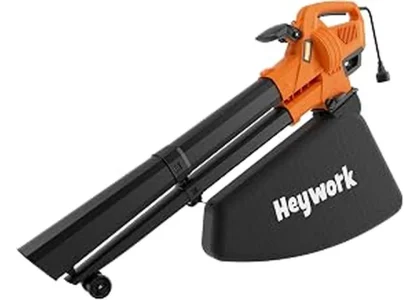
Leaf blowers offer speed but pose the greatest threat to new lawns. High velocity air strips topsoil and flips over seedlings. To use a blower safely, select a model with variable speed control.
🍂 The Silent Lawn Killer: Damp Leaves Will Suffocate Your Grass
Trapped wet leaves create a breeding ground for destructive snow mold. Clear the yard fast with a high-power cordless blower before the ground freezes.
Set it to the lowest effective power level.
Keep the nozzle pointed slightly upward, not directly at the ground. Maintain a distance of at least twelve to eighteen inches from the grass surface. Move steadily without lingering in one spot.
Focus on pushing leaves toward edges or hardscapes rather than sucking them into vacuums, which create dangerous suction forces.
| Blower Type | Suitability for New Grass | Precaution Required |
|---|---|---|
| Gas Backpack | Not Recommended | Too powerful; damages roots |
| Electric Handheld | Conditional Use | Use lowest speed setting |
| Battery Powered | Better Option | Maintain distance and angle |
Vacuum modes should never be used on new grass. The suction pulls soil particles along with leaves, eroding the foundation around roots.
Tip: Wait until morning dew dries completely before blowing. Wet sticks together, requiring more force to move, which increases the risk of damage.
Common Mistakes That Kill New Lawns
Homeowners often rush through autumn cleanup, assuming standard practices apply universally. One frequent error is ignoring weather conditions. Attempting to clear heavy, wet leaves with rakes tears the soft tissue of young plants.
🍂 The Silent Lawn Killer: Damp Leaves Will Suffocate Your Grass
Trapped wet leaves create a breeding ground for destructive snow mold. Clear the yard fast with a high-power cordless blower before the ground freezes.
Another mistake is walking directly onto seeded areas to access remote corners. Footprints compress soil and crush sprouts.
Leaving leaves unattended “for now” is also detrimental. Even a few days of coverage blocks photosynthesis. Seedlings stretch weakly seeking light, becoming susceptible to disease and pests.
Procrastination turns minor issues into major restoration projects.
- Using metal rakes that gouge the soil surface.
- Walking on saturated ground causing severe compaction.
- Ignoring wind direction and scattering debris back onto cleaned areas.
- Applying fertilizers simultaneously with leaf removal, burning tender roots.
- Waiting for total leaf drop before acting, allowing months of suffocation.
- Using string trimmers near the base of new grass, slicing stems.
Awareness of these pitfalls helps preserve your investment in landscaping.
Alternative Strategies for Minimal Impact
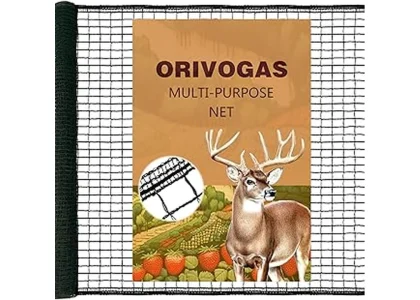
If mechanical methods seem risky, consider passive solutions. Install temporary barriers such as lightweight netting over vulnerable sections during peak shedding times. This catches falling leaves before they touch the soil, making disposal easy without touching the grass.
Another approach involves hiring professional services experienced in nursery-grade care. Experts possess specialized low-volume, high-airflow equipment calibrated for delicate surfaces. They know exactly how much force to apply based on grass maturity.
🍂 The Silent Lawn Killer: Damp Leaves Will Suffocate Your Grass
Trapped wet leaves create a breeding ground for destructive snow mold. Clear the yard fast with a high-power cordless blower before the ground freezes.
- Evaluate budget versus labor savings for professional help.
- Purchase fine-mesh tarps for covering small plots.
- Schedule cleanups during calm, dry weather windows.
- Divide large yards into manageable zones to reduce fatigue-induced errors.
- Monitor local extension office advice for regional pest cycles.
These alternatives prioritize plant health over convenience, ensuring survival rates remain high.
Post-Cleanup Care to Strengthen Establishment
Once leaves are removed, focus shifts to recovery. Inspect the area for displaced soil or exposed roots. Gently press down loose earth around affected spots to restore contact.
Water lightly if the soil appears dry from recent activity.
Avoid applying herbicides or strong fertilizers immediately after disturbance. Stress makes plants vulnerable to chemical burn. Allow two to three days of stability before resuming normal maintenance schedules.
Observe color changes closely; pale yellow indicates stress, while vibrant green signals success.
🍂 The Silent Lawn Killer: Damp Leaves Will Suffocate Your Grass
Trapped wet leaves create a breeding ground for destructive snow mold. Clear the yard fast with a high-power cordless blower before the ground freezes.
- Re-level uneven terrain caused by raking or blowing.
- Water moderately to settle soil without flooding.
- Hold off on nitrogen applications for forty-eight hours.
- Check for signs of fungal infection daily for a week.
- Resume mowing only when grass exceeds recommended heights.
Proper follow-through ensures that cleanup efforts contribute positively to long-term lawn vitality.
Frequently Asked Questions
Can I use a leaf blower on newly seeded grass?
No, standard leaf blowers generate excessive force that displaces seeds and damages young roots. If unavoidable, use the absolute lowest speed setting on a handheld electric unit, keeping the nozzle elevated and distant from the ground.
Is it better to rake or bag leaves on new lawns?
Bagging is generally safer because it removes material entirely without dragging it across sensitive surfaces. Raking requires precise technique to avoid tearing vegetation. For beginners, collecting leaves by hand or with a tarp minimizes risk significantly.
What happens if I leave leaves on my new grass?
Decomposing leaves block sunlight and trap moisture, promoting fungal diseases like snow mold or damping-off. This suffocates seedlings, stunts growth, and potentially kills patches of your new lawn permanently.
How soon after seeding can I walk on the lawn?
Avoid walking on seeded areas for at least three to four weeks unless absolutely necessary. When you must cross, distribute weight evenly by crawling or wearing flat-soled shoes to prevent soil compaction and root damage.
Do mulched leaves hurt new grass?
Yes, if applied too thickly. Mulch acts as insulation and retains excess moisture. For new grass, only allow a very thin layer of finely chopped leaves.
🍂 The Silent Lawn Killer: Damp Leaves Will Suffocate Your Grass
Trapped wet leaves create a breeding ground for destructive snow mold. Clear the yard fast with a high-power cordless blower before the ground freezes.
Anything thicker restricts airflow and light penetration needed for photosynthesis.
Final Thoughts
Protecting new grass demands patience and precision during seasonal transitions. By choosing gentle tools, respecting maturity timelines, and avoiding common shortcuts, you ensure your lawn establishes strongly. Remember that prevention beats cure; regular monitoring stops problems before they escalate.
Invest time wisely now to enjoy a lush, resilient landscape for years ahead.