Last Updated on October 11, 2026 by D. Ruddy
Simply put, you should stop mowing when temperatures consistently drop below 40°F (4°C) or when grass growth slows to less than half an inch per week. In most temperate zones, this occurs in late November or early December. Continuing to mow wet, dormant grass damages crowns and invites snow mold.
Key Takeaways
- Stop mowing before winter once daily highs stay under 40°F (4°C).
- Grass enters dormancy when soil temperatures drop below 50°F (10°C).
- The final cut should be slightly shorter than usual to prevent matting.
- Mowing wet grass causes ruts and spreads fungal spores aggressively.
- Regional timing varies; northern climates end earlier than southern ones.
Why Timing Matters for Stopping Mowing
Stopping mowing at the right time protects your lawn’s root system. If you cut too late, you risk damaging the crown where new shoots emerge next spring. The crown is sensitive to mechanical stress when the plant is not actively growing.
Dormant grass cannot heal wounds from mower blades efficiently. Open cuts become entry points for pathogens like Fusarium and Typhula, which cause snow mold. These fungi thrive under prolonged moisture and lack of sunlight, common conditions after heavy autumn rains.
According to the University of Minnesota Extension, lawns left too long going into winter are prone to “matting.” Heavy snow loads crush tall, uncut grass against the soil. This creates a dense layer that traps moisture and prevents air circulation. Poor airflow leads to rot rather than healthy dormancy.
🍂 The Silent Lawn Killer: Damp Leaves Will Suffocate Your Grass
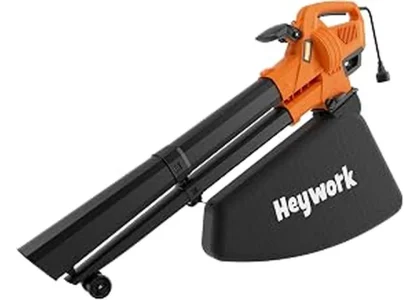
Trapped wet leaves create a breeding ground for destructive snow mold. Clear the yard fast with a high-power cordless blower before the ground freezes.
- Protects the grass crown from mechanical damage.
- Prevents fungal infections by reducing open wounds.
- Avoids soil compaction from heavy equipment on soft ground.
- Reduces habitat for pests like voles seeking cover in tall grass.
- Ensures even light distribution to the soil surface.
How Temperature Signals the End of Growth
Temperature is the primary indicator for ceasing lawn maintenance. Grass species have specific thermal thresholds for active growth. Cool-season grasses, such as Kentucky Bluegrass and Fescue, grow best between 60°F and 75°F.
Their activity drops sharply as nights cool.
You should monitor both air and soil temperatures. Air temperature affects immediate leaf growth, while soil temperature dictates root activity. Roots continue functioning longer than leaves.
However, once soil temps dip below 40°F, nutrient uptake halts completely. Cutting grass then offers no benefit and only adds stress.
In warm-season regions, Bermuda and Zoysia grasses turn brown earlier. They enter dormancy around 50°F–55°F. For these types, stop mowing when they lose their vibrant green color entirely.
Do not wait for total browning if rain persists, as wet dormant grass is vulnerable.
🍂 The Silent Lawn Killer: Damp Leaves Will Suffocate Your Grass
Trapped wet leaves create a breeding ground for destructive snow mold. Clear the yard fast with a high-power cordless blower before the ground freezes.
| Grass Type | Active Growth Temp | Dormancy Trigger |
|---|---|---|
| Kentucky Bluegrass | 60°F – 75°F | Below 40°F |
| Tall Fescue | 60°F – 75°F | Below 40°F |
| Perennial Ryegrass | 55°F – 70°F | Below 35°F |
| Bermuda Grass | 75°F – 90°F | Below 50°F |
This table highlights how different species react to cooling trends. Always prioritize local weather forecasts over calendar dates. A sudden freeze can trigger dormancy weeks earlier than average historical data suggests.
Warning: Never mow immediately after a hard frost. Frozen grass blades shatter instead of cutting cleanly. This destroys cell walls and kills patches of turf permanently.
Identifying Visual Cues for Dormancy
Beyond thermometers, observe physical changes in your turf. Active growth means visible vertical extension. Measure blade height weekly using a ruler.
If the increase is negligible over seven days, growth has stalled. This plateau signals readiness for the final cut.
Color change is another reliable marker. Cool-season grasses may retain some green hue but will look duller. Warm-season varieties turn straw-colored.
🍂 The Silent Lawn Killer: Damp Leaves Will Suffocate Your Grass
Trapped wet leaves create a breeding ground for destructive snow mold. Clear the yard fast with a high-power cordless blower before the ground freezes.
Note that slight greening during mild spells does not mean full activation. Check root resilience by gently tugging a blade. Easy separation indicates weak anchorage typical of deep dormancy.
Sap flow reduction also serves as a clue. Cut a single blade and examine the cross-section. Dry edges suggest low metabolic activity.
Moisture oozing out implies continued growth processes. Wait until sap stops flowing freely before ending the season. This ensures minimal physiological stress on the plant.
- Measure weekly height increases; stop if gain is <0.5 inches.
- Observe color fading toward yellow or tan tones.
- Check for reduced sap pressure in cut stems.
- Note slower recovery speed after foot traffic.
- Monitor dew evaporation rate on morning surfaces.
Adjusting Final Cut Height Strategies
The last mow requires special attention to blade height. Standard summer heights often prove detrimental in winter. Tall grass traps heat and moisture near the base.
This microclimate encourages fungal proliferation under snow cover. Conversely, scalping exposes roots to freezing winds.
Aim for a height between 2 and 2.5 inches for most cool-season lawns. This balance provides enough insulation without creating excessive bulk. For warm-season grasses, maintain 1.5 to 2 inches.
🍂 The Silent Lawn Killer: Damp Leaves Will Suffocate Your Grass
Trapped wet leaves create a breeding ground for destructive snow mold. Clear the yard fast with a high-power cordless blower before the ground freezes.
Ensure your mower deck is clean and sharp to make precise cuts. Dull blades tear tissue, increasing infection risks significantly.
Remove all clippings thoroughly during this final session. Leftover debris forms a thick thatch layer. Thatch blocks water penetration and harbors pests.
Use a bagger attachment or rake manually after mowing. Composting off-site is safer than leaving piles on the lawn. This practice maximizes sanitation before the freeze sets in.
- Cut to 2-2.5 inches for cool-season varieties.
- Cut to 1.5-2 inches for warm-season types.
- Sharpen mower blades before the final pass.
- Collect all clippings to prevent thatch buildup.
- Avoid overlapping passes to reduce soil disturbance.
- Leave buffer zones near garden beds untouched.
Important: Adjust your mower settings gradually over two sessions. Dropping height abruptly shocks the plant. Lower by 0.5 inches every few days leading up to the final cut.
Regional Differences in Mowing Schedules
Geography dictates exact timing. Northern states face earlier freezes than southern counterparts. USDA Hardiness Zones provide useful frameworks for planning.
🍂 The Silent Lawn Killer: Damp Leaves Will Suffocate Your Grass
Trapped wet leaves create a breeding ground for destructive snow mold. Clear the yard fast with a high-power cordless blower before the ground freezes.
Zone 3 areas might stop mowing by mid-October. Zone 7 locations could extend into late November.
Coastal regions experience moderated temperatures due to ocean influence. Lawns there stay active longer than inland plots at similar latitudes. Mountainous areas see rapid temperature swings.
Altitude accelerates dormancy onset compared to sea-level gardens. Consider elevation differences when scheduling your final service.
Urban heat islands delay cooling in cities. Concrete and asphalt retain daytime warmth. Suburban yards may require extra weeks of maintenance versus rural fields.
Track local microclimates specifically. Place a soil thermometer in your yard for accurate readings. National averages rarely reflect individual property conditions accurately.
| Region/Zone | Typical Stop Date | Primary Factor |
|---|---|---|
| Northern US (Zones 3-5) | Mid-October | Early Snowfall Risk |
| Midwest (Zones 5-6) | Late October | Soil Freeze Depth |
| Northeast (Zones 6-7) | Early November | Daylight Reduction |
| Southern US (Zones 7-9) | Late Nov/Dec | Warm Season Transition |
These estimates serve as baselines. Always verify with real-time weather apps. Unexpected cold snaps demand immediate cessation of activities regardless of predicted norms.
🍂 The Silent Lawn Killer: Damp Leaves Will Suffocate Your Grass
Trapped wet leaves create a breeding ground for destructive snow mold. Clear the yard fast with a high-power cordless blower before the ground freezes.
Common Mistakes to Avoid
Many homeowners ignore subtle signs of dormancy. Waiting for perfect dryness delays necessary actions excessively. Wet autumns occur frequently.
Prioritize timing over ideal conditions when forced to choose. Delaying past critical windows causes irreversible harm.
Another error involves neglecting equipment preparation. Dirty decks spread disease across properties. Clean machinery between neighborhoods if sharing services.
Store fuel properly to avoid engine issues later. Neglected tools hinder future spring efforts unnecessarily.
Irrigation habits also play a role. Overwatering before stopping mows saturates soil. Soggy grounds compress easily under weight.
Reduce watering frequency progressively as growth slows. Allow natural rainfall to sustain moisture levels adequately. Artificial irrigation becomes counterproductive during transition periods.
🍂 The Silent Lawn Killer: Damp Leaves Will Suffocate Your Grass
Trapped wet leaves create a breeding ground for destructive snow mold. Clear the yard fast with a high-power cordless blower before the ground freezes.
- Ignoring consistent sub-40°F night lows.
- Mowing during damp mornings or evenings.
- Failing to collect clippings from the final cut.
- Using dull blades causing ragged tears.
- Assuming calendar dates override actual weather.
- Neglecting post-mow cleanup tasks.
Tip: Mark your calendar with reminders three weeks before expected frost dates. This buffer allows flexibility for shifting weather patterns without panic decisions.
Preparing Equipment After Last Mow
Once you finish the final cut, attend to your mower. Drain old gasoline or add stabilizer to fresh tanks. Ethanol blends degrade quickly in storage.
Run the engine dry if possible to prevent carburetor clogging. Lubricate moving parts to ward off rust formation.
Clean the underside of the deck meticulously. Remove packed mud and organic matter. Corrosion attacks metal joints rapidly when trapped beneath grime.
Apply protective sprays to exposed steel components. Cover the unit with a breathable tarp outdoors. Indoor storage extends lifespan considerably better than garage corners.
🍂 The Silent Lawn Killer: Damp Leaves Will Suffocate Your Grass
Trapped wet leaves create a breeding ground for destructive snow mold. Clear the yard fast with a high-power cordless blower before the ground freezes.
Inspect tires for cracks or flat spots. Rotate wheels periodically during off-season rest. Check belts for wear indicators.
Replace frayed sections proactively. Servicing now saves costs during busy spring seasons. Professional tune-ups remain affordable alternatives to DIY repairs.
- Add fuel stabilizer to gas tank.
- Thoroughly wash mower deck exterior.
- Lubricate pivot points and cables.
- Store in dry, covered location.
- Schedule professional inspection if unsure.
Frequently Asked Questions
Can I mow my lawn in December?
You can mow in December if temperatures rise above 40°F and the grass shows active growth. However, this is rare in most northern regions. Southern lawns with warm-season grasses typically do not need mowing once dormant.
What happens if I don’t cut my grass before winter?
Tall grass mats down under snow, blocking sunlight and air. This promotes fungal diseases like snow mold. It also attracts rodents seeking shelter within the dense vegetation layers.
Should I fertilize after the last mow?
Yes, applying a slow-release winter fertilizer shortly after the final cut helps root development. Avoid high-nitrogen formulas that stimulate tender top growth susceptible to frost damage.
Is it okay to leave clippings on the lawn?
No, remove all clippings from the final mow. Leaving them creates a barrier that retains excess moisture. This environment fosters bacterial and fungal growth throughout the winter months.
🍂 The Silent Lawn Killer: Damp Leaves Will Suffocate Your Grass
Trapped wet leaves create a breeding ground for destructive snow mold. Clear the yard fast with a high-power cordless blower before the ground freezes.
How short should I cut the grass for winter?
Aim for 2 to 2.5 inches for cool-season grasses. This height balances insulation needs with prevention of matting. Scalping below 1.5 inches stresses the crown and reduces survival chances.
Final Thoughts
Mastering when to stop mowing your lawn before winter ensures robust spring regeneration. Watch temperature trends closely rather than relying solely on calendars. Proper timing preserves root integrity and minimizes disease risks effectively.