Last Updated on September 16, 2026 by D. Ruddy
Creating a gothic Halloween garden is a fantastic way to embrace the spooky season with an atmosphere that’s both chilling and captivating. This isn’t just about pumpkins; it’s about transforming your outdoor space into a dark, mysterious, and eerily beautiful sanctuary. This guide will walk you through everything you need to know to cultivate a truly memorable haunted landscape.
Simply put, creating a gothic Halloween garden involves selecting dark-hued plants, incorporating atmospheric lighting, adding skeletal decor, and choosing eerie structures to evoke a sense of mystery and decay. The key is layering these elements to build a spooky yet elegant ambiance that captivates.
Key Takeaways
- Focus on plants with dark foliage, deep reds, and dramatic shapes to establish a gothic aesthetic.
- Utilize dim, strategic lighting like flickering lanterns and uplighting to create shadows and a mysterious mood.
- Incorporate skeletal motifs, weathered statues, and cobweb effects for that essential Halloween creepiness.
- Embrace decaying elements and natural textures like bare branches, moss, and aged wood.
- Layer various elements—plants, decor, and lighting—to build depth and atmosphere.
What is a Gothic Halloween Garden?
A gothic Halloween garden is an outdoor space meticulously designed to evoke the mood and aesthetics of gothic literature and art, specifically tailored for the Halloween season. It embraces darkness, mystery, and a touch of the macabre. Instead of bright, cheerful decorations, it leans into shadows, muted colors, and a sense of elegant decay.
The primary goal is to create an atmosphere that feels both haunting and alluring. Think of crumbling stone, twisted branches, deep shadows, and the whispers of the wind. It’s about creating a living tableau that tells a story of forgotten places and eerie nights, making it a perfect setting for Halloween festivities or simply for enjoying the season’s darker charm.
What If Your Patio Became Your Favorite Spot This Fall?
Cooler evenings don’t have to send everyone indoors. Discover simple ways to turn your porch or patio into a warm, cozy place to gather after sunset.
This style of garden isn’t just for Halloween night; it can be a year-round feature that adds a unique character to your property. The elements chosen are often timeless and can be enjoyed beyond the holiday itself, offering a sophisticated alternative to typical Halloween decor. The emphasis is on natural elements amplified by artistic design and deliberate mood-setting.
Core Elements of Gothic Style
- Dark Color Palette: Deep purples, blacks, deep reds, and dark greens dominate.
- Twisted and Spiky Forms: Plants with sharp leaves, thorny stems, and contorted branches.
- Weathered and Aged Materials: Use of stone, wrought iron, aged wood, and rusted metal.
- Shadow Play: Strategic planting and lighting to create dramatic shadows.
- Sense of Decay: Incorporating elements that suggest age, ruin, or natural decomposition.
Choosing the Right Plants for a Gothic Aesthetic
The foundation of any gothic garden lies in its plant selection. You want species that inherently possess dark colors, dramatic shapes, or a somewhat ominous presence. Think beyond the usual autumn hues of orange and yellow, and dive into the rich spectrum of deep purples, blacks, dark reds, and shadowy greens.
Consider plants that bloom with dark flowers or have foliage that remains dark throughout the season. Many plants offer a “black” appearance, though they are typically very deep shades of purple or red. These will be your star players in creating the gothic vibe.
Additionally, plants with spiky or unusual leaf structures can contribute to a more dramatic and foreboding look.
When planning your planting, think about texture and form. Contrasting spiky leaves with soft, dark foliage can add visual interest. Also, consider plants that offer year-round appeal, as a gothic garden can be a dramatic feature even outside of Halloween.
Look for evergreens with dark needles or leaves that hold their color.
What If Your Patio Became Your Favorite Spot This Fall?
Cooler evenings don’t have to send everyone indoors. Discover simple ways to turn your porch or patio into a warm, cozy place to gather after sunset.
Dark Foliage Plants
- Black Mondo Grass (Ophiopogon planiscapus ‘Nigrescens’): Striking black, grass-like blades.
- Purple Fountain Grass (Pennisetum setaceum ‘Rubrum’): Deep burgundy foliage and feathery plumes.
- Ninebark (Physocarpus opulifolius ‘Diablo’ or ‘Summer Wine’): Deep purple to reddish-bronze leaves.
- Heuchera (Coral Bells) varieties like ‘Obsidian’ or ‘Black Pearl’: Deepest purple-black, almost glossy leaves.
- Chokecherry (Prunus virginiana ‘Schubert’ or ‘Canada Red’): Reddish-purple foliage that deepens with the season.
- Black Pansies/Violas: For pops of dark color in smaller beds or containers.
Plants with Deep Red or Purple Flowers/Berries
- Black Bat Flower (Tacca chantrieri): Exotic, dark purple flowers resembling bats.
- Deep Red Roses: Varieties like ‘Black Baccara’ or ‘Burgundy Iceberg’.
- Winterberry Holly (Ilex verticillata) varieties: Produces bright red berries against dark stems.
- Lily Turmeric (Canna ‘Phasion’ or ‘Black Knight’): Dark foliage and vibrant, often red or orange, flowers.
- Cobweb Houseleek (Sempervivum arachnoideum): Rosettes with a fuzzy, cobweb-like appearance.
Architectural and Spiky Plants
- Yucca: Sword-like leaves provide a dramatic, architectural element.
- Agave: Similar to Yucca, with bold, spiky rosettes.
- Ferns: Look for varieties with dark fronds or a naturally wild appearance.
- Thorny shrubs: Roses, Barberry (Berberis), or even some types of holly.
When planting, group plants with similar dark hues together for maximum impact. Consider the mature size of each plant to ensure they don’t overcrowd each other and maintain their individual dramatic forms. Mixing textures and heights will create a more dynamic and visually interesting garden.
Atmospheric Lighting for a Haunting Glow
Lighting is absolutely crucial for setting the gothic Halloween mood. It’s not about bright illumination; it’s about strategic placement to create shadows, highlight specific features, and evoke a sense of mystery. Dim, flickering lights are your best friends here.
Think of how old castles and manors are depicted, often lit by candlelight or moonlight.
Consider using a combination of lighting types. String lights can add a subtle shimmer, while spotlights can cast eerie shadows from trees or statues. Flickering LED bulbs designed to mimic candles are perfect for lanterns and creating a haunted house effect.
The goal is to make the garden feel alive with subtle movements and hidden depths.
Safety is paramount, especially when dealing with outdoor lighting, so ensure all your fixtures are rated for outdoor use and properly installed. Low-voltage lighting systems are a great option for energy efficiency and safety. Consider timers to automate the lighting for evening enjoyment.
What If Your Patio Became Your Favorite Spot This Fall?
Cooler evenings don’t have to send everyone indoors. Discover simple ways to turn your porch or patio into a warm, cozy place to gather after sunset.
Lighting Ideas
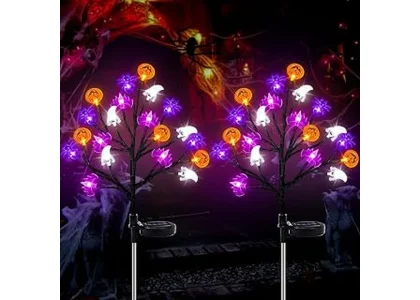
- Flickering Lanterns: Place old-fashioned lanterns along pathways or hang them from branches. Use LED flickering bulbs for a safe, candle-like effect.
- Uplighting: Position spotlights at the base of trees, statues, or large plants to cast dramatic shadows upwards.
- String Lights: Black wire string lights with small, dim bulbs can be draped through trees or along fences for a subtle, ethereal glow.
- Spotlights on Skulls/Skeletons: Use small, focused lights to highlight key decorative elements, making them appear more menacing.
- Color-Changing LEDs: While subtle, deep purples or reds can add an otherworldly hue to specific areas.
- Solar Pathway Lights: Choose dark-colored, low-profile solar lights to line walkways without being overly bright.
| Lighting Element | Effect | Best For |
|---|---|---|
| Flickering LED Lanterns | Eerie, candle-lit ambiance | Pathways, porches, garden tables |
| Spotlights | Dramatic shadows, highlights features | Trees, statues, fences, large plants |
| Dim String Lights (Black Wire) | Subtle shimmer, ethereal feel | Trees, pergolas, garden arches |
| Low-Profile Solar Lights | Gentle path marking, unobtrusive | Garden paths, borders |
Consider using a smart home system to control your lighting, allowing you to set different moods or create spooky sequences for trick-or-treaters.
Incorporating Eerie Decor and Structures
The right decorations will transform your dark garden into a gothic Halloween masterpiece. Think beyond inflatable ghosts and opt for elements that enhance the mood of mystery and ancient decay. Skeletal figures, weathered statues, and symbolic items can dramatically amplify the gothic atmosphere.
Structures play a vital role in defining the space and adding a sense of history or ruin. A crumbling archway, a weathered bench, or even strategically placed mossy stones can make a significant difference. These elements should feel as though they’ve been part of the landscape for a long time, adding to the eerie narrative.
Cobwebs are a classic Halloween element, but in a gothic garden, they should be used sparingly and strategically. Focus on corners, statues, or the branches of bare trees to create a sense of abandonment and disuse.
Gothic Decor Ideas
- Skeletal Figures: Life-sized skeletons, scattered bones, or skeletal animals can add a chilling touch.
- Weathered Statues: Cherubs, gargoyles, or classical figures that appear aged and moss-covered.
- Crows and Ravens: Artificial birds perched on branches or statues are a classic gothic symbol.
- Skulls: Placed strategically among plants or on garden furniture.
- Rusty Metal Accents: Old watering cans, gates, or decorative pieces that have developed a natural rust patina.
- Wrought Iron Elements: Arbors, trellises, or fences with intricate, dark designs.
- Mirrors: Placed strategically to reflect moonlight or dim lights, creating an illusion of depth or hidden presences.
Structural Elements
- Archways: A weathered stone or dark metal archway can serve as an eerie entrance to a section of the garden.
- Garden Benches: Old, wrought-iron, or stone benches that look ancient and perhaps a bit neglected.
- Stone Pillars or Urns: Weathered and perhaps overgrown with moss or dark ivy.
- Fences: A dark, possibly wrought-iron or weathered wood fence can define the garden’s perimeter and add to the enclosed, mysterious feel.
- Bird Baths: Aged or cracked bird baths can add a touch of melancholy.
Creating Natural Decay and Texture
A truly gothic garden embraces the beauty of decay and natural textures. This isn’t about neglect; it’s about artfully incorporating elements that suggest the passage of time and the cycle of nature. Think of the organic textures found in old forests or forgotten ruins.
Natural decay can be achieved through various means, from the plants you choose to the materials you introduce. Weathered wood, natural stone, and the presence of moss and lichen all contribute to this aesthetic. The aim is to create a sense of history and authenticity that goes beyond artificial decorations.
What If Your Patio Became Your Favorite Spot This Fall?
Cooler evenings don’t have to send everyone indoors. Discover simple ways to turn your porch or patio into a warm, cozy place to gather after sunset.
Even fallen leaves, when artfully arranged, can contribute to the mood. They can be swept into corners or around the base of statues to enhance the feeling of a place that has been undisturbed for a long time.
Elements of Natural Decay and Texture
- Moss and Lichen: Encourage growth on stone paths, statues, and terracotta pots. You can even purchase moss spores to help establish it.
- Weathered Wood: Use old logs, branches, or reclaimed lumber for rustic accents.
- Fallen Leaves: Allow leaves to gather in strategic areas, especially around the base of plants or structures, to create a natural, aged look.
- Bare Branches: Incorporate bare, twisted branches into your garden design, either from existing trees or by adding decorative branches.
- Rough Stone: Use irregular stones for pathways or as decorative elements, allowing for natural moss growth.
- Aged Terracotta Pots: Cracked or moss-covered pots add character and a sense of age.
- Natural Twine or Rope: Used sparingly to tie back branches or as part of a rustic display.
Important: When using natural elements like fallen branches, ensure they are free from pests or diseases that could harm your garden. Also, consider local regulations regarding collecting natural materials.
Designing Pathways and Entrances
The way visitors enter and move through your gothic garden is as important as the elements within it. Pathways should guide the eye and enhance the mysterious atmosphere, leading guests on a journey of discovery. Entrances should set the tone immediately, hinting at the darkness and drama within.
Pathways can be made from materials that complement the gothic theme. Dark gravel, uneven flagstones, or even mulch made from dark wood chips can create a suitable ground cover. The layout should be somewhat winding, rather than a straight, obvious route, adding to the sense of exploration and intrigue.
Entrances can be enhanced with archways, wrought-iron gates, or even strategically placed thorny bushes. These features act as gateways, signaling a transition into a different, more mysterious realm. The lighting at the entrance is also critical for setting the initial mood.
Pathway and Entrance Ideas
- Winding Paths: Create indirect routes that encourage exploration and reveal garden features gradually.
- Dark Materials: Use materials like dark grey gravel, charcoal-colored pavers, or rough-hewn stone.
- Edging: Line paths with low-lying dark plants, small stones, or weathered bricks.
- Gateway Arch: Install a wrought-iron or dark wood archway, possibly draped with dark ivy or bare vines.
- Illuminated Entrance: Place lanterns or uplighting at the start of the path to draw visitors in.
- Symbolic Markers: Small, aged stones or skeletal figures placed at intervals along the path.
- Overgrown Sections: Allow some plants to slightly encroach on pathways for a natural, untamed feel.
Frequently Asked Questions
What are the best plants for a gothic garden that tolerate shade?
For shady gothic gardens, consider plants like Black Mondo Grass, Heuchera varieties (‘Obsidian’, ‘Black Pearl’), Hostas with dark or blue-green foliage, Ferns with dark fronds, and deep red or purple Impatiens for seasonal color. These plants thrive in lower light conditions while contributing to the dark, mysterious aesthetic.
What If Your Patio Became Your Favorite Spot This Fall?
Cooler evenings don’t have to send everyone indoors. Discover simple ways to turn your porch or patio into a warm, cozy place to gather after sunset.
How can I make my garden look “haunted” without being tacky?
To achieve a haunted look that feels elegant rather than tacky, focus on atmosphere. Use subtle, flickering lights, incorporate natural elements like bare branches and moss, choose dark-colored plants, and add weathered decor like old statues or skeletal motifs sparingly. The key is subtlety and integration with the natural environment.
What kind of flowers bloom in the fall that fit a gothic theme?
For fall gothic themes, look for dark-colored chrysanthemums, deep red or purple roses (if still blooming), dark purple pansies, ornamental kale with deep purple or black edges, and plants with dark berries. The ornamental pepper plants also offer dark foliage and colorful, dark fruits.
Is a gothic Halloween garden suitable for children?
A gothic Halloween garden can be suitable for children if the “spooky” elements are age-appropriate and not overly terrifying. Focus on the mystery and atmosphere rather than outright gore. You can tone down some elements or add whimsical touches like friendly ghosts or glowing eyes to make it more welcoming for younger visitors.
How much does it cost to create a gothic Halloween garden?
The cost can vary significantly based on the scale of your garden, the types of plants you choose, and the decor you select. High-end garden structures, specialized plants, and extensive lighting systems can be expensive. However, you can achieve a striking gothic look affordably by focusing on DIY decor, using plants that are readily available, and prioritizing atmospheric lighting.
Starting with key pieces and expanding over time is a practical approach.
Final Thoughts
Creating a gothic Halloween garden is a rewarding project that allows for immense creativity and personal expression. By carefully selecting plants, employing atmospheric lighting, and incorporating thoughtful decor, you can transform your outdoor space into a captivating realm of eerie beauty. Embrace the shadows, the dark hues, and the textures of decay to craft a truly memorable haunted landscape that delights and chills.
What If Your Patio Became Your Favorite Spot This Fall?
Cooler evenings don’t have to send everyone indoors. Discover simple ways to turn your porch or patio into a warm, cozy place to gather after sunset.