Last Updated on October 22, 2026 by D. Ruddy
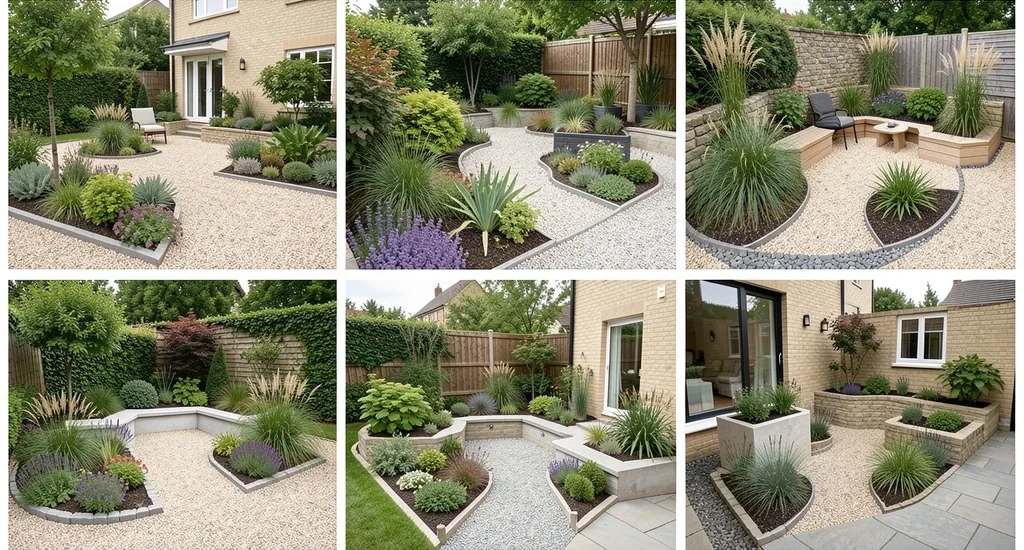
Transforming your outdoor space with gravel gardens design ideas offers a perfect blend of elegance and practicality. Gravel gardens are ideal for homeowners who want a beautiful yard without the constant upkeep of traditional lawns. They reduce water usage, suppress weeds, and create a modern, textured look that complements any architectural style.
Gravel gardens provide a durable, low-maintenance alternative to grass that enhances curb appeal while saving time and water. With the right design, they can look just as lush and inviting as traditional gardens.
Why Choose Gravel Gardens
Gravel gardens are gaining popularity for several compelling reasons. They require minimal watering, making them perfect for drought-prone areas. Unlike lawns, gravel doesn’t need mowing, fertilizing, or frequent replacements. It also provides excellent drainage, preventing waterlogging and root rot in plants.
- Water Efficiency: Gravel gardens use up to 70% less water than traditional lawns, according to the Environmental Protection Agency.
- Durability: Gravel surfaces withstand heavy foot traffic and harsh weather conditions without degrading.
- Weed Control: A properly installed gravel garden with landscape fabric underneath significantly reduces weed growth.
- Versatility: Gravel comes in various colors, sizes, and textures, allowing for endless customization.
- Cost-Effective: Initial installation costs are often lower than paved areas, and maintenance expenses are minimal.
Tip: Use landscape fabric beneath gravel to prevent weeds and extend the life of your garden design.
Essential Elements for Gravel Garden Design
Creating a stunning gravel garden requires careful planning and the right combination of elements. Start with a solid base layer to ensure stability and prevent shifting over time. Then, choose the right type of gravel for your aesthetic and functional needs.
Key elements to include:
- Base Layer: A 4-6 inch layer of crushed stone or road base provides a stable foundation.
- Landscape Fabric: Prevents weeds from growing through while allowing water drainage.
- Gravel Type: Options include pea gravel, crushed stone, decomposed granite, or river rock.
- Edging: Use metal, plastic, or stone edging to contain the gravel and create clean lines.
- Plants: Drought-tolerant varieties like succulents, lavender, or ornamental grasses work best.
- Decorative Accents: Add large rocks, statues, or garden art for visual interest.
| Gravel Type | Size | Best For | Cost per Ton |
|---|---|---|---|
| Pea Gravel | 3/8 inch | Pathways, general landscaping | $30-$50 |
| Crushed Stone | 1/4 to 1 inch | Driveways, high-traffic areas | $20-$40 |
| Decomposed Granite | 1/4 inch fines | Natural look, pathways | $40-$60 |
| River Rock | 1-3 inches | Decorative accents, water features | $50-$80 |
Prices vary by region and supplier. Decomposed granite offers a natural, earthy look, while river rock adds a polished, decorative touch to any gravel garden design.
Top Gravel Garden Layout Ideas
A well-designed layout can transform a simple gravel garden into a stunning landscape feature. Consider these creative approaches to maximize visual impact and functionality.
- Geometric Patterns: Use different gravel colors to create circles, squares, or diamond shapes. This works especially well in modern or contemporary garden designs.
- Curved Pathways: Meandering gravel paths invite exploration and add a sense of movement to your garden. Line them with lavender or other fragrant plants for added appeal.
- Island Plantings: Create small planting areas surrounded by gravel. These “islands” can feature different plant varieties for visual interest.
- Zen Garden Style: Rake gravel into patterns around carefully placed rocks for a meditative, Japanese-inspired look.
- Tiered Designs: Use gravel to create different levels in your garden, with retaining walls or slopes separating the tiers.
- Mediterranean Courtyard: Combine gravel with terracotta pots, olive trees, and herbs for a warm, inviting space.
Important: Always plan your layout on paper first. Consider how you’ll move through the space and where key focal points will be.
Best Plants for Gravel Gardens
The right plants can bring your gravel garden to life while maintaining the low-maintenance benefits. Choose species that thrive in well-drained soil and can tolerate the microclimate created by gravel mulch.
| Plant Type | Water Needs | Sun Requirements | Height |
|---|---|---|---|
| Lavender | Low | Full sun | 1-3 feet |
| Russian Sage | Low | Full sun | 3-5 feet |
| Sedum | Very low | Full sun to part shade | 6 inches to 2 feet |
| Ornamental Grass | Low to moderate | Full sun to part shade | 1-6 feet |
| Rosemary | Low | Full sun | 2-6 feet |
These plants not only tolerate gravel conditions but also add texture, color, and fragrance to your garden. According to the Royal Horticultural Society, drought-tolerant plants in gravel gardens can reduce water usage by up to 50% compared to traditional garden beds.
- Ground Covers: Thyme, creeping jenny, or ice plant spread nicely between gravel pieces.
- Perennials: Coneflowers, black-eyed Susans, and yarrow add seasonal color.
- Shrubs: Dwarf varieties of boxwood, juniper, or butterfly bush provide structure.
- Accent Plants: Agave, yucca, or small ornamental trees create focal points.
Gravel Garden Pathway Designs
Pathways are a crucial element in any gravel garden, providing both function and aesthetic appeal. A well-designed path can guide visitors through your space while enhancing the overall design.
- Simple Straight Path: The most straightforward design, perfect for connecting two points directly. Use uniform gravel and clean edges for a contemporary look.
- Curving Garden Path: Adds visual interest and can make a small garden appear larger. Use flexible edging to create smooth curves.
- Stepping Stone Path: Combine gravel with natural stone or concrete stepping stones for a rustic feel. Space stones about 2 feet apart for comfortable walking.
- Mosaic Pattern Path: Use different colored gravel to create intricate patterns or mosaic designs. This works well in formal garden settings.
- Wide Walkway: For frequently used paths, create a wider walkway (3-4 feet) to accommodate two people walking side by side.
Warning: Avoid using small pea gravel for pathways as it can shift underfoot and create an unstable walking surface.
Lighting Ideas for Gravel Gardens
Proper lighting can transform your gravel garden into a magical evening space while improving safety and security. Solar-powered lights are an excellent choice for gravel gardens as they’re easy to install and don’t require wiring.
- Pathway Lights: Low-voltage or solar stake lights along pathways provide safe navigation after dark. Space them about 6-8 feet apart for even illumination.
- Spotlights: Highlight focal points like large rocks, sculptures, or specimen plants with directional spotlights.
- String Lights: Drape fairy lights or string lights through trees or along fences for a cozy atmosphere.
- Bollard Lights: Short, sturdy lights that provide a modern look while illuminating pathways.
- Submersible Lights: If you have a water feature, use submersible lights to create dramatic effects.
- Lanterns: Hang or place decorative lanterns for a warm, inviting glow.
| Lighting Type | Power Source | Best For | Average Cost |
|---|---|---|---|
| Solar Stake Lights | Solar | Pathways, garden beds | $10-$30 each |
| Low-Voltage Path Lights | Electric | Walkways, driveways | $20-$50 each |
| LED Spotlights | Electric/Solar | Focal points, trees | $25-$75 each |
| String Lights | Electric/Solar | Patios, pergolas | $15-$40 per 25ft |
For energy efficiency, consider LED lights which use up to 80% less energy than traditional incandescent bulbs. The U.S. Department of Energy reports that outdoor LED lighting can last up to 25,000 hours, significantly longer than other options.
Common Mistakes to Avoid in Gravel Garden Design
Even with the best intentions, it’s easy to make mistakes when creating a gravel garden. Being aware of these common pitfalls can help you create a more successful and long-lasting design.
- Skipping the Base Layer: Without a proper base of compacted material, gravel will sink and shift over time, creating uneven surfaces and depressions where water can pool.
- Choosing the Wrong Gravel Size: Very small gravel (like pea gravel) can be uncomfortable to walk on and may scatter easily. Larger gravel (1 inch or more) stays in place better but may be less comfortable for bare feet.
- Ignoring Drainage: While gravel provides good drainage, the underlying soil must also drain well. If your soil is heavy clay, you may need to amend it or install drainage pipes.
- Overlooking Edging: Without proper edging, gravel will spread into lawn areas or onto pathways, creating a messy look and maintenance headaches.
- Planting the Wrong Species: Not all plants thrive in gravel gardens. Avoid plants that require consistently moist soil or frequent watering.
- Neglecting Weed Barriers: While landscape fabric helps, some weeds will still find their way through. Regular maintenance is still required to keep your garden looking its best.
Tip: Test your gravel choice by walking on a small area before committing to the entire garden. Make sure it’s comfortable and stable underfoot.
Gravel Garden Maintenance Tips
One of the biggest advantages of gravel gardens is their low maintenance requirements. However, some regular care will keep your garden looking its best and extend its lifespan.
- Raking: Regularly rake the gravel to keep it level and redistribute any areas that have thinned out. This also helps prevent weed growth by disturbing the surface.
- Weed Control: Remove weeds as soon as you spot them. Use a hand weeder or natural weed killer for stubborn plants. Reapply landscape fabric if weeds become a persistent problem.
- Refreshing Gravel: Over time, gravel can sink into the soil or get displaced. Add a fresh layer every 1-2 years to maintain the desired depth and appearance.
- Edging Maintenance: Check your edging regularly to ensure it’s still containing the gravel. Repair or replace any damaged sections promptly.
- Plant Care: While drought-tolerant, your plants will still need occasional watering, especially during prolonged dry periods or their first growing season.
- Cleaning: Remove leaves, debris, and other organic matter that can accumulate on the gravel surface and potentially encourage weed growth.
| Task | Frequency | Tools Needed |
|---|---|---|
| Raking | Monthly | Garden rake |
| Weed Removal | As needed | Hand weeder, gloves |
| Gravel Refresh | Every 1-2 years | Shovel, wheelbarrow |
| Edging Check | Seasonally | Hammer, replacement materials |
According to a study by the University of California, proper maintenance can extend the life of a gravel garden by up to 50%. Regular care also ensures that your garden continues to look attractive and function as intended.
Frequently Asked Questions
How deep should the gravel be in a gravel garden?
The ideal depth for gravel in a garden is typically 2-3 inches for decorative purposes and 3-4 inches for pathways. The base layer should be an additional 4-6 inches of compacted material. This provides stability, good drainage, and adequate coverage to prevent weeds.
Can I use any type of gravel for my garden?
Not all gravel types are suitable for gardens. Avoid limestone gravel in areas with acidic soil, as it can alter the pH. For pathways, choose angular gravel (like crushed stone) as it locks together better than rounded gravel.
Consider the color and texture to complement your home and landscape.
Do gravel gardens attract pests?
Gravel gardens are generally less attractive to pests than traditional gardens. However, they can provide habitat for some insects. To minimize pests, keep the area clean, avoid organic debris buildup, and choose pest-resistant plants.
If ants become a problem, use natural deterrents like diatomaceous earth.
How do I prevent weeds in a gravel garden?
Start with a quality landscape fabric beneath the gravel to block weed growth. Use a thick layer (at least 2 inches) of gravel to further suppress weeds. Regularly rake the gravel to disrupt any weeds trying to take root.
For persistent weeds, use a natural weed killer or pull them by hand.
Are gravel gardens suitable for all climates?
Gravel gardens work well in most climates but are particularly advantageous in hot, dry areas where water conservation is important. In colder climates, ensure proper drainage to prevent water from freezing and causing heaving. Choose plants that are suitable for your specific climate and soil conditions.
Final Thoughts
Gravel gardens offer a perfect blend of beauty and practicality for homeowners seeking low-maintenance landscaping solutions. With the right gravel gardens design ideas, you can create an outdoor space that’s both visually stunning and easy to care for. Remember to plan your layout carefully, choose appropriate materials, and select plants that thrive in your climate.
Regular maintenance will keep your gravel garden looking its best for years to come.