Last Updated on October 22, 2026 by D. Ruddy
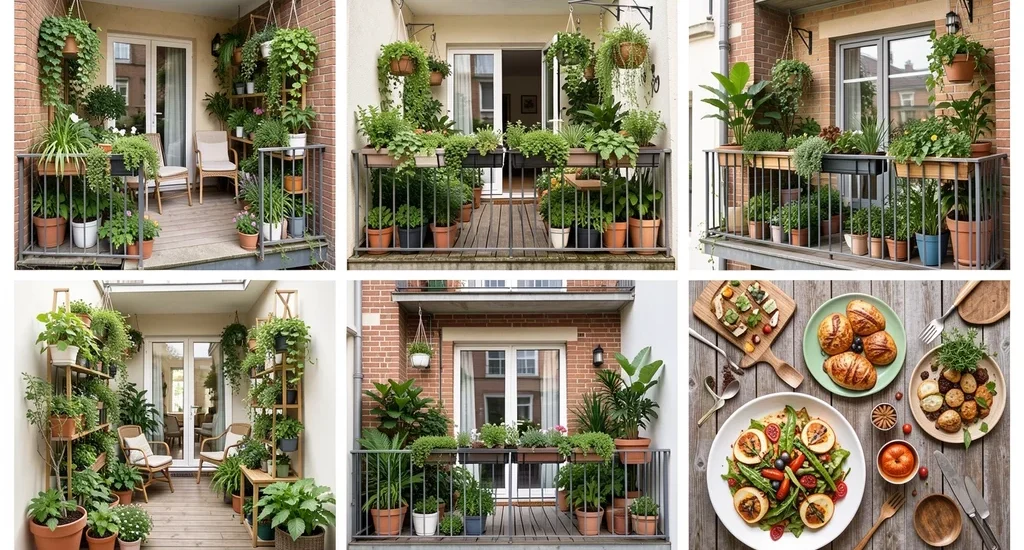
Transforming your balcony into a lush green oasis is easier than you think with the right gardening ideas for balconies. Even the smallest outdoor space can burst with life when you use smart techniques like vertical planters, hanging pots, and compact furniture. This guide covers everything from space-saving plant choices to DIY solutions that turn limited square footage into a thriving garden retreat.
You can create a stunning balcony garden by focusing on vertical space, choosing compact plants, and using multi-functional furniture. Even a 5×5 foot area can support 20+ plants with the right approach.
Why Balcony Gardening Works for Urban Living
Urban dwellers often struggle with limited outdoor space, but balcony gardening offers a practical solution. Unlike traditional gardens, balcony setups let you grow food, flowers, and foliage in containers that fit your lifestyle. You control the soil, water, and sunlight exposure, which means fewer pests and diseases compared to ground planting.
According to a study by the National Gardening Association, container gardening has grown by 28% in urban areas over the past decade. This trend reflects how more people are embracing small-space solutions to reconnect with nature. Balcony gardens also improve air quality by filtering pollutants—NASA research shows that common houseplants like spider plants and peace lilies can remove up to 87% of volatile organic compounds from the air.
Key benefits include:
- Fresh herbs and vegetables at your fingertips without a grocery trip
- Therapeutic stress relief—studies show gardening reduces cortisol levels by up to 30%
- Increased property value, as landscaped outdoor spaces add up to 12% to home resale prices
- Customizable designs that fit any style, from modern minimalist to rustic cottage
- Year-round growing potential with the right plant selections and protection methods
Tip: Start with easy-to-grow plants like basil, mint, or cherry tomatoes to build confidence before tackling more challenging varieties.
Assessing Your Balcony Space and Conditions
Before buying plants or containers, evaluate your balcony’s specific conditions. The amount of sunlight, wind exposure, and available space will determine what you can grow successfully. Most edible plants need at least 6 hours of direct sunlight daily, while leafy greens and herbs can tolerate partial shade.
Use this checklist to assess your space:
- Sunlight: Track how many hours of direct sunlight your balcony receives. South-facing balconies get the most light, while north-facing ones stay shady. East-facing spots get morning sun, and west-facing ones receive hot afternoon light.
- Wind: High-rise balconies often experience strong winds that can dry out plants quickly. Consider windbreaks like trellises or tall plants to protect more delicate species.
- Weight Capacity: Check your balcony’s weight limit—standard balconies support 50-100 lbs per square foot. A gallon of soil weighs about 8 lbs, so plan accordingly.
- Water Access: Ensure you have a convenient water source. Dragging a hose or carrying watering cans up multiple flights becomes tedious quickly.
- Privacy Needs: If overlooked by neighbors, plan for privacy screens using tall plants, lattice panels, or outdoor curtains.
| Sunlight Level | Suitable Plants | Avoid These |
|---|---|---|
| Full Sun (6+ hours) | Tomatoes, Peppers, Roses, Lavender, Succulents | Ferns, Hostas, Impatiens |
| Partial Sun (3-6 hours) | Herbs (basil, parsley), Leafy greens, Begonias, Geraniums | Cacti, Citrus trees |
| Full Shade (<3 hours) | Mint, Ferns, Hostas, Coleus, Impatiens | Rosemary, Thyme, Most vegetables |
The right plant selection makes all the difference in balcony gardening success. Match your choices to your specific light conditions for the best results.
Vertical Gardening Solutions for Small Balconies
When floor space is limited, growing up is the answer. Vertical gardening maximizes your balcony’s potential by using walls, railings, and overhead space. These systems not only save space but also create stunning visual displays that can transform a plain balcony into a botanical masterpiece.
The University of Georgia Extension reports that vertical gardens can produce up to 4 times more yield per square foot than traditional horizontal planting. This efficiency makes them perfect for balcony settings where every inch counts. Plus, vertical arrangements improve air circulation around plants, reducing the risk of fungal diseases.
Wall-Mounted Planters
These systems attach directly to your balcony walls or railings. Pocket planters made from felt or plastic allow you to grow multiple plants in a compact footprint. For heavier setups, ensure proper anchoring to support the weight when soil and plants are added.
- Fabric Pocket Planters: Lightweight and flexible, ideal for herbs and small flowers. Each pocket holds about 1-2 plants.
- Modular Panel Systems: Interlocking plastic or metal panels that you can arrange in various configurations. Great for creating living walls.
- Gutter Gardens: Repurposed rain gutters mounted horizontally create long, narrow planting spaces perfect for shallow-rooted plants.
- Hanging Shoe Organizers: An inexpensive DIY solution where each pocket can hold a small plant.
Trellises and Climbing Structures
For balconies with some floor space, trellises provide support for climbing plants while adding height to your garden. These work especially well for vining vegetables like cucumbers, beans, and peas, as well as flowering climbers such as clematis or morning glories.
- Bamboo Trellises: Natural and lightweight, these blend seamlessly with plants but may need replacement after 2-3 seasons.
- Metal Obelisks: Decorative and sturdy, these spiral structures support multiple vines growing upward.
- Wall-Mounted Grids: Simple wire or wooden grids attached to walls give climbers a surface to attach to.
- DIY Pallet Trellises: Upcycled wooden pallets stood vertically create instant climbing frames.
Important: Always secure climbing structures firmly to prevent them from toppling in windy conditions. Use wall anchors rated for at least 50 lbs more than your estimated total weight.
Best Container Options for Balcony Gardens
Choosing the right containers is crucial for balcony gardening success. Your pots need to provide adequate space for roots while being lightweight enough for your balcony to support. The material also affects moisture retention and durability in outdoor conditions.
Container gardening expert Melinda Myers recommends that each plant have at least 1 gallon of soil per foot of expected height. This means a tomato plant that grows 6 feet tall needs a minimum 6-gallon container. Smaller plants like herbs can thrive in 1-2 gallon pots.
| Container Type | Pros | Cons | Best For |
|---|---|---|---|
| Plastic Pots | Lightweight, inexpensive, various colors, retains moisture | Less breathable, can become brittle in sun | Herbs, annual flowers |
| Terracotta Pots | Natural look, breathable, good for root health | Heavy, fragile, dries out quickly | Succulents, cacti |
| Fabric Grow Bags | Lightweight, excellent drainage, promotes air pruning | Less durable, requires frequent watering | Vegetables, potatoes |
| Wooden Boxes | Natural appearance, good insulation, customizable | Heavy, can rot over time | Perennials, shrubs |
| Hanging Baskets | Saves floor space, good airflow, decorative | Limited root space, dries out quickly | Trailing plants, flowers |
| Window Boxes | Space-efficient, easy to install, good drainage | Limited depth, may need frequent watering | Herbs, small flowers |
For most balcony gardeners, a mix of container types works best. Use lightweight plastic or fabric pots for the majority of plants, then add a few decorative terracotta or wooden containers for visual interest. Always ensure every pot has adequate drainage holes to prevent waterlogging.
Top Plant Choices for Balcony Gardens
Selecting the right plants is the key to a thriving balcony garden. You want species that are compact, productive, and well-suited to container life. Focus on plants that offer multiple benefits—whether that’s food, fragrance, or visual appeal throughout multiple seasons.
The Royal Horticultural Society recommends that balcony gardeners prioritize plants with these characteristics: compact growth habits, tolerance for container conditions, resistance to pests and diseases, and high ornamental or culinary value. With the right choices, you can enjoy fresh produce, beautiful blooms, and pleasant scents from spring through fall.
Best Vegetables for Small Spaces
Many vegetables adapt well to container growing. The key is choosing varieties bred for small spaces. Look for terms like “bush,” “dwarf,” “compact,” or “container-friendly” when selecting seeds or seedlings.
- Cherry Tomatoes: Varieties like ‘Tiny Tim’, ‘Patio Princess’, or ‘Balcony Red’ stay compact while producing abundant fruit. Each plant needs at least a 5-gallon container.
- Peppers: Both sweet and hot varieties do well in pots. ‘Jalapeño M’, ‘Shishito’, and ‘Mini Bell’ are excellent choices. Provide full sun and consistent moisture.
- Lettuce and Greens: Leaf lettuces, spinach, kale, and arugula can be harvested multiple times. Use shallow, wide containers for these shallow-rooted plants.
- Radishes: One of the fastest-growing vegetables, ready in as little as 25 days. Perfect for beginners and small containers.
- Green Onions: Regrow from store-bought scraps or plant seeds. These take up minimal space and provide continuous harvests.
- Bush Beans: Varieties like ‘Blue Lake Bush’ or ‘Contender’ produce well in containers without needing trellises.
- Cucumbers: Choose bush varieties like ‘Bush Champion’ or train vining types up a trellis. Provide consistent moisture for best results.
Herbs That Thrive in Containers
Herbs are among the easiest and most rewarding plants for balcony gardens. Most need minimal space and provide fresh flavors for cooking. The University of Maryland Extension notes that container-grown herbs often have more intense flavors than those grown in ground soil because you can control the growing conditions more precisely.
- Basil: Grows quickly and produces abundantly. Pinch back flowers to encourage leaf growth. Needs full sun and regular watering.
- Mint: Vigorous grower that spreads aggressively—best kept in its own container. Perfect for teas and cocktails.
- Rosemary: Drought-tolerant once established. The upright varieties work better in containers than prostrate types.
- Thyme: Low-growing and spreading, this herb works well in shallow containers. Great for seasoning meats and vegetables.
- Parsley: Slow to start but produces for months. Choose flat-leaf varieties for best flavor.
- Cilantro: Fast-growing but tends to bolt in hot weather. Succession plant every 3-4 weeks for continuous harvest.
- Chives: Perennial herb that comes back year after year. Produces pretty purple flowers that are also edible.
Warning: Avoid planting mint with other herbs, as it can take over the container. Also, never use garden soil in pots—it compacts and doesn’t drain well. Always use a quality potting mix.
Flowers for Color and Pollinators
Flowers add vibrant color to your balcony while attracting beneficial pollinators like bees and butterflies. Many flowering plants also have fragrances that enhance your outdoor space. According to the Pollinator Partnership, urban gardens play a crucial role in supporting declining pollinator populations.
Consider these flowering plants for your balcony:
- Petunias: Available in countless colors, these prolific bloomers thrive in containers. Deadhead regularly for continuous flowers.
- Geraniums: Classic balcony plants with vibrant blooms and fragrant foliage. Choose from zonal, ivy, or scented varieties.
- Marigolds: Bright orange and yellow flowers that repel pests naturally. Great companion plants for vegetables.
- Pansies: Cold-tolerant flowers that bloom in spring and fall. Available in a wide range of colors and patterns.
- Nasturtiums: Edible flowers with a peppery taste. They cascade beautifully over container edges and repel aphids.
- Lavender: Drought-tolerant once established, with fragrant purple flowers. Needs excellent drainage and full sun.
- Calibrachoa: Also called million bells, these look like mini petunias and bloom profusely all season.
Space-Saving Furniture and Layout Ideas
Furniture choices can make or break your balcony garden experience. The right pieces provide comfortable seating and working surfaces while maximizing your available space. Look for multi-functional items that serve multiple purposes.
A study by the American Society of Landscape Architects found that 78% of homeowners consider outdoor living spaces essential. For balconies, this means choosing furniture that’s appropriately scaled to the area. Oversized pieces can make a small balcony feel cramped, while too-small furniture may not be practical.
Foldable and Stackable Solutions
For the smallest balconies, furniture that can be stored when not in use is ideal. These pieces allow you to transform your space as needed—from gardening workstation to relaxing retreat.
- Folding Tables and Chairs: Metal or plastic options that fold flat against the wall or under railings. Choose rust-resistant materials for outdoor use.
- Stackable Stools: Lightweight stools that nest together when not in use. Can double as plant stands or extra seating.
- Wall-Mounted Drop-Leaf Tables: Tables that fold down from the wall or railing when needed, then fold up to save space.
- Rolling Carts: Wheeled trolleys that can serve as plant stands, work surfaces, or serving carts. Move them as needed for different activities.
Built-In and Multi-Functional Pieces
For slightly larger balconies, built-in or multi-functional furniture maximizes usability. These pieces often include storage solutions that help keep your gardening tools and accessories organized.
- Storage Benches: Seating that opens to reveal storage space underneath. Perfect for storing pots, soil, and gardening tools.
- Railing Planters with Seating: Some railing systems include built-in benches or wide ledges that can serve as seating.
- Convertible Coffee Tables: Tables that lift to reveal storage or convert into dining tables. Some even include built-in planters.
- Corner Sofas with Storage: L-shaped seating that fits into corners, often with storage beneath the cushions.
- Bar-Height Tables: Tall, narrow tables that take up less floor space while providing a surface for dining or container gardening.
| Furniture Type | Space Needed | Best For | Storage Potential |
|---|---|---|---|
| Folding Chair | 1.5 sq ft | Seating | None |
| Storage Bench | 4 sq ft | Seating + Storage | High |
| Drop-Leaf Table | 2 sq ft (folded) | Dining/Work | Low |
| Rolling Cart | 2 sq ft | Flexible Use | Medium |
| Corner Sofa | 6-8 sq ft | Lounging | Medium |
Choose furniture that fits your balcony’s scale and your intended use. For very small spaces, stick with foldable or stackable options. For larger balconies, consider built-in solutions with storage.
Watering and Maintenance Tips
Proper watering is the most critical maintenance task for balcony gardens. Container plants dry out much faster than those in the ground, especially in sunny, windy locations. The key is consistent moisture without waterlogging, which requires a balance that changes with the seasons and weather conditions.
Research from the University of Florida IFAS Extension shows that container plants may need watering daily in hot weather, while the same plants in ground soil might only need water once or twice a week. This difference highlights the importance of regular attention to your balcony garden’s moisture needs.
Watering Strategies
Develop a watering routine that accounts for your specific conditions. The type of containers, plants, and microclimate on your balcony all affect how often you need to water. Here are proven strategies for keeping your plants properly hydrated:
- Morning Watering: Water early in the day to reduce evaporation and prevent fungal diseases. This gives plants time to absorb moisture before the heat of the day.
- Drip Irrigation Systems: Install a simple drip system with a timer for consistent moisture. These systems deliver water directly to the roots, reducing waste and preventing foliage diseases.
- Self-Watering Containers: Use pots with built-in reservoirs that provide consistent moisture. These can extend the time between waterings to every 2-3 days in hot weather.
- Capillary Matting: Place wicks or mats in containers that draw water from a reservoir. This passive system works well for vacation watering.
- Rainwater Harvesting: Collect rainwater in barrels or buckets for an eco-friendly water source. Just ensure your collection system doesn’t create mosquito breeding grounds.
- Grouping Plants: Arrange containers close together to create a microclimate that retains humidity. This works especially well for moisture-loving plants.
- Mulching: Apply a layer of organic mulch like straw or bark to the soil surface to reduce evaporation. This also helps regulate soil temperature.
Fertilizing Container Plants
Container plants deplete soil nutrients faster than ground plants because their root systems are confined. Regular fertilizing is essential for healthy growth and abundant harvests. The type and frequency of fertilization depend on your plants’ needs.
- Slow-Release Granules: Mixed into the soil at planting time, these provide nutrients over 3-6 months. Good for low-maintenance gardening.
- Liquid Fertilizers: Applied every 2-4 weeks during the growing season. These provide quick nutrient uptake and allow for precise control.
- Organic Options: Include compost tea, fish emulsion, or seaweed extracts. These improve soil health while providing nutrients.
- Specialty Formulas: Use plant-specific fertilizers (like tomato or rose food) for better results with particular crops.
- Worm Castings: A gentle, organic fertilizer that also improves soil structure. Mix into potting soil or top-dress containers.
Tip: Always fertilize moist soil to prevent burning plant roots. If the soil is dry, water first, then apply fertilizer.
Seasonal Care Calendar
Maintenance needs change throughout the year. This seasonal guide helps you stay on top of balcony garden care:
| Season | Watering | Fertilizing | Other Tasks |
|---|---|---|---|
| Spring | Increase as temperatures rise | Begin regular feeding | Plant new crops, repot as needed |
| Summer | Daily in hot weather | Every 2-3 weeks | Prune, deadhead, watch for pests |
| Fall | Reduce as temperatures drop | Light feeding for perennials | Harvest, clean up, plant cool-season crops |
| Winter | Minimal, as needed | None for dormant plants | Protect from frost, plan for next season |
Adjust this schedule based on your local climate and specific plants. In very hot or dry areas, you may need to water twice daily during peak summer.
DIY Balcony Garden Projects
Creating your own garden features adds a personal touch to your balcony oasis while saving money. Many DIY projects use repurposed materials, making them eco-friendly as well as budget-conscious. The satisfaction of building your own planters or supports adds to the enjoyment of your balcony garden.
A survey by the National Gardening Association found that 63% of gardeners engage in DIY projects for their outdoor spaces. These projects not only save money but also allow for customization to perfectly fit your space and style preferences.
Upcycled Container Ideas
Many household items can be transformed into unique planters with a bit of creativity. These projects reduce waste while adding character to your balcony garden. Just ensure any container you use has adequate drainage and is safe for plants.
- Wooden Crates: Line with landscape fabric and fill with soil for instant rustic planters. Stack them vertically for a multi-level display.
- Pallets: Stand vertically to create a planting wall, or lay horizontally as a raised bed. Sand and seal the wood first to prevent splinters.
- Old Tires: Paint and stack to create colorful, tiered planters. Line with landscape fabric to prevent soil from falling through.
- Plastic Bottles: Cut large plastic bottles in half to create hanging planters. Decorate with paint or twine for a more attractive look.
- Shoe Organizers: Hang fabric shoe organizers on walls or railings for a vertical pocket garden. Perfect for herbs and small flowers.
- Tea Tins: Clean metal tea tins make charming small planters for herbs or succulents. Ensure they have drainage holes.
- Wine Boxes: Wooden wine boxes can be planted directly or used as bases for elevated displays. Their compartments work well for herb gardens.
Simple Trellis and Support Projects
Building your own supports gives you the freedom to create exactly what your plants need. These projects are often simpler than they appear and can be completed in an afternoon with basic tools and materials.
- Bamboo Teepee: Bundle 4-6 bamboo poles at the top and spread the bottoms to create a cone-shaped support. Perfect for beans, peas, or cucumbers.
- Cattle Panel Arch: Bend a section of cattle panel into an arch shape and secure to create a sturdy support for climbing plants.
- Twine Trellis: Stretch twine between two points (like railing posts) in a grid pattern. Simple but effective for lightweight climbers.
- PVC Pipe Frame: Create a rectangular frame from PVC pipes and fittings, then add netting or wire for plants to climb.
- Branch Trellis: Collect sturdy branches and lash them together into a lattice pattern. This creates a natural, rustic look.
Important: Always use untreated wood or food-safe materials for edible gardens. Avoid pressure-treated lumber, which can leach chemicals into the soil.
Common Balcony Gardening Mistakes to Avoid
Even experienced gardeners make mistakes when transitioning to balcony gardening. Being aware of these common pitfalls can help you avoid them and set your garden up for success from the start. Learning from others’ errors saves time, money, and frustration.
The most frequent issues in balcony gardening stem from misunderstanding the unique challenges of container growing. Unlike traditional gardens, potted plants have limited root space and rely entirely on you for their needs. This means mistakes can have more immediate and severe consequences.
Overcrowding Containers
One of the most common mistakes is trying to fit too many plants into a single container. While it might seem efficient, overcrowding leads to competition for water and nutrients, stunting all the plants’ growth.
- Follow Spacing Guidelines: Check seed packets or plant tags for recommended spacing and give plants at least that much room.
- Use the “Thriller, Filler, Spiller” Rule: For mixed containers, include one tall plant (thriller), one mid-height plant (filler), and one trailing plant (spiller).
- Avoid Planting Incompatible Species: Don’t mix plants with different water or light needs in the same container.
- Consider Mature Sizes: Remember that small seedlings will grow much larger. Plan for their adult size, not their current size.
Improper Watering Practices
Watering mistakes are a leading cause of plant death in balcony gardens. Both underwatering and overwatering can stress plants, but the symptoms often look similar—yellowing leaves, wilting, or leaf drop—making diagnosis tricky.
- Check Soil Moisture: Stick your finger an inch into the soil. If it feels dry, it’s time to water. If it’s damp, wait another day.
- Avoid Watering on a Schedule: Instead of watering every day at a set time, water based on the plants’ needs, which change with weather conditions.
- Water Deeply: When you do water, give plants a thorough soaking until water runs out the drainage holes. This encourages deep root growth.
- Use Room-Temperature Water: Cold water can shock plant roots, especially in hot weather. Let tap water sit for a few hours before using.
- Water the Soil, Not the Leaves: Direct water at the base of plants to prevent fungal diseases. Use a watering can with a long spout for precision.
Neglecting Drainage
Proper drainage is essential for container gardening. Without it, water pools at the bottom of pots, leading to root rot and other problems. Even if your containers have drainage holes, other factors can affect proper water flow.
- Always Use Containers with Drainage Holes: If you love a pot without holes, drill some yourself or use it as a cache pot (a decorative outer pot) with the plant in a removable inner pot.
- Elevate Containers: Use pot feet or bricks to lift containers off the ground, allowing water to drain freely.
- Check Drainage Holes: Ensure holes aren’t clogged with soil or roots. Clean them out if water isn’t draining properly.
- Avoid Saucer Overuse: While saucers catch excess water, they can also trap water against the pot’s base. Empty saucers after watering.
- Use Well-Draining Soil: Regular garden soil compacts in containers. Use a quality potting mix with perlite or vermiculite for better drainage.
Frequently Asked Questions
Can I grow vegetables on a north-facing balcony?
Yes, you can grow vegetables on a north-facing balcony, but you’ll need to focus on shade-tolerant varieties. Leafy greens like lettuce, spinach, and kale do well with limited sunlight. Herbs such as mint, parsley, and chives also tolerate shady conditions.
Consider using reflective surfaces like white walls or mirrors to maximize the available light.
How much weight can my balcony support?
Most residential balconies are designed to support 50-100 pounds per square foot. To calculate your total weight, add up the weight of containers, soil (about 8 lbs per gallon), plants, water, and furniture. When in doubt, check your building’s specifications or consult a structural engineer.
Distribute weight evenly and avoid placing heavy items near the edges.
What are the best plants for a windy balcony?
For windy balconies, choose sturdy, compact plants that can withstand gusts. Succulents, ornamental grasses, and dwarf shrubs are good options. Avoid tall, top-heavy plants that can tip over.
Use windbreaks like trellises, tall plants, or outdoor screens to protect more delicate species. Group containers together to create a more stable arrangement.
How do I prevent pests in my balcony garden?
Start with healthy plants and good cultural practices to prevent pest problems. Inspect new plants carefully before bringing them onto your balcony. Use companion planting—like marigolds to repel nematodes or basil to deter mosquitoes.
Encourage beneficial insects like ladybugs and lacewings that prey on pests. If problems arise, use organic pest control methods like neem oil or insecticidal soap.
Can I garden on my balcony year-round?
Year-round balcony gardening is possible with the right approach. In cold climates, focus on cold-hardy plants like kale, spinach, and some herbs during winter. Use row covers or cloches to protect plants from frost.
Consider moving potted plants indoors or to a sheltered area during extreme weather. In warmer climates, you can garden year-round with appropriate plant selections for each season.
Final Thoughts
Creating a thriving balcony garden is entirely possible with the right gardening ideas for balconies, regardless of your space size. Focus on vertical growing, choose compact plants, and use smart container solutions to maximize your area. Remember that consistent care—especially proper watering and fertilizing—is key to success.
Start small, learn as you go, and don’t be afraid to experiment with different plants and arrangements until you find what works best for your unique space.