Last Updated on October 22, 2026 by D. Ruddy
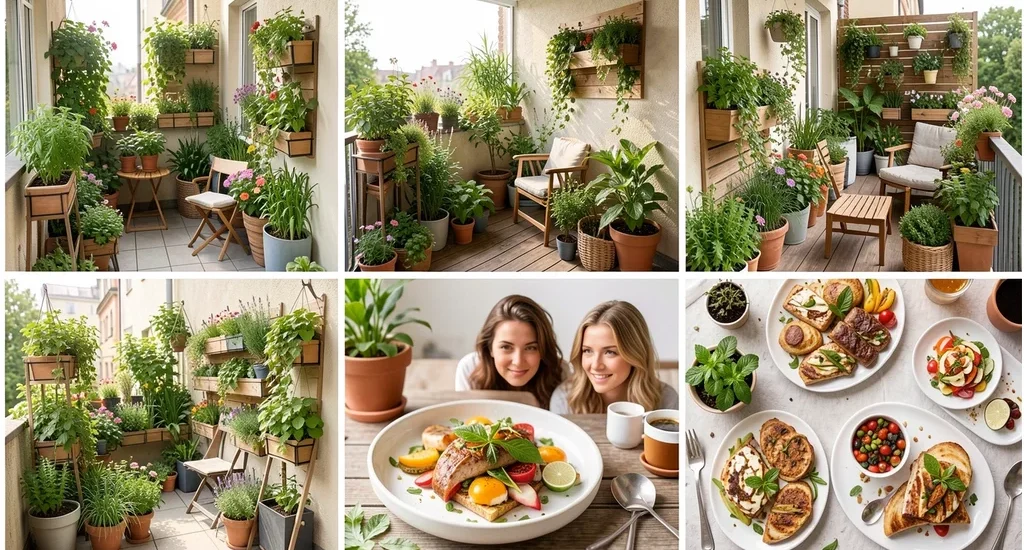
Turning a small balcony into a lush oasis is easier than you think. With the right garden ideas for balcony spaces, even the tiniest outdoor area can bloom into a vibrant retreat. Whether you crave fresh herbs, colorful flowers, or a cozy green nook, this guide covers everything you need to maximize your space without overwhelming it.
You can transform any balcony into a thriving garden with vertical planters, compact furniture, and smart plant choices. Start small with herbs and trailing plants, then expand as you gain confidence.
Assess Your Balcony Space First
Before buying plants or accessories, evaluate your balcony’s conditions. Measure the floor space, check sunlight exposure, and note wind patterns. Most balconies fall into one of three categories: full sun, partial shade, or full shade.
This determines which plants will thrive.
Also consider weight limits. Soil and planters add up quickly—a gallon of potting mix weighs about 12 pounds. Check your building’s guidelines if you’re unsure.
A sturdy railing or wall can support vertical gardens, while floor space works for larger containers.
- Sunlight: Track how many hours of direct light your balcony gets daily
- Wind: High balconies may need windbreaks or sturdier plants
- Water access: Plan how you’ll water plants if no outdoor tap exists
- Privacy: Use tall plants or trellises if you want to screen off neighbors
- Storage: Ensure you have space for tools, soil bags, and seasonal items
| Balcony Type | Best Plants | Avoid These |
|---|---|---|
| Full Sun (6+ hours) | Tomatoes, Basil, Petunias, Succulents | Ferns, Hostas, Impatiens |
| Partial Shade (3-6 hours) | Mint, Parsley, Begonias, Pansies | Cacti, Rosemary, Lavender |
| Full Shade (<3 hours) | Ferns, Ivy, Coleus, Lettuce | Most Herbs, Citrus Trees |
Remember that microclimates can vary even on the same balcony. A corner might stay shady while the center gets full sun. Observe these patterns for a week before finalizing your plant selection.
Vertical Garden Ideas to Maximize Space
Vertical gardening is a game-changer for small balconies. It allows you to grow more plants in less floor space while creating a stunning visual impact. The key is choosing the right system for your needs and skill level.
Start with simple wall-mounted planters or hanging pockets. These work well for herbs, small flowers, and trailing plants. For a more advanced setup, consider a modular vertical garden system with built-in irrigation.
These can support everything from leafy greens to strawberries.
Tip: Rotate vertical planters occasionally so all sides get equal sunlight. This prevents plants from growing lopsided toward the light.
- Pocket Planters: Fabric or felt pockets attached to a wall or railing. Ideal for herbs and small flowers. Each pocket holds one plant.
- Stackable Planters: Tiered pots that fit into each other, creating a vertical column. Great for strawberries or trailing plants.
- Wall-Mounted Systems: Modular panels with planting pockets. Can cover entire walls and include irrigation.
- Hanging Baskets: Suspended from the ceiling or railing. Perfect for trailing plants like ivy or petunias.
- Trellis and Climbing Plants: Install a trellis and grow vines like jasmine or beans. Adds height and privacy.
- Gutter Gardens: Repurposed rain gutters mounted horizontally. Excellent for shallow-rooted plants.
| Vertical System | Pros | Cons |
|---|---|---|
| Pocket Planters | Affordable, easy to install, good airflow | Limited root space, dries out quickly |
| Stackable Planters | Space-efficient, visually appealing | Top plants may shade lower ones |
| Wall Systems | High capacity, professional look | Expensive, complex installation |
For renters, freestanding vertical gardens or leaning ladder shelves offer a non-permanent solution. These can be moved when you change homes and don’t require drilling into walls.
Best Plants for Balcony Gardens
Choosing the right plants is crucial for a successful balcony garden. Focus on compact varieties that thrive in containers. Herbs are beginner-friendly and useful in the kitchen, while flowers add color and attract pollinators.
Vegetables can be rewarding but may require more care.
Consider plant height and growth habits. Tall plants like tomatoes need sturdy supports, while trailing varieties like nasturtiums work well in hanging baskets. Mix different types for visual interest and continuous blooms or harvests.
Top Herbs for Balcony Gardens
- Basil: Loves sun, grows quickly, perfect for pesto. Pinch back flowers to encourage leaf growth.
- Mint: Hardy and fast-growing. Keep in its own container as it spreads aggressively.
- Thyme: Drought-tolerant once established. Great for cooking and ground cover.
- Rosemary: Needs full sun and well-draining soil. Can grow quite large.
- Parsley: Biennial herb that self-seeds. Prefers partial shade in hot climates.
- Cilantro: Fast-growing but bolts in heat. Successive planting ensures continuous harvest.
- Chives: Perennial that comes back year after year. Attracts beneficial insects.
Easy Flowers for Color and Pollinators
- Petunias: Bright, abundant blooms. Trail beautifully from hanging baskets.
- Geraniums: Classic balcony plant with long bloom season. Drought-tolerant.
- Pansies: Cold-hardy and come in many colors. Edible flowers for garnishes.
- Marigolds: Natural pest repellent. Compact varieties available.
- Nasturtiums: Edible flowers and leaves. Trail or climb depending on variety.
- Begonias: Thrive in shade. Colorful blooms and attractive foliage.
- Impatiens: Shade-loving annuals with continuous flowers. Great for color in low-light balconies.
Important: According to the National Gardening Association, container plants need more frequent watering than in-ground plants, often daily in hot weather. Always check soil moisture before watering.
Compact Vegetables for Small Spaces
- Cherry Tomatoes: Produce abundantly in containers. Need full sun and support.
- Lettuce: Fast-growing and shallow-rooted. Harvest outer leaves for continuous supply.
- Radishes: Ready in 3-4 weeks. Great for beginners and kids.
- Peppers: Compact varieties like ‘Jalapeño’ or ‘Shishito’ do well in pots.
- Green Onions: Regrow from store-bought scraps. Cut and come again.
- Dwarf Carrots: Short varieties like ‘Paris Market’ grow well in deep containers.
- Bush Beans: Compact growth habit. Produce heavily in small spaces.
Container Selection and Soil Essentials
The right containers can make or break your balcony garden. They need to be the appropriate size for your plants, have good drainage, and complement your space’s aesthetic. Material choice affects durability, weight, and insulation.
Always use containers with drainage holes to prevent root rot. If you love a pot without holes, drill some yourself or use it as a cache pot (a decorative outer pot that holds a plain plastic pot with drainage). Elevate pots on feet or a stand to allow water to drain freely.
Container Material Comparison
| Material | Pros | Cons | Best For |
|---|---|---|---|
| Terracotta | Breathable, natural look, good for roots | Heavy, breaks easily, dries out quickly | Mediterranean plants, herbs |
| Plastic | Lightweight, durable, retains moisture | Less breathable, can look cheap | Hanging baskets, railings |
| Wood | Natural insulation, attractive, can be custom-built | Can rot, needs sealing, heavier | Raised beds, window boxes |
| Metal | Durable, modern look, lightweight | Can heat up in sun, may rust | Industrial style balconies |
| Fiberglass | Lightweight, weather-resistant, many styles | Can be expensive, less eco-friendly | Large plants, permanent setups |
Soil and Fertilizer Basics
Never use garden soil in containers—it compacts and drains poorly. Instead, use a high-quality potting mix designed for containers. These mixes are lightweight, drain well, and contain the right nutrients for potted plants.
For most plants, a general-purpose potting mix works fine. Specialty mixes are available for specific needs:
- Cacti and Succulents: Need a fast-draining mix with sand or perlite
- Acid-Loving Plants: Like blueberries need a mix with peat moss
- Vegetables: Benefit from mixes with added compost or organic matter
- Herbs: Prefer lighter mixes that don’t hold too much moisture
Fertilize container plants regularly since nutrients wash out with frequent watering. Use a balanced liquid fertilizer every 2-4 weeks during the growing season. Slow-release granules can be mixed into the soil at planting time for convenience.
Warning: Over-fertilizing can lead to salt buildup in the soil, which damages plant roots. Always follow package instructions and flush the soil with water occasionally to remove excess salts.
Space-Saving Furniture and Layout Ideas
Balcony furniture should be functional, durable, and space-efficient. Look for pieces that serve multiple purposes or can be folded and stored when not in use. The right layout can make your balcony feel like an extension of your indoor living space.
Start by defining zones based on how you want to use the space. A small bistro set creates a dining area, while a cozy bench with cushions makes a relaxing nook. Add side tables for drinks and books, and don’t forget storage for gardening supplies.
Multi-Functional Furniture Pieces
- Folding Tables and Chairs: Can be stored against the wall when not in use. Look for weather-resistant materials.
- Storage Benches: Provide seating and hidden storage for cushions or gardening tools.
- Bar Cart: Doubles as a serving station and plant stand. Wheels make it easy to move.
- Hanging Chairs: Save floor space while creating a cozy spot. Need a sturdy ceiling hook.
- Convertible Furniture: Some tables convert to benches or have leaves that fold down.
- Railing Planters with Seating: Wide railing planters can double as a bench for small balconies.
Layout Tips for Small Balconies
- Use Corners: Place tall plants or shelves in corners to maximize floor space
- Create Levels: Use plant stands or small stools to create height variation
- Hang Items: Hanging baskets, wall planters, and ceiling hooks free up floor space
- Mirror Trick: A small outdoor mirror can make a balcony feel larger
- Lighting: String lights or solar lamps add ambiance without taking up space
- Color Coordination: Stick to a color scheme for a cohesive, put-together look
- Pathway: Leave at least 2 feet of clear space for comfortable movement
| Furniture Piece | Space Needed | Seats |
|---|---|---|
| Bistro Set (2 chairs + table) | 5′ x 3′ | 2 |
| Storage Bench | 3′ x 1.5′ | 2-3 |
| Folding Chair | 1.5′ x 1.5′ | 1 |
Watering and Maintenance Tips
Container gardens dry out faster than in-ground plants, so consistent watering is crucial. The frequency depends on your climate, plant types, and container size. In hot weather, some plants may need watering twice daily, while others might go a few days between drinks.
Develop a routine that works for your schedule. Morning is the best time to water, as it gives plants time to absorb moisture before the heat of the day. Avoid watering in the evening, as damp foliage can encourage fungal diseases.
Watering Guidelines by Plant Type
| Plant Type | Watering Frequency | Signs of Overwatering | Signs of Underwatering |
|---|---|---|---|
| Herbs | Every 1-2 days | Yellowing leaves, mold | Wilting, dry soil |
| Succulents | Every 2-3 weeks | Mushy stems, black spots | Wrinkled leaves |
| Vegetables | Daily in heat | Blossom end rot, leaf drop | Slow growth, crispy edges |
| Flowers | Every 2-3 days | Bud drop, root rot | Drooping, dry petals |
Maintenance Tasks Schedule
- Daily: Check soil moisture, water as needed, remove dead flowers or leaves
- Weekly: Inspect for pests, wipe down leaves (for indoor plants), check plant supports
- Bi-weekly: Fertilize (during growing season), rotate plants for even growth
- Monthly: Prune to shape plants, clean containers, check for root-bound plants
- Seasonally: Repot if needed, refresh soil, clean and store furniture for winter
Tip: Use self-watering containers for plants that need consistent moisture. These have a reservoir that provides water as the plant needs it, reducing maintenance time.
Seasonal Care for Balcony Gardens
Your balcony garden will have different needs throughout the year. Planning for seasonal changes ensures your plants stay healthy and your space remains enjoyable regardless of the weather.
In spring, it’s time to plant and refresh. Summer requires vigilant watering and pest control. Fall is for harvesting and preparing for cooler weather.
Winter may mean protecting plants or switching to cold-hardy varieties.
Spring Preparation
- Clean Up: Remove dead plants and debris from winter. Wash containers with soapy water.
- Refresh Soil: Replace old soil with fresh potting mix. Add compost for nutrients.
- Start Seeds: Begin seeds indoors for warm-season plants. Direct sow cool-season crops.
- Harden Off: Gradually acclimate indoor-grown seedlings to outdoor conditions.
- Fertilize: Apply slow-release fertilizer to give plants a nutrient boost.
- Check Equipment: Ensure trellises, supports, and irrigation systems are in good shape.
Summer Maintenance
- Water Deeply: Water in the morning to prevent evaporation. Aim for the soil, not the leaves.
- Mulch: Add a layer of mulch to retain moisture and suppress weeds.
- Shade Cloth: Use shade cloth for plants that struggle in intense afternoon sun.
- Pest Control: Check for pests regularly. Use organic methods like neem oil or insecticidal soap.
- Deadhead: Remove spent blooms to encourage more flowers.
- Harvest: Pick vegetables and herbs regularly to promote continued production.
Fall Transition
- Plant Cool-Season Crops: Lettuce, spinach, kale, and radishes thrive in cooler weather.
- Collect Seeds: Save seeds from your best-performing plants for next year.
- Protect from Frost: Cover tender plants with frost cloth on cold nights.
- Reduce Watering: As temperatures drop, plants need less water.
- Clean Up: Remove dead annuals and add them to your compost pile.
- Bring Indoors: Move potted herbs or tropical plants indoors before the first frost.
Winter Considerations
- Cold-Hardy Plants: Grow kale, Swiss chard, or winter lettuce in mild climates.
- Protect Containers: Insulate pots with bubble wrap or move them to a sheltered spot.
- Water Sparingly: Plants need very little water in winter. Let soil dry out between waterings.
- Check Moisture: Even in winter, containers can dry out, especially in windy locations.
- Plan Ahead: Use winter downtime to plan next year’s garden and order seeds.
- Decorate: Add evergreen boughs, berries, or outdoor lights for winter interest.
Important: According to the USDA, frost dates vary significantly by region. Know your local average frost dates to time your planting and protection efforts correctly.
Common Mistakes to Avoid
Even experienced gardeners make mistakes with balcony gardens. Being aware of common pitfalls can help you avoid them and ensure your garden thrives from the start.
One of the biggest mistakes is overcrowding. It’s tempting to fit as many plants as possible into a small space, but this leads to competition for resources and increased disease risk. Give each plant enough room to grow and good airflow.
- Ignoring Weight Limits: Overloading a balcony with heavy containers can be dangerous. Distribute weight evenly and check your balcony’s capacity.
- Poor Drainage: Using containers without drainage holes leads to root rot. Always ensure excess water can escape.
- Overwatering: More plants die from overwatering than underwatering. Check soil moisture before watering.
- Underestimating Wind: High balconies can have strong winds that dry out plants quickly and damage tender growth.
- Neglecting Fertilizer: Container plants deplete soil nutrients faster than in-ground plants. Regular feeding is essential.
- Choosing Wrong Plants: Selecting plants that are too large for your space or unsuitable for your light conditions leads to disappointment.
- Skipping Pest Control: Small spaces can have big pest problems. Regular inspection and early intervention are key.
| Mistake | Solution | Prevention |
|---|---|---|
| Overcrowding | Thin out plants or repot | Follow spacing guidelines |
| Poor Drainage | Drill drainage holes | Choose containers with holes |
| Overwatering | Let soil dry, improve drainage | Use moisture meter |
Budget-Friendly Balcony Garden Ideas
Creating a beautiful balcony garden doesn’t have to break the bank. With some creativity and resourcefulness, you can build an impressive green space on a modest budget. The key is to start small, upcycle materials, and propagate plants yourself.
Begin with what you already have. Old buckets, wooden crates, or even plastic storage bins can be turned into planters with a little modification. Visit thrift stores, garage sales, or online marketplaces for inexpensive containers and furniture.
DIY Planter Ideas
- Pallet Planters: Disassemble wooden pallets and use the slats to create vertical gardens or raised beds. Sand and seal the wood first.
- Bucket Planters: Paint old buckets in fun colors and drill drainage holes. Group them together for a cohesive look.
- Shoe Organizers: Hang a canvas shoe organizer on the wall and fill the pockets with soil and plants.
- Tin Can Planters: Clean and paint tin cans, then use them for small herbs or succulents. Punch holes in the bottom for drainage.
- Wooden Crates: Line with landscape fabric and fill with soil. Stack them for a tiered garden.
- Plastic Bottles: Cut large plastic bottles in half and use the top or bottom as a planter. Decorate with paint or fabric.
- Gutter Gardens: Use old rain gutters as long, narrow planters. Mount them on walls or railings.
Money-Saving Tips
- Propagate Plants: Many plants can be grown from cuttings or divisions. Ask friends for clippings or take cuttings from public gardens (where permitted).
- Seed Swapping: Join local gardening groups to swap seeds and plants with other gardeners.
- Compost at Home: Create your own compost from kitchen scraps to enrich your soil for free.
- DIY Fertilizer: Make compost tea or use diluted fish emulsion for natural fertilization.
- Repurpose Materials: Use old furniture, ladders, or shelves as plant stands or vertical gardens.
- Shop End of Season: Buy plants, containers, and supplies at the end of the growing season when prices are discounted.
- Start from Seed: Growing from seed is much cheaper than buying mature plants. It also gives you access to more varieties.
Tip: Check local “Buy Nothing” groups on social media. People often give away free plants, pots, and gardening supplies they no longer need.
Frequently Asked Questions
Can I grow vegetables on my balcony?
Absolutely! Many vegetables thrive in containers on balconies. Start with easy options like lettuce, radishes, green onions, and cherry tomatoes.
Ensure your balcony gets at least 6-8 hours of sunlight daily for most vegetables. Use containers that are deep enough for the plants’ root systems—at least 12 inches deep for most vegetables.
How do I keep pests away from my balcony garden?
Prevent pests by maintaining healthy plants, as stressed plants are more susceptible. Use companion planting—certain plants naturally repel pests (e.g., marigolds deter nematodes, basil repels mosquitoes). For existing pests, try organic solutions like neem oil, insecticidal soap, or introducing beneficial insects like ladybugs.
Regularly inspect your plants for early signs of trouble.
What are the best low-maintenance plants for a balcony?
For beginners or those short on time, choose hardy plants that require minimal care. Succulents like jade or aloe need very little water. Herbs such as rosemary, thyme, and oregano are drought-tolerant once established.
Snake plants and ZZ plants are nearly indestructible houseplants that can tolerate balcony conditions. Pothos is another excellent low-maintenance option that thrives in various light conditions.
How much sunlight do balcony plants need?
Sunlight needs vary by plant type. Most vegetables, herbs, and flowering plants need full sun, which means at least 6-8 hours of direct sunlight daily. Leafy greens like lettuce and spinach can tolerate partial shade (3-6 hours of sun).
For shady balconies, choose plants like ferns, ivy, or coleus that thrive in low-light conditions. Observe your balcony’s sunlight patterns throughout the day to determine the best spots for different plants.
Can I have a balcony garden if I rent my apartment?
Yes, you can create a beautiful balcony garden as a renter. Focus on portable, non-permanent solutions. Use containers that can be moved, like pots with saucers or fabric grow bags.
Avoid drilling into walls or railings—opt for freestanding shelves, leaning ladders, or railing planters that don’t require permanent installation. Check your lease agreement for any restrictions, and consider getting renter’s insurance to protect your investment in plants and containers.
Final Thoughts
Transforming your balcony into a lush garden is a rewarding project that brings nature closer to home. With the right garden ideas for balcony spaces, even the smallest outdoor area can become a vibrant retreat. Start with a realistic assessment of your space and conditions, then choose plants and containers that suit your lifestyle.
Whether you’re growing fresh herbs, colorful flowers, or compact vegetables, the key is to start small and expand as you gain confidence. Remember that consistency in care and a bit of creativity can overcome most space limitations.