Last Updated on October 22, 2026 by D. Ruddy
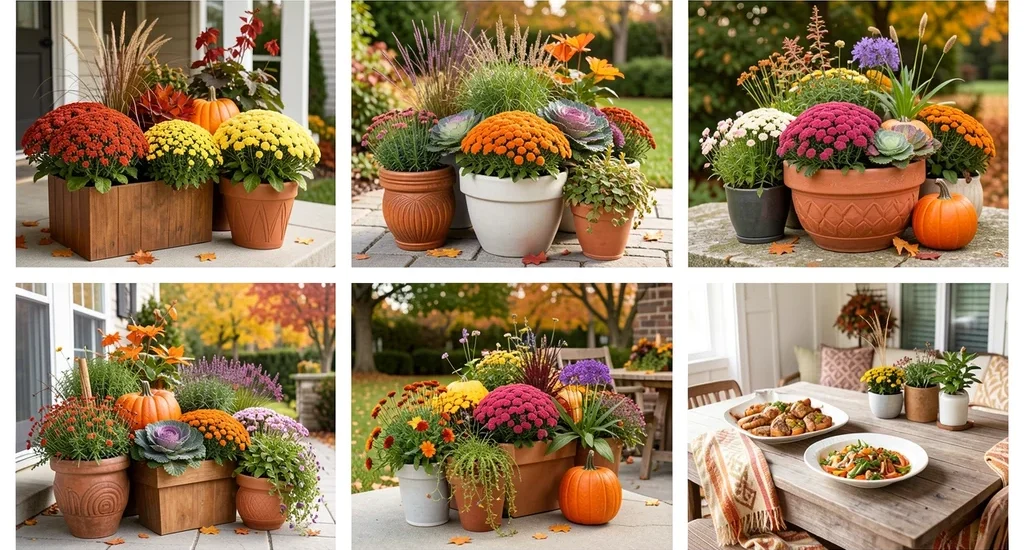
Transforming your outdoor space with seasonal charm starts with the right fall outdoor planter ideas. As the leaves change and temperatures drop, your planters can become the focal point of your porch, patio, or garden. The key is choosing the right plants, containers, and arrangements that thrive in autumn’s cooler weather while adding warm, inviting colors and textures to your home’s exterior.
You can create stunning fall planters by combining hardy mums, ornamental kale, and colorful foliage in weather-resistant containers. Focus on layers of height, texture, and warm tones like oranges, reds, and purples for maximum impact.
Best Plants for Fall Outdoor Planters
Not all plants can handle the cooler temperatures and fluctuating weather of fall. The best choices are those that thrive in crisp air and even light frosts. Start with a foundation of hardy annuals and perennials that offer rich autumnal colors and textures.
Chrysanthemums, often called mums, are the superstars of fall planters. They come in a rainbow of warm hues—burnt orange, deep red, sunny yellow, and purple—and bloom prolifically in cooler weather. Pair them with ornamental kale or cabbage for striking foliage that becomes more vibrant as temperatures drop.
Other excellent choices include:
- Pansies and Violas: These cold-tolerant flowers bloom in a variety of colors and can survive light frosts, making them perfect for early fall displays.
- Ornamental Peppers: Their glossy, colorful fruits add a pop of brightness and a slightly spicy flair to your arrangements.
- Heuchera (Coral Bells): Known for their stunning purplish or golden foliage, they provide year-round interest and pair beautifully with fall blooms.
- Sedum (Stonecrop): This succulent-like perennial offers clusters of tiny star-shaped flowers and fleshy leaves that add texture.
- Goldenrod: A native wildflower with bright yellow plumes that attract pollinators and add height to your planters.
- Asters: Daisy-like flowers in purple, pink, or white that bloom late into the season and attract butterflies.
- Swiss Chard: Its colorful stems and large, glossy leaves add dramatic height and a touch of edible appeal.
Tip: For a long-lasting display, choose plants with similar sunlight and watering needs. Most fall favorites prefer full sun to partial shade and well-draining soil.
When selecting plants, consider their mature heights. Place taller varieties like ornamental grasses or Swiss chard in the center or back of the planter, mid-height plants like mums and asters in the middle, and trailing options such as sweet potato vine or creeping Jenny at the edges for a cascading effect.
Choosing the Right Containers for Fall Planters
The container you choose can make or break your fall outdoor planter. The right pot not only complements your plants but also withstands the elements. As temperatures drop, materials like terracotta can crack in freezing weather, while others may not drain properly, leading to root rot.
Opt for durable, weather-resistant materials that can handle moisture and temperature changes. Here are the best container options for fall:
| Container Type | Pros | Cons | Best For |
|---|---|---|---|
| Galvanized Metal | Durable, rustic look, weather-resistant | Can get hot in direct sun, may rust over time | Farmhouse or rustic styles |
| Fiberglass or Resin | Lightweight, mimics stone/wood, won’t crack | Less eco-friendly, can fade in UV light | Modern or contemporary settings |
| Wooden Boxes | Natural look, customizable, good insulation | Can rot if not treated, heavier | Cottage or traditional gardens |
| Concrete or Stone | Extremely durable, heavy (won’t tip), classic | Very heavy, limited colors | Permanent installations |
| Ceramic or Pottery | Wide variety of styles/colors, elegant | Fragile in freezing temps, can crack | Protected areas like covered porches |
For a cohesive look, stick to one or two container styles that complement your home’s exterior. Mixing too many materials can create visual clutter. If you love the eclectic look, vary the sizes and shapes within the same material family—such as different-sized galvanized tubs or a collection of wooden crates.
Warning: Always ensure your containers have drainage holes to prevent waterlogging, which can kill your plants. If you fall in love with a pot without holes, drill some yourself or use it as a cache pot (a decorative outer pot that holds a plain nursery pot inside).
Color Schemes for Stunning Fall Planters
Fall is all about warm, inviting colors that evoke the changing leaves and harvest season. The right color palette can make your planters pop and tie your outdoor space together. While traditional autumn colors like orange, red, and yellow are classic choices, don’t be afraid to experiment with unexpected combinations.
Here are five foolproof color schemes for your fall outdoor planter ideas, along with plant suggestions for each:
- Classic Harvest (Warm Tones): This timeless palette features rich oranges, deep reds, and golden yellows. Use orange mums, red salvia, and yellow marigolds for a vibrant display. Add in some dried corn stalks or mini pumpkins for extra texture and a festive touch.
- Moodier Autumn (Deep and Moody): For a sophisticated look, opt for deep burgundy, purple, and bronze. Combine purple fountain grass, burgundy heuchera, and dark kale with some copper-colored ornamental peppers. This scheme works especially well in shaded areas.
- Neutral Elegance (Earthy Tones): If you prefer a more subdued look, stick to creams, tans, and soft greens. White mums, dusty miller (with its silvery foliage), and light green sedum create a calm, elegant arrangement. Add in some birch bark or pinecones for natural texture.
- Jewel Tones (Bold and Bright): Make a statement with deep jewel tones like emerald green, sapphire blue, and amethyst purple. Use purple asters, blue lobelia, and deep green ornamental grass. This palette is unexpected but stunning for fall.
- Monochromatic Magic (Single Color Family): Pick one color and use different shades for a cohesive look. For example, use light pink mums, deep pink dianthus, and burgundy kale for a pink-themed planter. This approach is simple but visually striking.
When designing your color scheme, consider the colors of your home’s exterior, front door, or other outdoor decor. Your planters should complement these elements rather than clash with them. If your home has a neutral facade, you can go bold with your planters.
If your house is already colorful, choose planter colors that harmonize with the existing palette.
Layering Techniques for Dimension and Impact
The secret to eye-catching fall outdoor planters is layering—creating visual interest by combining plants of different heights, textures, and colors. This technique, often called the “thriller, filler, spiller” method, ensures your arrangement looks full and dynamic from every angle.
Here’s how to master the layering technique for your fall planters:
Thriller: The Centerpiece
This is your tallest element, placed in the center or back of the planter to add height and drama. Thrillers draw the eye upward and create a focal point. For fall planters, consider these thriller options:
- Ornamental Grasses: Varieties like fountain grass or maiden grass add movement and texture with their wispy plumes.
- Corn Stalks or Millet: These provide a rustic, farmhouse feel and can reach impressive heights.
- Tall Sedum: Varieties like ‘Autumn Joy’ sedum can grow up to 2 feet tall and produce clusters of pink flowers.
- Sunflowers: Dwarf varieties like ‘Teddy Bear’ or ‘Moulin Rouge’ add cheerful height without overwhelming the planter.
- Bamboo Stakes with Ivy: For a more structured look, train climbing ivy or vines up bamboo stakes in the center.
Filler: The Middle Layer
Fillers are mid-height plants that add volume and color to your planter. They should complement your thriller and spiller while providing the bulk of your arrangement. For fall, these fillers work exceptionally well:
- Chrysanthemums: The quintessential fall filler, available in a wide range of colors and sizes.
- Ornamental Kale or Cabbage: Their large, colorful leaves add texture and depth.
- Asters: These daisy-like flowers come in purple, pink, or white and bloom late into the season.
- Heuchera (Coral Bells): Their colorful foliage adds interest even after other plants stop blooming.
- Pansies or Violas: Cold-hardy and available in many colors, they provide reliable blooms.
Spiller: The Cascading Element
Spillers trail over the edges of your planter, softening its lines and creating a lush, abundant look. For fall, choose spillers that can handle cooler temperatures:
- Sweet Potato Vine: Available in lime green, black, or purple, its trailing vines add a pop of color.
- Creeping Jenny (Lysimachia): This ground cover has bright green or golden foliage that spills beautifully.
- Ivy: English ivy or variegated Swedish ivy add classic trailing greenery.
- Lobelia: Trailing varieties come in blue, purple, or white and produce delicate flowers.
- Ornamental Strawberry: Its low-growing habit and white flowers with yellow centers add charm.
Important: When layering, place your thriller first, then add fillers around it, and finally tuck spillers into the edges. This order ensures each plant has enough space to grow and shine.
For a balanced look, use the “rule of thirds” in your planter. Divide the space into three sections: one-third for your thriller, one-third for fillers, and one-third for spillers. This ratio creates a harmonious, visually pleasing arrangement that doesn’t feel top-heavy or sparse.
DIY Fall Planter Ideas for Every Style
Whether your outdoor aesthetic is rustic, modern, or somewhere in between, there’s a DIY fall planter idea to match. The best part? Many of these projects use repurposed or inexpensive materials, making them budget-friendly as well as beautiful.
Rustic Wooden Crate Planter
Wooden crates are versatile, affordable, and perfect for a farmhouse or rustic look. You can often find them at thrift stores, flea markets, or even grocery stores. To create this look:
- Line the crate with landscape fabric to prevent soil from falling out while allowing for drainage.
- Fill the bottom with a few inches of gravel or broken pottery for drainage.
- Add potting soil and arrange your plants using the thriller-filler-spiller method.
- For extra rustic charm, distress the wood with sandpaper or add a coat of weathered gray paint.
Best For: Porches, decks, or garden paths with a country or farmhouse vibe.
Galvanized Metal Tub Planter
Galvanized metal tubs are durable, weather-resistant, and add industrial charm to your outdoor space. They’re especially fitting for modern farmhouse or cottage-style homes. To create this look:
- Choose a tub that’s at least 12-18 inches deep to accommodate plant roots.
- Drill drainage holes in the bottom if they’re not already present.
- Fill with a mix of potting soil and compost for nutrient-rich growing conditions.
- Plant a combination of tall grasses, mums, and trailing ivy for a balanced arrangement.
- For a vintage look, lightly sand the edges to create a distressed finish.
Best For: Patios, front porches, or as a focal point in your garden.
Pumpkin Planter
Turn a simple pumpkin into a charming, temporary planter for fall. This idea is perfect for adding a festive touch to your porch or entryway. Here’s how to do it:
- Choose a large, sturdy pumpkin with a flat top. Carve out the top as you would for a jack-o’-lantern, removing the seeds and pulp.
- Line the inside with plastic (like a grocery bag) to hold the soil and prevent the pumpkin from rotting too quickly.
- Fill with potting soil and plant small fall flowers like mums, pansies, or ornamental kale.
- Water lightly, as the pumpkin will retain moisture. Replace the planter when the pumpkin begins to deteriorate.
Best For: Seasonal decor on porches, steps, or tabletops.
Burlap Sack Planter
Burlap sacks add a cozy, textured look to your fall planters and are incredibly easy to customize. This idea works well for both large and small displays. To create this look:
- Line a burlap sack with a plastic container or another waterproof material to prevent soil from leaking out.
- Fill with potting soil and arrange your plants. Tall grasses or corn stalks work well in the center, with mums or kale around the edges.
- Tie the top of the sack with twine or jute rope for a gathered look.
- For extra flair, stencil a fall-themed word or design onto the burlap with paint.
- Place the sack on a tray or saucer to catch any water that drains out.
Best For: Adding texture and warmth to doorsteps, patios, or garden borders.
Wheelbarrow Planter
An old wheelbarrow can become a stunning, mobile fall planter that adds charm and functionality to your outdoor space. This idea is perfect for large displays or as a centerpiece in your garden. Here’s how to do it:
- Clean the wheelbarrow thoroughly and ensure it has drainage holes (drill some if necessary).
- Line the bottom with landscape fabric to prevent soil from washing out.
- Fill with a mix of potting soil and compost.
- Arrange your plants in layers, using tall elements like corn stalks or grasses in the back and trailing plants like sweet potato vine at the front.
- Add decorative elements like hay bales, mini pumpkins, or gourds around the base for extra fall flair.
Best For: Creating a dramatic focal point in gardens, driveways, or large patios.
Tip: For DIY planters, always consider weight. If your planter will be moved frequently, use lightweight materials like fiberglass or resin. If it’s stationary, you can use heavier materials like concrete or stone.
Seasonal Maintenance Tips for Fall Planters
Fall weather can be unpredictable, with warm days, cool nights, and the occasional early frost. Proper maintenance ensures your planters stay vibrant and healthy throughout the season. Here’s how to keep them looking their best:
Watering
As temperatures drop and days grow shorter, your plants will need less water than they did in the summer. However, it’s still important to keep the soil consistently moist but not waterlogged. Here are some watering tips for fall planters:
- Check Soil Moisture: Stick your finger about an inch into the soil. If it feels dry, it’s time to water. If it’s still moist, wait a day or two.
- Water in the Morning: Watering early in the day allows excess moisture to evaporate, reducing the risk of fungal diseases.
- Adjust for Rainfall: If your area receives regular rain, you may not need to water as often. Use a rain gauge to monitor precipitation.
- Avoid Overhead Watering: Water at the base of the plants to keep foliage dry and prevent disease.
- Use Room-Temperature Water: Cold water can shock plant roots, especially in cooler temperatures.
Fertilizing
Fall planters benefit from a bit of extra nutrition to support their growth and blooming. Here’s how to fertilize effectively:
- Use a Balanced Fertilizer: A slow-release, balanced fertilizer (like 10-10-10) provides essential nutrients without overwhelming your plants.
- Fertilize at Planting: Mix a small amount of fertilizer into the soil when you first plant your fall arrangement.
- Light Feeding Every Few Weeks: Apply a liquid fertilizer every 2-3 weeks to keep plants thriving. Avoid over-fertilizing, which can lead to leggy growth or burned roots.
- Stop Fertilizing Before Frost: Once frost is expected, stop fertilizing to allow plants to harden off for winter.
Protecting from Frost
An unexpected frost can damage or kill tender plants in your fall planters. Here’s how to protect them:
- Monitor Weather Forecasts: Keep an eye on local weather reports for frost warnings.
- Cover Planters Overnight: Use frost cloth, old blankets, or even cardboard boxes to cover your planters when frost is expected. Remove the covers during the day to allow sunlight and air circulation.
- Move Planters Indoors: If possible, move potted planters to a garage, shed, or covered porch during cold snaps.
- Group Planters Together: Clustering planters together can create a microclimate that retains heat and protects plants.
- Use Mulch: Add a layer of mulch (like straw or shredded leaves) around your plants to insulate the soil and protect roots from freezing.
Deadheading and Pruning
Regular deadheading (removing spent blooms) and pruning encourage your plants to produce more flowers and maintain a tidy appearance. Here’s how to do it:
- Deadhead Mums and Other Bloomers: Pinch off faded flowers at the base of the stem to encourage new blooms and prevent seed formation.
- Trim Leggy Growth: If plants like sweet potato vine or ivy become too long or sparse, trim them back to promote bushier growth.
- Remove Yellow or Damaged Leaves: Prune away any yellowed, diseased, or damaged foliage to keep your planters looking fresh.
- Cut Back Perennials: If your planter includes perennials like sedum or grasses, cut them back by one-third in late fall to tidy them up for winter.
Pest and Disease Control
Fall planters can attract pests like aphids, slugs, and snails, as well as diseases like powdery mildew. Here’s how to keep your plants healthy:
| Issue | Prevention | Treatment |
|---|---|---|
| Aphids | Inspect plants regularly, encourage beneficial insects like ladybugs | Spray with soapy water or neem oil |
| Slugs and Snails | Use copper tape around planters, remove hiding spots | Handpick or use organic slug bait |
| Powdery Mildew | Avoid overhead watering, space plants for airflow | Apply fungicide or baking soda solution |
| Botrytis Blight | Remove dead leaves, improve air circulation | Prune affected areas, apply fungicide |
According to the University of Massachusetts Amherst, fall is a critical time for pest and disease management, as cooler temperatures and moisture can create ideal conditions for many issues. Regular monitoring and quick action can prevent minor problems from becoming major headaches.
Fall Planter Ideas for Small Spaces
Even if you have limited outdoor space, you can still enjoy the beauty of fall planters. Small spaces like balconies, tiny porches, or apartment entryways can benefit from carefully chosen containers and plants that maximize impact without overwhelming the area.
Window Box Planters
Window boxes are a classic way to add fall charm to small spaces. They’re perfect for apartment dwellers or anyone with limited ground space. Here’s how to make the most of them:
- Choose the Right Size: Ensure your window box is at least 6-8 inches deep to accommodate plant roots. The length should match the width of your window.
- Secure Properly: Use sturdy brackets to attach the box to your window frame or railing. Ensure it’s level and secure to prevent accidents.
- Use Lightweight Soil: Opt for a lightweight potting mix to avoid adding unnecessary weight to your window.
- Select Compact Plants: Choose dwarf varieties of mums, ornamental kale, or pansies that won’t outgrow the space.
- Add Trailers: Include spillers like creeping Jenny or lobelia to soften the edges and create a lush look.
Best For: Apartments, condos, or homes with limited outdoor space.
Hanging Basket Planters
Hanging baskets are a great way to add fall color without taking up floor space. They’re ideal for porches, balconies, or even tree branches. Here’s how to create a stunning fall hanging basket:
- Choose a basket with a coconut coir or sphagnum moss liner to retain moisture.
- Fill with a high-quality potting mix designed for containers.
- Plant a combination of trailing and mounding plants. For fall, try a mix of trailing lobelia, mounding mums, and spilling sweet potato vine.
- Water frequently, as hanging baskets dry out more quickly than ground planters. Check the soil moisture daily.
- Fertilize weekly with a liquid fertilizer to support continuous blooming.
Best For: Porches, patios, or any area where you can hang a basket from above.
Tiered Planter Stand
A tiered planter stand allows you to display multiple small planters in a vertical arrangement, maximizing space and creating visual interest. Here’s how to use one for fall:
- Choose a Sturdy Stand: Select a stand made of metal, wood, or resin that can handle the weight of your planters and soil.
- Vary Plant Heights: Place taller plants on the lower tiers and shorter, trailing plants on the upper tiers for a balanced look.
- Use Matching Containers: For a cohesive appearance, use planters of the same material or color on each tier.
- Rotate for Sunlight: If your stand is in a fixed location, rotate the planters occasionally to ensure all sides receive adequate sunlight.
- Group by Plant Needs: Place plants with similar sunlight and watering requirements on the same stand.
Best For: Small patios, balconies, or entryways where floor space is limited.
Railing Planters
If you have a balcony, deck, or porch with railings, railing planters are a space-saving way to add fall color. These planters attach directly to your railing, freeing up floor space. Here’s how to use them:
- Choose railing planters that fit securely on your railing. Ensure they have drainage holes and are made of durable, weather-resistant materials.
- Line the planter with landscape fabric to prevent soil from falling out.
- Fill with potting soil and arrange your plants. Use a mix of upright and trailing plants for a full look.
- Secure the planter to the railing with the provided hardware or additional zip ties for extra stability.
- Water regularly, as railing planters can dry out quickly due to exposure to wind and sun.
Best For: Balconies, decks, or porches with railings.
Important: For small spaces, choose plants that are proportional to the size of your containers. Overcrowding can lead to poor air circulation, disease, and stunted growth.
Budget-Friendly Fall Planter Ideas
Creating beautiful fall planters doesn’t have to break the bank. With a little creativity and resourcefulness, you can design stunning arrangements on a budget. Here are some cost-effective ideas to help you save without sacrificing style:
Repurpose Household Items
Look around your home for items that can be transformed into planters. Many everyday objects can serve as unique and budget-friendly containers. Here are some ideas:
- Old Boots or Shoes: Fill a pair of worn-out rain boots or galoshes with soil and plants for a whimsical display.
- Wooden Barrels or Buckets: These can be painted or left natural for a rustic look. Ensure they have drainage holes or use them as cache pots.
- Baskets: Wicker or wire baskets lined with plastic can make charming planters. Use them to hold smaller pots or plant directly into the lined basket.
- Tin Cans: Clean and paint old tin cans, then use them for small plants like pansies or herbs. Group several together for a fun, eclectic look.
- Pallets: Disassemble a wooden pallet and use the slats to create a DIY planter box. Sand and stain the wood for a polished look.
Shop Smart for Plants
Plants can be one of the most expensive parts of creating fall planters, but there are ways to save. Here’s how to get the most bang for your buck:
- Buy in Bulk: Purchase plants in larger quantities or multi-packs instead of individual pots. This is often more cost-effective, especially for fillers like mums or pansies.
- Choose Smaller Sizes: Opt for smaller plants or plugs, which are less expensive than mature plants. They’ll grow quickly in your planter and catch up in size.
- Look for Sales: Many garden centers and nurseries offer discounts on fall plants later in the season. Shop in late September or early October for the best deals.
- Divide Perennials: If you have perennials in your garden, divide them in early fall and use the divisions in your planters. Plants like sedum, hostas, and daylilies are easy to divide.
- Propagate Your Own: Take cuttings from existing plants in your garden or a friend’s to propagate your own. Many plants, like coleus or impatiens, root easily in water.
Use Natural and Foraged Elements
Incorporate free, natural elements into your fall planters to add texture and interest without spending a dime. Here are some ideas:
- Pinecones: Collect pinecones from your yard or a nearby park to add rustic charm to your planters.
- Acorns and Nuts: Scatter these around the base of your plants for a natural, autumnal touch.
- Twigs and Branches: Use fallen branches to create a mini trellis or tepee in your planter for climbing plants.
- Dried Leaves: Add a layer of colorful fall leaves to the top of the soil for a seasonal look.
- Gourds and Mini Pumpkins: These can be purchased inexpensively at grocery stores or farm stands and add instant fall flair.
DIY Soil Mix
Potting soil can be pricey, but you can create your own budget-friendly mix at home. Here’s a simple recipe for a general-purpose potting mix:
- Combine 1 part garden soil (sterilized to kill weeds and pests) with 1 part compost for nutrients.
- Add 1 part perlite or vermiculite for drainage and aeration.
- Mix in a handful of slow-release fertilizer for added nutrition.
- Store the mix in a covered container until ready to use.
This DIY mix is perfect for most fall plants and can save you money compared to pre-packaged potting soil.
Swap Plants with Friends or Neighbors
Organize a plant swap with friends, neighbors, or local gardening groups. This is a great way to get a variety of plants for your fall planters without spending money. Here’s how to host a successful swap:
- Set a Date and Location: Choose a time and place that’s convenient for everyone. A local park or community garden is a great option.
- Invite Participants: Reach out to friends, neighbors, or local gardening clubs. Use social media or community boards to spread the word.
- Prepare Your Plants: Dig up divisions, take cuttings, or pot up extra plants from your garden to bring to the swap.
- Label Your Plants: Include the plant name and any care instructions to help others know what they’re getting.
- Bring Supplies: Pack extra pots, soil, and tools to share with others.
Tip: According to the National Gardening Association, the average American spends about $503 annually on gardening. By using budget-friendly strategies like repurposing, swapping, and DIY mixes, you can significantly reduce this cost while still enjoying beautiful fall planters.
Inspiring Fall Planter Themes
Take your fall outdoor planters to the next level by designing them around a specific theme. Themed planters add personality and cohesion to your outdoor space, making them a conversation starter and a true reflection of your style. Here are some inspiring themes to consider:
Farmhouse Fall
The farmhouse style is all about warmth, simplicity, and natural elements. To create a farmhouse-themed fall planter:
- Use Galvanized Metal or Wooden Containers: These materials evoke a rustic, down-home feel.
- Incorporate Traditional Fall Colors: Stick to warm oranges, reds, and yellows with neutral accents like cream and brown.
- Add Natural Textures: Include elements like burlap, twine, or dried corn stalks for a cozy, textured look.
- Choose Classic Plants: Opt for mums, sunflowers, and ornamental kale for a traditional farmhouse feel.
- Accessories: Add mini pumpkins, gourds, or hay bales around the base of your planter for extra charm.
Best For: Porches, front steps, or garden paths in a rural or suburban setting.
Modern Minimalist
For a sleek, contemporary look, focus on clean lines, simple color palettes, and uncluttered arrangements. To create a modern minimalist fall planter:
- Choose containers in neutral colors like white, black, or gray. Opt for geometric shapes or smooth, simple designs.
- Stick to a limited color palette. For example, use only white and deep green, or black and orange.
- Use a single type of plant or a very limited selection. For example, plant only white mums or a mix of white and green.
- Keep arrangements sparse and structured. Avoid overcrowding and let each plant have its own space.
- Incorporate modern materials like concrete, fiberglass, or metal for a contemporary feel.
Best For: Urban patios, modern homes, or minimalist outdoor spaces.
Bohemian Eclectic
Bohemian-style fall planters are all about mixing and matching colors, textures, and patterns for a vibrant, free-spirited look. To create a boho-themed planter:
- Mix Container Styles: Use a variety of containers in different colors, materials, and sizes. Think macramé hangers, painted pots, and woven baskets.
- Embrace Bold Colors: Incorporate rich, saturated hues like deep purple, hot pink, and electric blue alongside traditional fall colors.
- Layer Textures: Combine plants with different leaf shapes and textures, such as fuzzy lamb’s ear, spiky ornamental grass, and smooth kale.
- Add Patterned Accents: Use patterned fabric, tiles, or paint to customize your containers.
- Include Global-Inspired Elements: Add touches like dreamcatchers, mandala designs, or Moroccan lanterns around your planters.
Best For: Eclectic outdoor spaces, bohemian gardens, or festival-inspired decor.
Woodland Whimsy
Bring the enchantment of the forest to your outdoor space with a woodland-themed fall planter. This theme is perfect for creating a magical, fairy-tale-like atmosphere. To create this look:
- Use natural, earthy containers like wooden boxes, bark-covered pots, or moss-lined baskets.
- Incorporate plants with a wild, natural look, such as ferns, moss, and wildflowers. Add in some foraged elements like pinecones, acorns, or twigs.
- Choose a color palette inspired by the forest, with deep greens, browns, and burgundies. Add in pops of color with berries or autumn leaves.
- Include woodland creatures like ceramic mushrooms, gnomes, or fairy figurines for a whimsical touch.
- Use natural materials like stones, pebbles, or tree slices as accents around your planter.
Best For: Wooded yards, shaded gardens, or any space where you want to create a magical, nature-inspired vibe.
Coastal Chic
If you love the relaxed, breezy feel of the coast, a coastal-themed fall planter is a perfect choice. This theme focuses on light, airy colors and natural textures. To create a coastal chic planter:
- Use Light, Neutral Containers: Opt for white, sand, or driftwood-colored pots in materials like weathered wood, ceramic, or resin.
- Incorporate Beachy Colors: Stick to a palette of whites, creams, soft blues, and sandy beiges. Add in touches of seafoam green or coral for a pop of color.
- Choose Coastal Plants: Use plants that thrive in coastal environments, such as ornamental grasses, sedum, and succulents. Add in some beach grass or sea oats for a true coastal feel.
- Add Natural Textures: Incorporate elements like seashells, driftwood, or sand into your planter arrangement.
- Keep It Light and Airy: Avoid overcrowding your planter. Let each plant have plenty of space to breathe and grow.
Best For: Beach houses, coastal homes, or any space where you want to evoke the feeling of the sea.
Frequently Asked Questions
How do I keep my fall planters looking fresh all season?
To keep your fall planters looking their best, water them regularly but avoid overwatering, as cooler temperatures mean less evaporation. Deadhead spent blooms to encourage new growth, and fertilize lightly every few weeks with a balanced, slow-release fertilizer. Protect your planters from early frosts by covering them overnight or moving them to a sheltered location.
Regularly remove yellowed or damaged leaves to maintain a tidy appearance.
What are the best low-maintenance plants for fall planters?
For low-maintenance fall planters, choose hardy plants that can handle cooler temperatures and require minimal care. Some of the best options include ornamental kale and cabbage, which become more vibrant as temperatures drop, and mums, which are prolific bloomers. Sedum, ornamental grasses, and heuchera are also excellent choices, as they require little watering or pruning and provide long-lasting interest.
Can I use the same planters for fall and winter?
Yes, you can repurpose your fall planters for winter, but you’ll need to swap out the plants. Replace summer and fall annuals with cold-hardy options like evergreen boughs, holly, or winterberry. You can also add seasonal decor like pinecones, berries, or fairy lights for a festive winter look.
Ensure your containers are weather-resistant to withstand freezing temperatures.
How do I prevent pests in my fall planters?
To prevent pests in your fall planters, start with healthy plants and use a high-quality potting mix. Inspect your plants regularly for signs of pests like aphids, slugs, or snails. Encourage beneficial insects like ladybugs and lacewings, which prey on common garden pests.
Avoid overhead watering to keep foliage dry and reduce the risk of fungal diseases. If pests do appear, treat them with organic solutions like neem oil or insecticidal soap.
What’s the best way to transition my planters from summer to fall?
To transition your planters from summer to fall, start by removing any spent summer annuals or tired-looking plants. Refresh the soil by adding a bit of compost or slow-release fertilizer to replenish nutrients. Then, add your fall plants, focusing on those that thrive in cooler temperatures.
Consider the color palette and textures you want to achieve, and don’t forget to layer your plants for visual interest. Finally, add any seasonal decor like pumpkins, gourds, or fall leaves to complete the look.
Final Thoughts
Fall outdoor planters are a simple yet powerful way to bring seasonal beauty to your home. By choosing the right plants, containers, and color schemes—and layering them with care—you can create arrangements that thrive in autumn’s changing conditions. Whether you prefer rustic charm, modern minimalism, or bohemian eclecticism, there’s a fall planter idea to match your style.
With a little creativity and maintenance, your planters will provide warmth and color well into the season.