Last Updated on October 22, 2026 by D. Ruddy
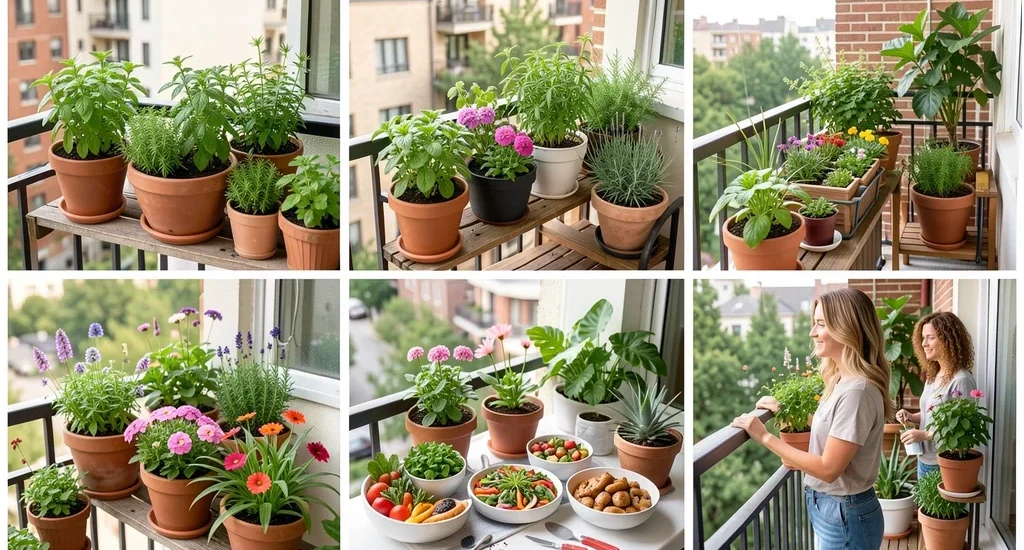
Transforming a small balcony into a lush green oasis is easier than you think. With the right easy balcony gardening ideas, even beginners can grow herbs, flowers, or vegetables without needing a yard. This guide covers practical, space-saving solutions that work for apartments, condos, or any urban setting.
You can start a thriving balcony garden with just containers, good soil, and the right plants. Even a 4×6 foot space can yield fresh herbs, colorful flowers, or compact vegetables with minimal daily effort.
Best Plants for Balcony Gardening
Not all plants thrive in containers or limited sunlight. The best balcony plants are compact, low-maintenance, and adaptable to pot life. Herbs like basil, mint, and thyme grow quickly and need little space.
Leafy greens such as lettuce and spinach also do well in shallow containers.
For flowers, petunias, marigolds, and pansies add color without demanding much care. Dwarf varieties of tomatoes, peppers, and strawberries are perfect for small pots. Avoid large plants like corn or pumpkins—they need more room than a balcony can provide.
- Herbs: Basil, mint, parsley, chives, cilantro
- Vegetables: Cherry tomatoes, peppers, lettuce, spinach, radishes
- Flowers: Petunias, marigolds, pansies, geraniums, begonias
- Fruits: Strawberries, dwarf citrus, blueberries (compact varieties)
- Succulents: Aloe, jade plant, sedum (for dry climates)
| Plant Type | Sunlight Needs | Watering Frequency | Container Size |
|---|---|---|---|
| Herbs (Basil, Mint) | 4-6 hours daily | Every 2-3 days | 6-12 inches deep |
| Leafy Greens (Lettuce) | 3-4 hours daily | Every 1-2 days | 6-8 inches deep |
| Cherry Tomatoes | 6-8 hours daily | Every 2-3 days | 12-18 inches deep |
| Petunias | Full sun (6+ hours) | Every 2 days | 8-10 inches deep |
| Strawberries | 6-8 hours daily | Every 2-3 days | 8-12 inches deep |
According to the National Gardening Association, container gardening has increased by 30% in urban areas over the past decade, with balconies being the most common space for small-scale growing.
Creative Container Ideas for Small Balconies
Containers are the backbone of balcony gardening. You don’t need expensive pots—many household items can be repurposed. Old buckets, wooden crates, and even fabric grow bags work well.
The key is ensuring proper drainage to prevent root rot.
Vertical space is often underused. Hanging baskets, wall-mounted planters, and tiered shelves can double or triple your growing area. Railing planters are another great option, especially for herbs and small flowers.
For a modern look, consider self-watering containers that reduce maintenance.
Tip: Use lightweight containers like plastic or fabric if your balcony has weight restrictions. A gallon of wet soil weighs about 8-10 pounds.
- Hanging Baskets: Perfect for trailing plants like strawberries, petunias, or ivy. Use coconut coir liners for better moisture retention.
- Railing Planters: Long, narrow containers that attach to balcony railings. Ideal for herbs, lettuce, or small flowers.
- Vertical Gardens: Wall-mounted pockets or stacked pots. Great for herbs, succulents, and small vegetables.
- Window Boxes: Attach to the balcony railing or window sill. Best for flowers, herbs, or leafy greens.
- Repurposed Items: Old pallets, buckets, or even shoe organizers can become planters with a little creativity.
- Self-Watering Containers: Reduce watering frequency by 50%. Ideal for busy gardeners or hot climates.
| Container Type | Best For | Pros | Cons |
|---|---|---|---|
| Hanging Baskets | Trailing plants | Saves floor space, decorative | Dries out quickly, hard to water |
| Railing Planters | Herbs, small flowers | Maximizes railing space, easy access | Limited depth for roots |
| Vertical Gardens | Herbs, succulents | High yield in small space | Requires wall mounting |
| Self-Watering Pots | All plants | Reduces watering frequency | More expensive upfront |
Soil and Fertilizer Essentials
Good soil is the foundation of a healthy balcony garden. Regular garden soil is too dense for containers and can suffocate roots. Instead, use a high-quality potting mix designed for containers.
These mixes are lightweight, well-draining, and often include fertilizers to support plant growth.
For organic gardeners, look for potting mixes labeled as organic. You can also make your own mix by combining peat moss, perlite, and compost. Fertilizers are another key component.
Slow-release granules or liquid fertilizers work well for container plants. Avoid over-fertilizing, as this can lead to leaf burn or excessive foliage with little fruit.
Warning: Never use garden soil in containers—it compacts, drains poorly, and may contain pests or diseases.
- Potting Mix: Use a lightweight, well-draining mix designed for containers. Avoid garden soil.
- Compost: Mix in 20-30% compost for added nutrients. Ensure it’s fully decomposed to avoid burning roots.
- Perlite/Vermiculite: Adds drainage and aeration. Use 10-20% of the total mix.
- Slow-Release Fertilizer: Apply at planting and every 3-4 months. Follow package instructions for amounts.
- Liquid Fertilizer: Use every 2-4 weeks during the growing season. Dilute to half-strength for young plants.
- Organic Options: Fish emulsion, seaweed extract, or compost tea provide natural nutrients.
| Soil Component | Purpose | Recommended Ratio |
|---|---|---|
| Peat Moss/Coir | Retains moisture | 40-50% |
| Perlite | Improves drainage | 10-20% |
| Vermiculite | Retains moisture + nutrients | 10-20% |
| Compost | Adds nutrients | 20-30% |
According to a study by University of Illinois Extension, container plants grown in a well-balanced potting mix can yield up to 30% more produce than those in garden soil due to better root aeration and nutrient availability.
Sunlight and Watering Tips
Sunlight is the most critical factor for balcony gardening success. Most vegetables and flowering plants need at least 6 hours of direct sunlight daily. If your balcony gets less light, focus on shade-tolerant plants like lettuce, spinach, or ferns.
Watering needs vary by plant, container size, and climate. Smaller pots dry out faster, so they may need daily watering in hot weather. The best way to check is to stick your finger an inch into the soil—if it feels dry, it’s time to water.
Always water deeply until you see it draining from the bottom of the pot.
Important: Water in the early morning or late evening to minimize evaporation. Avoid wetting the leaves to prevent fungal diseases.
- Morning Watering: Water before 10 AM to reduce evaporation and fungal risks. Plants absorb water better in cooler temperatures.
- Evening Watering: If morning isn’t possible, water after 4 PM. Avoid late-night watering, as damp foliage overnight can promote disease.
- Check Soil Moisture: Use the finger test—insert your finger 1 inch deep. If dry, water; if moist, wait.
- Water Deeply: Water until it drains from the bottom. This encourages deep root growth.
- Use Saucer Trays: Place saucers under pots to catch excess water, but empty them after 30 minutes to prevent root rot.
- Adjust for Weather: Increase watering frequency during heatwaves. Decrease during rainy or cool periods.
- Mulch the Surface: Add a layer of mulch (straw, bark) to retain moisture and suppress weeds in larger containers.
| Plant Type | Sunlight Needs | Watering Frequency | Signs of Overwatering |
|---|---|---|---|
| Herbs (Basil, Thyme) | 6+ hours | Every 2-3 days | Yellow leaves, wilting |
| Leafy Greens (Lettuce) | 3-4 hours | Every 1-2 days | Soggy leaves, mold |
| Tomatoes | 6-8 hours | Every 2-3 days | Cracked fruit, leaf drop |
| Succulents | 4-6 hours | Every 7-10 days | Rotten stems, mushy leaves |
Space-Saving Layout Ideas
Maximizing space is essential for balcony gardening. Start by measuring your balcony and sketching a rough layout. Group plants with similar sunlight and watering needs together.
For example, place herbs and tomatoes in the sunniest spot, while shade-tolerant plants like ferns can go in less sunny areas.
Vertical gardening is a game-changer for small spaces. Use trellises for climbing plants like cucumbers or beans. Wall-mounted planters can hold herbs or small flowers.
Hanging baskets add another layer of growing space without taking up floor room. If your balcony has a railing, railing planters are a must—they’re perfect for herbs or trailing flowers.
- Tiered Shelving: Use multi-level shelves to create layers of growing space. Place taller plants at the back and shorter ones in front.
- Foldable Tables: Add a foldable table for extra surface area. Use it for potted plants or as a workspace for gardening tasks.
- Corner Utilization: Corners are often underused. Place tall, narrow planters or a small vertical garden in a corner to maximize space.
- Hanging Systems: Macramé hangers, ceiling hooks, or railing hooks can support multiple hanging baskets.
- Stackable Pots: Use pots that stack on top of each other to save floor space. Great for herbs or small flowers.
- Mirror Illusion: Place a small mirror on one wall to create the illusion of more space and reflect additional light onto plants.
Tip: Rotate your plants every few weeks to ensure even sunlight exposure and prevent them from growing lopsided.
Common Mistakes to Avoid
Balcony gardening is rewarding, but even experienced gardeners make mistakes. Overwatering is one of the most common issues—it’s easier to kill a plant with too much water than too little. Another mistake is using the wrong container size.
Small pots restrict root growth, leading to stunted plants.
Ignoring sunlight needs is another frequent error. If your balcony only gets 3 hours of sun, don’t plant tomatoes—they need at least 6. Also, avoid overcrowding plants.
It might be tempting to squeeze in as many as possible, but plants need space to grow and good air circulation to prevent disease.
- Overwatering: Most plants prefer slightly dry soil over soggy conditions. Always check soil moisture before watering.
- Poor Drainage: Containers without drainage holes lead to root rot. Drill holes if your pots don’t have them.
- Wrong Container Size: Small pots limit root growth. Choose containers that match the plant’s mature size.
- Ignoring Sunlight: Match plants to your balcony’s light conditions. Full-sun plants won’t thrive in shade.
- Overcrowding: Give plants space to grow. Follow spacing guidelines on seed packets or plant tags.
- Neglecting Fertilizer: Container plants deplete soil nutrients quickly. Fertilize regularly for best results.
- Skipping Pest Control: Balconies aren’t immune to pests. Check plants regularly for aphids, spider mites, or whiteflies.
Seasonal Balcony Gardening Guide
Balcony gardening isn’t just a summer activity. With the right plants, you can enjoy a productive garden year-round. In spring, start with cool-weather crops like lettuce, spinach, and peas.
These can tolerate light frosts and thrive in cooler temperatures.
Summer is the peak growing season for most vegetables and flowers. Tomatoes, peppers, and herbs love the heat. In fall, switch to cool-weather crops again, such as kale, Swiss chard, or radishes.
Winter is more challenging, but you can still grow cold-hardy plants like kale, spinach, or even dwarf evergreens in containers. Consider moving pots indoors or to a sheltered area during extreme cold.
| Season | Best Plants | Care Tips |
|---|---|---|
| Spring | Lettuce, Spinach, Peas, Radishes | Protect from late frosts; water consistently |
| Summer | Tomatoes, Peppers, Basil, Petunias | Water daily; provide shade for delicate plants |
| Fall | Kale, Swiss Chard, Radishes, Pansies | Extend season with row covers; reduce watering |
| Winter | Kale, Spinach, Dwarf Evergreens | Move pots to sheltered area; water sparingly |
Frequently Asked Questions
Can I grow vegetables on a balcony with only 4 hours of sunlight?
Yes, but choose shade-tolerant vegetables like lettuce, spinach, kale, or radishes. Avoid full-sun plants like tomatoes or peppers, as they need at least 6-8 hours of direct sunlight daily to produce well.
How often should I fertilize my balcony plants?
Most container plants benefit from fertilization every 2-4 weeks during the growing season. Use a balanced liquid fertilizer or slow-release granules. Reduce or stop fertilizing in winter when plant growth slows.
What are the best low-maintenance plants for a balcony garden?
Herbs like mint, thyme, and oregano are very low-maintenance. Succulents, snake plants, and pothos are also great for beginners. For flowers, marigolds and petunias are hardy and require minimal care.
How do I prevent pests in my balcony garden?
Start with healthy plants and good soil. Inspect plants regularly for signs of pests like aphids or spider mites. Use neem oil or insecticidal soap for organic pest control.
Companion planting, like growing basil with tomatoes, can also deter pests naturally.
Can I use self-watering containers for all types of plants?
Self-watering containers work well for most plants, especially herbs, leafy greens, and flowers. However, they may not be ideal for plants that prefer drier soil, like succulents or rosemary. Always check the plant’s specific watering needs.
Final Thoughts
Starting a balcony garden is a simple and rewarding way to bring greenery into your urban space. With the right plants, containers, and care, even a small balcony can become a productive and beautiful oasis. Remember to match plants to your light conditions, use well-draining soil, and water consistently.
Whether you’re growing herbs for cooking or flowers for beauty, easy balcony gardening ideas make it possible for anyone to enjoy the benefits of gardening, no matter how limited the space.