Last Updated on October 22, 2026 by D. Ruddy
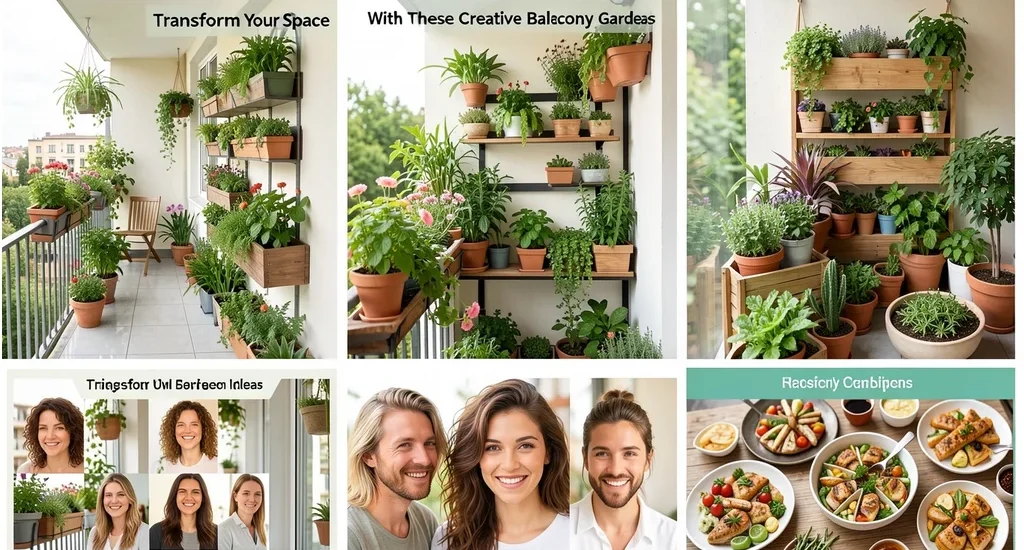
Turning your balcony into a lush garden is easier than you think. With the right balcony garden ideas, even small spaces can become vibrant retreats filled with plants, herbs, or flowers. Whether you have a tiny apartment balcony or a spacious terrace, there are countless ways to maximize your outdoor area.
You can create a stunning balcony garden by choosing vertical planters for small spaces, using lightweight containers, and selecting plants that thrive in your climate. Start with herbs, flowers, or compact vegetables for the best results.
Why a Balcony Garden is Worth the Effort
A balcony garden offers more than just beauty. It provides fresh air, a sense of tranquility, and even fresh produce if you grow edibles. Urban living often lacks green spaces, so a balcony garden can be your personal oasis.
Studies show that spending time around plants reduces stress and boosts mental well-being. According to the Journal of Environmental Psychology, even small green spaces can improve mood and productivity. A balcony garden also increases your home’s curb appeal and can even raise property value.
- Improves air quality by filtering pollutants and producing oxygen
- Encourages sustainability by reducing your carbon footprint
- Provides fresh herbs and vegetables for cooking
- Creates a habitat for pollinators like bees and butterflies
- Enhances privacy with tall plants or trellises
Tip: If you live in a windy area, use heavy pots or secure planters to the railing to prevent them from tipping over.
Best Plants for Balcony Gardens
Not all plants thrive in balcony conditions. The best choices depend on your climate, sunlight exposure, and available space. Some plants are more resilient and require less maintenance, making them ideal for beginners.
Herbs like basil, mint, and rosemary are excellent starting points. They grow well in containers and are useful in the kitchen. Flowers such as petunias, marigolds, and pansies add vibrant colors and attract pollinators.
For edibles, tomatoes, lettuce, and peppers grow well in pots.
| Plant Type | Sunlight Needs | Watering Frequency | Best For |
|---|---|---|---|
| Herbs (Basil, Mint) | Partial to full sun | Daily | Cooking, fragrance |
| Flowers (Petunias, Marigolds) | Full sun | Every 2-3 days | Color, pollinators |
| Vegetables (Tomatoes, Peppers) | Full sun | Daily | Fresh produce |
| Succulents (Aloe, Jade) | Partial sun | Weekly | Low maintenance |
For balconies with limited sunlight, opt for shade-tolerant plants like ferns, peace lilies, or begonias. If your balcony gets full sun, drought-resistant plants such as lavender, sedum, or cacti are great choices.
Vertical Gardening Ideas for Small Balconies
Vertical gardening is a game-changer for small balconies. It allows you to maximize space by growing plants upward instead of outward. This method is perfect for herbs, flowers, and even small vegetables.
You can use wall-mounted planters, hanging baskets, or trellises to create a vertical garden. Pocket planters are another great option—they attach to railings or walls and can hold multiple plants in a compact space. For a DIY approach, repurpose wooden pallets or shoe organizers into planters.
- Wall-Mounted Planters: Ideal for herbs and small flowers. Ensure they are securely fastened to avoid accidents.
- Hanging Baskets: Perfect for trailing plants like pothos, ivy, or strawberries. Hang them at different heights for a layered look.
- Trellises and Arbors: Support climbing plants such as beans, cucumbers, or morning glories. These add height and visual interest.
- Pocket Planters: Great for balconies with railings. They come in various materials, including fabric and plastic.
- DIY Vertical Gardens: Use recycled materials like plastic bottles, gutters, or wooden crates to create unique vertical planters.
Important: Ensure your balcony can support the weight of vertical planters, especially when filled with soil and water. Use lightweight materials like coconut coir or perlite to reduce weight.
Creative Container Ideas for Balcony Gardens
Containers are the foundation of any balcony garden. The right pots can enhance both functionality and aesthetics. From classic terracotta to modern self-watering planters, there are countless options to suit your style and needs.
When choosing containers, consider drainage, size, and material. Plants need proper drainage to prevent root rot, so ensure your pots have holes at the bottom. If you love the look of a pot without drainage, use it as a cache pot and place the plant in a smaller, drained container inside.
| Container Type | Pros | Cons | Best For |
|---|---|---|---|
| Terracotta Pots | Breathable, natural look | Heavy, breaks easily | Mediterranean-style gardens |
| Plastic Pots | Lightweight, durable, affordable | Less breathable | Beginners, renters |
| Wooden Boxes | Natural aesthetic, good insulation | Can rot over time | Rustic or farmhouse styles |
| Hanging Baskets | Space-saving, decorative | Requires frequent watering | Trailing plants |
| Self-Watering Planters | Low maintenance, consistent moisture | More expensive | Busy plant lovers |
For a unique touch, consider upcycling old containers. Tin cans, mason jars, or even old boots can become charming planters. Just ensure they have proper drainage and are cleaned thoroughly before use.
Balcony Garden Layout Ideas
The layout of your balcony garden can make a big difference in both functionality and appearance. Start by assessing your space and sunlight patterns. Place taller plants at the back or in corners to create depth, and group plants with similar watering needs together.
Create zones for different purposes. For example, dedicate one corner to herbs and another to flowers. If you enjoy entertaining, leave space for a small table and chairs.
Use rugs, cushions, and outdoor lighting to make the space feel cozy and inviting.
- Corner Gardens: Use tall plants or trellises to fill corners and add height.
- Railing Planters: Attach planters to railings to save floor space.
- Layered Shelves: Install floating shelves to display plants at different levels.
- Hanging Gardens: Suspend plants from the ceiling or railing for a whimsical effect.
- Themed Gardens: Create a herb garden, flower garden, or succulent garden for a cohesive look.
- Pathway Design: Use small pots or stepping stones to create a visual pathway.
Warning: Avoid overcrowding your balcony with too many plants. Leave enough space for movement and maintenance.
Seasonal Balcony Garden Ideas
A balcony garden can change with the seasons, offering variety and year-round enjoyment. In spring, focus on planting annuals and vegetables. Summer is perfect for heat-loving plants like tomatoes and peppers.
Fall brings opportunities for cool-weather crops like kale and pansies, while winter can feature evergreens and hardy herbs.
Seasonal decor can also enhance your balcony garden. In spring, add pastel-colored pots and floral arrangements. For summer, incorporate bright colors and tropical plants.
In fall, use pumpkins, gourds, and warm-toned leaves. Winter can be cozy with evergreen garlands, fairy lights, and pinecones.
| Season | Plants to Grow | Decor Ideas |
|---|---|---|
| Spring | Pansies, tulips, lettuce | Pastel pots, floral wreaths |
| Summer | Tomatoes, peppers, petunias | Bright cushions, tropical plants |
| Fall | Kale, mums, pansies | Pumpkins, warm-toned leaves |
| Winter | Evergreens, rosemary, thyme | Fairy lights, pinecones |
To extend your growing season, consider using a small greenhouse or cold frame on your balcony. These structures protect plants from frost and allow you to start seeds earlier in the spring.
DIY Balcony Garden Projects
DIY projects can add a personal touch to your balcony garden while saving money. Simple projects like painting pots, building a vertical pallet garden, or creating a self-watering system can be both fun and functional.
One easy DIY project is a herb spiral. This raised bed design allows you to grow multiple herbs in a small, spiral-shaped space. Another idea is to create a mini pond using a waterproof container, which can attract beneficial insects and add a calming element to your garden.
- Painted Pots: Use acrylic paint to customize plain terracotta pots. Seal with a clear coat to protect them from the elements.
- Pallet Vertical Garden: Attach landscape fabric to a wooden pallet, fill with soil, and plant herbs or flowers in the pockets.
- Self-Watering Planter: Use a plastic bottle or bucket to create a simple self-watering system. Drill holes in the lid and fill the bottle with water to keep the soil moist.
- Herb Spiral: Build a spiral-shaped raised bed using bricks or stones. Fill with soil and plant different herbs at each level.
- Mini Pond: Use a waterproof container to create a small pond. Add aquatic plants and a small fountain for a soothing water feature.
Tip: Use reclaimed materials like old wooden crates or metal buckets for a rustic, eco-friendly look.
Balcony Garden Maintenance Tips
Maintaining a balcony garden requires regular care, but the effort is well worth it. Watering, fertilizing, and pruning are essential tasks to keep your plants healthy. The key is consistency—establish a routine that works for your schedule and stick to it.
Watering needs vary depending on the plant type, container size, and weather conditions. As a general rule, check the soil moisture daily. If the top inch feels dry, it’s time to water.
Overwatering can be just as harmful as underwatering, so ensure your containers have proper drainage.
- Watering: Water in the early morning or late evening to reduce evaporation. Use a watering can with a narrow spout for precise watering.
- Fertilizing: Use a balanced, water-soluble fertilizer every 2-4 weeks during the growing season. Organic options like compost tea are also effective.
- Pruning: Regularly remove dead or yellowing leaves to encourage new growth. Pinch back herbs to promote bushiness.
- Pest Control: Inspect plants regularly for pests like aphids or spider mites. Use natural remedies like neem oil or insecticidal soap.
- Cleaning: Remove fallen leaves and debris to prevent mold and pests. Clean pots and tools regularly to avoid disease spread.
| Task | Frequency | Tools Needed |
|---|---|---|
| Watering | Daily or every other day | Watering can, hose |
| Fertilizing | Every 2-4 weeks | Fertilizer, measuring spoon |
| Pruning | As needed | Pruning shears, scissors |
| Pest Control | Weekly | Neem oil, spray bottle |
Frequently Asked Questions
Can I grow vegetables in a balcony garden?
Yes, many vegetables thrive in containers on a balcony. Tomatoes, peppers, lettuce, and herbs are excellent choices. Ensure your containers have proper drainage and receive enough sunlight (at least 6 hours per day for most vegetables).
Use a high-quality potting mix and fertilize regularly for the best results.
How much sunlight do balcony plants need?
The sunlight requirements vary by plant. Most vegetables and flowering plants need full sun (6+ hours of direct sunlight daily). Herbs like basil and rosemary also prefer full sun.
For shady balconies, opt for shade-tolerant plants like ferns, peace lilies, or begonias, which can thrive with 2-4 hours of sunlight.
What are the best plants for a small balcony?
For small balconies, focus on compact plants that don’t require much space. Herbs like basil, mint, and thyme are great choices. Dwarf varieties of tomatoes and peppers also work well.
Succulents, pothos, and spider plants are low-maintenance options that add greenery without taking up too much room.
How do I prevent pests in my balcony garden?
Prevent pests by maintaining good garden hygiene. Remove dead leaves and debris regularly, as they can attract insects. Use natural pest control methods like neem oil or insecticidal soap.
Companion planting can also help— for example, marigolds repel many common garden pests. Inspect your plants weekly for signs of infestation.
Can I create a balcony garden in a rented apartment?
Absolutely. A balcony garden is perfect for renters because it’s portable and doesn’t require permanent changes. Use lightweight containers and avoid making holes in walls or railings.
If your lease restricts modifications, opt for freestanding planters or hanging baskets that can be easily moved or removed.
Final Thoughts
A balcony garden is a rewarding way to bring nature into your home, regardless of space limitations. With the right balcony garden ideas, you can create a beautiful, functional retreat that reflects your style and meets your needs. Start small, experiment with different plants and layouts, and enjoy the process of watching your garden grow.