Last Updated on October 22, 2026 by D. Ruddy
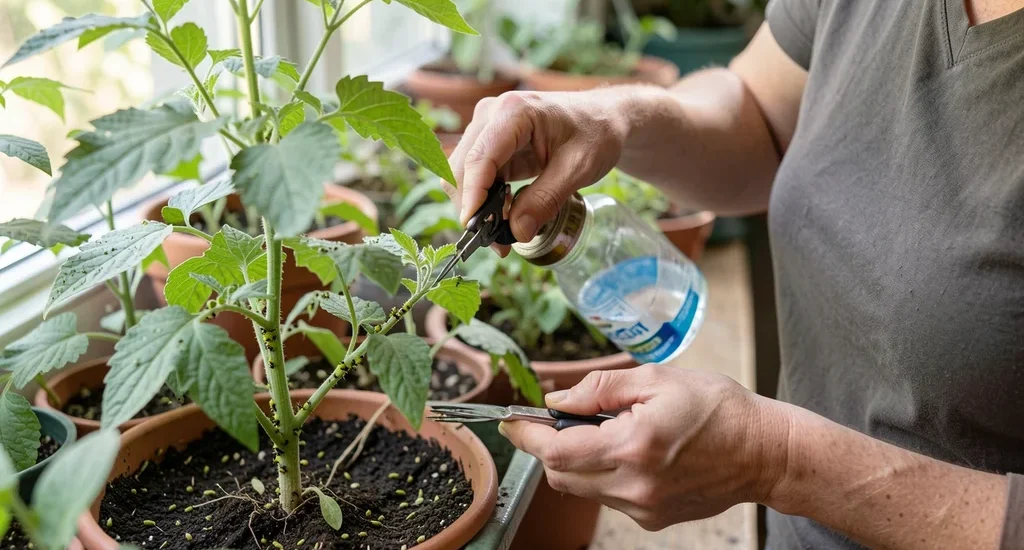
Noticing tiny green or black bugs clustering on your plant stems and leaves means you likely have aphids on plants. These sap-sucking pests can quickly multiply, weakening your plants and spreading diseases. This guide covers proven methods to identify, control, and prevent aphid infestations without harming your garden.
You can eliminate aphids on plants using natural remedies like neem oil, insecticidal soap, or a strong water spray. Regular inspection and early action prevent severe damage to your garden.
Signs Your Plants Have an Aphid Infestation
Aphids are small, soft-bodied insects that often gather on the undersides of leaves or new growth. They come in various colors, including green, black, yellow, or even pink, depending on the species. The first sign is usually curled or distorted leaves, as aphids suck the sap from plant tissues. You may also notice a sticky residue called honeydew on leaves or the ground below, which can attract ants or lead to sooty mold growth.
Other common symptoms include:
- Stunted plant growth due to nutrient loss
- Yellowing or wilting leaves, especially on new shoots
- Visible clusters of tiny insects on stems, buds, or leaf undersides
- Presence of ants crawling on plants (they feed on aphid honeydew)
- Black, sooty mold growing on honeydew-coated surfaces
According to the University of California Agriculture and Natural Resources, aphids can reproduce rapidly, with some species producing up to 12 generations per year. This means a small problem can turn into a full-blown infestation in just a few weeks if left unchecked.
Warning: Severe aphid infestations can kill young plants and reduce yields in vegetables and fruits. Act quickly at the first signs of trouble.
Why Aphids Are Harmful to Your Plants
Aphids damage plants in multiple ways, making them more than just a nuisance. Their primary harm comes from sucking sap, which deprives plants of essential nutrients and water. This weakens the plant, leading to stunted growth, reduced flowering, and lower fruit or vegetable yields. In severe cases, aphids can kill young or already stressed plants.
Beyond direct feeding damage, aphids spread plant viruses. According to the Royal Horticultural Society, over 200 plant viruses are known to be transmitted by aphids. These viruses can cause mottling, yellowing, or even plant death. The sticky honeydew they excrete also promotes the growth of sooty mold, a black fungus that blocks sunlight from reaching leaves, further weakening the plant.
Here’s a breakdown of aphid-related damage:
| Type of Damage | Effect on Plants | Long-Term Impact |
|---|---|---|
| Sap sucking | Nutrient and water loss | Stunted growth, reduced yields |
| Virus transmission | Plant diseases | Plant death, spread to other plants |
| Honeydew excretion | Sooty mold growth | Reduced photosynthesis |
| Ant attraction | Ants protect aphids | Increased aphid population |
Aphids can also attract beneficial insects like ladybugs and lacewings, which feed on them. However, relying solely on natural predators may not be enough for large infestations.
How to Get Rid of Aphids on Plants Naturally
Natural methods are often the best first line of defense against aphids, especially for organic gardeners. These approaches are safe for plants, humans, and beneficial insects when used correctly. Here are the most effective natural remedies:
- Blast Them Off with Water
A strong stream of water from a garden hose can knock aphids off plants, especially if they’re on the undersides of leaves. Do this early in the day so leaves can dry quickly. This method works best for small infestations or as a preventive measure. Repeat every few days until aphids are gone. - Use Insecticidal Soap
Insecticidal soap disrupts the cell membranes of aphids, causing them to dehydrate and die. Mix 1-2 tablespoons of mild liquid soap (like Castile soap) with a quart of water and spray directly on aphids. Avoid using harsh detergents, as they can damage plants. Reapply every 4-7 days as needed. - Apply Neem Oil
Neem oil is a natural pesticide derived from the neem tree. It disrupts the life cycle of aphids and acts as a repellent. Mix 1-2 tablespoons of neem oil with a gallon of water and a teaspoon of dish soap (as an emulsifier), then spray on affected plants. Focus on the undersides of leaves where aphids hide. Neem oil is most effective when applied in the early morning or late evening to avoid harming bees. - Introduce Beneficial Insects
Ladybugs, lacewings, and parasitic wasps are natural predators of aphids. You can purchase these beneficial insects from garden centers or online. Release them in the evening when aphids are less active. One ladybug can eat up to 50 aphids in a day, making them a powerful ally in your garden. - Use Companion Planting
Some plants naturally repel aphids or attract their predators. Planting garlic, chives, marigolds, or nasturtiums near susceptible plants can help deter aphids. Nasturtiums, in particular, can act as a trap crop, luring aphids away from your other plants.
Tip: Always test any spray solution on a small area of the plant first to check for adverse reactions. Some plants, especially those with delicate foliage, may be sensitive to soaps or oils.
Chemical Treatments for Severe Aphid Infestations
While natural methods are preferred, severe aphid infestations may require chemical interventions. Always use chemical treatments as a last resort and follow the instructions carefully to minimize harm to beneficial insects and the environment.
Here are some chemical options:
- Horticultural Oils: These oils suffocate aphids by coating their bodies. They’re effective but should be used cautiously, especially in hot weather, as they can burn plant leaves.
- Pyrethrin-Based Insecticides: Derived from chrysanthemum flowers, pyrethrins are natural but potent insecticides. They work quickly but also kill beneficial insects, so use them sparingly and only when necessary.
- Systemic Insecticides: These are absorbed by the plant and kill aphids when they feed on the sap. They’re highly effective but can also harm pollinators like bees. Avoid using systemic insecticides on flowering plants.
| Treatment Type | Effectiveness | Safety for Beneficial Insects | Best For |
|---|---|---|---|
| Insecticidal Soap | High | Safe (when used correctly) | Small to medium infestations |
| Neem Oil | High | Safe (avoid spraying bees) | Preventive and early treatment |
| Horticultural Oil | High | Moderate (can harm some beneficials) | Dormant season or non-blooming plants |
| Pyrethrin | Very High | Low (harms most beneficials) | Severe infestations only |
| Systemic Insecticides | Very High | Low (toxic to bees) | Last resort for persistent infestations |
When using chemical treatments, always wear protective gear, such as gloves and a mask, and apply them during the early morning or late evening when beneficial insects are less active. Avoid spraying on windy days to prevent drift to non-target areas.
Preventing Future Aphid Infestations
Prevention is key to keeping aphids from returning to your garden. A combination of good cultural practices, regular monitoring, and proactive measures can significantly reduce the risk of infestations.
Start with healthy soil and plants, as strong, vigorous plants are less susceptible to aphid attacks. Use organic matter like compost to improve soil health and ensure your plants have the nutrients they need to thrive. Avoid over-fertilizing with nitrogen, as this can promote soft, new growth that aphids love.
Here are some effective prevention strategies:
- Inspect Plants Regularly: Check your plants at least once a week, paying special attention to the undersides of leaves and new growth where aphids like to hide. Early detection makes treatment much easier.
- Encourage Beneficial Insects: Create a garden environment that attracts and supports beneficial insects like ladybugs, lacewings, and hoverflies. Plant a variety of flowers, especially those with small blooms like alyssum, dill, and fennel, which provide nectar and pollen for these helpful predators.
- Practice Crop Rotation: Avoid planting the same crops in the same spot year after year. Crop rotation disrupts the life cycle of pests, including aphids, and reduces the buildup of populations in the soil.
- Use Reflective Mulches: Silver or aluminum-colored mulches can repel aphids by disorienting them. This is especially effective for vegetables like squash, cucumbers, and peppers.
- Remove Weeds: Many weeds, such as mustard and lambsquarters, can host aphids. Keep your garden free of weeds to eliminate potential breeding grounds.
- Avoid Overwatering: Aphids thrive in humid conditions. Water your plants at the base rather than overhead to keep foliage dry and less attractive to aphids.
Important: If you’ve had aphid problems in the past, consider planting aphid-resistant varieties. Some plants, like certain types of lettuce or marigolds, are naturally less appealing to aphids.
Common Mistakes to Avoid When Treating Aphids
Even with the best intentions, it’s easy to make mistakes when dealing with aphids. These errors can often make the problem worse or cause unnecessary harm to your plants and the environment. Here are some common pitfalls to avoid:
- Using Too Much Pesticide
Applying excessive amounts of pesticide, even natural ones, can harm your plants and beneficial insects. Always follow the recommended dosage on the label. More is not always better—overuse can lead to pesticide resistance in aphids, making them harder to control in the future. - Ignoring the Undersides of Leaves
Aphids love to hide on the undersides of leaves, where they’re protected from direct sunlight and predators. Failing to treat these areas means you’re missing a large portion of the infestation. Always check and treat both sides of the leaves. - Treating at the Wrong Time of Day
Spraying pesticides or oils during the heat of the day can cause leaf burn, especially in hot, sunny weather. It can also harm bees and other pollinators that are active during the day. The best time to apply treatments is early morning or late evening when temperatures are cooler and pollinators are less active. - Not Reapplying Treatments
Many natural treatments, like insecticidal soap or neem oil, require multiple applications to be effective. Aphids have a short life cycle, and new generations can hatch quickly. Reapply treatments every 4-7 days, or as recommended on the product label, to ensure you break the life cycle. - Using Harsh Detergents
Household detergents and dish soaps can be too harsh for plants and may cause leaf damage. Stick to mild, insecticidal soaps specifically designed for garden use. If you’re making your own spray, use a gentle liquid soap like Castile soap. - Forgetting to Monitor After Treatment
Just because you’ve treated your plants doesn’t mean the aphids are gone for good. Continue monitoring your plants for new signs of aphids, especially if you’ve had a severe infestation. Early detection of a new outbreak can save you a lot of time and effort.
DIY Aphid Spray Recipes You Can Make at Home
If you prefer a hands-on approach, making your own aphid sprays at home is cost-effective and allows you to control the ingredients. Here are some simple yet effective DIY recipes:
Soap and Water Spray
- Ingredients: 1-2 tablespoons of mild liquid soap (Castile soap works well), 1 quart of water
- Instructions: Mix the soap and water in a spray bottle. Shake well to combine. Spray directly on aphids, focusing on the undersides of leaves. Reapply every 4-7 days or after rain.
- Best For: Small infestations, indoor plants, and preventive maintenance.
Neem Oil Spray
- Ingredients: 1-2 tablespoons of neem oil, 1 gallon of water, 1 teaspoon of dish soap (as an emulsifier)
- Instructions: Combine the neem oil and dish soap in a large container, then add water. Mix well and pour into a spray bottle. Spray on affected plants, ensuring full coverage. Use in the early morning or late evening to avoid harming bees.
- Best For: Preventive care and early-stage infestations.
Garlic and Chili Pepper Spray
- Ingredients: 3-4 garlic cloves, 1 tablespoon of chili powder or 1-2 fresh chili peppers, 1 quart of water, 1 teaspoon of dish soap
- Instructions: Blend the garlic and chili peppers with water, then strain the mixture into a spray bottle. Add the dish soap and shake well. Spray on plants, focusing on areas with aphids. Reapply every few days or after rain.
- Best For: Repelling aphids and other pests like whiteflies and spider mites.
Essential Oil Spray
- Ingredients: 10-15 drops of essential oil (peppermint, rosemary, or clove oil work well), 1 quart of water, 1 teaspoon of dish soap
- Instructions: Add the essential oil and dish soap to the water in a spray bottle. Shake well before each use. Spray on plants, especially on the undersides of leaves. Avoid using on young plants or sensitive varieties.
- Best For: Preventive care and light infestations.
Tip: Always label your DIY sprays and store them out of reach of children and pets. Test a small area of your plant before full application to check for sensitivity.
Frequently Asked Questions
Can aphids kill my plants?
Yes, severe aphid infestations can kill young or already stressed plants by sucking out their sap and spreading diseases. However, most healthy, mature plants can tolerate small aphid populations. The key is to act quickly at the first signs of trouble to prevent significant damage.
Do aphids only attack outdoor plants?
No, aphids can also infest indoor plants, especially if they’re brought inside from outdoors or if there’s poor air circulation. Houseplants like roses, hibiscus, and some herbs are particularly susceptible. Regularly inspect indoor plants and isolate any infested ones to prevent the spread.
Are aphids attracted to certain plants more than others?
Yes, aphids tend to favor plants with soft, new growth, such as roses, lettuce, kale, and many vegetables. They’re also attracted to plants that are over-fertilized with nitrogen, as this promotes the tender growth they love. Some plants, like marigolds, garlic, and chives, can repel aphids or attract their natural predators.
How do I know if my plants have aphids or another pest?
Aphids are small, soft-bodied insects that often cluster on new growth or the undersides of leaves. They leave behind a sticky residue called honeydew, which can attract ants or lead to sooty mold. If you see tiny, slow-moving insects and these signs, it’s likely aphids.
Other pests, like spider mites, are even smaller and may leave webbing, while whiteflies will fly away when disturbed.
Can I use vinegar to get rid of aphids?
While vinegar can kill aphids on contact, it’s not the most effective long-term solution. Vinegar is acidic and can also harm your plants, especially if used in strong concentrations or on sensitive varieties. It’s better to stick with proven methods like insecticidal soap, neem oil, or a strong water spray for safer and more reliable results.
Final Thoughts
Aphids are a common but manageable problem for gardeners. The key to controlling aphids on plants is early detection, consistent action, and a combination of natural and preventive measures. Regularly inspect your plants, encourage beneficial insects, and use targeted treatments when needed. With the right approach, you can keep your garden thriving and aphid-free.