Last Updated on October 23, 2026 by D. Ruddy
If you’re new to lawn care, you might wonder is starter fertilizer the same as winterizer fertilizer. These two products serve different purposes in your lawn’s lifecycle, and using the wrong one at the wrong time can harm your grass. Starter fertilizer is designed to help new grass establish roots, while winterizer fertilizer prepares your lawn for dormancy.
No, starter fertilizer and winterizer fertilizer are not the same. Starter fertilizer promotes root growth for new grass, while winterizer fertilizer strengthens existing grass for winter survival.
What Is Starter Fertilizer
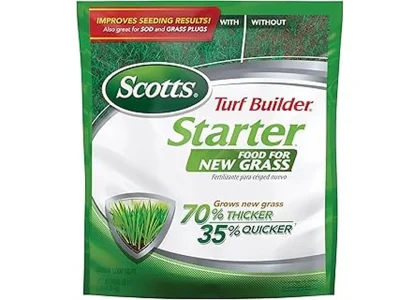
Starter fertilizer is specifically formulated to give new grass seedlings or freshly laid sod the nutrients they need to establish strong roots quickly. It typically contains higher amounts of phosphorus, which is crucial for root development. This type of fertilizer is used when planting a new lawn or overseeding an existing one.
Unlike regular fertilizers, starter fertilizer often includes quick-release nitrogen to provide an immediate boost to young grass. The nitrogen helps the grass blades grow, while the phosphorus encourages deep root growth. This combination ensures that new grass can compete with weeds and establish itself firmly in the soil.
You’ll typically apply starter fertilizer in early spring or early fall when conditions are ideal for new grass growth. The soil temperature and moisture levels during these seasons create the perfect environment for germination and root establishment.
- High Phosphorus Content: Promotes strong root development in new grass seedlings.
- Quick-Release Nitrogen: Provides immediate nutrients for fast green-up and blade growth.
- Ideal for New Lawns: Best used when planting grass seed, laying sod, or overseeding thin areas.
- Balanced Micronutrients: Includes essential elements like potassium and iron for overall plant health.
- Faster Germination: Helps grass seed sprout and establish more quickly than without fertilizer.
Tip: When using starter fertilizer, make sure to water the area thoroughly after application to help the nutrients reach the root zone.
What Is Winterizer Fertilizer
Winterizer fertilizer is designed to help your lawn survive the harsh conditions of winter and emerge stronger in the spring. It’s applied in late fall, just before the first frost, when the grass is still actively growing but the temperatures are starting to drop. The primary goal of winterizer fertilizer is to strengthen the root system and store essential nutrients in the grass plants.
This type of fertilizer typically has a higher potassium content, which helps grass plants resist disease, drought, and cold temperatures. Potassium is known as the “hardening” nutrient because it toughens up the cell walls of grass plants, making them more resistant to stress. Winterizer fertilizers also contain nitrogen, but often in a slow-release form to provide steady nutrition throughout the winter months.
The timing of winterizer application is crucial. Applying it too early can lead to excessive top growth that may be damaged by frost, while applying it too late means the grass won’t have time to absorb the nutrients before going dormant. The ideal time is usually 4-6 weeks before the first expected frost in your area.
- High Potassium Content: Strengthens grass plants against winter stress and disease.
- Slow-Release Nitrogen: Provides steady nutrition throughout the winter months.
- Promotes Root Growth: Encourages deep root development for better survival during dormancy.
- Disease Resistance: Helps grass resist common winter diseases like snow mold.
- Improves Spring Green-Up: Ensures your lawn comes back stronger and greener in the spring.
| Nutrient | Starter Fertilizer | Winterizer Fertilizer |
|---|---|---|
| Nitrogen (N) | High (Quick-release) | Moderate (Slow-release) |
| Phosphorus (P) | Very High | Low to Moderate |
| Potassium (K) | Moderate | Very High |
The table above clearly shows the difference in nutrient composition between starter and winterizer fertilizers. Starter fertilizer prioritizes phosphorus for root growth, while winterizer focuses on potassium for stress resistance.
When to Use Each Fertilizer
Timing is everything when it comes to fertilizer application. Using the right product at the right time ensures your lawn gets the nutrients it needs when it needs them most. Starter fertilizer and winterizer fertilizer have very different application windows that correspond to different stages of your lawn’s growth cycle.
Starter fertilizer should be applied when you’re establishing new grass, whether that’s in early spring or early fall. These are the optimal times for seed germination and root growth. If you’re laying sod, you should apply starter fertilizer just before or immediately after the sod is installed.
For overseeding projects, apply the starter fertilizer at the same time you sow the seed.
- New Lawn Installation: Apply starter fertilizer just before or after laying sod or planting grass seed.
- Overseeding: Use starter fertilizer when overseeding thin or bare spots in your lawn.
- Spring Planting: Early spring is ideal for applying starter fertilizer to new grass areas.
- Fall Planting: Early fall offers another excellent window for using starter fertilizer.
Winterizer fertilizer, on the other hand, should be applied in late fall, typically 4-6 weeks before the first expected frost in your area. This timing allows the grass to absorb the nutrients and strengthen its root system before going dormant for the winter. The exact timing can vary depending on your climate zone and grass type.
- Late Fall Application: Apply winterizer 4-6 weeks before the first frost.
- Cool-Season Grasses: For grasses like Kentucky bluegrass, apply in early to mid-November in most climates.
- Warm-Season Grasses: In southern climates, apply in late October to early November.
- Soil Temperature: Apply when soil temperatures are still above 50°F (10°C) but air temperatures are cooling.
Important: Never apply winterizer fertilizer in spring or summer. The high potassium content can stress your lawn during active growth periods.
Key Differences Between Starter and Winterizer Fertilizer
The primary difference between starter and winterizer fertilizer lies in their nutrient composition and intended purpose. While both aim to improve lawn health, they do so in different ways and at different times of the year. Understanding these differences is crucial for proper lawn care.
Starter fertilizer is formulated to promote rapid root growth and establishment of new grass. Its high phosphorus content is essential for developing strong root systems that can access water and nutrients deep in the soil. The quick-release nitrogen provides immediate top growth, helping new grass compete with weeds and establish quickly.
Winterizer fertilizer, conversely, focuses on building the grass’s resistance to stress. Its high potassium content strengthens cell walls, making the grass more resistant to disease, drought, and cold temperatures. The nitrogen in winterizer is often in a slow-release form, providing steady nutrition throughout the winter months when the grass is dormant but still needs some nutrients.
| Aspect | Starter Fertilizer | Winterizer Fertilizer |
|---|---|---|
| Primary Purpose | Promote root growth in new grass | Strengthen existing grass for winter |
| Best Application Time | Early spring or early fall | Late fall (4-6 weeks before frost) |
| Nitrogen Type | Quick-release | Slow-release |
| Key Nutrient | Phosphorus (P) | Potassium (K) |
| Grass Stage | Newly planted or seeded | Established lawn |
This comparison table highlights the fundamental differences between the two types of fertilizers. The most significant difference is their purpose: starter fertilizer is for new growth, while winterizer is for preparing existing grass for winter.
Can You Use Starter Fertilizer as Winterizer
While it might be tempting to use starter fertilizer as a winterizer in a pinch, it’s generally not recommended. The nutrient profiles are optimized for different purposes, and using the wrong fertilizer at the wrong time can actually harm your lawn rather than help it.
Starter fertilizer’s high phosphorus content and quick-release nitrogen are designed for rapid growth and root establishment. In late fall, when you would typically apply winterizer, your grass is preparing to go dormant. The quick-release nitrogen in starter fertilizer could stimulate top growth at a time when the grass should be focusing on root development and nutrient storage.
This late-season top growth can be vulnerable to frost damage, and the energy the grass uses for this growth would be better spent on strengthening its root system for winter survival. Additionally, the high phosphorus in starter fertilizer isn’t particularly beneficial for established lawns preparing for winter.
Warning: Using starter fertilizer as a winterizer can lead to weak, frost-damaged grass and reduced winter survival rates.
However, there might be one exception to this rule. If you’ve recently overseeded your lawn in early fall and need to provide some winter protection for the new grass, you could use a balanced fertilizer that has some winterizing properties. But in this case, it’s still better to use a product specifically designed as a “starter-winterizer combo” rather than regular starter fertilizer.
Common Mistakes to Avoid
When it comes to using starter and winterizer fertilizers, there are several common mistakes that homeowners often make. These mistakes can lead to wasted money, poor lawn health, or even damage to your grass. Being aware of these pitfalls can help you get the most out of your fertilizer applications.
- Using the Wrong Fertilizer at the Wrong Time: Applying starter fertilizer in late fall or winterizer in spring can harm your lawn. Always match the fertilizer to the season and your lawn’s needs.
- Overapplying Fertilizer: More isn’t always better. Excess fertilizer can burn your grass, leach into waterways, and cause environmental harm. Always follow the application rates on the product label.
- Not Watering After Application: Fertilizer needs moisture to activate and reach the root zone. Failing to water after application can result in wasted fertilizer and potential lawn damage.
- Applying to Wet Grass: Fertilizer can stick to wet grass blades and burn them. Always apply fertilizer to dry grass and water it in afterward.
- Skipping Soil Testing: Without knowing your soil’s current nutrient levels, you might be applying fertilizer that your lawn doesn’t need. A soil test can help you choose the right fertilizer and application rate.
- Using Expired Fertilizer: Fertilizer can lose its effectiveness over time, especially if not stored properly. Check the expiration date before using.
Tip: To avoid overapplication, consider using a spreader with a built-in scale or measure your lawn’s area and calculate the exact amount of fertilizer needed.
How to Choose the Right Fertilizer for Your Lawn
Selecting the right fertilizer for your lawn depends on several factors, including the time of year, your grass type, and your lawn’s current condition. Here’s a step-by-step guide to help you make the best choice for your specific situation.
- Determine Your Lawn’s Needs: Are you establishing new grass, maintaining an existing lawn, or preparing for winter? Your lawn’s current state will dictate which type of fertilizer you need.
- Identify Your Grass Type: Cool-season grasses (like Kentucky bluegrass, fescue, and ryegrass) and warm-season grasses (like Bermuda, Zoysia, and St. Augustine) have different nutritional needs and growth patterns.
- Consider the Season: Match your fertilizer choice to the season. Starter fertilizer is for spring and early fall, while winterizer is for late fall.
- Check Your Soil: A soil test can reveal nutrient deficiencies and pH imbalances that might affect your fertilizer choice. Most lawns do best with a slightly acidic to neutral pH (6.0-7.0).
- Read the Label: Look at the NPK ratio (nitrogen-phosphorus-potassium) on the fertilizer bag. For starter fertilizer, look for a higher middle number (phosphorus). For winterizer, look for a higher third number (potassium).
- Consider Organic Options: If you prefer organic lawn care, there are organic starter and winterizer fertilizers available. These typically have lower NPK ratios but provide additional soil benefits.
For cool-season grasses, which are common in northern climates, you’ll typically use starter fertilizer in early spring or early fall. Winterizer should be applied in late fall, about 4-6 weeks before the first frost. Warm-season grasses, common in southern climates, have a different schedule.
Starter fertilizer can be used in late spring, and winterizer should be applied in early fall, before the grass goes dormant.
| Grass Type | Starter Fertilizer Timing | Winterizer Timing |
|---|---|---|
| Cool-Season (Kentucky Bluegrass, Fescue, Ryegrass) | Early spring or early fall | Late fall (4-6 weeks before frost) |
| Warm-Season (Bermuda, Zoysia, St. Augustine, Centipede) | Late spring | Early fall |
This table provides a quick reference for when to apply starter and winterizer fertilizers based on your grass type. Remember that local climate conditions may require slight adjustments to these timelines.
Frequently Asked Questions
Can I use winterizer fertilizer when planting new grass?
No, winterizer fertilizer isn’t suitable for new grass. Its high potassium content won’t provide the phosphorus that new grass seedlings need for root development. Stick with starter fertilizer when planting new grass or overseeding.
What happens if I use starter fertilizer in the fall?
Using starter fertilizer in late fall can stimulate top growth that may be damaged by frost. The quick-release nitrogen can also divert energy away from root development, which is what your lawn should be focusing on before winter.
Is there a fertilizer that works as both starter and winterizer?
Yes, some manufacturers offer combo products designed for fall overseeding. These have a balanced nutrient profile that supports new grass growth while also providing some winter protection. However, they may not be as effective as dedicated products for either purpose.
How often should I apply starter fertilizer to new grass?
For new lawns, apply starter fertilizer at planting, then again about 4-6 weeks later if the grass is still establishing. After that, switch to a regular maintenance fertilizer. Always follow the specific product’s instructions for best results.
What’s the best NPK ratio for winterizer fertilizer?
Look for a winterizer fertilizer with an NPK ratio where the potassium (K) number is higher than the nitrogen (N) and phosphorus (P) numbers. A common ratio for winterizers is 10-0-20 or 12-0-24, indicating high potassium content for winter hardiness.
Final Thoughts
Understanding the differences between starter fertilizer and winterizer fertilizer is crucial for proper lawn care. Starter fertilizer promotes root growth in new grass, while winterizer strengthens existing grass for winter survival. Using the right product at the right time ensures your lawn stays healthy year-round.
Always consider your grass type, local climate, and specific lawn needs when choosing and applying fertilizers.