Last Updated on October 23, 2026 by D. Ruddy
As the growing season winds down, applying the right what is the best winterizer fertilizer can make the difference between a lackluster lawn next spring and one that bounces back lush and green. Winterizer fertilizers are specially formulated to strengthen grass roots, boost nutrient storage, and enhance cold resistance before dormancy. Choosing the best one depends on your grass type, soil conditions, and climate zone.
The best winterizer fertilizer is a high-potassium formula with a 10-0-20 or similar NPK ratio, applied 4-6 weeks before the first frost. It strengthens roots, improves disease resistance, and stores nutrients for a faster spring green-up.
Why Winterizer Fertilizer Matters for Your Lawn
Winterizer fertilizers are not just another feeding—they are a strategic investment in your lawn’s future. During late fall, grass shifts its energy from top growth to root development. A quality winterizer provides the nutrients needed to maximize this root growth phase, ensuring your lawn has the strength to survive winter stress.
Cold temperatures, frost, and snow can weaken grass, making it susceptible to disease, drought, and weed invasion come spring. Winterizers are high in potassium, which acts like a natural antifreeze, protecting cells from freezing temperatures. They also contain nitrogen to support root growth and phosphorus to aid in energy transfer.
- Root Strengthening: Potassium promotes deeper, more extensive root systems that anchor grass and absorb water more efficiently.
- Disease Resistance: A well-fed lawn is less prone to fungal infections like snow mold, which can devastate turf over winter.
- Nutrient Storage: Grass stores carbohydrates in its roots during fall, and winterizer fertilizers help maximize this storage for a stronger spring recovery.
- Cold Tolerance: Potassium improves the lawn’s ability to withstand freezing and thawing cycles without damage.
- Early Green-Up: Lawns treated with winterizer often emerge from dormancy faster and greener in the spring.
Important: Apply winterizer fertilizer when grass is still actively growing but temperatures are cooling. This is typically 4-6 weeks before the first expected frost in your region.
Key Nutrients in the Best Winterizer Fertilizers
The NPK ratio on fertilizer bags tells you the percentage of nitrogen (N), phosphorus (P), and potassium (K). For winterizers, the ideal ratio prioritizes potassium, with moderate nitrogen and minimal or no phosphorus.
Here’s why each nutrient plays a role:
| Nutrient | Role in Winterizer | Ideal Percentage |
|---|---|---|
| Nitrogen (N) | Promotes root growth and helps grass recover from summer stress. Too much can cause excessive top growth, which is vulnerable to frost damage. | 10-15% |
| Phosphorus (P) | Supports root development and energy transfer. Often minimized in winterizers to avoid runoff and environmental issues. | 0-5% |
| Potassium (K) | Strengthens cell walls, improves cold tolerance, and enhances disease resistance. The most critical nutrient in winterizers. | 15-25% |
Most high-quality winterizer fertilizers have an NPK ratio like 10-0-20, 12-0-24, or 20-0-10. The lack of phosphorus is intentional, as many soils already have sufficient levels, and excess phosphorus can contribute to water pollution. Always perform a soil test to confirm your lawn’s specific needs.
Types of Winterizer Fertilizers
Not all winterizer fertilizers are created equal. They come in different forms, each with pros and cons depending on your lawn’s needs and your application preferences.
Granular Winterizer Fertilizers
Granular fertilizers are the most common type for winterizing. They are easy to apply with a broadcast or drop spreader and provide slow, consistent nutrient release. Granular options are ideal for large lawns and offer precise control over coverage.
- Slow-Release Formula: Many granular winterizers use coated prills that break down gradually, feeding your lawn over several weeks.
- Even Distribution: A spreader ensures uniform application, preventing streaks or missed spots.
- Longer Shelf Life: Granular fertilizers can be stored for longer periods without degrading.
- Less Risk of Burn: Slow-release granules are less likely to burn your lawn compared to liquid fertilizers.
Liquid Winterizer Fertilizers
Liquid fertilizers are applied using a hose-end sprayer or backpack sprayer. They provide quick nutrient availability but require more frequent applications. Liquid winterizers are best for small lawns or spot treatments.
- Fast Absorption: Nutrients are immediately available to the grass, making them ideal for a quick boost before winter.
- Easy to Apply: No need for a spreader—just attach to a hose and spray.
- Customizable: You can adjust the concentration for targeted applications.
- Short-Lived: Liquid fertilizers may need reapplication every 2-4 weeks, which can be inconvenient for winterizing.
Organic Winterizer Fertilizers
Organic winterizers use natural ingredients like compost, bone meal, or kelp to provide nutrients. They improve soil health over time but may act more slowly than synthetic options. Organic fertilizers are ideal for eco-conscious homeowners.
- Soil Health: Organic fertilizers improve soil structure and microbial activity, leading to long-term benefits.
- Slow Release: Nutrients are released as organic matter breaks down, reducing the risk of over-fertilization.
- Environmentally Friendly: No synthetic chemicals mean less risk of runoff pollution.
- Variable Nutrient Content: The NPK ratio can be less precise compared to synthetic fertilizers.
Tip: If you prefer organic options, look for winterizers with a guaranteed analysis on the label to ensure you’re getting the right nutrient ratios.
Top 5 Best Winterizer Fertilizers for 2026
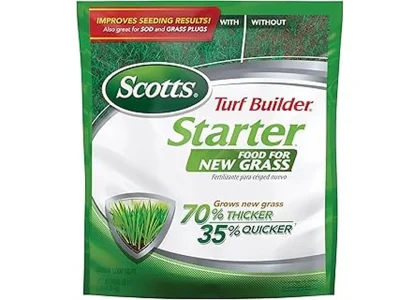
1. Scotts Turf Builder WinterGuard Fall Lawn Food
Scotts Turf Builder WinterGuard is a top choice for homeowners looking for a reliable, easy-to-use winterizer. This granular fertilizer has an NPK ratio of 12-0-22, providing a balanced mix of nitrogen for root growth and potassium for cold resistance. It’s designed to feed your lawn for up to 3 months, ensuring continuous nutrient availability throughout the winter.
- High Potassium Content: 22% potassium strengthens grass against frost and disease.
- Slow-Release Nitrogen: Feeds your lawn gradually for consistent growth without surges.
- Easy Application: Compatible with any Scotts spreader for even coverage.
- Works on All Grass Types: Suitable for cool-season and warm-season grasses.
- Improves Spring Green-Up: Promotes faster recovery and greener grass in the spring.
| Pros | Cons |
|---|---|
|
|
Best For: Homeowners who want a trusted, easy-to-apply granular winterizer for all-around lawn protection.
2. Miracle-Gro Water Soluble Lawn Food Winterizer
Miracle-Gro’s water-soluble winterizer is an excellent choice for those who prefer liquid fertilizers. With an NPK ratio of 10-0-20, it delivers a quick boost of potassium and nitrogen to strengthen your lawn before winter. This product is ideal for small lawns or targeted treatments, as it can be applied with a hose-end sprayer.
- Fast-Acting: Nutrients are immediately available to the grass, providing quick results.
- Easy to Use: Simply attach to a hose and spray—no spreader required.
- Balanced Formula: 10% nitrogen supports root growth, while 20% potassium enhances cold tolerance.
- Versatile: Can be used on all grass types, including newly seeded lawns.
- Affordable: Cost-effective for smaller lawns or spot treatments.
| Pros | Cons |
|---|---|
|
|
Best For: Small lawns or homeowners who prefer the convenience of liquid fertilizers.
3. Andersen’s Professional Winterizer Fertilizer
Andersen’s Professional Winterizer is a premium granular fertilizer with an NPK ratio of 16-4-8, supplemented with additional potassium to create an effective 16-4-12 blend. This product is designed for professional-grade results, making it a favorite among lawn care enthusiasts. It includes humic acid, which improves soil health and nutrient uptake.
- High Nitrogen Content: 16% nitrogen supports robust root growth and recovery from summer stress.
- Added Humic Acid: Enhances soil structure and microbial activity for long-term lawn health.
- Professional-Grade: Used by lawn care professionals for reliable results.
- Slow-Release Formula: Provides consistent feeding over several weeks.
- Works in Cool and Warm Climates: Suitable for a wide range of grass types and conditions.
| Pros | Cons |
|---|---|
|
|
Best For: Lawn care enthusiasts who want professional-grade results and are willing to invest in a premium product.
4. GreenView Fairway Formula Winterizer Plus
GreenView Fairway Formula Winterizer Plus is a high-performance granular fertilizer with an NPK ratio of 24-0-11. It’s designed to provide a strong dose of nitrogen for late-season growth and potassium for winter protection. This product also includes iron for a deeper green color and improved stress tolerance.
- High Nitrogen: 24% nitrogen promotes vigorous root and blade growth before winter.
- Iron Supplement: Enhances color and helps the lawn resist stress.
- Slow-Release Technology: Ensures nutrients are available over an extended period.
- Easy to Apply: Compatible with most broadcast and drop spreaders.
- Works on All Grass Types: Suitable for cool-season and warm-season grasses.
| Pros | Cons |
|---|---|
|
|
Best For: Homeowners who want a high-nitrogen winterizer to promote late-season growth and deep green color.
5. Milorganite Organic Winterizer Fertilizer
Milorganite is a well-known organic fertilizer brand, and its winterizer formula is no exception. With an NPK ratio of 5-2-8, it provides a balanced mix of nutrients while improving soil health. Milorganite is made from heat-dried microbes, making it an eco-friendly option for winterizing your lawn.
- Organic and Eco-Friendly: Made from recycled organic matter, safe for people, pets, and the environment.
- Slow-Release Nutrients: Feeds your lawn gradually over several weeks.
- Improves Soil Health: Enhances microbial activity and soil structure for long-term benefits.
- Safe for All Grass Types: Works on cool-season and warm-season grasses without burning.
- Low Odor: Unlike some organic fertilizers, Milorganite has minimal odor.
| Pros | Cons |
|---|---|
|
|
Best For: Eco-conscious homeowners who prefer organic fertilizers and want to improve long-term soil health.
How to Apply Winterizer Fertilizer Like a Pro
Applying winterizer fertilizer correctly is just as important as choosing the right product. Follow these steps to ensure even coverage and maximum effectiveness.
Step 1: Choose the Right Time
Timing is critical for winterizer application. Apply it too early, and you’ll encourage top growth that’s vulnerable to frost. Apply it too late, and your grass won’t have time to absorb the nutrients before dormancy.
- Check Your Climate Zone: In cooler climates, apply winterizer 4-6 weeks before the first expected frost. In warmer climates, this may be as late as November.
- Monitor Grass Growth: Apply when grass is still actively growing but slowing down. You should see some green but reduced top growth.
- Soil Temperature: Ideal soil temperatures for winterizer application are between 50-60°F (10-15°C). Use a soil thermometer to check.
Warning: Avoid applying winterizer fertilizer during a drought or when rain is forecast within 24 hours. This can lead to runoff and wasted product.
Step 2: Prepare Your Lawn
Proper lawn preparation ensures that your winterizer fertilizer works effectively. Start by mowing your lawn slightly shorter than usual to allow better nutrient penetration. Remove any leaves, debris, or thatch that could block the fertilizer from reaching the soil.
- Mow the Lawn: Cut your grass to about 2-2.5 inches for cool-season grasses or 1.5-2 inches for warm-season grasses.
- Rake Leaves and Debris: Clear the lawn of leaves, twigs, and other debris to prevent uneven application.
- Dethatch if Necessary: If your lawn has a thick thatch layer (over 0.5 inches), dethatch before applying fertilizer.
- Water the Lawn: Water your lawn lightly 1-2 days before application to ensure the soil is moist but not waterlogged.
Step 3: Calibrate Your Spreader
Using the correct spreader settings is essential for even fertilizer distribution. Most fertilizer bags include spreader settings for different models. If not, refer to your spreader’s manual or the manufacturer’s website.
- Choose the Right Spreader: Use a broadcast spreader for large lawns and a drop spreader for smaller, more precise areas.
- Set the Spreader Rate: Adjust the spreader to the recommended setting for your fertilizer. For granular fertilizers, this is usually listed on the bag.
- Test the Spreader: Do a test run on a small area (like your driveway) to ensure the spreader is distributing fertilizer evenly.
- Fill the Spreader: Load the spreader with fertilizer, but don’t overfill it—this can lead to uneven distribution.
Step 4: Apply the Fertilizer
When applying winterizer fertilizer, work in a systematic pattern to ensure full coverage without overlapping. Start by applying fertilizer along the perimeter of your lawn, then work your way inward in parallel passes.
- Use the Right Pattern: For a broadcast spreader, walk at a steady pace in straight lines, slightly overlapping each pass. For a drop spreader, use a grid pattern.
- Avoid Overlapping: Overlapping passes can lead to uneven nutrient distribution and potential burning.
- Edge the Lawn: Use a handheld spreader or carefully apply fertilizer by hand along edges, sidewalks, and driveways.
- Wear Protective Gear: Wear gloves and a dust mask when handling fertilizer to avoid skin and respiratory irritation.
Step 5: Water the Lawn
After applying granular winterizer fertilizer, water your lawn lightly to help the granules break down and release nutrients into the soil. If you’re using a liquid winterizer, watering may not be necessary unless specified on the product label.
- Water Lightly: Use about 0.25-0.5 inches of water to moisten the soil without causing runoff.
- Water in the Morning: Water early in the day to allow the lawn to dry before evening, reducing the risk of disease.
- Avoid Overwatering: Too much water can wash away the fertilizer before it has a chance to work.
Tip: If rain is forecast within 24 hours of application, you may not need to water. However, if no rain is expected, watering is essential to activate the fertilizer.
Common Mistakes to Avoid When Using Winterizer Fertilizer
Even with the best winterizer fertilizer, mistakes in application can reduce its effectiveness or even harm your lawn. Here are the most common pitfalls to avoid:
- Applying Too Early or Too Late: Applying winterizer too early can encourage top growth that’s vulnerable to frost, while applying it too late means your lawn won’t have time to absorb the nutrients. Stick to the 4-6 week window before the first frost.
- Using the Wrong NPK Ratio: Not all fertilizers are suitable for winterizing. Avoid high-nitrogen fertilizers without sufficient potassium, as they won’t provide the cold protection your lawn needs.
- Overapplying Fertilizer: More isn’t always better. Overapplying fertilizer can burn your lawn and contribute to runoff pollution. Always follow the recommended application rates on the product label.
- Skipping Soil Testing: Without a soil test, you won’t know if your lawn is deficient in specific nutrients. A soil test can help you choose the right winterizer and avoid over-fertilizing.
- Not Watering After Application: Granular fertilizers need moisture to break down and release nutrients. Skipping this step can lead to uneven results.
- Applying to Frozen or Dormant Grass: If your lawn is already dormant or the ground is frozen, the fertilizer won’t be effective. Ensure your grass is still actively growing when you apply winterizer.
- Ignoring Weather Conditions: Applying fertilizer before heavy rain can wash it away before it takes effect. Check the forecast and avoid applying if rain is expected within 24 hours.
Important: If you accidentally overapply fertilizer, water the lawn thoroughly to dilute the nutrients and reduce the risk of burning.
Winterizer Fertilizer vs Regular Fertilizer
Not all fertilizers are created equal, and winterizer fertilizers serve a distinct purpose compared to regular fertilizers. Understanding the differences can help you choose the right product for your lawn’s needs.
| Feature | Winterizer Fertilizer | Regular Fertilizer |
|---|---|---|
| NPK Ratio | High potassium (e.g., 10-0-20) | Balanced (e.g., 20-5-10) |
| Purpose | Strengthen roots, improve cold tolerance, store nutrients for spring | Promote general growth, greening, and overall health |
| Best Time to Apply | Late fall (4-6 weeks before first frost) | Spring, summer, or early fall (depending on grass type) |
| Nitrogen Content | Moderate (10-15%) | High (15-30%) |
| Phosphorus Content | Low or none (0-5%) | Moderate (5-10%) |
| Potassium Content | High (15-25%) | Low to moderate (5-15%) |
| Release Type | Slow-release | Fast or slow-release (depends on product) |
Winterizer fertilizers are specifically formulated to prepare your lawn for the harsh winter months. They focus on root strength and nutrient storage, while regular fertilizers are designed to promote general growth and greening throughout the growing season. Using a winterizer in place of a regular fertilizer in late fall ensures your lawn has the best chance of surviving winter and thriving in the spring.
Winterizer Fertilizer for Different Grass Types
Not all grasses have the same nutritional needs, especially when it comes to winterizing. The best winterizer fertilizer for your lawn depends on whether you have cool-season or warm-season grass.
Cool-Season Grasses
Cool-season grasses, such as Kentucky bluegrass, tall fescue, and perennial ryegrass, thrive in cooler climates and go dormant in extreme heat. They experience a growth surge in the fall, making this the ideal time to apply winterizer fertilizer.
- Kentucky Bluegrass: Responds well to winterizers with a balanced NPK ratio, such as 10-0-20 or 12-0-24. Focus on high potassium for cold tolerance.
- Tall Fescue: Benefits from a slightly higher nitrogen content (e.g., 16-4-8) to support its deep root system.
- Perennial Ryegrass: Prefers a moderate nitrogen and high potassium blend (e.g., 10-0-20) to enhance its fine texture and cold resistance.
Warm-Season Grasses
Warm-season grasses, such as Bermuda, Zoysia, and St. Augustine, thrive in hot climates and go dormant in cooler temperatures. Winterizing these grasses requires a slightly different approach, as they may not need as much potassium as cool-season grasses.
- Bermuda Grass: Use a winterizer with a lower potassium content (e.g., 10-0-10) to avoid over-fertilizing. Focus on nitrogen to support root growth before dormancy.
- Zoysia Grass: Responds well to a balanced winterizer, such as 10-0-10 or 8-0-12, to maintain its dense growth habit.
- St. Augustine Grass: Prefers a winterizer with moderate nitrogen and potassium (e.g., 10-0-10) to support its broad blades and improve cold tolerance.
Tip: If you’re unsure about your grass type, consult a local nursery or lawn care professional. They can help you identify your grass and recommend the best winterizer fertilizer for your specific needs.
Frequently Asked Questions
What is the best NPK ratio for winterizer fertilizer?
The best NPK ratio for winterizer fertilizer is one that is high in potassium, such as 10-0-20, 12-0-24, or 20-0-10. Potassium is the most critical nutrient for winter protection, as it strengthens cell walls and improves cold tolerance. Nitrogen should be moderate to support root growth, while phosphorus can be minimal or omitted entirely.
Can I use winterizer fertilizer in the spring?
Winterizer fertilizer is specifically formulated for late fall application to prepare your lawn for winter. Using it in the spring is not recommended, as the high potassium content is not ideal for spring growth. Instead, use a balanced or high-nitrogen fertilizer in the spring to promote new growth and greening.
How often should I apply winterizer fertilizer?
Winterizer fertilizer should be applied once per year, in late fall, about 4-6 weeks before the first expected frost. Applying it more frequently is unnecessary and can lead to over-fertilization, which may harm your lawn or contribute to runoff pollution.
Is organic winterizer fertilizer as effective as synthetic?
Organic winterizer fertilizers can be just as effective as synthetic options, but they may take longer to show results. Organic fertilizers improve soil health over time, which can lead to long-term benefits for your lawn. However, they often have lower NPK ratios, so you may need to apply them more frequently or in larger quantities to achieve the same nutrient levels as synthetic fertilizers.
What happens if I skip winterizer fertilizer?
If you skip winterizer fertilizer, your lawn may struggle to survive the winter and recover in the spring. Without the extra potassium and nutrients, your grass may be more susceptible to cold damage, disease, and weed invasion. You may also notice a slower green-up in the spring and a weaker, thinner lawn overall.
While skipping one year may not cause immediate harm, consistent winterizing leads to a healthier, more resilient lawn in the long run.
Final Thoughts
Choosing the best winterizer fertilizer for your lawn is a critical step in ensuring its health and resilience through the winter months. Look for a high-potassium formula with a balanced NPK ratio, and apply it at the right time to maximize its benefits. Whether you opt for a trusted brand like Scotts or an organic option like Milorganite, proper application and timing are key to success.
By winterizing your lawn, you’ll enjoy a stronger, greener lawn come spring.