Last Updated on October 23, 2026 by D. Ruddy
As the crisp fall air settles over Utah, giving your lawn the right nutrients can make all the difference between a patchy, brown yard and a lush, green carpet next spring. Knowing what fertilizer to use on lawn in Utah fall ensures your grass builds strong roots to survive winter and bounce back faster when temperatures rise. The wrong choice can waste time, money, and effort.
Use a slow-release nitrogen fertilizer with a 20-5-10 or 16-4-8 NPK ratio for Utah fall lawns. Apply 1 lb of nitrogen per 1,000 sq ft in early September and again in late October for optimal winter prep.
Why Fall Fertilization Matters in Utah
Utah’s unique climate—with hot summers, cold winters, and often alkaline soil—puts stress on lawns. Fall fertilization helps grass recover from summer heat while storing nutrients for winter dormancy and spring growth. Cool-season grasses like Kentucky bluegrass, tall fescue, and perennial ryegrass thrive in Utah and respond best to fall feeding.
According to Utah State University Extension, fall is the most important feeding time for cool-season lawns. The moderate temperatures allow grass to absorb nutrients efficiently without the stress of summer heat or winter freeze. Proper fertilization in fall also reduces weed invasion by strengthening the turf.
- Root Development: Fall feeding encourages deep root growth, which improves drought and cold resistance
- Disease Prevention: Stronger grass is less susceptible to winter diseases like snow mold
- Spring Green-Up: Nutrients stored in fall lead to earlier and more vibrant spring growth
- Weed Suppression: A dense, healthy lawn naturally chokes out weeds like crabgrass and dandelions
- Soil Health: Organic fertilizers improve soil structure, which is crucial in Utah’s often compacted or clay-heavy soils
Important: Avoid high-nitrogen fertilizers in late fall (after November 1st) as they can cause excessive top growth that’s vulnerable to winter damage.
Best Fertilizer Types for Utah Lawns in Fall
Not all fertilizers work equally well in Utah’s fall conditions. The ideal products for this region share several characteristics: slow-release nitrogen, balanced phosphorus and potassium, and compatibility with local soil conditions. Here are the top types to consider:
| Fertilizer Type | NPK Ratio | Release Type | Best For |
|---|---|---|---|
| Slow-Release Granular | 20-5-10 | Slow | Most Utah lawns |
| Organic | 10-2-6 | Slow | Eco-conscious homeowners |
| Liquid | 16-4-8 | Fast | Quick greening |
| Winterizer | 12-0-24 | Slow | Late fall application |
Slow-release granular fertilizers are generally the best choice for most Utah homeowners because they provide consistent feeding over 6-8 weeks, matching the grass’s growth cycle. Organic options improve soil health long-term but may require more frequent applications.
Slow-Release Granular Fertilizers
These are the gold standard for Utah fall lawn care. They break down gradually, providing steady nutrition without the risk of burning your grass. Look for products with polymer-coated urea or sulfur-coated urea as the nitrogen source.
- Consistent Feeding: Releases nutrients over time, preventing growth surges
- Easy Application: Can be spread with a broadcast or drop spreader
- Long-Lasting: One application can last through the entire fall season
- Cost-Effective: Typically more affordable than organic options
- Widely Available: Found at most home improvement stores and garden centers
Organic Fertilizers
Made from natural sources like compost, bone meal, or feather meal, organic fertilizers improve soil structure while feeding your lawn. They’re ideal for homeowners who prefer eco-friendly solutions or have children and pets that play on the lawn.
Tip: For organic fertilizers, apply 20-30% more than the recommended rate of synthetic fertilizers since they contain less concentrated nutrients.
- Soil Improvement: Enhances microbial activity and soil structure
- Environmentally Friendly: Won’t leach into water supplies
- Slow Release: Naturally breaks down over time
- Pet and Child Safe: Non-toxic once applied
- Long-Term Benefits: Builds soil health over multiple seasons
Liquid Fertilizers
These provide fast-acting nutrients that are quickly absorbed by the grass. While they offer rapid greening, they require more frequent applications (every 2-4 weeks) and can be more expensive over time.
- Quick Results: Visible greening within days
- Precise Application: Can be targeted to specific areas
- Foliar Absorption: Nutrients are absorbed through leaves and roots
- Flexible Scheduling: Can be applied between granular applications
- Equipment Needed: Requires a sprayer for application
Winterizer Fertilizers
Specifically formulated for late fall application, winterizers are high in potassium to strengthen cell walls and improve cold tolerance. Apply these in late October or early November, just before the first frost.
| Benefit | How It Works |
|---|---|
| Improved Cold Tolerance | Potassium strengthens cell walls, preventing freeze damage |
| Disease Resistance | Balanced nutrients help grass resist winter diseases |
| Early Spring Green-Up | Stored nutrients support rapid growth when temperatures rise |
Top Recommended Fertilizers for Utah Fall Lawns
With so many products on the market, choosing the right one can be overwhelming. Based on Utah’s specific climate and soil conditions, these fertilizers consistently perform well for homeowners across the state:
1. Scotts Turf Builder WinterGuard Fall Lawn Food
This popular choice among Utah homeowners provides a balanced 22-2-14 NPK ratio with slow-release nitrogen. It’s specifically formulated for fall application and helps strengthen roots while improving winter hardiness.
- 22-2-14 NPK ratio ideal for fall feeding
- Feeds for up to 3 months
- Improves lawn’s ability to absorb water and nutrients
- Covers up to 5,000 sq ft per bag
- Easy to apply with a standard spreader
| Pros | Cons |
|---|---|
| Widely available at home improvement stores | Synthetic chemicals may not be ideal for organic purists |
| Fast greening results | Higher phosphorus content may not be needed in all Utah soils |
| Good value for the coverage area | Can burn lawn if overapplied |
Best For: Homeowners looking for a reliable, widely available synthetic fertilizer with proven results.
2. Milorganite Organic Nitrogen Fertilizer
This organic option has been a favorite for generations. Made from heat-dried microbes that have digested organic matter, Milorganite provides a 6-4-0 NPK ratio with 85% slow-release nitrogen. It’s particularly effective in Utah’s alkaline soils.
- 100% organic and non-toxic
- Safe for children and pets immediately after application
- Improves soil health over time
- Won’t burn lawn even if overapplied
- Can be used throughout the growing season
Tip: Milorganite has a distinctive smell that some find unpleasant. Apply when no outdoor activities are planned for the day.
| Pros | Cons |
|---|---|
| Environmentally friendly | Lower nitrogen content requires more frequent applications |
| Improves soil structure | More expensive than synthetic options |
| Safe for all grass types | Slower results compared to synthetic fertilizers |
Best For: Eco-conscious homeowners who prioritize soil health and safety for families and pets.
3. Andersons Professional PGF Complete 16-4-8 Fertilizer
This professional-grade fertilizer offers a balanced 16-4-8 NPK ratio with 50% slow-release nitrogen. It’s a favorite among lawn care professionals in Utah for its consistent results and ability to improve both turf quality and soil health.
- Contains humic acid to improve nutrient uptake
- Includes iron for deeper color without staining
- Low dust formula for easy application
- Covers up to 15,000 sq ft per bag
- Can be used for both spring and fall applications
| Pros | Cons |
|---|---|
| Professional-grade quality | More expensive than consumer-grade options |
| Improves soil health with humic acid | May not be available at all retail locations |
| Excellent for both cool and warm season grasses | Requires precise application for best results |
Best For: Homeowners willing to invest in professional-quality results and those with larger lawns.
4. BioAdvanced 702100B All in One Lawn Fertilizer
This 3-in-1 product combines fertilizer, weed control, and insect prevention in a 28-0-6 NPK formula. It’s particularly useful for Utah lawns that struggle with both nutrient deficiencies and weed problems in the fall.
- Kills over 200 listed weeds including dandelion and clover
- Prevents crabgrass for up to 6 months
- Kills listed insects including ants, ticks, and grubs
- Feeds lawn for up to 8 weeks
- Covers up to 5,000 sq ft
Warning: Do not use this product if you’re overseeding in the fall, as the weed control component can prevent grass seed from germinating.
| Pros | Cons |
|---|---|
| Multi-purpose solution saves time and effort | Cannot be used when overseeding |
| Effective against a wide range of pests | Higher chemical content |
| Long-lasting protection | More expensive than fertilizer-only products |
Best For: Lawns with significant weed and pest problems that need comprehensive treatment.
5. Simple Lawn Solutions Liquid Fertilizer
For those who prefer liquid applications, this 16-4-8 NPK formula provides a balanced approach to fall fertilization. It’s easy to apply with a hose-end sprayer and absorbs quickly for fast results.
- Fast-acting liquid formula
- Contains seaweed extract and humic acid
- Covers up to 16,000 sq ft
- Can be applied with any hose-end sprayer
- Safe for all grass types
| Pros | Cons |
|---|---|
| Quick absorption and visible results | Requires more frequent applications |
| Easy to apply with existing equipment | Can be washed away by heavy rain if not absorbed |
| Contains beneficial soil amendments | More expensive per application than granular |
Best For: Homeowners who prefer liquid applications and want quick results with added soil benefits.
When to Apply Fertilizer in Utah Fall
Timing is crucial for effective fall fertilization in Utah. The state’s varied elevations mean growing seasons differ significantly between northern and southern regions. However, these general guidelines work for most Utah lawns:
| Application Time | Purpose | NPK Ratio | Amount |
|---|---|---|---|
| Early September | Summer recovery | 20-5-10 | 1 lb N/1000 sq ft |
| Late September | Root development | 16-4-8 | 1 lb N/1000 sq ft |
| Mid-October | Winter prep | 12-0-24 | 0.5-1 lb N/1000 sq ft |
| Late October | Winterizer | 10-0-20 | 0.5 lb N/1000 sq ft |
According to the Utah State University Extension, the ideal soil temperature for fall fertilization is between 50-60°F at a 4-inch depth. This typically occurs in early to mid-September in most of Utah. You can check soil temperature using a simple soil thermometer available at garden centers.
Important: Stop fertilizing when nighttime temperatures consistently drop below 40°F, as the grass will no longer be actively growing.
Northern Utah vs Southern Utah Timing
Utah’s diverse climate means fertilization schedules vary by region:
- Northern Utah (Salt Lake City, Ogden, Logan): Start early September applications around Labor Day. Complete all fertilization by mid-October before the first hard frost.
- Central Utah (Provo, Orem, Heber): Begin applications in early to mid-September. Final application should be completed by late October.
- Southern Utah (St. George, Cedar City): Can start as early as late August. May continue applications into early November due to milder winters.
Signs Your Lawn Needs Fall Fertilizer
Even with a schedule, it’s important to assess your lawn’s specific needs. Look for these indicators that your Utah lawn could benefit from fall fertilization:
- Thin or Sparse Areas: Bare spots or areas where grass is growing thinly
- Dull Color: Grass that’s lost its vibrant green color and appears yellowish or brown
- Slow Recovery: Areas that take longer than usual to bounce back from foot traffic or summer stress
- Weed Invasion: Increased weed growth, which often indicates weak or thin turf
- Thatched Lawn: A thick layer of thatch (more than 0.5 inches) which can prevent nutrients from reaching the soil
- Poor Water Absorption: Water pooling on the surface instead of absorbing into the soil
How to Apply Fertilizer to Your Utah Lawn
Proper application is just as important as choosing the right fertilizer. Even the best product won’t deliver results if not applied correctly. Follow these steps for optimal effectiveness:
Step 1: Prepare Your Lawn
Before applying fertilizer, your lawn needs some preparation to ensure the nutrients can reach the soil and be absorbed effectively.
- Mow the Lawn: Cut grass to about 2-3 inches, which is the ideal height for fall in Utah. This allows fertilizer to reach the soil.
- Remove Debris: Clear leaves, twigs, and other debris that could block fertilizer from reaching the soil.
- Aerate if Needed: If your soil is compacted (common in Utah’s clay soils), aerate before fertilizing to improve nutrient absorption.
- Water the Lawn: Lightly water 1-2 days before application to ensure soil is moist but not saturated.
- Check the Weather: Choose a day with no rain forecast for at least 24-48 hours after application.
Step 2: Choose the Right Equipment
Selecting the proper application equipment ensures even distribution and prevents over- or under-application.
| Equipment Type | Best For | Pros | Cons |
|---|---|---|---|
| Broadcast Spreader | Large lawns, even distribution | Covers large areas quickly, even distribution | Can be less precise on edges |
| Drop Spreader | Small lawns, precise application | More precise, good for edges | Slower for large areas |
| Hand-Held Spreader | Small areas, spot treatment | Portable, good for small lawns | Less even distribution, tiring for large areas |
| Hose-End Sprayer | Liquid fertilizers | Easy to use, good coverage | Requires water pressure, can be imprecise |
Step 3: Calibrate Your Spreader
Calibrating your spreader ensures you apply the correct amount of fertilizer. This step is often overlooked but is crucial for avoiding over- or under-application.
- Find the Setting: Check the fertilizer bag for recommended spreader settings. Different products and spreader models have different settings.
- Test the Setting: Place a tarp or tray on your lawn and run the spreader over it for a set distance (e.g., 10 feet). Measure the amount of fertilizer collected.
- Adjust as Needed: If the amount collected doesn’t match the recommended application rate, adjust the spreader setting and test again.
- Consider the Pattern: For broadcast spreaders, walk in a north-south pattern first, then east-west to ensure even coverage.
- Account for Overlap: When making passes, overlap slightly (about 1-2 feet) to avoid striping.
Tip: For most granular fertilizers, a good rule of thumb is to apply half the fertilizer walking in one direction, then apply the other half walking perpendicular to the first direction.
Step 4: Apply the Fertilizer
With your spreader calibrated and the weather conditions right, it’s time to apply the fertilizer.
- Start at the Edges: Begin by fertilizing the perimeter of your lawn, then work your way inward.
- Maintain Consistent Speed: Walk at a steady pace to ensure even distribution.
- Avoid Overlapping: While some overlap is good, too much can lead to uneven application and potential burning.
- Handle Obstacles Carefully: Turn off the spreader when crossing driveways, sidewalks, or other non-lawn areas to avoid waste.
- Work in Sections: Divide your lawn into manageable sections to ensure you don’t miss any areas.
Step 5: Post-Application Care
What you do after applying fertilizer is just as important as the application itself.
- Water Lightly: After applying granular fertilizer, lightly water your lawn to help activate the nutrients and prevent burning. For liquid fertilizers, watering isn’t necessary unless specified by the product.
- Avoid Heavy Traffic: Keep people and pets off the lawn for at least 24-48 hours after application.
- Monitor for Issues: Check for signs of over-fertilization (burning, excessive growth) or under-fertilization (no improvement in color or growth).
- Clean Your Equipment: Rinse your spreader or sprayer thoroughly after use to prevent corrosion and clogging.
- Store Leftover Fertilizer: Seal the bag tightly and store in a cool, dry place away from children and pets.
Warning: Never apply fertilizer to frozen ground or when heavy rain is expected within 24 hours, as this can lead to runoff and pollution of water sources.
Common Mistakes to Avoid
Even experienced homeowners can make mistakes when fertilizing their Utah lawns in the fall. Being aware of these common pitfalls can help you achieve better results and avoid wasting time and money.
- Over-Fertilizing: Applying too much fertilizer can burn your lawn, waste money, and contribute to water pollution. Always follow the recommended application rates.
- Under-Fertilizing: Using too little fertilizer won’t provide the nutrients your lawn needs to recover from summer stress and prepare for winter.
- Wrong Timing: Applying fertilizer too early or too late in the season can be ineffective or even harmful to your lawn.
- Skipping Soil Test: Without knowing your soil’s current nutrient levels, you might be adding nutrients that aren’t needed while neglecting deficiencies.
- Ignoring Weather: Applying fertilizer before a heavy rain can wash away the nutrients before they can be absorbed.
- Uneven Application: Poor spreader calibration or application technique can lead to streaky or patchy results.
- Using the Wrong Type: Not all fertilizers are suitable for fall application. Avoid high-nitrogen, quick-release fertilizers in late fall.
| Mistake | Problem It Causes | Solution |
|---|---|---|
| Applying to wet grass | Fertilizer sticks to blades instead of reaching soil | Apply to dry grass, water before not after |
| Using expired fertilizer | Reduced effectiveness, potential clumping | Check expiration date, store properly |
| Applying to dormant lawn | Wasted fertilizer, potential runoff | Only fertilize actively growing grass |
Soil Testing and pH Considerations for Utah Lawns
Utah’s soils often have unique characteristics that can affect fertilizer effectiveness. Many areas have alkaline soil (pH above 7.0) due to the region’s geology and water chemistry. Understanding your soil’s pH and nutrient levels can help you choose the most effective fertilizer.
Why Soil Testing Matters
A soil test provides valuable information about your lawn’s nutrient levels and pH, allowing you to make informed decisions about fertilization. In Utah, soil tests often reveal:
- High pH: Many Utah soils are alkaline (pH 7.5-8.5), which can affect nutrient availability
- Low Organic Matter: Utah’s soils often have low organic content, which can impact soil structure and nutrient retention
- Phosphorus Deficiencies: Despite high pH, some Utah soils are deficient in available phosphorus
- Salinity Issues: In some areas, especially those with irrigation, soil salinity can be a problem
- Micronutrient Deficiencies: Iron and other micronutrients may be less available in alkaline soils
Important: According to the USU Extension, about 70% of Utah soils tested have a pH above 7.5, which can reduce the availability of important nutrients like iron, manganese, and phosphorus.
How to Test Your Soil
Testing your soil is easier than you might think. Here’s how to do it properly:
- Get a Test Kit: Purchase a soil test kit from a garden center or through the Utah State University Extension Service. Basic kits cost around $15-20.
- Collect Samples: Take samples from 4-6 inches deep in 10-15 different locations across your lawn. Avoid areas near driveways, sidewalks, or other non-typical spots.
- Mix Samples: Combine all the samples in a clean bucket and mix thoroughly. Take about 1 cup of this composite sample for testing.
- Air-Dry the Sample: Spread the soil on a clean surface and let it air-dry for 24-48 hours. Don’t use heat to speed up the process.
- Send or Test: Either mail the sample to a lab (USU Extension offers this service) or use your at-home test kit following the instructions.
- Interpret Results: The test will provide information on pH, nutrient levels (N, P, K), and sometimes micronutrients and organic matter.
Adjusting for Utah’s Alkaline Soils
If your soil test reveals alkaline pH (above 7.0), you may need to adjust your fertilization approach:
- Use Acidifying Fertilizers: Look for fertilizers containing ammonium sulfate or sulfur-coated urea, which can help lower soil pH over time.
- Apply Iron Supplements: In high pH soils, iron becomes less available. Iron supplements (often in the form of iron sulfate or chelated iron) can help green up your lawn.
- Incorporate Organic Matter: Adding compost or other organic materials can help buffer pH and improve nutrient availability.
- Consider Elemental Sulfur: For significantly alkaline soils, elemental sulfur can be applied to gradually lower pH. This is a long-term solution and should be based on soil test recommendations.
- Choose the Right Grass: Some grass varieties are more tolerant of alkaline soils than others. Tall fescue and Kentucky bluegrass generally perform well in Utah’s conditions.
| pH Range | Nutrient Availability | Recommended Action |
|---|---|---|
| Below 6.0 | Phosphorus, potassium, calcium more available; nitrogen less available | Apply lime to raise pH |
| 6.0-7.0 | Most nutrients readily available | Ideal range, maintain with balanced fertilization |
| 7.0-8.0 | Iron, manganese, phosphorus less available | Use acidifying fertilizers, apply iron supplements |
| Above 8.0 | Severe nutrient availability issues | Consider elemental sulfur, incorporate organic matter |
Watering Tips for Fall Fertilization in Utah
Proper watering is essential for fertilizer effectiveness, especially in Utah’s dry climate. The right watering schedule helps activate the fertilizer and ensures nutrients reach the root zone.
Before Fertilization
Preparing your lawn with proper watering before fertilization sets the stage for optimal nutrient absorption:
- Deep Watering 1-2 Days Before: Give your lawn a deep watering (about 1 inch) 1-2 days before applying fertilizer. This ensures the soil is moist but not waterlogged.
- Avoid Watering the Day Before: Don’t water on the day you plan to fertilize, as this can make the soil too soft and cause the fertilizer to sink in unevenly.
- Check Soil Moisture: The soil should be moist 2-3 inches down. You can check this with a soil moisture meter or by digging a small hole.
After Fertilization
Post-application watering is crucial for activating granular fertilizers and preventing burn:
- Light Watering Immediately After: For granular fertilizers, lightly water (about 0.25 inches) immediately after application to start the activation process.
- Avoid Heavy Watering: Don’t overwater, as this can wash away the fertilizer before it has a chance to work.
- Deep Watering 2-3 Days Later: After the initial light watering, give your lawn a deep watering (about 1 inch) 2-3 days after application.
- Monitor for Rain: If rain is forecast within 24-48 hours after application, you may not need to water as much. However, if heavy rain is expected within a few hours, it’s best to delay fertilization.
Tip: In Utah’s dry climate, it’s better to water deeply and less frequently than to water lightly every day. This encourages deep root growth.
Utah-Specific Watering Considerations
Utah’s unique climate and water restrictions require special consideration when watering your lawn:
- Follow Local Regulations: Many Utah communities have watering restrictions, especially during drought conditions. Always follow local guidelines.
- Water in the Morning: Water between 6 AM and 10 AM to minimize evaporation and fungal growth.
- Adjust for Season: In fall, you can typically reduce watering frequency as temperatures cool, but maintain deep watering when you do water.
- Use Smart Controllers: Consider installing a smart irrigation controller that adjusts watering based on weather conditions and soil moisture.
- Check for Runoff: Utah’s clay soils can be prone to runoff. If you see water pooling or running off, split your watering into shorter cycles with time in between for absorption.
| Utah Region | Fall Watering Frequency | Watering Depth |
|---|---|---|
| Northern Utah | 2-3 times per week | 1-1.5 inches per week |
| Central Utah | 2 times per week | 1 inch per week |
| Southern Utah | 2-3 times per week | 1-1.5 inches per week |
Frequently Asked Questions
How often should I fertilize my Utah lawn in the fall?
For most Utah lawns, 2-3 fall fertilizer applications are ideal. Apply the first in early September for summer recovery, the second in late September or early October for root development, and optionally a winterizer application in late October. This schedule provides consistent nutrition throughout the fall growing season.
Can I use the same fertilizer in fall as I do in spring?
While you can use the same fertilizer, it’s better to adjust the NPK ratio for fall. Spring fertilizers often have higher nitrogen for top growth, while fall fertilizers should have a more balanced or slightly higher potassium ratio to support root development and winter hardiness. A 20-5-10 or 16-4-8 ratio works well for most Utah lawns in fall.
What’s the best fertilizer for a newly seeded lawn in Utah fall?
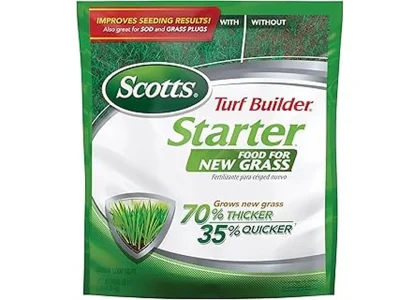
For newly seeded lawns, use a starter fertilizer with a higher phosphorus content (the middle number in NPK) to promote root development. Look for a ratio like 10-20-10 or 12-24-12. Apply at seeding and then again 4-6 weeks later.
Avoid weed-and-feed products, as the herbicide can prevent grass seed from germinating.
How do I know if my Utah lawn needs iron supplementation?
Signs your lawn may need iron include yellowing between the veins of grass blades (interveinal chlorosis) while the veins remain green, particularly in newer growth. This is common in Utah’s alkaline soils. If a soil test confirms high pH (above 7.5), iron supplementation can help.
Apply chelated iron or iron sulfate according to package instructions, typically at a rate of 0.1-0.2 lbs of actual iron per 1,000 sq ft.
Is organic fertilizer better than synthetic for Utah lawns?
Both types have their advantages. Organic fertilizers improve soil health long-term and are safer for children and pets, but they may work more slowly and require more frequent applications. Synthetic fertilizers provide faster results and precise nutrient ratios, but they don’t improve soil structure.
In Utah’s often challenging soils, many homeowners find a combination approach works best—using organic fertilizers for regular maintenance and synthetic for quick fixes or specific nutrient needs.
Final Thoughts
Choosing what fertilizer to use on lawn in Utah fall comes down to understanding your grass type, soil conditions, and local climate. A slow-release nitrogen fertilizer with a balanced NPK ratio applied in early September and late October will give most Utah lawns the boost they need for winter survival and spring vitality. Remember to test your soil, follow proper application techniques, and adjust for Utah’s unique alkaline conditions.
With the right approach, your lawn will not only survive the winter but thrive next spring, providing a lush, green space for your family to enjoy.