Last Updated on October 22, 2026 by D. Ruddy
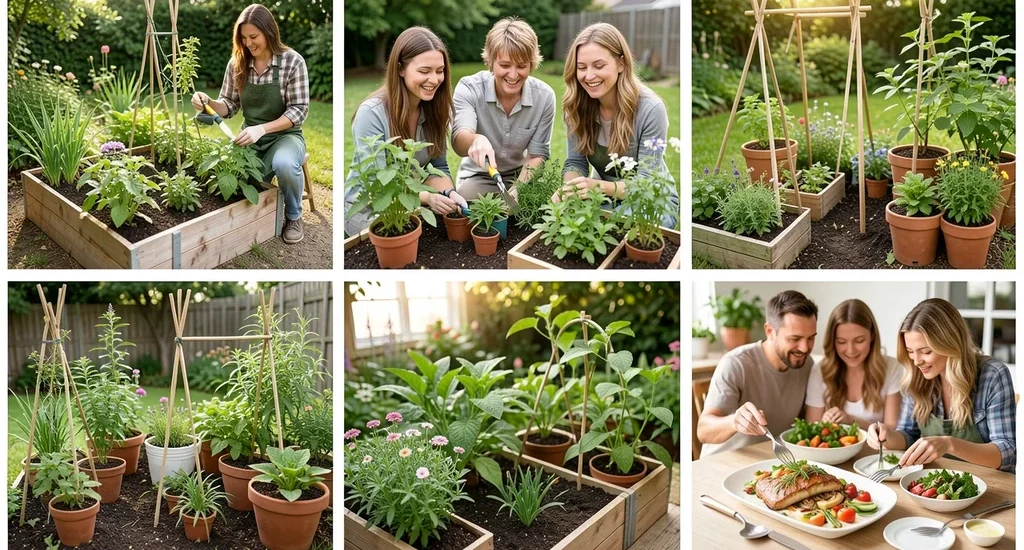
Starting a garden can feel overwhelming, but easy gardening tips for beginners can turn your brown thumb into a green one with just a little know-how. Whether you have a sprawling backyard or a tiny balcony, the right techniques make all the difference. This guide covers everything from soil prep to plant selection so you can grow confidence along with your plants.
You can start a thriving garden with minimal effort by choosing low-maintenance plants, preparing your soil properly, and watering consistently. Even small spaces can yield impressive results with the right approach.
Start With the Right Plants for Your Climate
Not all plants thrive in every climate, so your first step is selecting varieties that love your local weather. Check your USDA hardiness zone to find plants that will grow well without constant babysitting. Some of the easiest plants for beginners include leafy greens, herbs, and hardy flowers that tolerate a range of conditions.
Beginner-friendly plants often share a few traits: they’re drought-tolerant, pest-resistant, and don’t require perfect soil. Look for labels that say “easy to grow” or “low maintenance” at your local nursery. These plants will give you quick wins to build your gardening confidence.
- Vegetables: Lettuce, radishes, green beans, and cherry tomatoes
- Herbs: Basil, mint, chives, and parsley
- Flowers: Marigolds, sunflowers, zinnias, and pansies
- Succulents: Aloe, sedum, and echeveria for dry climates
Tip: Start with just 3-5 plant varieties your first season. This keeps maintenance manageable while you learn.
| Plant Type | Sunlight Needs | Watering Frequency | Days to Harvest |
|---|---|---|---|
| Lettuce | Partial to full sun | Keep soil moist | 30-60 days |
| Cherry Tomatoes | Full sun (6+ hours) | 1-2 inches per week | 60-85 days |
| Basil | Full sun | Water when top inch is dry | 30-60 days |
| Marigolds | Full sun | Once a week | 45-60 days to bloom |
These plants offer a good mix of quick results and forgiving care requirements. Most can be grown in both ground soil and containers, making them versatile for any space.
Prepare Your Soil Like a Pro
Healthy soil is the foundation of any successful garden. Even the easiest plants will struggle in poor-quality dirt. The good news is that improving your soil is simpler than you might think.
Most beginner gardens benefit from a mix of native soil and compost, which adds nutrients and improves drainage.
Before planting, test your soil’s drainage by digging a 12-inch hole and filling it with water. If it drains within an hour, your soil is likely too sandy. If it takes more than 4 hours, it’s probably too clay-heavy.
The ideal soil drains within 1-4 hours. You can amend sandy soil with compost and clay soil with sand and organic matter.
- Test your soil – Use a DIY kit or send a sample to your local extension office
- Loosen the ground – Break up compacted soil to a depth of 12-18 inches
- Add organic matter – Mix in 2-3 inches of compost or well-rotted manure
- Check pH levels – Most plants prefer a pH between 6.0 and 7.0
- Consider raised beds – If your native soil is very poor, build up with quality topsoil
Warning: Never use fresh manure on food crops. It can burn plants and may contain harmful bacteria. Always use well-aged compost instead.
According to the National Gardening Association, adding just 1 inch of compost to your garden can increase water retention by up to 30%. This means less frequent watering and healthier plants. Organic matter also encourages beneficial microorganisms that help break down nutrients for your plants to absorb.
Watering Techniques That Save Time and Water
Overwatering is one of the most common mistakes new gardeners make. Most plants prefer consistent moisture but can’t tolerate soggy roots. The key is to water deeply but less frequently, which encourages strong root growth.
Early morning is the best time to water, as it gives plants time to absorb moisture before the heat of the day.
Different plants have different water needs, but there are some general rules to follow. Most vegetables need about 1-2 inches of water per week, including rainfall. Herbs typically prefer drier conditions, while leafy greens like more consistent moisture.
Always water at the base of the plant rather than from above to prevent disease and ensure the water reaches the roots.
| Watering Method | Best For | Water Savings | Ease of Use |
|---|---|---|---|
| Drip Irrigation | All plant types | 70% more efficient | Moderate setup |
| Soaker Hoses | Rows of plants | 50% more efficient | Easy |
| Hand Watering | Small gardens, containers | Least efficient | Very easy |
| Sprinklers | Lawns, large areas | 30% more efficient | Easy |
Drip irrigation systems deliver water directly to plant roots, reducing waste and preventing weed growth. They’re particularly effective for vegetable gardens and can be set up on a timer for truly hands-off watering.
Choose the Right Containers for Small Spaces
Not everyone has a backyard, but that doesn’t mean you can’t garden. Container gardening is perfect for apartments, patios, and small yards. The key is selecting the right size and type of container for your plants.
Shallow-rooted plants like lettuce and herbs do well in smaller pots, while tomatoes and peppers need larger containers to accommodate their root systems.
When choosing containers, consider both aesthetics and functionality. Ensure every pot has drainage holes to prevent waterlogging. You can use traditional clay pots, lightweight plastic, or even repurposed items like buckets or old boots.
Just make sure they’re clean and have proper drainage.
- Material options:
- Terracotta: Breathable but heavy and breaks easily in frost
- Plastic: Lightweight and durable but may retain too much moisture
- Wood: Natural look but will eventually rot
- Fabric: Excellent drainage and aeration, good for vegetables
- Metal: Sleek appearance but can get too hot in direct sun
- Size guidelines:
- Herbs: 6-8 inch diameter
- Leafy greens: 8-12 inch diameter
- Peppers: 12-14 inch diameter
- Tomatoes: 5+ gallon containers
- Dwarf fruit trees: 15+ gallon containers
Important: Always elevate containers on bricks or pot feet to ensure proper drainage. Water pooling under pots can lead to root rot and attract pests.
The University of Illinois Extension reports that container gardens can produce yields comparable to in-ground gardens when given proper care. The main advantages are better control over soil quality and the ability to move plants to optimize sunlight exposure.
Master the Basics of Planting Depth and Spacing
How deep and how far apart you plant your seeds or seedlings makes a big difference in their growth. Planting too deep can prevent seeds from sprouting, while crowding plants leads to competition for nutrients and increased disease risk. Always follow the instructions on seed packets or plant tags for specific requirements.
As a general rule, plant seeds at a depth about twice their diameter. For seedlings, plant them at the same depth they were growing in their container. Spacing requirements vary widely: leafy greens can be planted 4-6 inches apart, while large plants like tomatoes need 18-24 inches between them.
| Plant Type | Planting Depth | Spacing Between Plants | Spacing Between Rows |
|---|---|---|---|
| Lettuce | 1/4 inch | 4-6 inches | 12-18 inches |
| Carrots | 1/4 inch | 2-3 inches | 12 inches |
| Tomatoes | 1/2 inch (seeds), same depth as container (seedlings) | 18-24 inches | 36 inches |
| Bush Beans | 1 inch | 4-6 inches | 18-24 inches |
| Radishes | 1/2 inch | 1-2 inches | 6 inches |
Proper spacing allows for good air circulation, which helps prevent fungal diseases. It also makes it easier to harvest and care for your plants. If you’re tight on space, consider interplanting quick-growing crops like radishes with slower-growing ones like carrots.
Essential Tools for Beginner Gardeners
You don’t need a garage full of expensive equipment to start gardening. A few basic tools will handle most tasks for beginner gardeners. Invest in quality tools that feel comfortable in your hands – they’ll last longer and make your gardening experience more enjoyable.
Clean and store your tools properly to extend their lifespan.
The essential tools for beginners include items for digging, planting, watering, and maintaining your garden. As your garden grows, you can add specialized tools, but these basics will get you started on the right foot. Look for tools with ergonomic handles to reduce strain on your hands and wrists.
- Garden Gloves – Protect your hands from thorns, dirt, and blisters. Choose breathable, durable materials.
- Hand Trowel – Perfect for planting, transplanting, and mixing soil in small areas.
- Garden Fork – Helps loosen and aerate soil, especially in compacted areas.
- Pruners – Essential for trimming plants and harvesting. Bypass pruners give the cleanest cuts.
- Watering Can or Hose – A must for keeping plants hydrated. Look for one with a removable rose for gentle watering.
- Rake – Useful for clearing debris and leveling soil. A bow rake is good for heavy-duty work.
- Wheelbarrow or Garden Cart – Makes it easier to move soil, plants, and other materials around your garden.
Tip: Disinfect your tools regularly with a solution of 1 part bleach to 9 parts water to prevent the spread of diseases between plants.
According to a survey by Gardeners.com, the average gardener spends about $100-200 on tools in their first year. However, you can start with just the basics for under $50 if you shop smartly. Look for multi-purpose tools and check secondhand stores for gently used equipment.
Natural Pest Control Methods That Work
Dealing with pests is one of the most frustrating parts of gardening for beginners. The good news is that you don’t need harsh chemicals to keep your garden healthy. Many natural pest control methods are just as effective and safer for you, your plants, and the environment.
The key is prevention and early intervention.
Start by creating a healthy ecosystem in your garden. This includes maintaining healthy soil, providing proper water and sunlight, and encouraging beneficial insects. Many pests are attracted to weak or stressed plants, so keeping your garden in good condition is your first line of defense.
- Companion Planting:
- Plant marigolds near tomatoes to repel nematodes
- Grow basil with peppers to deter aphids and whiteflies
- Interplant carrots and onions to confuse carrot flies
- Plant nasturtiums near cucumbers to repel cucumber beetles
- Physical Barriers:
- Use row covers to protect plants from flying insects
- Place copper tape around containers to deter slugs and snails
- Set up beer traps for slugs (bury a container filled with beer at soil level)
- Use collars around seedlings to prevent cutworm damage
- Homemade Sprays:
- Neem oil spray (mix 2 tsp neem oil, 1 tsp mild soap, 1 quart water)
- Garlic spray (blend 2 garlic bulbs with 1 quart water, strain, add 1 tsp soap)
- Soap spray (1 tbsp mild liquid soap per quart of water for soft-bodied insects)
- Hot pepper spray (blend hot peppers with water, strain, spray on leaves)
- Encourage Beneficial Insects:
- Ladybugs eat aphids, mealybugs, and other soft-bodied pests
- Praying mantises consume a wide variety of garden pests
- Lacewings feed on aphids, thrips, and whiteflies
- Ground beetles control slugs, snails, and cutworms
| Pest | Affected Plants | Natural Control Method | Prevention Tips |
|---|---|---|---|
| Aphids | Most vegetables, flowers | Ladybugs, soap spray | Encourage beneficial insects, avoid over-fertilizing |
| Slugs & Snails | Leafy greens, hostas | Beer traps, copper tape | Water in morning, remove hiding spots |
| Tomato Hornworms | Tomatoes, peppers | Handpick, beneficial wasps | Plant basil nearby, till soil in fall |
| Cucumber Beetles | Cucumbers, squash, melons | Nasturtiums, kaolin clay | Use row covers, rotate crops |
The Environmental Protection Agency reports that using natural pest control methods can reduce chemical pesticide use by up to 90% in home gardens. This not only benefits the environment but also creates a safer space for you and your family to enjoy your garden.
Common Gardening Mistakes Beginners Make
Even with the best intentions, new gardeners often make mistakes that can hinder their success. The good news is that most of these are easily avoidable once you know what to look for. Learning from these common pitfalls can save you time, money, and frustration as you develop your green thumb.
One of the biggest mistakes is starting too big. It’s exciting to imagine a lush, productive garden, but beginning with a manageable size will give you a better chance of success. Remember, you can always expand your garden in future years as you gain experience and confidence.
- Overwatering or underwatering
- Most plants prefer consistent moisture but can’t tolerate soggy roots
- Check soil moisture by sticking your finger 1-2 inches into the soil
- Water deeply but less frequently to encourage strong root growth
- Early morning is the best time to water to reduce evaporation and disease risk
- Ignoring sunlight requirements
- Most vegetables need 6-8 hours of direct sunlight per day
- Leafy greens can tolerate partial shade (4-6 hours of sun)
- Observe your garden throughout the day to determine sun patterns
- Use a sun calculator app to track sunlight in different areas
- Planting at the wrong time
- Cool-season crops (lettuce, peas) should be planted in early spring or fall
- Warm-season crops (tomatoes, peppers) need warm soil and air temperatures
- Check your local frost dates to determine planting windows
- Use succession planting to extend your harvest throughout the season
- Neglecting soil health
- Poor soil leads to weak plants that are more susceptible to pests and diseases
- Amend your soil with compost or other organic matter before planting
- Test your soil every few years to check pH and nutrient levels
- Rotate crops yearly to prevent soil depletion and disease buildup
- Crowding plants
- Overcrowding leads to competition for water, nutrients, and sunlight
- Poor air circulation increases the risk of fungal diseases
- Follow spacing guidelines on seed packets or plant tags
- Thin seedlings to the recommended spacing once they sprout
Warning: Avoid using garden soil for container planting. It’s too heavy and may contain weeds or diseases. Always use a quality potting mix for containers.
Frequently Asked Questions
How often should I water my garden as a beginner?
Most gardens need about 1-2 inches of water per week, including rainfall. It’s better to water deeply 2-3 times a week rather than a little bit daily. Check soil moisture by sticking your finger 1-2 inches into the soil – if it feels dry, it’s time to water.
Early morning is ideal as it gives plants time to absorb moisture before the heat of the day.
What are the easiest vegetables to grow for beginners?
The easiest vegetables for beginners include lettuce, radishes, green beans, cherry tomatoes, and zucchini. These plants are relatively pest-resistant, grow quickly, and don’t require perfect conditions. They also offer a good variety of textures and flavors for your kitchen.
Start with just a few varieties your first season to keep maintenance manageable.
Do I need to use fertilizer in my beginner garden?
If you’ve prepared your soil with plenty of compost or organic matter, you may not need additional fertilizer. However, if your soil is poor or your plants show signs of nutrient deficiency (yellow leaves, stunted growth), a balanced organic fertilizer can help. Always follow package instructions and avoid over-fertilizing, which can harm plants and the environment.
How can I tell if my plants are getting enough sunlight?
Plants that aren’t getting enough sunlight often appear leggy (tall and spindly) with pale leaves. They may also grow toward the light source. Most vegetables need 6-8 hours of direct sunlight per day.
If your garden doesn’t get enough sun, consider growing shade-tolerant plants like lettuce, spinach, or herbs, or use containers to move plants to sunnier spots.
What’s the best way to start a garden with limited space?
Container gardening is perfect for small spaces. Choose compact plant varieties and containers that match their size needs. Vertical gardening can also maximize space – consider trellises for vining plants like cucumbers or beans.
Window boxes, hanging baskets, and wall planters are other great options for small-space gardening. Even a sunny windowsill can support a small herb garden.
Final Thoughts
Starting a garden doesn’t have to be complicated. With these easy gardening tips for beginners, you can create a thriving green space that brings joy and fresh produce to your home. Remember to start small, choose the right plants for your conditions, and focus on building healthy soil.
As you gain experience, you can expand your garden and try more challenging plants. The most important thing is to enjoy the process and learn from both your successes and mistakes.