Last Updated on October 22, 2026 by D. Ruddy
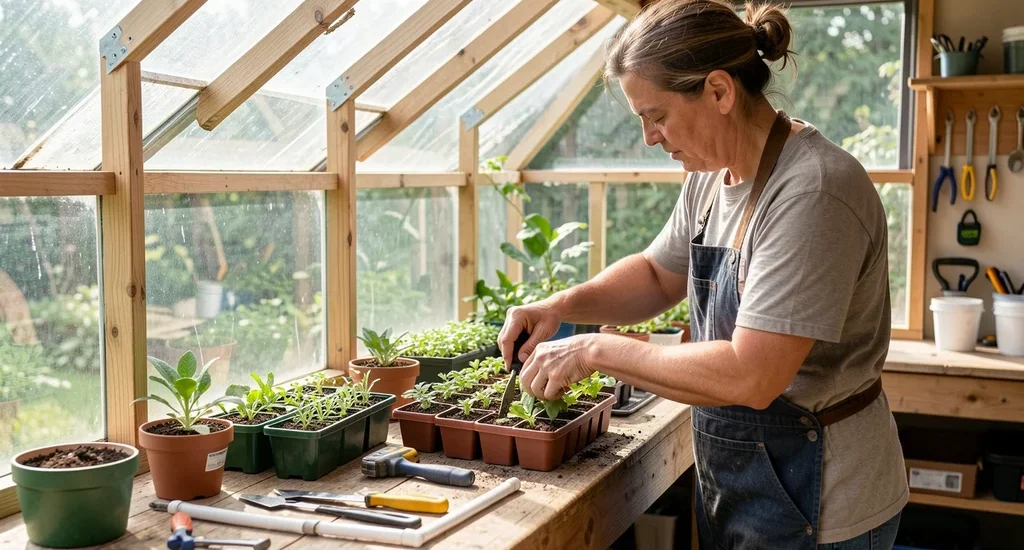
Building a greenhouse doesn’t have to break the bank. With some smart planning and budget-friendly materials, how to build a greenhouse cheap becomes a realistic project for any gardener. Whether you’re growing vegetables year-round or starting seedlings early, a DIY greenhouse can extend your growing season without a hefty investment.
You can build a low-cost greenhouse for $200–$500 using recycled materials like old windows, PVC pipes, or pallets. Focus on sunlight access, sturdy framing, and proper ventilation to keep plants thriving.
Choose The Right Location For Maximum Sunlight
The location of your greenhouse directly impacts its effectiveness. A spot with at least 6–8 hours of direct sunlight daily is ideal. South-facing areas typically receive the most consistent light, especially in colder climates. Avoid placing it under trees or near tall structures that cast shadows.
Consider the wind patterns in your area. Strong winds can damage a lightweight structure, so a sheltered spot or windbreaks like fences can help. The ground should be level to prevent water pooling and structural stress.
- Face the greenhouse south for optimal sunlight exposure
- Ensure no large obstructions block the light throughout the day
- Check for wind exposure and add barriers if needed
- Level the ground to avoid drainage issues
- Consider proximity to a water source for easy irrigation
According to the University of Missouri Extension, greenhouses should be positioned to receive maximum winter sunlight, which is often lower in the sky. This ensures your plants get enough light during the colder months when they need it most.
Select Budget Friendly Materials That Last
One of the best ways to cut costs is by using recycled or repurposed materials. Old windows, doors, and even plastic bottles can be transformed into greenhouse panels. Wooden pallets are excellent for framing, while PVC pipes offer a lightweight and affordable alternative for hoop-style greenhouses.
Here’s a comparison of common budget materials:
| Material | Cost | Durability | Best For |
|---|---|---|---|
| Old Windows | Free–$50 | High (if maintained) | Permanent structures |
| PVC Pipes | $1–$3 per foot | Medium | Hoop greenhouses |
| Wooden Pallets | Free–$20 each | Medium–High | Framing, shelves |
| Plastic Sheeting | $0.50–$2 per sq ft | Low–Medium | Temporary covers |
| Corrugated Panels | $1–$3 per sq ft | High | Roofing, walls |
Old windows are a favorite among DIY greenhouse builders because they provide excellent insulation and durability. PVC pipes are lightweight and easy to bend into arches, making them perfect for hoop-style greenhouses. Wooden pallets can be dismantled and repurposed into sturdy frames, while corrugated plastic panels offer a balance between affordability and longevity.
Tip: Check local construction sites, Craigslist, or Facebook Marketplace for free or cheap materials. Many people give away old windows and pallets to avoid disposal fees.
Design Simple And Effective Greenhouse Plans
A simple design is often the most cost-effective. Start with a basic rectangular or hoop shape, as these are the easiest to build and require fewer materials. The size depends on your space and needs, but a 6’x8’ greenhouse is a manageable starting point for most beginners.
Key design considerations include:
- Height: At least 6–8 feet tall to allow for plant growth and easy access
- Roof Style: A gable or curved roof sheds snow and rain better than a flat roof
- Door Placement: A single door on the long side for easy entry
- Ventilation: At least one vent or window to regulate temperature and humidity
- Foundation: A simple gravel or wooden base to prevent rot and pests
For a hoop greenhouse, the design is even simpler. Use PVC pipes bent into arches and anchored into the ground or a wooden base. Cover the arches with plastic sheeting or old windows. This design is ideal for beginners due to its low cost and ease of construction.
According to the National Sustainable Agriculture Information Service, a well-designed greenhouse should maximize light exposure while minimizing heat loss. Proper ventilation is also critical to prevent overheating and plant diseases.
Step By Step Building Process
Step 1: Prepare The Foundation
Start by clearing the area of debris and leveling the ground. For a permanent structure, a concrete foundation is ideal but expensive. Instead, use a gravel base or wooden frame anchored to the ground with stakes. This prevents water pooling and provides stability.
Mark the perimeter of your greenhouse with stakes and string to outline the shape. Double-check the measurements to ensure everything is square and level. For a 6’x8’ greenhouse, the foundation should be slightly larger to accommodate the framing.
Step 2: Build The Frame
For a wooden frame, use 2×4 lumber to create the base and vertical supports. Secure the corners with screws or brackets for added stability. If using PVC pipes for a hoop greenhouse, bend the pipes into arches and secure them to a wooden base or directly into the ground with metal stakes.
Here’s a simple breakdown for a wooden frame:
- Lay out the base frame on the foundation and secure the corners.
- Add vertical supports at each corner and every 2–3 feet along the sides.
- Connect the top of the vertical supports with horizontal beams to create the roof frame.
- Add diagonal braces for extra stability, especially in windy areas.
Step 3: Add The Covering
For a budget-friendly covering, use old windows, plastic sheeting, or corrugated panels. If using plastic sheeting, opt for UV-resistant polyethylene to extend its lifespan. Secure the covering to the frame with screws, nails, or heavy-duty staples, and seal any gaps with caulk or weatherstripping to prevent drafts.
For a hoop greenhouse, stretch the plastic sheeting over the PVC arches and secure it with battens or clips. Leave extra material at the ends to create flaps that can be rolled up for ventilation.
Warning: Avoid using thin plastic sheeting that degrades quickly under UV exposure. Invest in at least 6-mil thickness for durability.
Step 4: Install Ventilation And Doors
Proper ventilation is crucial to prevent overheating and humidity buildup. Install at least one vent or window on the roof or sides. For a simple solution, create a vent by leaving a section of the covering removable or using a small fan.
For the door, use an old screen door or build a simple wooden frame with a latch. Ensure it seals tightly when closed to retain heat. If using plastic sheeting, cut an opening and reinforce it with a wooden frame for the door.
Step 5: Add Finishing Touches
Seal any gaps or cracks with caulk or weatherstripping to improve insulation. Add shelves or benches inside the greenhouse for organizing plants and supplies. Consider adding a simple irrigation system, such as a drip line, to make watering easier.
For extra insulation, line the north side of the greenhouse with reflective material or bubble wrap to retain heat. This is especially useful in colder climates.
Ventilation And Temperature Control Tips
Maintaining the right temperature and humidity is critical for plant health. Greenhouses can quickly become too hot or too humid without proper ventilation. Aim for a temperature range of 70–85°F (21–29°C) during the day and 60–70°F (15–21°C) at night, depending on the plants you’re growing.
Here are some budget-friendly ventilation solutions:
- Manual Vents: Install hinged windows or flaps that can be opened and closed by hand. This is the simplest and cheapest option.
- Automatic Vent Openers: Use wax cylinder openers that expand and contract with temperature changes to open and close vents automatically.
- Fans: A small solar-powered fan can help circulate air and prevent hot spots.
- Shade Cloth: Use a shade cloth to reduce sunlight and heat buildup during the hottest part of the day.
- Cross-Ventilation: Place vents or windows on opposite sides of the greenhouse to create a breeze.
According to the University of Georgia Cooperative Extension, proper ventilation can reduce the risk of fungal diseases and pest infestations by maintaining optimal humidity levels. Aim for a humidity range of 50–70% for most plants.
| Ventilation Method | Cost | Effectiveness | Best For |
|---|---|---|---|
| Manual Vents | $10–$50 | Low–Medium | Small greenhouses |
| Automatic Vent Openers | $20–$100 | High | Medium–Large greenhouses |
| Solar-Powered Fan | $50–$150 | Medium–High | Hot climates |
| Shade Cloth | $20–$80 | Medium | Sunny locations |
Common Mistakes To Avoid
Building a greenhouse on a budget can be rewarding, but there are pitfalls to watch out for. One of the most common mistakes is underestimating the importance of ventilation. Without proper airflow, your greenhouse can become a sauna, stressing or even killing your plants.
Another mistake is using low-quality materials that won’t last. While it’s tempting to cut costs, investing in slightly better materials upfront can save you money in the long run by reducing the need for repairs or replacements.
- Poor Location: Building in a shaded or windy spot reduces effectiveness.
- Inadequate Foundation: Skipping a solid foundation can lead to structural issues over time.
- Ignoring Insulation: Failing to seal gaps can result in heat loss and higher heating costs.
- Overcrowding: Packing too many plants into a small space limits airflow and increases disease risk.
- Neglecting Maintenance: Regularly check for leaks, tears, or damage to the covering and frame.
According to the Iowa State University Extension, many DIY greenhouse builders also overlook the importance of proper lighting. If natural sunlight is insufficient, consider adding grow lights to supplement.
Heating And Insulation On A Budget
Keeping your greenhouse warm in colder months doesn’t have to be expensive. Passive solar heating is one of the most cost-effective methods. By positioning your greenhouse to maximize sunlight exposure and using thermal mass materials like water barrels or stones, you can store heat during the day and release it at night.
Here are some budget-friendly heating and insulation options:
- Thermal Mass: Place black-painted water barrels or stones inside the greenhouse to absorb heat during the day and release it at night.
- Bubble Wrap Insulation: Line the north side or walls with bubble wrap to reduce heat loss.
- Compost Heating: Bury compost piles in the greenhouse to generate heat as they decompose.
- DIY Rocket Stove: A small, wood-fired rocket stove can provide heat for larger greenhouses.
- Solar Heaters: Use a DIY solar air heater to circulate warm air into the greenhouse.
Important: Avoid using open flames or unvented heaters, as they can produce carbon monoxide and pose a fire risk.
According to the University of Kentucky College of Agriculture, a well-insulated greenhouse can reduce heating costs by up to 50%. Focus on sealing gaps and using materials with high R-values (a measure of thermal resistance) for best results.
DIY Greenhouse Ideas And Inspiration
If you’re looking for creative and budget-friendly greenhouse ideas, consider these options:
Hoop Greenhouse
A hoop greenhouse is one of the simplest and cheapest designs. Use PVC pipes bent into arches and covered with plastic sheeting. This design is easy to assemble and disassemble, making it ideal for seasonal use.
Cold Frame Greenhouse
A cold frame is a small, low-cost greenhouse that sits directly on the ground. Use old windows or a wooden frame with a clear lid to create a mini greenhouse for starting seedlings or protecting small plants.
Pallet Greenhouse
Repurpose wooden pallets into a sturdy greenhouse frame. Line the pallets with plastic sheeting or old windows to create walls and a roof. This design is both affordable and durable.
Window Wall Greenhouse
Collect old windows and arrange them into a wall or roof structure. This design is visually appealing and provides excellent insulation. Secure the windows to a wooden frame and seal the gaps with caulk.
Barrel Greenhouse
Cut a large plastic barrel in half and use it as a mini greenhouse. Place the barrel over plants and secure it with stakes. This is a great option for small gardens or individual plant protection.
Frequently Asked Questions
How much does it cost to build a cheap greenhouse?
The cost of building a cheap greenhouse can range from $200 to $1,000, depending on the size, materials, and design. Using recycled materials like old windows, pallets, and plastic sheeting can significantly reduce costs. For example, a small hoop greenhouse made with PVC pipes and plastic sheeting can cost as little as $200, while a larger, more permanent structure with wooden framing and glass panels may cost closer to $1,000.
What is the cheapest way to build a greenhouse?
The cheapest way to build a greenhouse is to use recycled or repurposed materials. Start with a simple hoop design using PVC pipes and plastic sheeting. Collect old windows, doors, or pallets for framing and covering.
Focus on a small size (e.g., 6’x8’) to minimize material costs. Additionally, prioritize passive solar heating and natural ventilation to reduce the need for expensive heating and cooling systems.
Can I build a greenhouse with recycled materials?
Yes, you can build a greenhouse using recycled materials. Old windows, doors, wooden pallets, and plastic bottles are all excellent options for framing and covering. Check local construction sites, Craigslist, or Facebook Marketplace for free or cheap materials.
Recycled materials not only save money but also reduce waste and environmental impact.
How do I keep my greenhouse warm in winter?
To keep your greenhouse warm in winter, use passive solar heating and insulation. Position the greenhouse to maximize sunlight exposure and use thermal mass materials like water barrels or stones to store heat. Seal any gaps or cracks to prevent drafts, and consider adding bubble wrap or reflective material to the north side for extra insulation.
Avoid using open flames or unvented heaters, as they pose safety risks.
Do I need a permit to build a greenhouse?
The need for a permit depends on your location and the size of the greenhouse. In many areas, small greenhouses (under 100–200 square feet) do not require a permit, especially if they are not permanent structures. However, larger or permanent greenhouses may need approval from local building authorities.
Always check with your local government or zoning office to confirm the regulations in your area.
Final Thoughts
Building a greenhouse on a budget is entirely achievable with the right planning and materials. Focus on a sunny location, use recycled or affordable materials, and prioritize proper ventilation and insulation. Whether you opt for a simple hoop design or a more permanent structure, a DIY greenhouse can extend your growing season and protect your plants year-round.
With a little creativity and effort, you can create a functional and cost-effective greenhouse that meets your gardening needs without breaking the bank.