Last Updated on October 23, 2026 by D. Ruddy
If your cool-season grass looks tired and compacted, knowing when to aerate lawn spring or fall can make all the difference. Aeration helps air, water, and nutrients reach the roots, promoting thicker, healthier turf. But timing is everything—do it wrong, and you might do more harm than good.
For cool-season grasses like Kentucky bluegrass, fescue, and ryegrass, aerate in early fall for the best results. Spring is a secondary option if you missed the fall window.
Why Aeration Matters for Cool-Season Grass
Cool-season grasses thrive in regions with cold winters and hot summers, making aeration a key part of their care. Over time, soil compaction from foot traffic, mowing, and natural settling can suffocate grass roots. Aeration relieves this compaction, allowing roots to breathe and absorb nutrients more efficiently.
- Improves soil structure by breaking up compacted layers
- Enhances water absorption, reducing runoff and puddling
- Boosts fertilizer effectiveness by helping nutrients reach the root zone
- Encourages deeper root growth for a more resilient lawn
- Reduces thatch buildup, which can block water and air
According to the National Association of Landscape Professionals, lawns that receive regular aeration see up to a 30% improvement in turf density. For cool-season grasses, this translates to greener, healthier lawns that recover faster from stress.
Important: Aeration is most effective when the grass is actively growing, which is why timing aligns with the grass’s natural growth cycles.
Best Time to Aerate Cool-Season Grass
The ideal time to aerate cool-season grass is during its peak growth periods. This ensures the grass can recover quickly from the stress of aeration. For most homeowners, this means focusing on early fall, with spring as a backup option.
- Early Fall (Late August to Early October)
- Soil temperatures are warm, but air temperatures are cooler, creating perfect conditions for recovery.
- Grass has time to establish strong roots before winter dormancy.
- Weeds are less likely to germinate and compete with your grass.
- Spring (Late March to Early May)
- Second-best option if you missed the fall window.
- Grass is coming out of dormancy and entering active growth.
- Avoid aerating too early in spring when the soil is still cold and soggy.
| Season | Pros | Cons |
|---|---|---|
| Early Fall | Best recovery, fewer weeds, ideal soil temps | Limited window before winter |
| Spring | Good for missed fall aeration, active growth | More weed competition, possible heat stress |
Aerating in early fall gives your lawn the best chance to recover and strengthen before winter. Spring aeration can work, but it’s less ideal due to weed competition and potential heat stress as temperatures rise.
Signs Your Cool-Season Lawn Needs Aeration
Not sure if your lawn needs aeration? Look for these common signs of soil compaction and poor turf health. Addressing these issues early can prevent long-term damage.
- Thin or patchy grass despite regular watering and fertilizing
- Water pools on the surface instead of absorbing into the soil
- Hard, compacted soil that’s difficult to penetrate with a screwdriver or garden fork
- Excessive thatch layer (more than ½ inch thick)
- Grass turns brown quickly during hot or dry periods
- Weeds and moss are taking over bare spots
- Footprints or tire tracks remain visible long after being made
Warning: If your lawn shows 3 or more of these signs, aeration should be a priority to prevent further decline.
A simple test can confirm compaction: try pushing a screwdriver or soil probe into the ground. If it’s difficult to push in more than a few inches, your soil is likely compacted and in need of aeration.
How to Aerate Your Lawn Properly
Aerating your lawn isn’t just about timing—it’s also about technique. Follow these steps to ensure you’re doing it right and getting the most benefit for your cool-season grass.
- Choose the Right Equipment
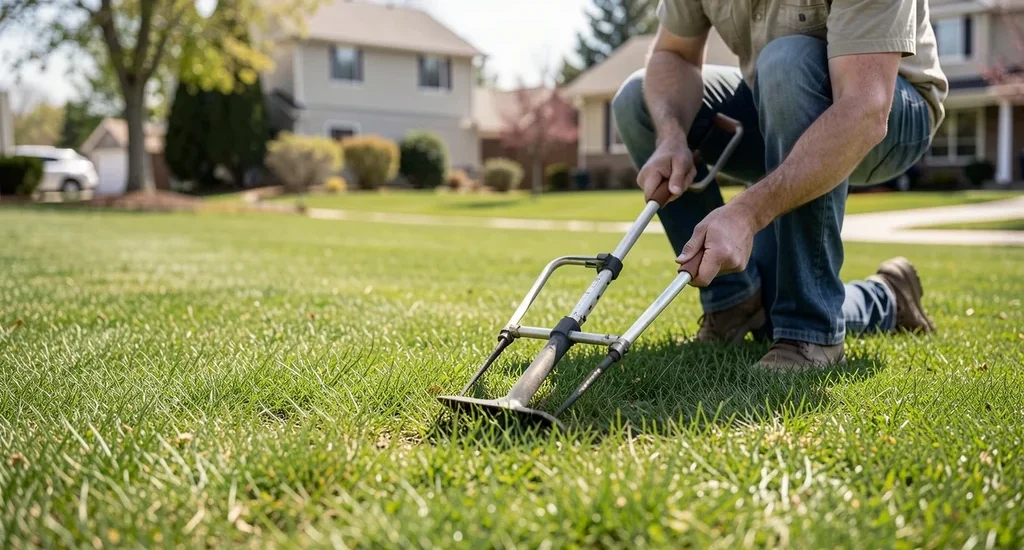
- Core aerators (plug aerators) are the best choice—they remove small plugs of soil, creating holes for air, water, and nutrients.
- Spike aerators poke holes in the soil but can increase compaction around the holes.
- For small lawns, manual aerators work fine. For larger lawns, consider renting a power aerator.
- Prepare Your Lawn
- Mow the lawn slightly shorter than usual to make aeration easier.
- Water the lawn thoroughly 1-2 days before aerating to soften the soil.
- Mark any sprinkler heads, utility lines, or shallow roots to avoid damaging them.
- Aerate Correctly
- Make two passes over the lawn in perpendicular directions for even coverage.
- Aim for 20-40 holes per square foot, spaced about 2-3 inches apart.
- Focus on high-traffic areas and spots showing signs of compaction.
- Follow Up with Care
- Leave the soil plugs on the lawn—they’ll break down and return nutrients to the soil.
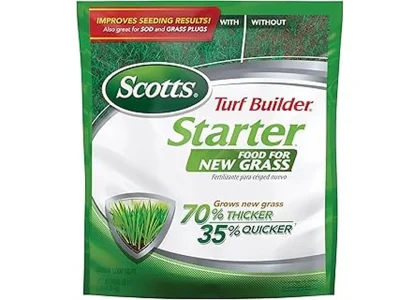
- Apply fertilizer and overseed immediately after aeration to maximize recovery.
- Water the lawn deeply after aeration to help roots recover and new grass seeds germinate.
| Aerator Type | Best For | Effectiveness |
|---|---|---|
| Core Aerator | All lawn sizes, best overall | High (removes soil plugs) |
| Spike Aerator | Small lawns, manual use | Medium (can compact soil) |
| Power Aerator | Large lawns | High (efficient for big areas) |
Renting a core aerator from a local hardware store typically costs between $60-$100 per day. If you’re not comfortable DIYing, hiring a professional lawn care service is another option, with average costs ranging from $75-$200 depending on lawn size.
What to Do After Aerating Your Lawn
Aeration is just the first step—what you do afterward determines how well your lawn recovers. For cool-season grasses, post-aeration care is crucial to maximizing the benefits of the process.
- Overseed Immediately
- Aeration creates the perfect environment for new grass seed to make contact with the soil.
- Choose a high-quality seed blend that matches your existing grass type.
- Apply seed evenly, aiming for 15-20 seeds per square inch.
- Fertilize for Recovery
- Use a slow-release, high-nitrogen fertilizer to feed the grass as it recovers.
- Fall aeration calls for a fertilizer with a higher potassium content to strengthen roots for winter.
- Avoid quick-release fertilizers, which can burn newly aerated lawns.
- Water Deeply and Regularly
- Water the lawn deeply immediately after aeration to help seeds germinate and roots recover.
- Keep the soil moist (but not soggy) for the first 2-3 weeks after aeration.
- Water early in the morning to reduce evaporation and fungal risks.
- Top-Dress with Compost
- Spread a thin layer (about ¼ inch) of compost over the lawn to improve soil structure.
- Use a rake to work the compost into the aeration holes.
- Choose a high-quality compost with a balanced mix of organic matter.
Tip: For best results, combine aeration with overseeding and fertilizing in a single session. This one-two punch rejuvenates your lawn faster than any single treatment.
Research from the University of Maryland Extension shows that lawns aerated and overseeded in the fall can see up to a 50% increase in turf density the following spring.
Common Aeration Mistakes to Avoid
Even with the best intentions, homeowners often make mistakes that reduce the effectiveness of aeration. Steering clear of these pitfalls will help you get the most out of your efforts.
- Aerating at the Wrong Time
- Aerating during summer heat or winter dormancy stresses the grass and hinders recovery.
- Avoid aerating during droughts or extreme weather conditions.
- Using Dull or Improper Equipment
- Dull aerator tines can tear the grass and compact soil further.
- Spike aerators can increase compaction around the holes they create.
- Always use a core aerator for the best results.
- Not Aerating Deep Enough
- Shallow aeration (less than 2-3 inches deep) won’t effectively relieve compaction.
- Aim for holes that are 2-3 inches deep for optimal results.
- Skipping Post-Aeration Care
- Aeration alone won’t fix a struggling lawn—you must follow up with seeding, fertilizing, and watering.
- Neglecting post-aeration care can lead to weed invasion and poor recovery.
- Aerating Too Frequently or Infrequently
- For most lawns, aerating once a year is sufficient. Heavy-use lawns may need it twice a year.
- Over-aerating can stress the grass and damage the root system.
According to a study by the Turfgrass Science Program at Penn State University, lawns aerated at the wrong time or with improper techniques can take up to 50% longer to recover, if they recover at all.
Cool-Season Grass Types and Their Aeration Needs
Not all cool-season grasses are the same, and their aeration needs can vary slightly. Understanding the specific requirements of your grass type can help you time and execute aeration more effectively.
| Grass Type | Best Aeration Time | Special Considerations |
|---|---|---|
| Kentucky Bluegrass | Early fall, spring | Recovers quickly; benefits from frequent overseeding |
| Tall Fescue | Early fall, late spring | Deep roots; tolerates heat better than other cool-season grasses |
| Fine Fescue | Early fall | Shade-tolerant; prefers cooler, moist conditions |
| Perennial Ryegrass | Early fall, spring | Fast germinating; often used in seed mixes for quick establishment |
- Kentucky Bluegrass is a popular choice for its lush, dense growth but requires regular maintenance, including aeration, to stay healthy.
- Tall Fescue is known for its drought tolerance and deep root system, making it a low-maintenance option for many homeowners.
- Fine Fescue thrives in shady areas and cooler climates, making it ideal for lawns with less sunlight.
- Perennial Ryegrass germinates quickly, making it a great choice for overseeding after aeration.
Each of these grasses benefits from aeration, but their specific needs and recovery times can vary. Always consider your grass type when planning your aeration schedule.
DIY vs. Professional Aeration
Deciding whether to aerate your lawn yourself or hire a professional depends on several factors, including your budget, lawn size, and comfort level with lawn care equipment.
DIY Aeration
- Cost-Effective: Renting an aerator costs around $60-$100 per day, while buying a manual aerator can cost as little as $50-$150.
- Flexibility: You can aerate on your own schedule and focus on specific problem areas in your lawn.
- Learning Experience: DIY aeration helps you understand your lawn’s needs and improves your lawn care skills.
- Equipment Availability: Local hardware stores and rental centers typically have aerators available during peak seasons.
Important: If you choose to DIY, always inspect the aerator before use to ensure it’s in good working condition.
Professional Aeration
- Time-Saving: Professionals can aerate your lawn quickly and efficiently, saving you time and effort.
- Expertise: Lawn care professionals have the experience and knowledge to aerate your lawn properly and address any specific issues.
- Equipment: Professionals use commercial-grade aerators that are more effective than most rental options.
- Additional Services: Many lawn care companies offer bundled services, including aeration, overseeding, and fertilization.
| Factor | DIY Aeration | Professional Aeration |
|---|---|---|
| Cost | $50-$150 (equipment) | $75-$200 (service) |
| Time | 2-4 hours | 1-2 hours |
| Equipment Quality | Rental-grade | Commercial-grade |
| Expertise | Learning curve | Experienced |
For most homeowners with small to medium-sized lawns, DIY aeration is a practical and cost-effective option. However, if you have a large lawn or prefer to leave it to the experts, hiring a professional can ensure the job is done right.
Frequently Asked Questions
Can I aerate my lawn in the summer?
Aerating in the summer is not recommended for cool-season grasses. The heat and stress of summer can damage the grass and hinder recovery. If aeration is absolutely necessary during summer, do it during the coolest part of the season and provide extra water and care to help the lawn recover.
How often should I aerate my cool-season lawn?
For most lawns, aerating once a year is sufficient. If your lawn sees heavy foot traffic or has compacted soil, consider aerating twice a year—once in early fall and once in spring. Avoid aerating more frequently, as it can stress the grass and damage the root system.
Should I aerate before or after overseeding?
Aerate before overseeding. Aeration creates the perfect environment for new grass seeds to make contact with the soil, improving germination rates. After aerating, spread the seed evenly and follow up with watering to ensure the best results.
What’s the best soil moisture level for aeration?
The soil should be moist but not soggy when you aerate. Water the lawn thoroughly 1-2 days before aerating to soften the soil. If the soil is too dry, the aerator won’t penetrate deeply enough.
If it’s too wet, the aerator can get stuck or create a mess.
Can I aerate my lawn if it’s newly seeded?
Avoid aerating a newly seeded lawn until the grass is well-established, typically after at least one full growing season. Aerating too soon can disrupt the delicate new roots and seeds, leading to poor germination and patchy growth.
Final Thoughts
For cool-season grasses, timing aeration in early fall gives your lawn the best chance to recover and thrive. Spring can work as a backup, but fall remains the gold standard. Pair aeration with overseeding and fertilizing for a lawn that’s lush, green, and resilient.
Avoid common mistakes like aerating at the wrong time or neglecting post-aeration care to get the most out of your efforts. With the right approach, your cool-season lawn will be the envy of the neighborhood.